

Book the MV Agusta F4. Pick your dates and book the MV Agusta F4 online, or call us and we will sort it with you.
Book NowCall 0468 011 118Mount White sits in the hills behind the Central Coast, and the road that climbs over it is one of the sharper rides in the region. The bends come quickly, the forest closes in on both sides and the road tilts up and over the ridge before dropping away toward the valleys. It is a ride that rewards precision and punishes carelessness, and it suits a rider who enjoys a tight line and a focused bike. This guide covers the climb, the corners, the MV Agusta F4 and the planning that keeps a hills day under control.
Everything to know before you book, from the licence rules to the bond, is on our Sydney motorbike hire page.
What makes the hills demanding
Central Coast hill roads are often narrower than the highways that carry most of the traffic. They wind through forest, climb in sudden grades and change direction with little warning. Visibility through the bends is limited by trees and rock cuttings, and a corner that looks gentle from a distance can tighten sharply once you commit to it.
The surface varies too. Some sections are freshly sealed and grip well, while others have worn edges, patched strips and areas where leaf litter gathers in the shade. The road may be clean and dry at the bottom of the climb and damp under the canopy near the top, so the grip you have at the start is not always the grip you will have later.
Think of the hills as a sequence of decisions rather than a single long road. Each bend asks you to read the surface, choose a line, set your speed and then trust the bike through the turn.
Reaching the foot of the climb
The ride begins with a trip north-west from the Sydney side of the coast, and the approach is generally easy. Keep to the main roads for the first stretch, and check your route and fuel before you turn toward the hills. The road narrows once you leave the main centres, so settle into a steady pace before the first climb.
Look up the road status with Transport for NSW before you leave the house. Hill roads can be closed by fallen trees after storms, and roadworks can add delays on narrow sections. Knowing the status before you leave saves you from a surprise at a closed lane or a long detour.
Set your mirrors and let the bike warm up before you begin the climb. Cold tyres and cold brakes are poor partners for tight corners, and a gentle start gives them time to come up to temperature.

The MV Agusta F4 through the bends
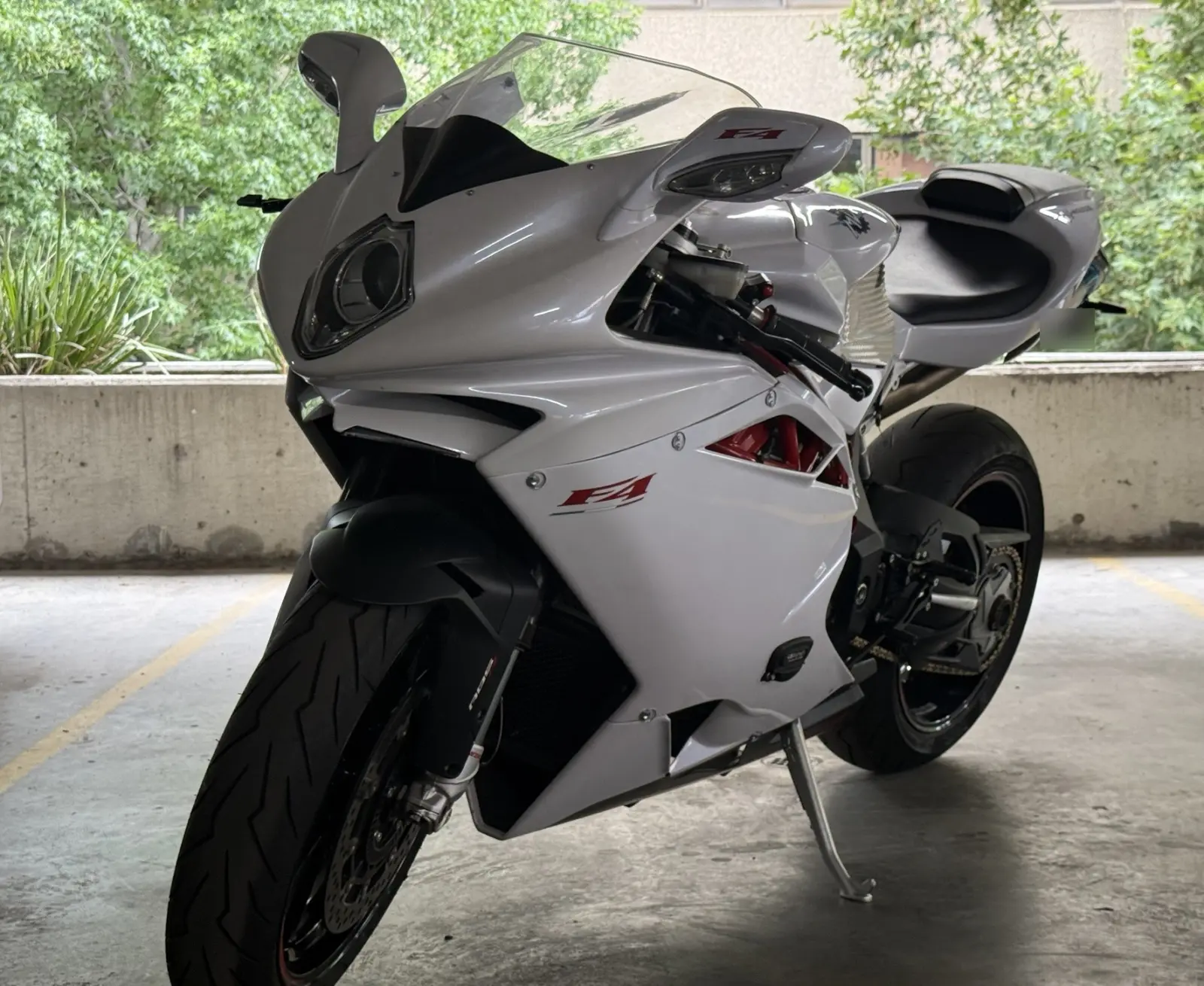
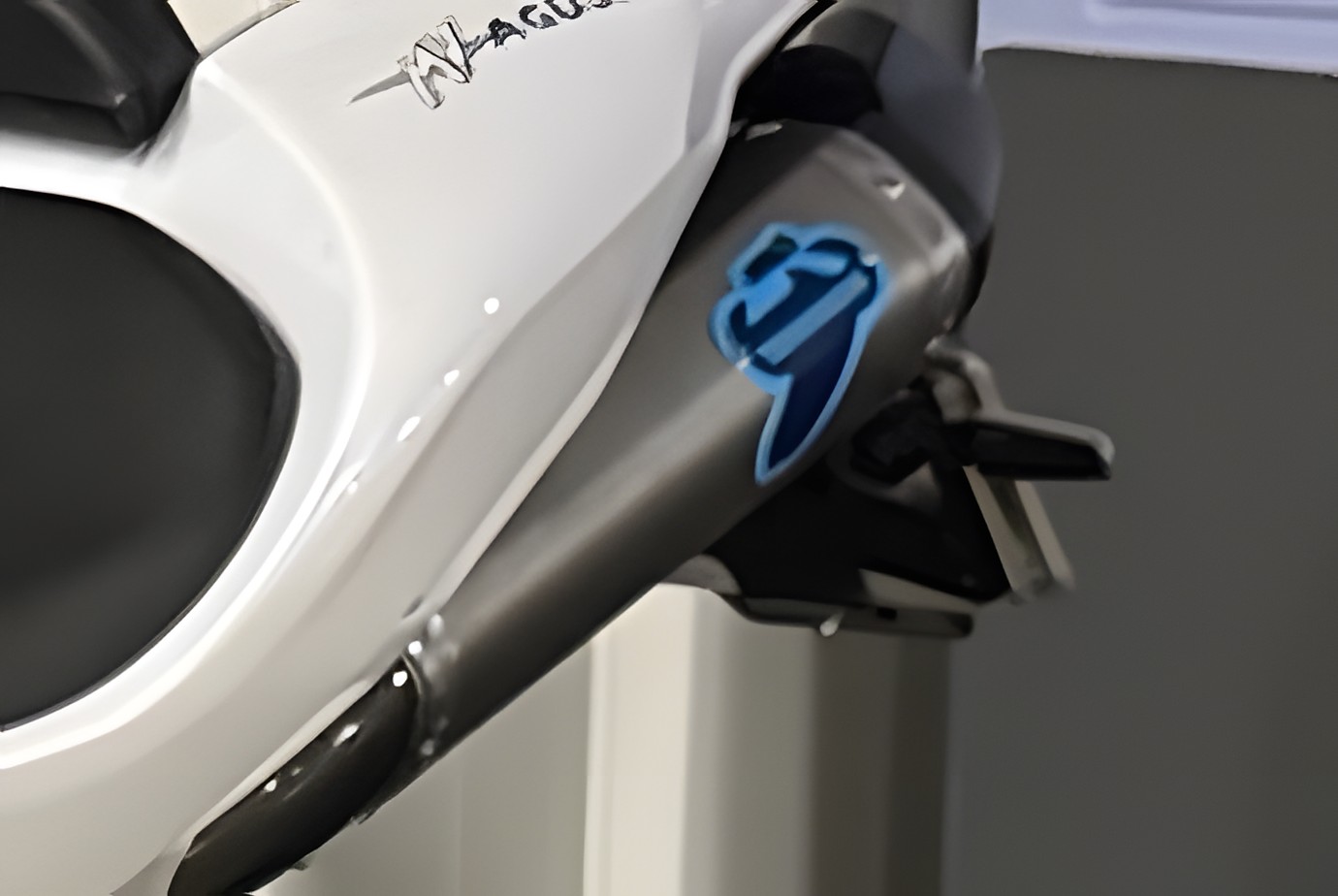
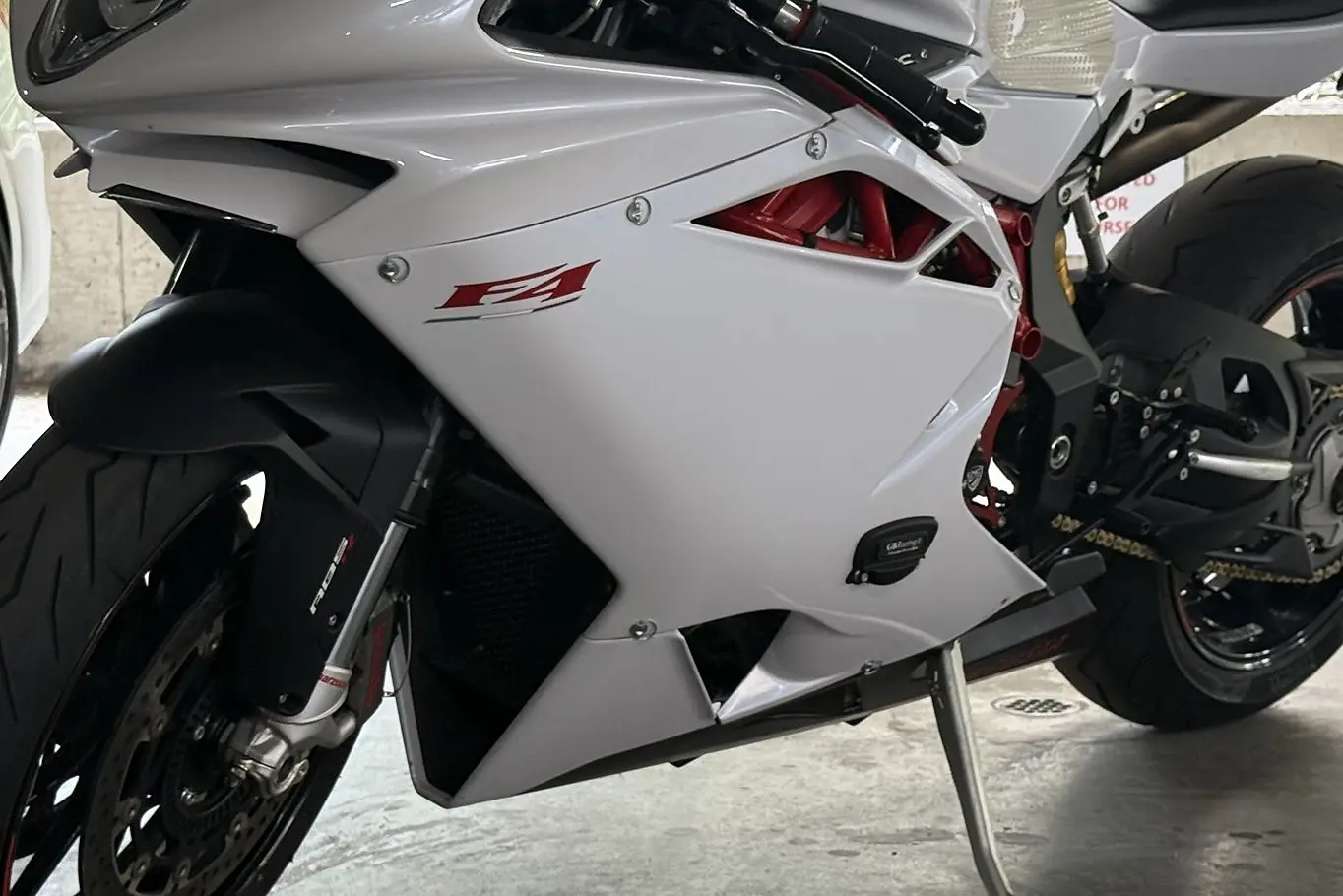
The MV Agusta F4 is a 998cc inline four with 143 kW, tuned with a performance exhaust and finished in pearl white with a red trellis frame. Its character suits the sharp corners of a hill road, where quick, precise steering and strong mid-range power let you get the bike turned and driving out of each bend.
The F4's chassis rewards a rider who keeps inputs smooth. Brake before the corner, settle the bike, turn in with light pressure on the bars and roll on through the apex. Abrupt changes of line or throttle can unsettle the bike on the tighter sections, so the aim is calm, consistent riding.
For a more forgiving bike on rough surfaces or a day with many unknown bends, the Yamaha MT-09 SP is a practical alternative, with adjustable suspension and a relaxed riding position. For sharp corners and a focused climb, the F4 is the bike we recommend for an experienced rider.
Hire rules for hill roads
Hire is self-drive from our Parramatta base, and the minimum period is three days. Riders need a full motorcycle licence that has been held for at least three years, and must be 25 or older on every bike. The F4 carries one rider, so the climb is a solo effort. Helmets (Shark, AGV or Bell) can be hired from us in small, medium or large for $50 per hire, or you can bring your own, and a helmet replacement fee applies if a helmet is lost or damaged. We do not supply jackets, gloves, pants or boots, so bring your own riding gear. Our car damage cover does not extend to bikes, a security bond is held according to the bike's class, and personal injury cover beyond compulsory third-party insurance is for you to arrange. Each bike has a tracker, and overnight it must be parked in a locked garage or secure off-street parking from 9pm until 6am.
Forest corners and the road surface
Forest corners are often shaded, and the shade keeps the surface damp for hours after rain. Leaf litter, moss and small stones gather on the outside of the bends, and they can make the front wheel slide if you lean too far or brake on them. Look ahead for dark patches and reduce your lean where the surface changes.
Bark, sticks and branches can fall onto the road, especially after wind. These pieces are hard to see at speed and can lift a wheel if you run over them at the wrong angle. Scan the road constantly, and give yourself enough room to swerve gently if an obstacle appears.
Rock cuttings and retaining walls narrow the road in places. Keep your bike clear of the edge, and avoid positioning yourself where the rock could hide a vehicle coming the other way. A wider line on the approach often gives you a better view through the bend.
- Shaded corners stay damp after rain
- Leaf litter and moss collect on the outside of bends
- Fallen bark and sticks appear after wind
- Rock cuttings hide oncoming traffic
Braking and gears on the descent
On the descents, the brakes do more work than on the climbs. Brake early and firmly enough to slow the bike, then release the lever gradually as you turn in. Avoid braking in the middle of a corner, since that can overload the front tyre and push the bike wide.
Use engine braking to share the load. Select a gear before the descent so the engine holds you back, and downshift before the bend instead of during it. A steady, moderate speed is much easier to control than repeated hard stops.
Watch for brake heat on long descents. If the lever feels soft or fades, stop somewhere safe and let the brakes cool before continuing. A little patience at a lookout can save a lot of trouble further down the hill.

Want the MV Agusta F4 for your date? Pick your dates and book the MV Agusta F4 online, or call us and we will sort it with you.
Book NowCall 0468 011 118Seasons and timing on the hills
Autumn is one of the best seasons for the hill roads. The air is cool and clear, the forest colours are attractive and the surface is usually dry. Early mornings can be misty in the gullies, so start after the fog lifts and keep your speed moderate on the shaded sections.
Spring can bring showers and damp shade, and the leaves and debris can be slippery after rain. Check the forecast before you leave and be ready to shorten the ride if the weather turns. The forest is at its greenest, and the views can be excellent after a clear morning.
Summer is warm, and afternoon storms can build over the ridges. Start early, carry water and plan to finish before the heat peaks. Winter is cool and damp, with frost possible in the valleys on still mornings. Wait for the road to dry in the sun before you ride the shaded corners.
Riding the climb with control
On the climb, select a gear that lets the bike pull cleanly without needing a sudden burst of throttle. The MT-09 SP and the F4 both deliver smooth power, but a steep grade with a tight bend at the top rewards a rider who keeps the revs in a comfortable range.
Keep your head up and look through the bend. The natural tendency is to stare at the kerb or the front wheel, but your eyes should be on the exit. The bike will follow your gaze, and a clear line through the corner makes the climb much easier to manage.
Stop at the top of the climb or at a safe lookout. Take a break, check your brakes and tyres, and let your body reset before the descent. A few minutes of rest makes the rest of the ride much more controlled.
Safety on the Central Coast hills
Dress for the hills and the weather. A properly fitted helmet, an armoured jacket, gloves, long trousers and boots that cover the ankle protect you from both the surface and the weather. A windproof layer helps on the exposed ridges, where the wind can cut through a thin jacket.
Wildlife can appear on forest roads, particularly at dawn and dusk. Slow down near the edges of the trees, and watch for movement in the undergrowth. A bike has much less margin than a car when an animal steps onto the road.
Ride sober and rested. Any ride 30 km/h or more above the posted limit ends the hire, and the bond is not returned. If we judge a rider unsafe, we may stop the hire, and we would prefer that decision made before the climb begins.
A day of sharp turns and steady nerve
The Mount White ride is a test of line, balance and calm. The corners reward a rider who reads the road early, chooses a clean line and keeps the bike settled. Take your time, rest at the top and enjoy the forest on the descent.
The MV Agusta F4 is a strong choice for experienced riders who want a sharp machine on tight hill roads, provided the pace stays measured and the focus stays on the surface.
If a day of forest corners and a steady climb sounds like your kind of ride, the MV Agusta F4 can be booked with us, and we will talk through the route and the braking plan before you leave.
Frequently asked questions
Is Mount White suitable for a less experienced rider?
The corners are tight and the surface varies, so the road suits riders who are comfortable with sharp bends and steady braking. Less experienced riders can build confidence on quieter sections and ride within their ability throughout.
Which bike suits the hill corners best?
The MV Agusta F4 is sharp and precise through tight bends, and it suits experienced riders. The Yamaha MT-09 SP is a more forgiving option on rough surfaces and unknown corners, with adjustable suspension and a relaxed riding position.
When is the best time to ride Mount White?
Autumn is usually the most comfortable season, with clear, cool air and dry roads. Spring can be showery and damp under the trees, summer brings afternoon storms, and winter is cool with frost possible in the valleys.
How should I brake on the descent?
Brake early and firmly enough to slow the bike, then release the lever gradually as you turn in. Use engine braking to share the load, and stop to let the brakes cool if the lever begins to feel soft.
What should I watch for on shaded corners?
Shaded sections stay damp for hours after rain, and leaf litter, moss and small stones gather on the outside of bends. Reduce your lean on dark patches, avoid braking mid-corner and watch for debris after wind.
Do I need to check conditions before riding?
Yes. Check current road conditions with Transport for NSW before you leave, since fallen trees and roadworks can close or narrow hill roads. A quick check at home helps you plan a safe route.
Ready when you are. Pick your dates and book the MV Agusta F4 online, or call us and we will sort it with you.
Book NowCall 0468 011 118