

Book the MV Agusta F4. Pick your dates and book the MV Agusta F4 online, or call us and we will sort it with you.
Book NowCall 0468 011 118On a bright afternoon the sun can turn a good road into a hard one, sitting low on the horizon and flooding your visor with light. The direction you ride matters as much as the bend you are taking. This guide explains how to read the sun across the seasons, which routes out of Sydney put it squarely in your face, and how to plan a loop that keeps the glare behind you when the light is at its lowest.
Still choosing a bike? Start with our guide to motorcycle hire in Sydney, which sets out the licence, age and pillion rules.
Why the sun, not the map, should set your direction
Most riders plan a route by distance, time and scenery, then find out about the sun only when they are already squinting into it. A road that looks perfect on a map can become tiring within minutes if it runs straight toward a low sun, because the glare hides the surface, flattens the contrast between tarmac and shadow, and makes every oncoming car harder to read.
Think of the sun as another piece of traffic. It moves across the sky all day, and its position relative to your heading changes the moment you turn a corner. Before a long ride, sketch the first and last hours of your route and note the compass direction of each leg. That simple exercise tells you where the glare will come from and lets you adjust the loop before you leave the driveway.
Glare is not only a comfort issue. Each time you squint, your attention drops from the road ahead to the light, and the gap between seeing a hazard and reacting to it grows. Riders who plan for the sun tend to ride more smoothly, brake earlier and keep a better margin around other vehicles.
What low sun does to your visibility
When the sun sits only a few degrees above the horizon, its light arrives almost flat across the road. A pothole, a patch of gravel or a painted line can disappear into the glare, and shadows from trees fall across the lane in long dark bars that look like a surface change. In those conditions, the road ahead is harder to read, even if the tarmac is in perfect condition.
Your visor and eyewear become part of the problem. A scratched or dirty visor scatters light, and a tinted visor that works well at noon can be too dark once the sun drops. Keep the visor clean, carry a spare clear option for the late afternoon, and never ride with a visor so dark that you cannot see the edges of the lane clearly. Clean the inside too, because fog and fingerprints gather quickly on a warm day.
Oncoming traffic is harder to judge in glare. A car approaching with its headlights on can blend into the sun behind it, and a motorcycle is smaller and lower than most drivers expect to see. Slow your approach through the sunny sections, look well ahead, and assume that other road users may not have seen you before you commit to a corner.

Reading the sun across the seasons
The sun's path changes with the seasons, so a route that is clear in summer can be glaring in winter. In the warmer months the sun sets late and stays high for longer, which pushes the low-angle glare into the evening. In winter the sun sets early and sits lower all afternoon, so the glare can begin well before the timetable you had in mind.
The practical lesson is to base your timing on the season, not on a fixed clock time. In autumn and spring, a mid-afternoon run westward may still be comfortable, while in deep winter the same road can be glaring by late morning on some sections. Check the sunset time for the day you plan to ride and work backwards from there, leaving a margin so that the sun is never directly ahead of you on the most demanding corners.
Season also shapes the surface. Winter mornings and shaded hollows can hold damp patches, and a low sun on a wet road can reflect in a way that hides the true grip. Plan the bright sections for when the road is dry, and treat any shaded stretch with extra care, however clear the afternoon looks.
Head east late, west early
A simple rule helps many riders choose a direction. When you are heading west or south-west in the late afternoon, the sun sits in front of you, so the glare can be severe. When you are heading east or north-east, the sun is behind you and lights the road ahead without blinding you. Where possible, plan the afternoon leg of your ride so that it runs toward the east, and save the westward run for the morning.
This rule is not absolute, because the roads do not always run in straight lines. A road may swing around a headland or turn back on itself, and for a few kilometres you may be riding directly into the sun even on an eastward route. Use the rule as a starting point, check the bends on the map, and be ready to shorten a section if the light is too strong.
Practical loops often combine both directions. Ride westward in the morning when the sun is lower but still behind you on the return leg, then head back toward the coast in the afternoon. A route built this way keeps the light on your side and makes the afternoon feel relaxed rather than tiring.
Coastal runs and the afternoon light
The coast offers some of the best riding near Sydney, and its roads run in many directions. The Grand Pacific Drive, which curves around the cliffs south of the city, turns sharply in places, so the sun may be ahead of you on one bend and on your side on the next. Riding south in the late afternoon tends to keep the sun to your left, while the cliff-top corners can still throw light straight into your line of sight at the right moment.
Further south along the Illawarra, the roads often head toward the water in the morning and turn inland later, which means the afternoon glare can arrive earlier than you expect. Watch the sea horizon as a guide. When the sun is sitting over the water ahead of you, the glare will be strongest, and it is a good time to tuck in behind a car at a comfortable distance or to slow down through the bends.
Coastal shade can be a surprise too. Cuttings and rock faces shadow the road for long stretches, and the change from bright glare into deep shade can briefly blind you as your eyes adjust. Slow down before you enter a shadowed section, keep your visor clear and look ahead to the next light patch before you reach it.
Want the MV Agusta F4 for your date? Pick your dates and book the MV Agusta F4 online, or call us and we will sort it with you.
Book NowCall 0468 011 118Hinterland runs and the mountain light
Inland, the Great Western Highway heads west toward the Blue Mountains, and it is one of the most obvious glare routes from Sydney. Riding that road in the late afternoon means the sun sits almost directly ahead on the long straights, and the traffic can be heavy on weekends. Plan that leg for the morning, when the light is gentler, and save the return for later in the day.
The mountain country adds its own challenges. Ridges and tall trees can block the sun for part of the afternoon, then leave you with a sudden burst of light as you round a corner. The change is quick and can be disorienting, so ride steadily through these transitions and keep your eyes on the road surface rather than the bright patch ahead.
Villages in the hills make useful places to pause when the light is strong. A short break in shade, a drink and a few minutes to clean the visor and reset your eyes can make the rest of the afternoon far more comfortable. Choose stops with a clear view of the road you are about to ride, so you can watch the traffic and the light before you set off again.
Gear and preparation for bright light
Good gear makes glare easier to manage. A helmet with a clean, well-fitting visor is the foundation, and a second visor in a clear or lightly tinted option gives you a choice when the light changes during a long ride. Gloves that let you work the controls while keeping your hands warm in winter and cool in summer also help, because discomfort pulls attention away from the road.
Pack your gear to suit the route you have chosen. A thin neck layer, a light jacket for shaded or cooler sections and a small cloth for the visor are sensible additions to any day trip. Keep spare eyewear in a case rather than a pocket, so it does not get scratched or lost.
Check the visor before you ride, every time. A small chip or scratch can flare in strong light and cause a sudden glare that is hard to ignore. Replace a damaged visor rather than riding with it, because a scratch you ignore today can become a blind spot on the bend that matters most.
The hire rules that apply to a planned route
Three rules shape how you can plan a route from our base. Hire runs for a minimum of three days, so a route built around glare can be spread across several days rather than squeezed into one. Overnight, the bike must be kept in a locked garage or secure off-street parking between 9pm and 6am, which matters when a sunset ride ends late. The optional damage cover offered on cars is not available on bikes, and a security bond is held, set by the class of bike.
Book the MV Agusta F4 for a sun-smart morning run
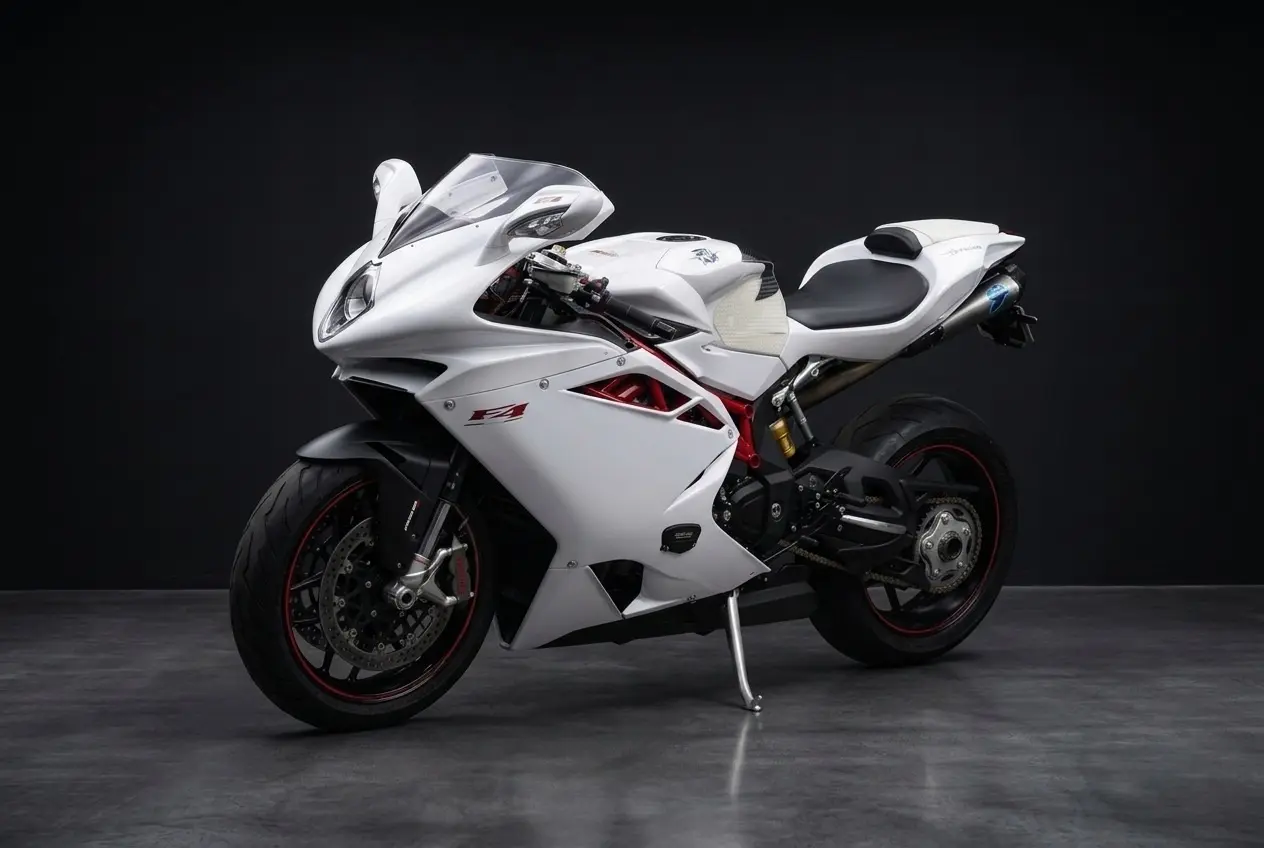
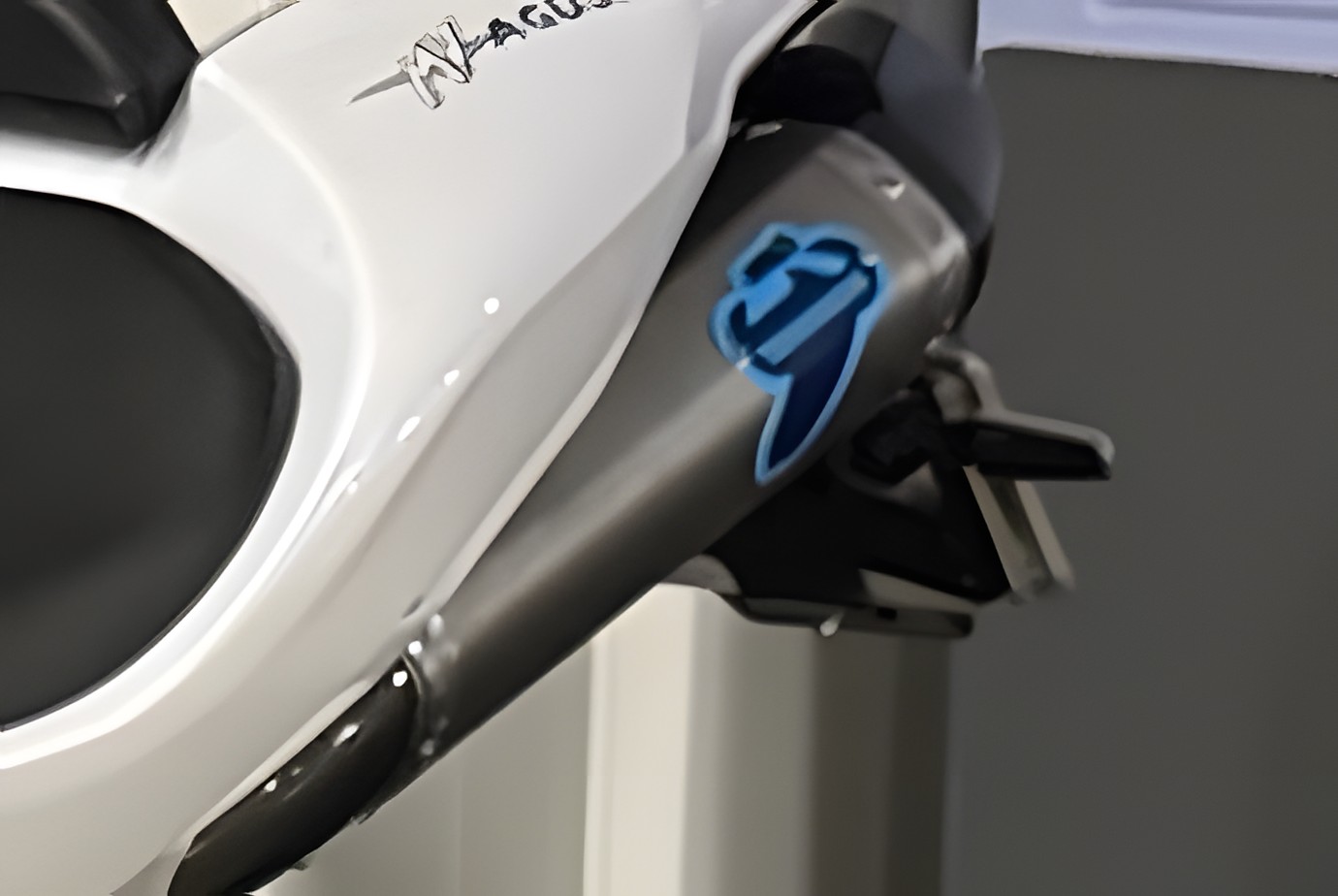
For riders who like to plan their light, the MV Agusta F4 is a satisfying machine. Its 998cc inline four and pearl white finish with a red trellis frame make it a bike that rewards a clear, well-planned day on the road. Its performance exhaust gives the engine a distinctive voice, and a smooth morning run with the sun behind you is an ideal way to enjoy it.
Plan your loop with the sun in mind, pick a route that keeps the glare on your side, and set off in good light. When you are ready to lock in your dates, you can book the MV Agusta F4 here: book the MV Agusta F4. Ride within your ability, and before you set out, confirm the state of the road with Transport for NSW.
Frequently asked questions
Why does the afternoon sun matter so much on a motorbike?
A motorbike rider is more exposed to glare than a car driver, because the visor and eyewear are the only barriers between the eyes and the light. Low sun can hide potholes, gravel and shadows, and it can make oncoming traffic harder to see. Planning a route that keeps the sun behind you, or off the most demanding bends, is one of the simplest ways to ride more safely and comfortably.
Which direction should I ride in the afternoon?
As a general guide, head east or north-east in the afternoon so the sun sits behind you, and save westward runs for the morning. Roads do not always follow straight lines, so check each bend on the map before you commit. A loop that heads west early and returns east later is a practical way to keep the light on your side for most of the day.
Does the season change the glare?
Yes. In summer the sun stays high and sets late, so glare tends to arrive in the evening. In winter the sun sits lower and sets early, so it can glare for much of the afternoon. Check the sunset time for the day you plan to ride and work back from it, leaving a margin so the sun is never straight ahead on the most demanding corners.
What visor should I use in low sun?
Carry a clean, well-fitting visor and, where possible, a second option in a clear or lightly tinted finish for changing light. Never ride with a visor so dark that you cannot see the edges of the lane clearly. Replace a scratched or chipped visor before you ride, because scratches scatter light and can cause sudden glare that is hard to manage on a bend.
How do I handle shade after bright sun on a coastal road?
Sudden changes from bright light into deep shade can briefly reduce your vision as your eyes adjust. Slow down before entering a shadowed section, keep your visor clear, and look ahead to the next patch of light before you reach it. Take extra care with damp shade, because a surface that looks dry in the sun can still hold moisture in the shadows.
Is it safer to ride in the morning or the afternoon?
Both have trade-offs. Mornings can bring cold air, frost in the hills and damp patches in the shade, but the sun is usually behind you on eastward legs. Afternoons offer warmer conditions but more glare, heavier traffic on some routes and a higher risk of fatigue. Choose the window that suits the route, the season and your own riding, and leave margin for a slower pace.
Ready when you are. Pick your dates and book the MV Agusta F4 online, or call us and we will sort it with you.
Book NowCall 0468 011 118