

Book the MV Agusta F4. Pick your dates and book the MV Agusta F4 online, or call us and we will sort it with you.
Book NowCall 0468 011 118Country highways rarely offer one surface for long. Fresh seal gives way to worn bitumen, a patch of gravel appears on a bend, and a shaded stretch stays damp long after the open road has dried. The MV Agusta F4 rewards a rider who reads these changes early and adjusts in time, rather than reacting at the last second. This guide shows how to spot the signs ahead, how to set your speed and line, and what to watch for along the way.
New to riding with us? Our page on motorbike hire in Sydney covers the bikes, the rider rules and how pick-up works.
Why surface changes catch riders out
Most surface problems are not dramatic. A slightly different colour in the bitumen, a shadow across the road or a faint shine on the surface can all signal a change in grip. The danger comes when a rider only notices the change once the bike is already leaned over. Reading the road early turns a potential surprise into a manageable adjustment.
Surface changes on country highways often come from maintenance work, weather, heavy vehicles or simple age. A recently resealed section may be slick until it has bedded in, while an older stretch can be polished smooth by years of traffic. Each type of surface demands a slightly different approach, and the rider who notices the difference early is better placed to ride safely.
The F4 has a sporting character, so it is tempting to carry speed into a bend without checking the surface first. A calm habit of scanning the road ahead, watching the verges and reading the colour and texture of the tarmac pays off on every kilometre. Make the scan part of every bend, not just the ones that look suspicious.
Reading the signs ahead
Look well ahead, ideally through the next two or three bends, and treat the road as a sequence of information rather than a single view. Pale, fresh seal often indicates a recent reseal that can be slippery for a short time. Dark, glossy patches may be polished by traffic, and dull, grainy patches can be older, rougher bitumen that offers good grip when dry but less when wet.
Gravel is the most important sign to spot. Loose stones on the apex of a bend, a light dusting across the lane or a line of debris at the edge of the seal all warn you to slow down. Gravel often gathers where vehicles brake or turn, so the inside of a bend and the edges of the road need particular attention.
Watch the shoulders as well as the centre. Patches of broken seal, potholes and drain covers can sit close to the edge, and a rider who keeps a safe distance from the edges has more room to correct a line. Shadows from trees also hide wet patches and leaves, so slow down where the light changes suddenly.

Adjusting speed and line in time
When you spot a change, begin adjusting well before the bend. Ease off the throttle smoothly, use the brakes in a straight line if you need to slow down, and let the bike settle before you lean. Avoid braking while leaned over, because a change in surface during that moment can unsettle the bike quickly.
Choose a line that keeps the bike on the best part of the surface. Where gravel sits on the inside of a bend, a wider line may be safer, though it must still leave room for oncoming traffic. Keep the bike upright where possible, and let the tyres find their grip without sudden corrections.
Once you have passed the change, roll on the throttle gently and check how the bike responds. If the grip feels firm, you can gradually return to your normal pace. If the surface still feels uncertain, keep your speed lower for a few more bends until you are confident again.
Country highway character: corners, traffic and crowds
Country highways mix long, open sections with tighter corners and short straights where the road follows a valley or a creek. The MV Agusta F4 shines on the open stretches, but the bends are where surface awareness matters most. Keep your speed controlled through the corners and avoid overlapping them with heavy braking.
Traffic on country highways varies. Heavy trucks use the route regularly and can throw up spray or debris, while farm vehicles may enter the road from gateways without much warning. Keep a generous gap behind trucks, and be ready for vehicles to slow or pull out near the entrances to properties.
Weekends bring more tourists and touring groups, particularly on routes that lead to popular towns or lookouts. Expect caravans, cyclists and drivers who are unfamiliar with the road. Overtake only where the view ahead is clear and long, and keep your speed within the posted limit so the traffic around you stays predictable.
Best time of day and season for changing surfaces
Surfaces are easiest to read in good light. Early mornings and late afternoons give you low sun, which shows up shine, gravel and patches of wet tarmac more clearly. Midday glare can hide small hazards, so take extra care on bright, hot afternoons.
Autumn and spring are the most comfortable seasons for reading the road, with mild weather and fewer dust or wet-leaf hazards. Summer heat can soften some bitumen surfaces and draw dust across the road, while winter dampness can leave shaded sections wet and slippery for longer.
Check the forecast before you leave, and pay particular attention to rain, because it changes the grip of almost every surface. Check road conditions with Transport for NSW before leaving, especially after storms or when resurfacing works are underway. A surface that feels fine in the dry can become treacherous in the wet, so slow down early.
Want the MV Agusta F4 for your date? Pick your dates and book the MV Agusta F4 online, or call us and we will sort it with you.
Book NowCall 0468 011 118Fuel, food and rest stops along the highway
Fuel stops on country highways are spaced further apart than in the city. Top up before the open country, and note the next station as you ride. A rider who keeps an eye on the fuel level avoids the stress of searching for a station on a quiet road.
Food stops are best in the country towns, where you can park the bike off the road and enjoy a relaxed meal. Choose a spot with room to park safely and a clear view of the traffic. Keep the meal light and drink water through the day, especially when the weather is warm.
Stop at least once an hour to rest your eyes and reset your focus. Surface reading is tiring, and a fatigued rider misses the signs that matter most. Never ride after drinking alcohol, and if you feel tired, find a safe place to rest before continuing.

Rebuilding confidence after a tricky patch
A tricky patch can leave a rider tense, and tension makes any bike harder to manage. After passing a gravel section or a slippery bend, take a few hundred metres to settle. Loosen your grip on the bars, relax your shoulders and look ahead rather than at the surface that just caught you out.
Use the next straight to check how the bike feels. Notice whether it tracks cleanly, whether the brakes respond evenly and whether your line still feels natural. If anything seems off, slow down further and find a pull-off, rather than pressing on in the hope that it settles by itself.
Then ease back into your pace gradually. A steady build-up is far safer than returning to full speed the moment the road looks clear. Many riders find that a short pause at the next lookout or quiet verge is the best way to reset before the next stretch of country road.
Rules, gear and safety on country highways
Three points apply to this route. Only one rider can take the MV Agusta F4, since it is a single-seater, so there is no passenger to plan for. Trackers are fitted to all our bikes, and the hire can be ended if we judge a rider unsafe. Riders should hold a full motorcycle licence that has been held for at least three years, and be aged 25 or over.
Gear matters on any surface. Wear a helmet that fits well, gloves for a firm grip, boots with firm soles and ankle support, and a jacket with armour in the right places. Choose bright or reflective elements if the ride runs into the early morning or late afternoon.
Watch for wildlife at dawn and dusk, particularly where bush meets the road. Slow down in those windows, keep your eyes on the verges and ride within your own ability. Let someone know your route and expected return time, and carry a basic repair kit for longer trips.
Plan a confident highway ride on the F4
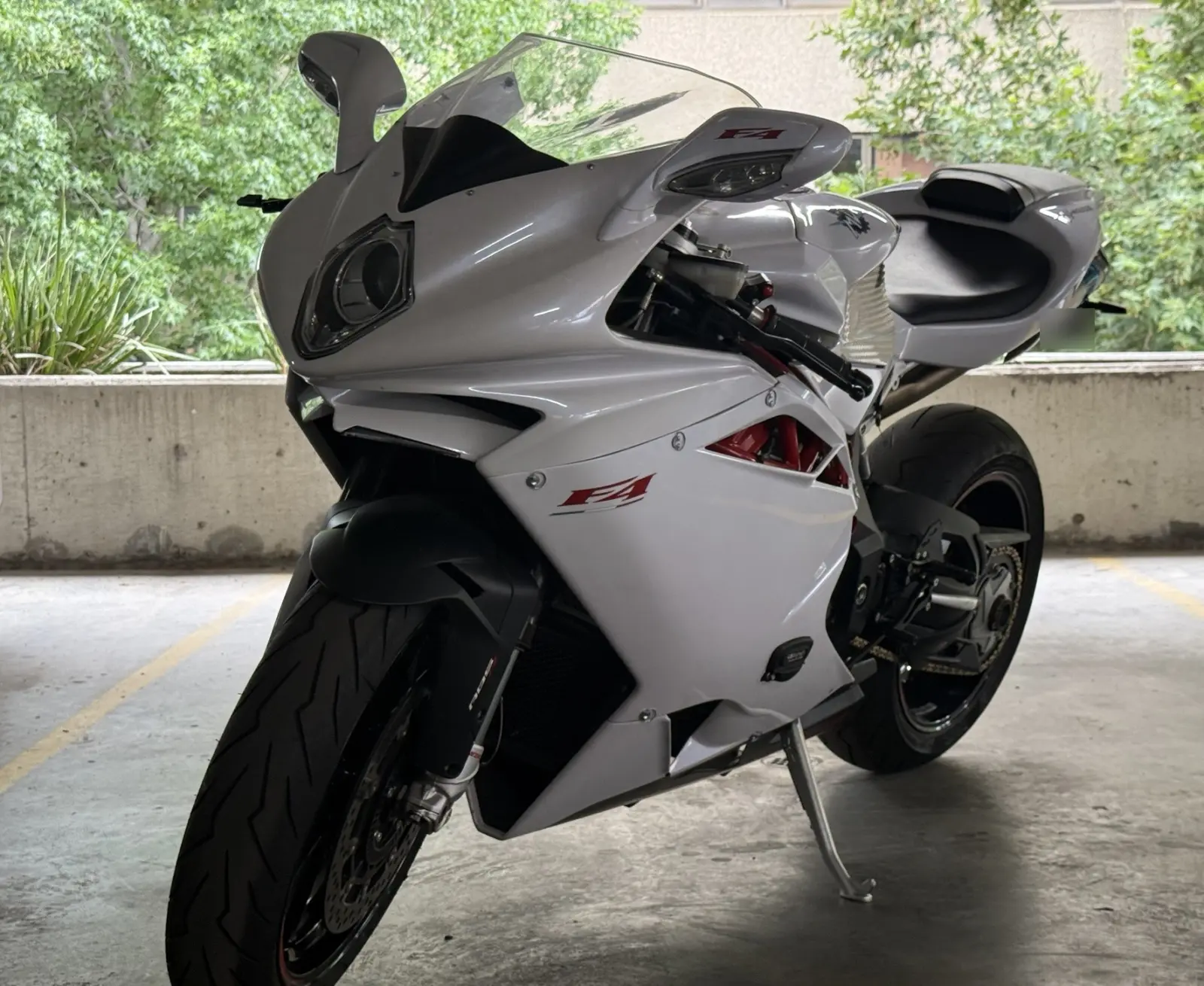
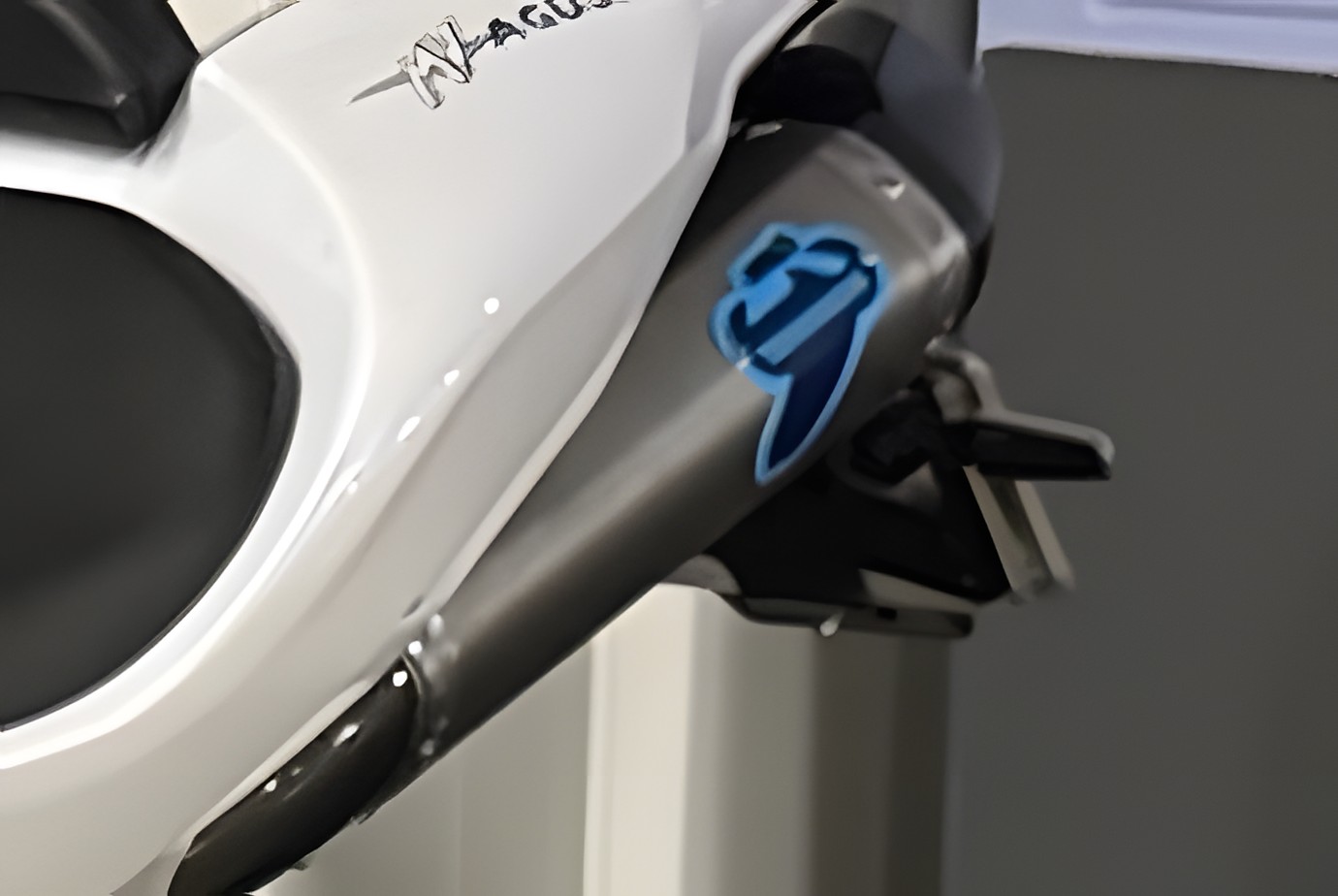
The MV Agusta F4 suits a rider who likes to read the road and respond with precision. Its sharp handling and performance exhaust reward smooth inputs, and the bike feels most rewarding when the rider has taken the time to understand the surface beneath it.
Before you book, confirm your licence and age, plan a route that suits your experience and build in regular stops. A three day hire gives you room to explore a country highway without rushing, and it lets you adjust the plan if the surfaces or weather change.
When you are ready, reserve the MV Agusta F4 and plan your next country highway run. Our team in Parramatta can help you think through the route and the bike before you set off.
Frequently asked questions
How can I tell a fresh reseal from an older surface?
Fresh seal is usually darker, smoother and may have a slight sheen, while older bitumen can look grey, grainy and worn. A new reseal can be slippery for a short time, so treat it cautiously until it has bedded in. Look at the edges of the lane as well, because patched sections often show the difference clearly. When in doubt, slow down and let the bike tell you how the grip feels.
What should I do if I hit gravel mid-bend?
Stay calm, ease the throttle gently and keep the bike as upright as you can. Avoid grabbing the front brake or making a sudden steering input, because that can cause a slide. Let the tyres regain grip, then continue at a slower pace. If the bike feels unsettled, look where you want to go rather than at the gravel, since your eyes guide your body and the bike.
Are shaded sections more dangerous after rain?
Yes. Shade keeps the tarmac damp long after the open road has dried, and leaves or moss can collect in those areas. Slow down before you enter shaded bends, keep your weight relaxed and avoid braking while leaned over. Watch for changes in colour that signal wet patches. A patient approach through shade is always safer than a fast one.
How much distance should I leave behind a truck?
Keep a generous gap behind any truck, especially on rough or wet surfaces where spray and debris can rise from the wheels. Trucks need more room to stop, and their wheels can throw up gravel from the verge. Pass only when the road ahead is long and clear. If the truck is slowing or stopping, increase your gap further and avoid riding alongside it.
Can I ride the MV Agusta F4 on unsealed country roads?
The F4 is a sporting machine designed for sealed roads, so unsealed or gravel-heavy routes are not the right test for it. If your plan includes unsealed sections, talk with our team before booking so we can advise whether the bike suits the route. Stick to sealed highways with good surfaces and keep your speed in check where loose material is likely to appear.
What should I check before setting off on a highway ride?
Check the forecast, the fuel level, your tyre pressures by eye and your mirrors. Confirm your gear is fitted and comfortable, and that you know the route and the next fuel point. Look at the sky and think about how the surface may change with the weather. A short check at the depot takes minutes and can prevent problems on the open road.
Ready when you are. Pick your dates and book the MV Agusta F4 online, or call us and we will sort it with you.
Book NowCall 0468 011 118