
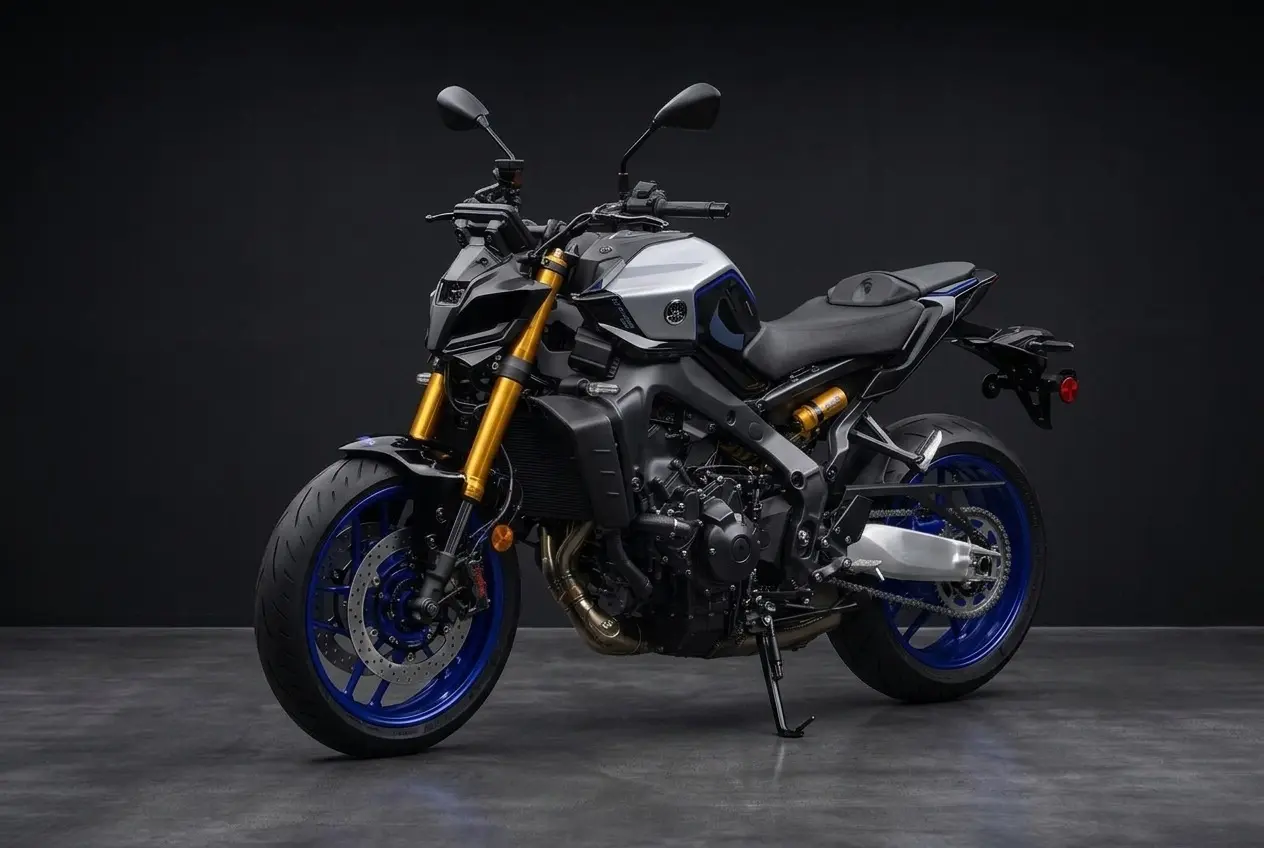
Book the Yamaha MT-09 SP. Pick your dates and book the Yamaha MT-09 SP online, or call us and we will sort it with you.
Book NowCall 0468 011 118Mount Wilson is one of the most rewarding short rides off Bells Line of Road, with cool forest, quiet village streets and views across the ranges. It is also a place where winter can turn a pleasant morning into a hazard. Ice can form on shaded bends, fog can roll across the ridge within minutes and some roads feel barely wide enough for two cars. This guide sets out what to watch for and how to ride with enough margin to keep the day safe.
Still choosing a bike? Start with our guide to motorcycle hire in Sydney, which sets out the licence, age and pillion rules.
Read this first: the two rules that apply here
Before anything else, know the rules that apply to every ride with us. You need a full motorcycle licence, held for at least 3 years, and you must be 25 or over on every bike. Riding 30 km/h or more over the posted limit ends the hire and the bond is forfeited, so a cold, tired rider who is tempted to make up time on the descent is putting the whole booking at risk. Keep both points in mind for the whole of this route.
Those rules sit alongside a plain truth about the mountains. A rider who respects the posted limit still needs to slow down for conditions that the limit does not reflect, such as frost, fog and a road that has turned slippery overnight. The posted limit is the ceiling, not the target, and on a winter morning the safe speed can be well below it.
Why Mount Wilson behaves differently from the valley
The road to Mount Wilson climbs into cooler air, and the change happens quickly. A ride that starts warm and dry in the valley can arrive at the village with frost on the shaded verges and a damp surface under the trees. The temperature drop is the first thing to plan for, because it affects grip, visibility and how quickly your hands and feet become numb.
The forest shade is the second factor. Trees cover parts of the route, and the sun reaches the road late in the morning or not at all in the deepest bends. Those patches stay cold and damp long after the open sections have dried, which means the surface can change from dry to slippery within a few hundred metres. Read the road as you approach each shaded section rather than assuming the last one is representative.
Black ice and frost on shaded bends
Frost and black ice are the most serious winter hazards on this route. Black ice is thin, clear and almost invisible, and it forms most easily in shaded bends and low spots where the cold air settles. The first sign is often the bike feeling unsettled as you lean, or a tyre that seems to slide for a moment without warning. Treat any sign of unease as a reason to slow down and stop.
Good habits make the difference. Ride in the warmer part of the day when you can, and wait until the sun has reached the open sections before you commit to a corner. Keep your inputs smooth, with gentle throttle and light braking, and avoid sudden changes of lean. If a patch looks white or glassy, it may be frost, and it is best to go around it with a steady line rather than risk braking on top of it.
Do not rely on the bike's grip to save you from a cold start. Let the bike warm properly and check the tyres for pressure before you set off, because cold air lowers the pressure and changes the feel of the tyre. A few extra minutes at the start of the day buys a lot of confidence on the first shaded corner.
Fog that arrives without warning
Mountain fog can thicken in minutes. A clear road can disappear into grey cloud over a short climb, and the visibility can drop to a few car lengths before you realise what is happening. The risk is highest in the early morning and in the hours after rain, when the air is saturated and the ridge holds the cloud.
When fog comes in, drop your speed right away. Switch your focus to the edge of the lane and the white line, use the rhythm of the road to keep your line and keep your distance from the vehicle ahead. Do not follow tail-lights too closely, because a sudden stop in fog can catch you out. If the fog is dense enough that you cannot see the road ahead, pull off somewhere safe, well clear of the traffic, and wait for it to lift.
Visibility is also affected by your own kit. Keep your visor clean, carry a cloth and check for scratches that catch the light. A fogged visor or a dirty screen can turn a manageable mist into a genuinely dangerous moment, so inspect the kit before you ride and keep a spare cloth in a pocket where it is easy to reach.
Narrow village roads and the lack of passing places
The roads around Mount Wilson are narrow and winding in places, and some of them offer few passing places. A van or a tour coach can take up most of the lane on a blind bend, and a rider who meets it head on has very little room to move. Plan the route so that you stay on the main roads you know and ride them at a pace that leaves space for oncoming traffic.
Use every gap wisely. Slow down before a blind bend and look ahead for signs of approaching vehicles, such as dust, a change in engine noise or a sudden flash of light. Choose your position in the lane carefully, keeping away from the verge where gravel and leaf litter collect. If you need to pass a slow vehicle, do so only where the road is clear and the sight lines are long, and never on a bend.
Narrow roads demand patience. The temptation to hurry up behind a slow car is strong, but the risk is not worth taking on a cold, damp road. Hang back, enjoy the view and wait for a clear section, because the forest will still be there when you get to a wider stretch.
Wildlife at dawn and dusk on the tops
Wildlife is at its most active at dawn and dusk, and the tops around Mount Wilson are good habitat for kangaroos, wallabies and wombats. Animals move out to feed as the light changes, and they can step onto the road with very little warning. The forest edge is the most common place for a sudden appearance, particularly where the road is shaded.
Ride with the expectation of animals in the verges. Slow down in the last hour of light, scan both sides of the road constantly and keep your speed low enough to stop safely if something appears. Avoid swerving sharply, because a rider who loses control to avoid one animal can cause a far bigger problem. Braking in a straight line is the usual response, and the earlier you start, the better.
If you ride at dusk, treat the ride as a more demanding one rather than a forbidden one. There is no ban on riding at this time, but the combination of fading light, cold air and active wildlife asks for extra caution. Use the warmer hours of the day for the most challenging sections, and leave the descent for the daylight.
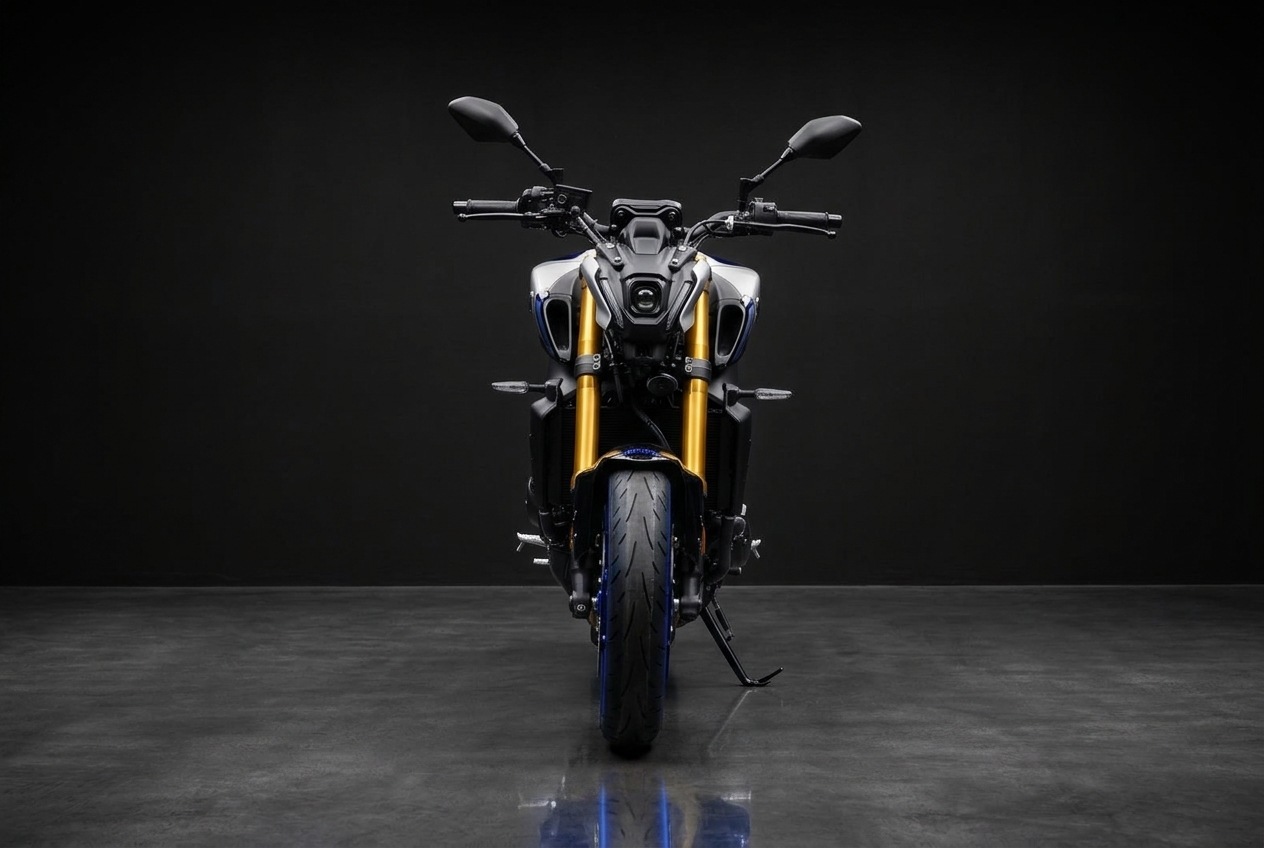
Want the Yamaha MT-09 SP for your date? Pick your dates and book the Yamaha MT-09 SP online, or call us and we will sort it with you.
Book NowCall 0468 011 118Dress for cold, damp and wind
Gear is the first defence against cold. A helmet that fits well, an armoured jacket, gloves that keep your fingers working and boots that cover the ankle form the core of your kit. In winter, add a thermal base layer, a warm mid layer and a windproof outer shell, so you can adjust as you move between the valley and the tops.
Keep your hands and feet warm, because numb fingers and toes are slow to respond. Pack warm gloves and consider a second pair for the return.A cold rider loses concentration faster, and the descent from the tops is where a loss of focus can be most dangerous. Warm up at a cafe stop before the last leg.
Waterproofing matters on a damp morning. A light waterproof layer packed in a pocket will save you from a shower and keep the cold wind from getting through the seams of your jacket. Check the zips and fastenings before you set off, because a gap at the wrists or the collar can let in enough cold air to make a long ride miserable.
Fatigue, cold and the stopping plan
Cold is tiring, and tiredness shows up as slower decisions, delayed braking and a loss of smoothness on the bike. A plan that includes regular stops keeps both your body and your concentration in better shape. Aim to stop roughly every hour and a half, even when you feel fine, and treat any drop in alertness as a clear signal to pause.
Choose stops that let you warm up properly. A small town or cafe in the valley gives you a warm seat, a hot drink and a chance to check the bike away from the cold. Avoid stopping for long on a shaded verge, because the cold can settle quickly once you stop moving.
If you feel unwell or unusually tired, stop and rest somewhere safe, even if you are only a few kilometres from your destination. Alcohol has no place in this plan. Riders should never drink before or during a ride, and the cold can make the effects of any drink feel stronger than expected.

Best time of year, crowds and road character
Autumn and spring are the most comfortable seasons on the tops, with cooler mornings, mild afternoons and clear views across the ranges. Winter brings the greatest hazards, with frost on the shaded bends, fog in the early hours and short daylight, so ride later in the morning and leave early for the valley. Summer is pleasant in the forest but can still be warm on the valley approach, so ride early and carry water.
Road character shifts across the route. The approach from the valley is generally smooth with long views, while the village roads are narrower and more intimate, with shaded corners and few passing places. The surface can change quickly in the trees, so keep your eyes on the road ahead rather than on the scenery when you are in the forest.
Expect tourist and weekend crowds on fine days, particularly on Saturdays and public holidays. Visitors stop at the lookouts and the village, sometimes without warning. Midweek riding is quieter and the roads feel more open, which makes the bends easier to read and the pace easier to control. Arrive early on busy days to find a calm stretch of road before the traffic builds.
Ride the tops safely and book the Yamaha
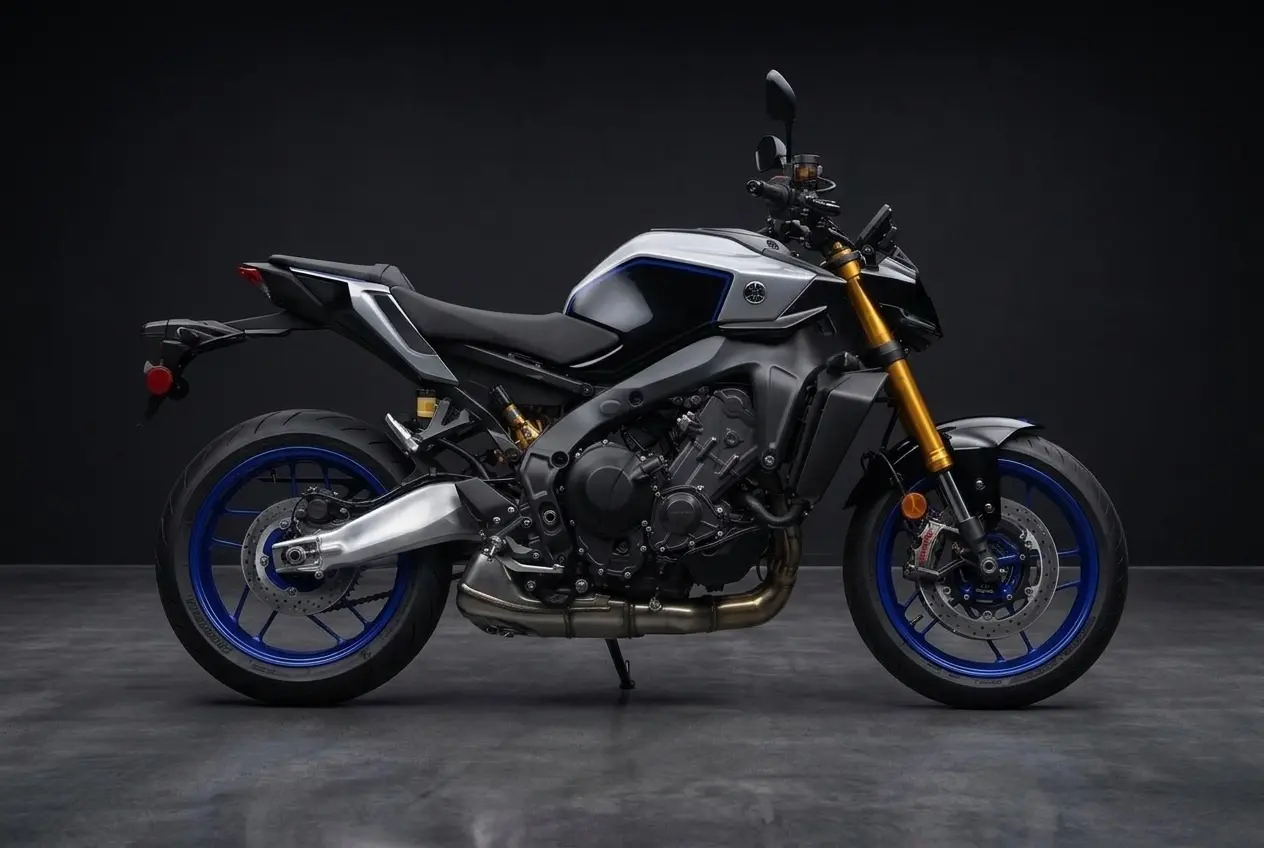
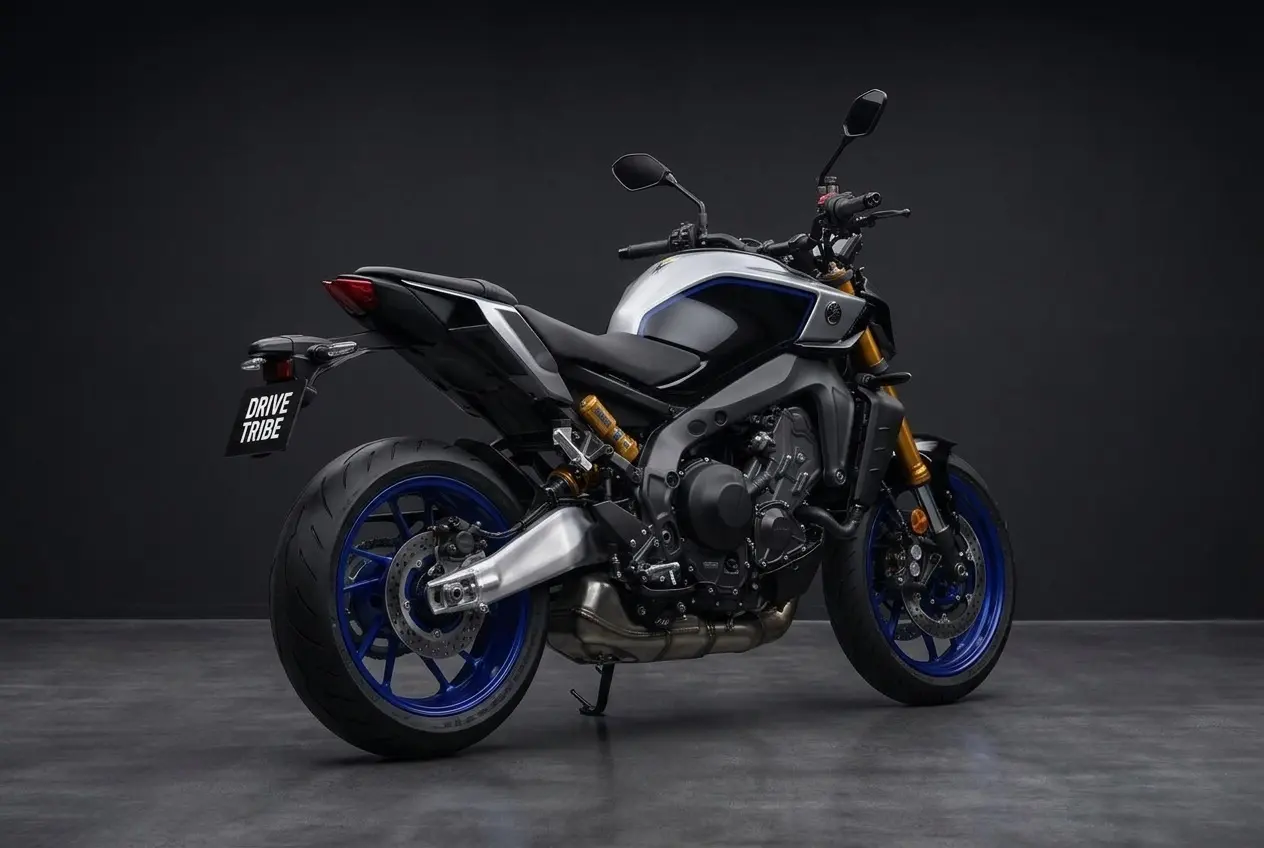
The Yamaha MT-09 SP is an inline three performance naked bike with premium adjustable suspension, gold front forks and strong brakes. Those qualities give you confidence when the road turns cold and the surface demands care, because strong brakes help you slow in a controlled way on the descents. Pick a suitable day, plan your stops and ride within your own limits.
Please check road conditions with Transport for NSW before you leave, because closures, roadworks and winter conditions can change the route at short notice. If the forecast shows frost, fog or heavy rain, consider moving the ride to a clearer day. A good plan on a cold morning is one that you are happy to change.
When you are ready to ride the tops, the Yamaha MT-09 SP page is the place to start. Pick your dates, check the weather and we will help you plan a route that suits the season and your confidence on the bike.

Frequently asked questions
Is Mount Wilson safe to ride in winter?
It can be, with careful planning and a conservative approach. Frost and black ice on shaded bends are the main hazards, along with fog that can arrive quickly. Ride later in the day when the sun has warmed the surface, keep your inputs smooth and be ready to stop if conditions look doubtful. If the forecast is poor, move the ride to a clearer day.
How do I spot black ice on a mountain road?
Black ice is clear and thin, so it often looks like damp road. Watch for shaded bends, low spots and areas where the sun has not yet reached, and be cautious if the surface looks glassy or unusually dark. Signs that you are on ice include a sudden sensation of slipping or a tyre that feels unsettled as you lean. Slow down, keep the bike upright and avoid braking or leaning on the ice.
What should I do if fog closes in while I am riding?
Drop your speed straight away and focus on the edge of the lane and the white line. Keep a larger gap between you and the vehicle ahead, and avoid following tail-lights too closely. If the visibility becomes very poor, pull off somewhere safe, well clear of traffic, and wait for the fog to lift before continuing.
Are the roads around Mount Wilson suitable for a big motorbike?
The main approach roads are suitable for experienced riders, but the village roads are narrow and winding with few passing places. Stick to the roads you know, ride at a pace that leaves room for oncoming traffic and avoid passing on blind bends. A powerful bike needs a steady hand on the narrow sections, so take your time and enjoy the views.
What gear is best for a cold ride in the mountains?
A well-fitted helmet, an armoured jacket, gloves that keep your fingers working and boots that cover the ankle are the foundation. Add a warm thermal base layer, a mid layer and a windproof outer shell, and carry a light waterproof for showers. Keep your neck and wrists sealed against the wind, and bring a spare pair of gloves for the return journey if the morning is cold.
When is the best time of day to ride Mount Wilson?
Late morning to early afternoon is usually best in winter, after the frost has lifted from the shaded sections and before the light fades. On warmer days, an early start can work well, although the first shaded bends may still be damp. Leave plenty of daylight for the descent, and avoid rushing the return in the last hour of light when wildlife becomes more active.
Ready when you are. Pick your dates and book the Yamaha MT-09 SP online, or call us and we will sort it with you.
Book NowCall 0468 011 118