

Book the MV Agusta F4. Pick your dates and book the MV Agusta F4 online, or call us and we will sort it with you.
Book NowCall 0468 011 118A good corner speaks to you through the tyres long before you reach the limit. The Hunter Valley offers a mix of rolling vineyard roads, sweeping country bends and sharper turns where the surface changes without warning. Learning to read the feedback from the front and rear tyres on those roads is one of the most useful skills a rider can build. This guide explains what the MV Agusta F4 communicates through its rubber and how to respond with calm, deliberate inputs.
New to riding with us? Our page on motorbike hire in Sydney covers the bikes, the rider rules and how pick-up works.
Why tyre feel is the first thing to learn
Every bike communicates with its rider, but tyres do most of the talking in a corner. The contact patch between the rubber and the road sends signals through the bars, the seat and the pegs, and a rider who pays attention can learn a great deal about grip before the bike is leaned hard. Good tyre feel is not a gift; it comes from deliberate observation over many kilometres.
The F4 is a precise machine, and its response to steering and throttle is direct. That directness is a gift when the road is clean and a warning when it is not. A rider who feels for the tyre's message early can adjust long before the situation becomes urgent.
Start each ride by simply noticing how the bike feels at low speed. Note how the steering weighs, how the front reacts to a small input and how the rear settles under light throttle. Those baseline impressions give you a reference point for everything that follows on the bends.
The Hunter Valley roads and their character
The Hunter Valley is a region of vineyards, rolling hills and country roads that suit a motorcycle well. Some stretches run through open farmland with long, gentle curves, while others climb and fall through tighter sections where trees and fences narrow the view. The mix keeps a rider engaged and asks for different kinds of grip at different moments.
The surface varies across the region. Newer bitumen can be sticky and reassuring, while older sections may show polished wheel tracks, patches and worn edges. Watch for changes in colour and texture as you approach each bend, because a shift in the surface often tells you the grip is about to change.
Traffic is generally moderate, though tourist vehicles, tractors and cyclists share the roads. Give slower traffic space, and take each corner as though the road ahead might hold something you cannot yet see.

Reading grip through the front tyre
The front tyre carries most of the steering feedback. As you lean into a bend, you should feel the front settle and hold its line. If the steering feels vague, light or slightly wayward, the front may be losing grip, and that is a cue to ease off the lean and the throttle immediately.
Pay attention to the feel of the bars as you enter the corner. A smooth, progressive weight through the arms suggests the tyre is working well. Sudden twitches or a sense that the front is skating across the surface mean the rubber has lost its bite, perhaps because of gravel, dampness or a patch of worn bitumen.
Brake in a straight line before the corner rather than in the middle of it. Braking while leaned over asks the front tyre to do two jobs at once, and that can overload the contact patch. Set your speed early, release the brake progressively and then turn in with a calm, confident input.
- Feel the bars for a steady, weighted response
- Notice any vagueness or skating through the front end
- Brake in a straight line before turning in
- Ease off if the steering feels unsettled
Reading grip through the rear tyre
The rear tyre tells you about traction as you power out of a bend. A rear that hooks up and drives the bike forward is communicating good grip, while a rear that spins or steps out suggests the surface is loose or that the throttle has been opened too abruptly. Feel the response through the seat and the pegs as you roll on.
Smooth throttle is the key to reading the rear. Opening the throttle gradually lets the tyre bite, and you can feel the moment when the grip is confirmed. A sudden twist of the grip can overwhelm the rubber, especially on a surface that is slightly damp or dusty.
If the rear begins to move, do not panic. Keep your inputs gentle, hold your line and let the bike settle. Avoid chopping the throttle sharply, because a sudden closure can unsettle the chassis and make the situation worse.
Cold tyres, pressure and the first kilometres
Tyres need warmth to grip well. On a cool morning in the valley, the first few kilometres can feel less confident than the rest of the ride, because the rubber has not yet reached its working temperature. Ride gently until the tyres warm, and avoid hard lean angles until the bike feels settled.
Check the tyre pressures before you ride, using a gauge and the figures given in the owner's manual or on the placard for the bike. Never guess the pressure by feel. Pressure has a real effect on how the bike steers and how the edges of the tyre meet the road, and a small error can change the feedback you receive in a corner.
Look over the tyres before setting off. Check for cuts, bulges, embedded stones and even wear across the tread. A tyre that appears sound at a glance can still carry hidden damage, so a careful look is always worth the time.
Painted lines, wet patches and shaded bends
Painted lines are slippery when damp, and they can feel very different from the surrounding bitumen. Avoid leaning hard across a line, particularly in a bend, and cross it as close to upright as you can. The change in grip can be sudden, and the feedback through the bars may be the only warning you get.
Shaded bends can stay damp long after the sun has dried the open road. Moss, leaf litter and a film of moisture can all reduce grip in the shade. Read the surface carefully as you approach, and set your speed to match what you can see rather than what you hope is there.
After rain, take extra care on the valley roads. Slow your pace, brake earlier and keep the inputs gentle until the surface has dried. A bike that feels confident on a dry, warm afternoon can feel very different in the damp of an early morning.

Want the MV Agusta F4 for your date? Pick your dates and book the MV Agusta F4 online, or call us and we will sort it with you.
Book NowCall 0468 011 118Hire terms and what to bring
For a ride like this, a few points apply. Hire is made on the basis of a full motorcycle licence held for at least three years, and the rider must be 25 or older. Helmets (Shark, AGV or Bell) can be hired from us in small, medium or large for $50 per hire, or you can bring your own. We do not supply jackets, gloves, pants or boots, so bring your own riding gear. Every bike in the fleet is fitted with a tracker, so its location is always known while it is out on hire.
Fatigue, focus and the discipline of the bend
Tyre feedback depends on concentration. A tired rider can miss the subtle signs that the front is loading unevenly or the rear is starting to move, and that makes fatigue one of the most serious risks on a long bend-filled run. Take a break every hour or so, and stop when your focus begins to slip.
Keep your grip relaxed. A tight hold on the bars transmits every small movement and makes it harder to feel the tyre. Loosen your arms, keep your elbows soft and let the bike communicate through the controls.
Alcohol and riding do not mix. Save any celebration for the end of the day, when the bike is parked and the ride is complete.
Best time of day and season in the Hunter
Early mornings are often the best time to ride the valley roads. Traffic is light, the air is cool and the bends are quiet. The downside is that the tyres need time to warm, and shaded sections can be damp, so take the first kilometres steadily before you ask for more lean.
Autumn and spring are the most comfortable seasons, with mild temperatures and drier roads. Summer heat can soften the bitumen and make the tyres feel different, and storms can leave slick surfaces behind. Winter brings cold mornings and damp shade, so take extra care and dress warmly.
Before you leave any base, check road conditions with Transport for NSW, since works and resurfacing can change the grip on a section of road. A quick check helps you plan the ride around the surfaces you will meet.
Book the MV Agusta F4 for the valley roads
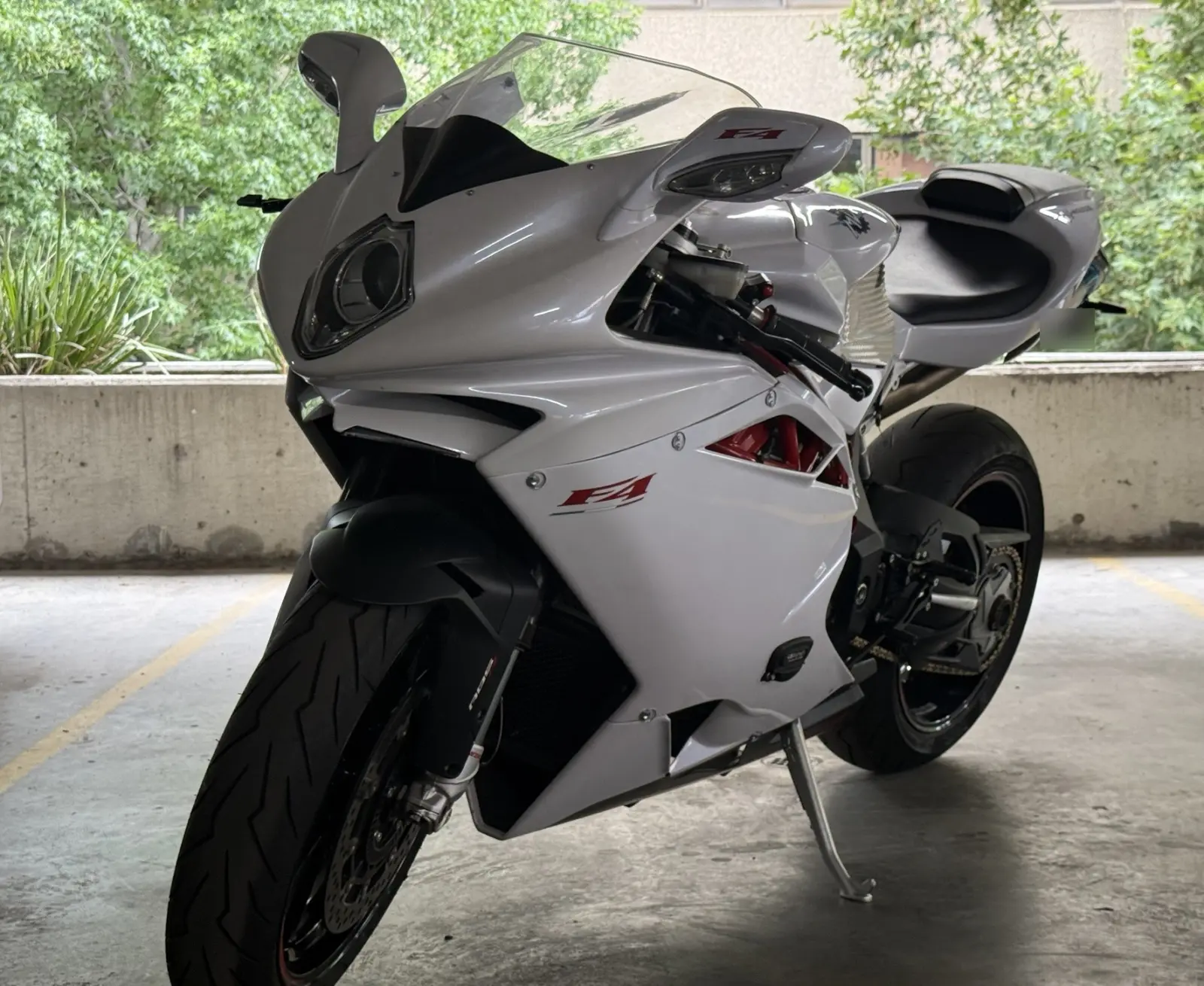
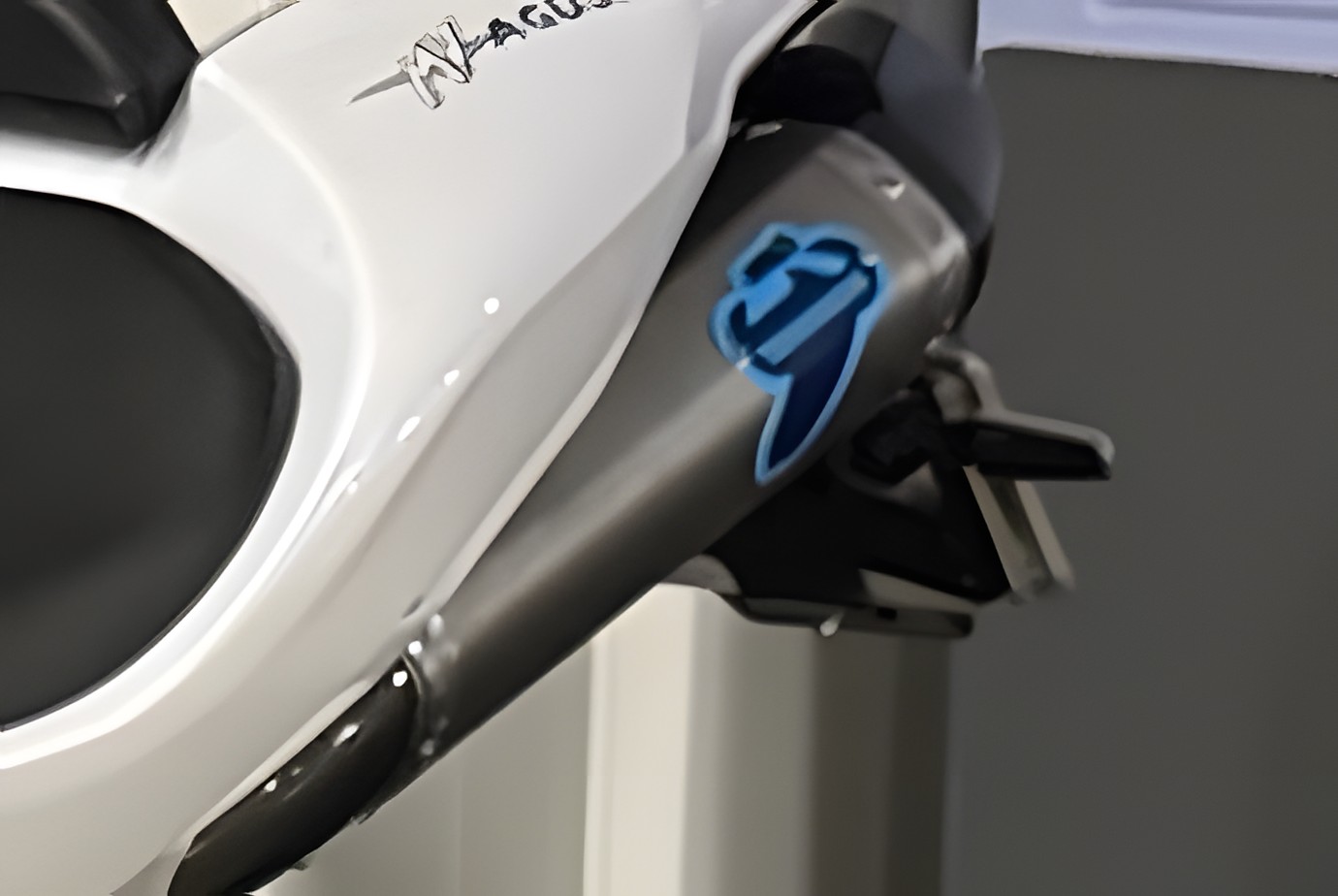
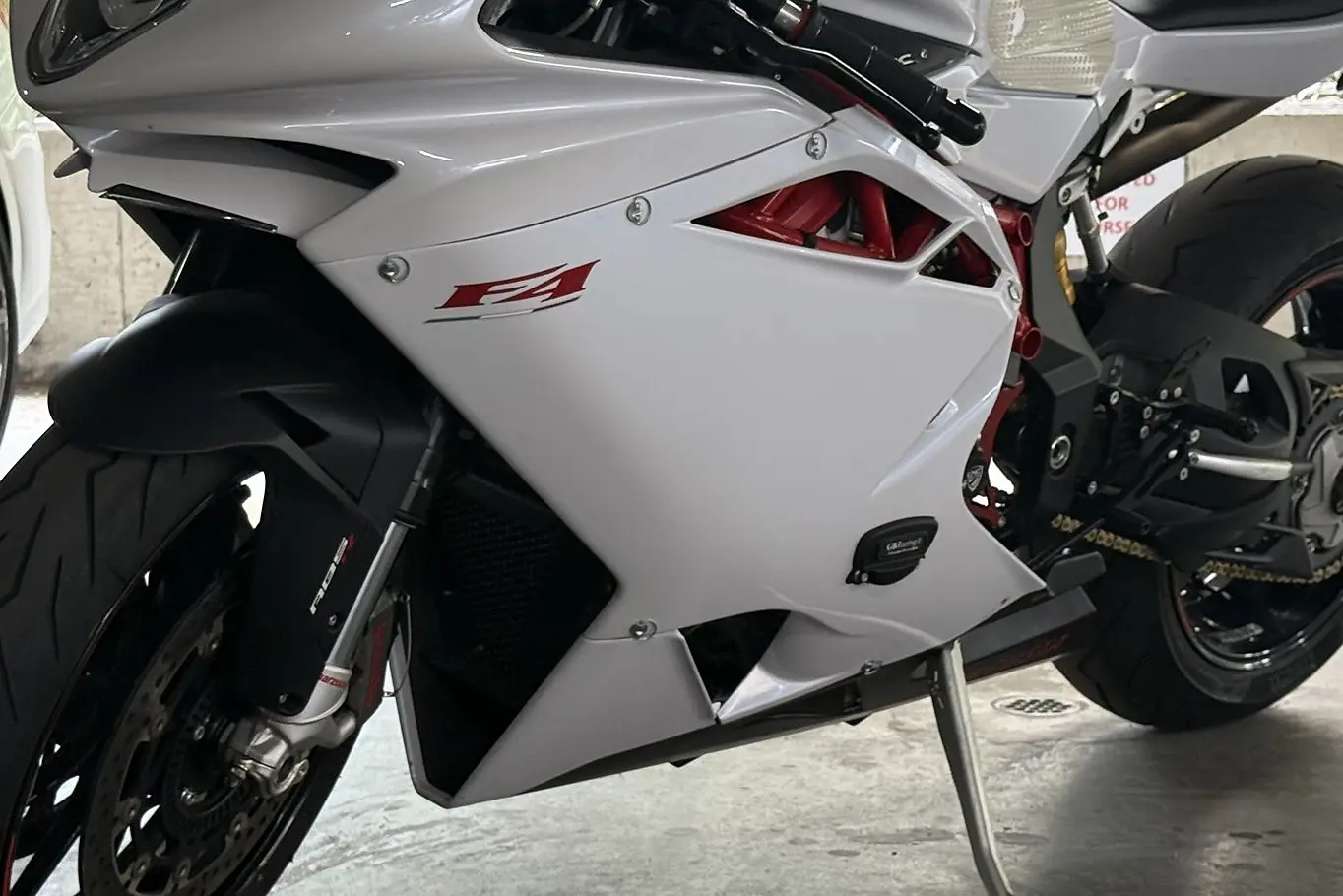
The MV Agusta F4 rewards a rider who reads the road through its tyres. Its 998cc inline four delivers strong power, its pearl white finish with the red trellis frame catches the eye on country roads and its performance exhaust adds a voice that suits the valley. With careful preparation and a sensitive hand, it is a superb way to explore the Hunter.
The MV Agusta F4 page gives the bike's details and shows when it is available. Use it to line up your preferred dates with the forecast and your plan for the day.
When you are ready, book the F4 and plan a steady start. Read the road, feel the tyres and enjoy the valley at a pace that lets you hear what the bike is telling you.
Frequently asked questions
What is the first sign that a tyre is losing grip in a bend?
Often it is a vague or wayward feel through the bars, a sense that the front is skating across the surface. The rear may begin to move under power. Ease off the lean and the throttle gently, keep the bike upright and let the grip return before you continue. Do not respond with a sudden movement.
Should I brake in a corner or before it?
Brake in a straight line before the corner whenever you can. Braking while leaned over asks the front tyre to do two jobs at once, which can overload the contact patch. Set your speed early, release the brake progressively and then turn in with a calm input.
How long should I ride gently before pushing the bike?
Plan for at least several kilometres of gentle riding on a cool morning. The tyres need warmth to grip well, and the first corners can feel less confident until the rubber reaches its working temperature. Once the bike feels settled and the surface is clear, you can build your pace steadily.
Are painted lines dangerous in the Hunter?
They can be, especially when damp. Painted surfaces often have less grip than the surrounding bitumen, and the change can be sudden. Avoid leaning hard across them, particularly in a bend. Cross the line as close to upright as you can, and keep your inputs gentle until you are clear.
How often should I check the tyres before a ride?
Look over the tyres before every ride, checking for cuts, bulges, embedded stones and even wear. Check the pressure with a gauge when the tyres are cold, using the figures in the owner's manual or on the placard. A short routine at the kerb takes a few minutes and catches problems early.
Does rider fatigue affect tyre feel?
Yes. A tired rider can miss the subtle signals that the tyre is working hard or that the rear is starting to move. Take a break every hour or so, keep your grip relaxed and stop when your focus begins to slip. Clear feedback depends on a clear mind.
Ready when you are. Pick your dates and book the MV Agusta F4 online, or call us and we will sort it with you.
Book NowCall 0468 011 118