

Book the MV Agusta F4. Pick your dates and book the MV Agusta F4 online, or call us and we will sort it with you.
Book NowCall 0468 011 118Every rider knows the feeling. The ride out was perfect, then the clock hits late afternoon and the motorway turns into a slow crawl. A better return starts with the route, the timing and a few alternatives that keep the bike moving. This plan covers how to choose a road home that suits the hour, the scenic options that carry you back toward the city, and the stops that keep the trip calm to the last kilometre.
New to riding with us? Our page on motorbike hire in Sydney covers the bikes, the rider rules and how pick-up works.
Why the way home matters as much as the ride out
Most riders plan the ride out in detail and leave the return to chance. The result is often a tired rider stuck in slow traffic at the end of a good day. A little planning changes that. Choosing the return road, the hour and the stops in advance keeps the mood of the day intact right up to the moment you park the bike.
The return is also when fatigue is highest. You have been in the saddle for hours, your concentration is lower and the light may be fading. The aim is a steady, controlled ride that finishes the day as well as it started, rather than a race against the clock to beat the traffic.
Good return planning is about options. Two or three routes, each with a clear point where you would switch, make the decision easy on the day. If the road is quiet, take the scenic option. If the traffic is building, take the faster one. Either way, you are choosing rather than reacting to the situation in front of you.
Where the late traffic builds
The motorway approaches to Sydney are the main pinch points. Traffic builds steadily through the afternoon on weekdays, and the Friday evening surge can be heavy from the Central Coast and the Hunter. Lane changes slow down through the busy interchanges, and merging traffic can stop suddenly, so ride with plenty of room in front of you.
Trucks and long-distance vehicles share the road with commuters, and that mix makes the left lanes harder to hold on a busy afternoon. Watch for vehicles moving across from on-ramps, and be ready to slow in a straight line rather than in a corner. Stay visible and keep your following distance generous.
The good news is that the worst congestion is fairly predictable. Look up the road authority's traffic information in the morning, note the time you expect to reach the city's edge, and set your return plan around that hour. A clear route through the outer suburbs is worth far more than a shortcut that looks clever on a map.

Choosing the day and the hour
Weekdays are the easiest choice for a return. Midweek traffic is lighter than on Friday or Sunday, and the roads are steadier throughout the afternoon. Sunday late in the day is often the heaviest time of the week, as people head back from the coast and the valleys together. If your ride falls on a weekend, plan the return for the morning or allow a long margin for the evening.
Season matters as well. Autumn and spring offer mild evenings and clear light, which suits a relaxed return. Summer afternoons are hot and storms can build over the ranges, so start the return before the heat peaks. Winter sunsets arrive early, so plan the final hour with lights and warm layers in mind, and do not leave the last kilometres until the light has gone.
Time your departure so you finish in daylight where possible. Riding into the dark on busy roads is tiring, and visibility on country sections drops quickly once the sun sets. Dusk is also when wildlife is most active on the bush edges, so keep the scenic stretches for the early afternoon and save the motorway for the end.
Option one: Bells Line of Road and the Hawkesbury
Bells Line of Road is the most rewarding return for riders who want to keep riding. It runs east through forest from the Bell end toward Kurrajong, with long bends, shaded sections and a steady rhythm that suits a relaxed pace. The surfaces are generally good, but leaf litter and damp patches gather under the trees, so keep your line tidy and your speed measured.
The road is quieter than the motorway, and traffic thins once you are past the main villages. Watch for visitors who stop without warning at lookouts, and for cyclists on the edge of the road. Keep your speed controlled through the bends and avoid overtaking on crests where you cannot see the road ahead.
Once you reach Kurrajong, the road opens toward the Hawkesbury lowlands, and the final stretch to the city is a straightforward run. The timing matters here. Aim to reach the lowlands before the city traffic builds, so the last section is calm rather than a long crawl through the outer suburbs.
Option two: the Wisemans Ferry crossing
The ferry at Wisemans Ferry crosses the Hawkesbury River and gives you a short, memorable break from the road. The river is wide, the views up and down the water are excellent, and the wait for the boat is often short on a weekday. Stop legally, switch off the engine and take a few minutes to enjoy the scene before you ride on.
The roads that lead to the crossing are scenic and quieter than the motorway. They run through bush, past small holdings and along the river in places, with bends that vary from gentle to tight. Check each approach before you ride, because the surface can be wet near the landing, and slow down well before the ramp.
Ferries run to a timetable and can be busy on weekends. Plan the crossing around the time you want to be home, and allow extra time for queues on the approach. A crossing in the late afternoon is a lovely way to end a day, but it also means you will be riding home as the light fades, so watch closely for wildlife on the verges.
Option three: the motorway and the coast return
If the aim is simplicity on the return, the motorway south from the Central Coast is the straightforward route. It is wide and well built, and the flow is steady on a quiet afternoon. Keep to the left lanes where you can, watch for trucks merging from on-ramps and keep a generous gap on the grades.
On a busy Friday, the southbound motorway can slow suddenly near the interchanges, and that is when rear-end collisions happen. Stay alert in the queue, look well ahead through the traffic and be ready to stop smoothly rather than braking late. In NSW, lane filtering is allowed for fully licensed riders at low speed between slow or stopped traffic, but it is not allowed beside the kerb or parked cars.
If you want a compromise, ride the coast road for the first part and join the motorway further south. The coast road is slower but keeps the sea in view, and the motorway picks up quickly once you reach the outskirts. Decide at the first junction and keep the decision simple, so you are not changing your mind in heavy traffic.

Want the MV Agusta F4 for your date? Pick your dates and book the MV Agusta F4 online, or call us and we will sort it with you.
Book NowCall 0468 011 118The last hour: light, traffic and dusk
The last hour is when the plan is tested. The light is changing, the traffic is at its thickest and you are probably tired. Set a fixed point, such as a fuel stop or a particular bridge, where you will check your plan and your own alertness for the final stretch. If you are unsure, stop and rest rather than pushing on.
Dusk brings the most active wildlife on country roads, and a large animal can appear from the verge with little warning. Lower your speed as the light fades, use your lights, and scan both sides of the road. A calm, steady pace is the most useful tool you have for the last few kilometres.
Wet painted lines, drain covers and oil on the approaches to the city can all be slippery after rain. Ease off the brakes early, keep the bike upright through the bends and avoid sudden inputs on the final run. Arriving in one piece is the only result that counts at the end of a good day.
Fuel, food and the last stop before the city
Top up before the return begins, not after. Stop in a larger town for a full tank, and choose a place with a decent break area and a clear view of the bike. Treat half a tank as your cue to fill up, because some of the country roads have long gaps between stations.
Food is a choice between a long lunch that eats into the schedule and a lighter stop that keeps you alert. A late lunch in a village is a good compromise, with a quick coffee before the final hour. Avoid heavy meals in the last stretch, because a full stomach and a long day make reactions slow.
The last stop before the city is often the most useful. Pick a spot with room to stand, shelter from the wind and a view of the bike, and use it to check tyres, lights and your own energy. A two-minute check there saves a difficult hour later on the motorway.
- Full tank before the return begins
- Light lunch in a village, with a coffee before the last hour
- A break at the last large town before the city
- Water in the pack for the bends and the warm stretches
- Check tyres, lights and visor at the last stop
Safety on the way home
Gear is the first line of defence on the return, especially if the day has turned cold or wet. Wear your fitted helmet, armoured jacket and pants, gloves and boots, and keep a waterproof within reach. Cold hands make the clutch and brakes harder to use, so warm your fingers at each stop.
Fatigue is the biggest hidden risk on the final stretch. Stop every hour, stretch your shoulders and wrists, and be honest about how alert you feel. A brief rest is always better than a late, exhausted ride home through heavy traffic.
Ride within your ability, especially on the bends and in the wet. Never ride after drinking alcohol, even on a short run home from lunch. Check road conditions with Transport for NSW before you set out, and if the weather turns, choose the motorway over the scenic road for a quicker, simpler finish.
Booking the MV Agusta F4 for the return
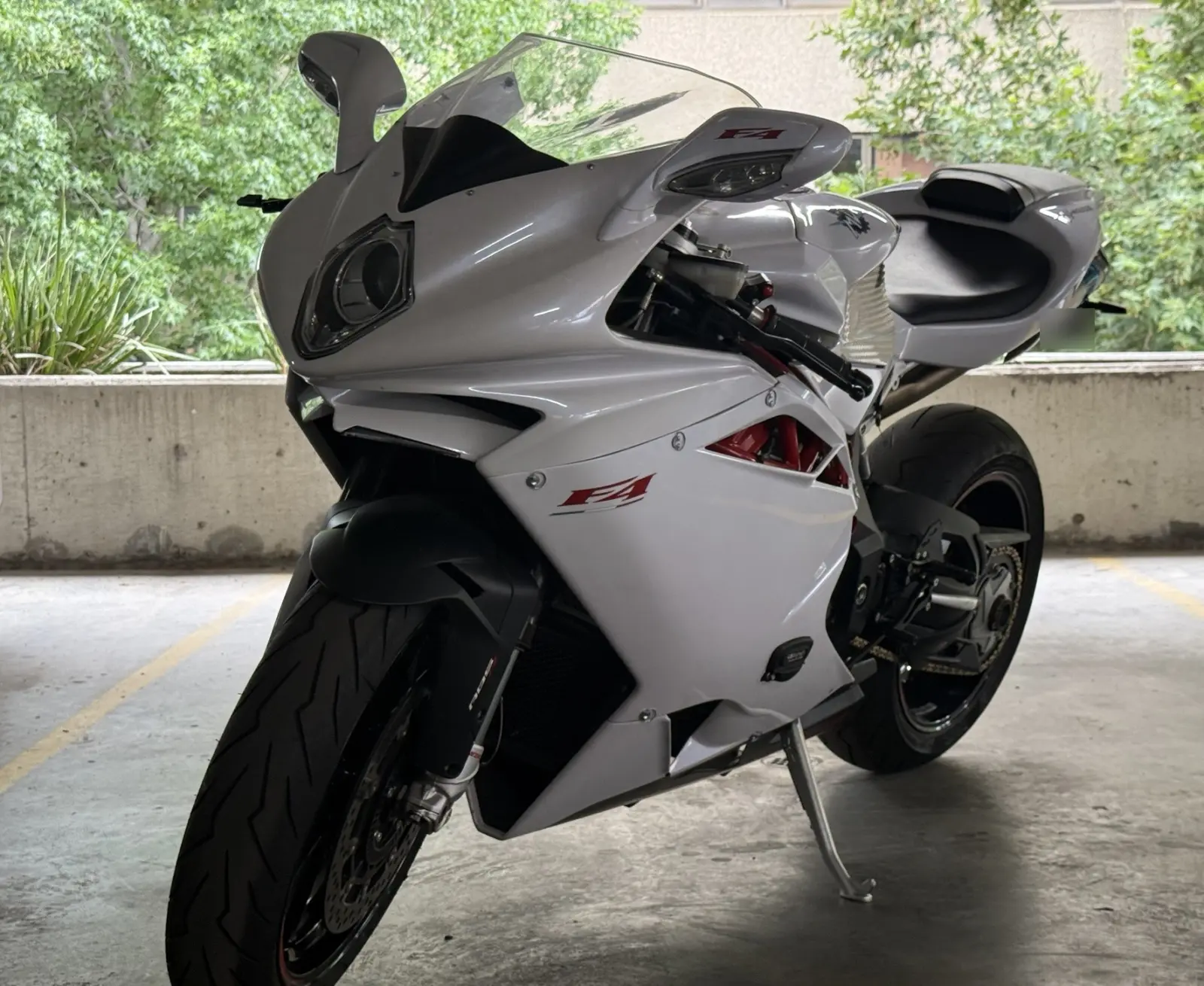
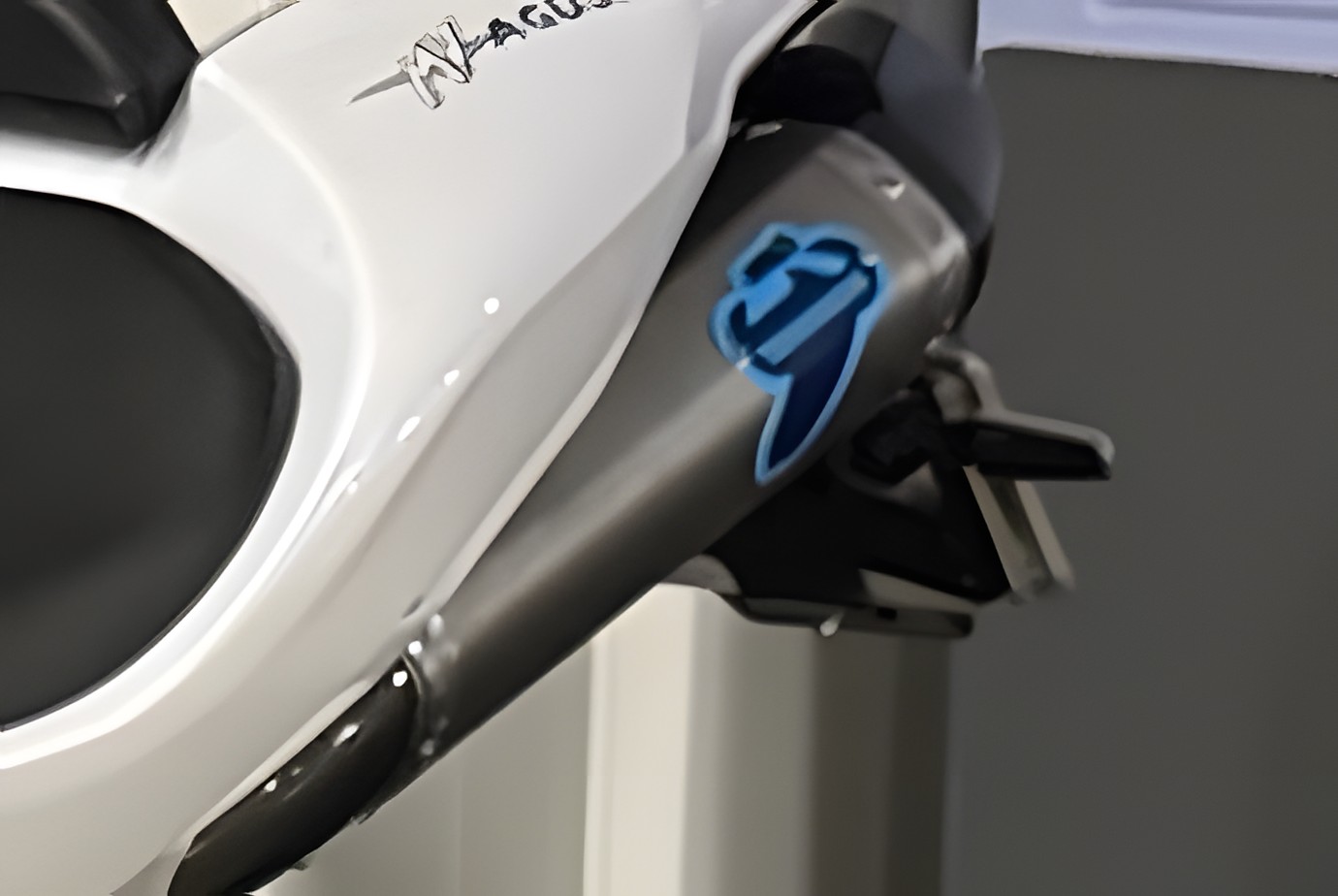
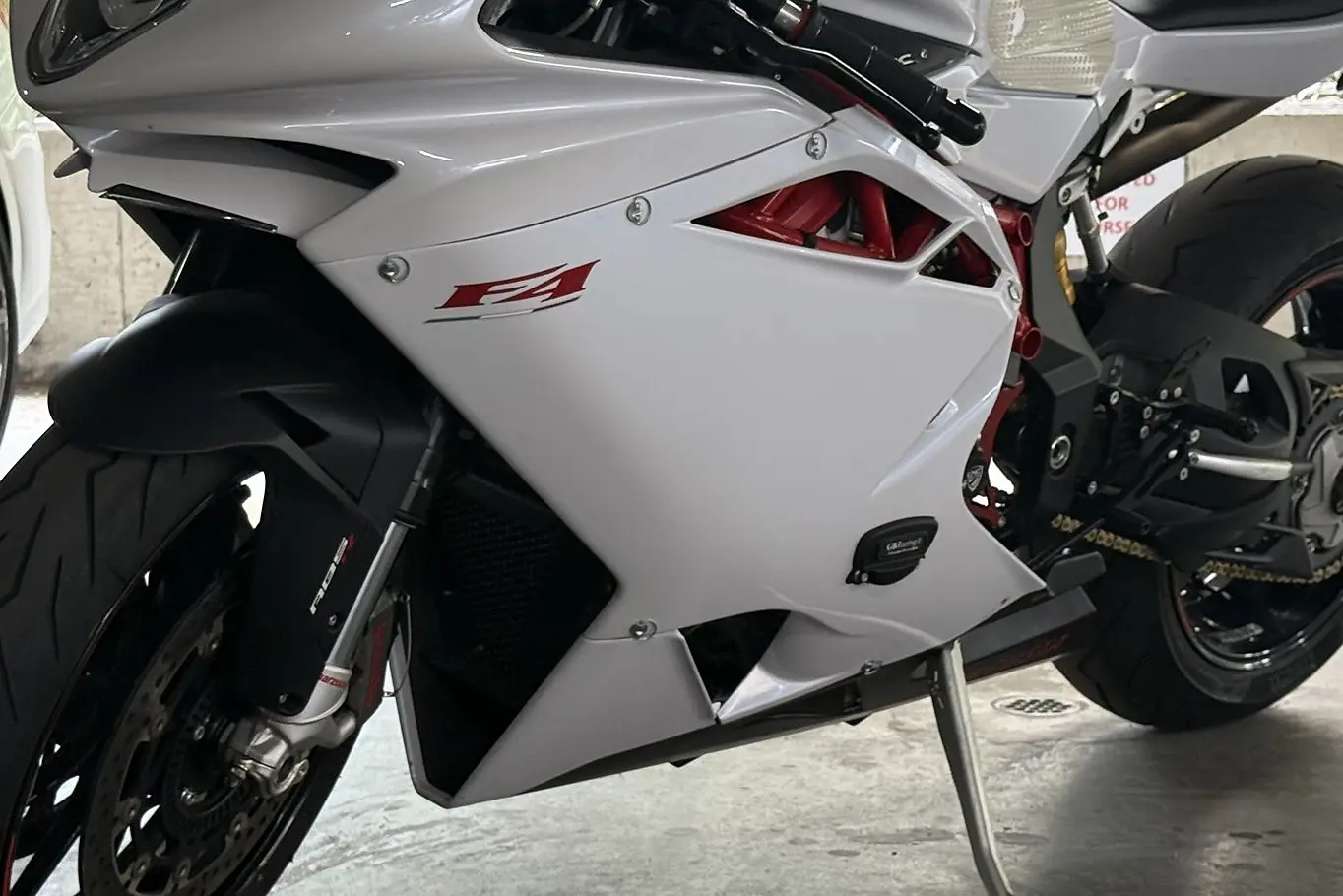
The MV Agusta F4 is a strong choice for a scenic return, because it suits a rider who enjoys the bends on Bells Line and the open sections of the coast road. It is a 998cc inline four with a pearl white finish and a red trellis frame. The performance exhaust gives the bike a distinctive voice on the open stretches, and the handling rewards smooth riding.
Its 143 kW is best used with restraint on busy roads, particularly on the motorway approaches and on wet corners. A measured pace gives you the most enjoyable return, and the bike rewards a calm rider who keeps inputs smooth. The Yamaha MT-09 SP is the alternative if you want a more upright position and a passenger seat, and the Ducati 1199R suits an experienced rider who wants a focused machine.
Licence and age checks apply before you collect the bike. You need a full motorcycle licence that has been held for three years, and riders must be 25 or older on every bike. When you stay out overnight, the bike must be garaged or kept in secure off-street parking from 9pm until 6am.
When you are ready to plan your return, the MV Agusta F4 is ready for the ride. Check its page for the details, and look at the fleet overview to compare the other bikes.
Frequently asked questions
What time should I leave a day in the mountains or the valleys to avoid the worst traffic?
Aim to be on the motorway well before the afternoon peak, which usually builds from early afternoon on weekdays and later on Sundays. Leaving early also gives you daylight for the scenic sections. If you want a longer lunch, plan the return route first and work backwards from the time you need to be home.
Is Bells Line of Road a good return route for a newer rider?
It is a rewarding road, but it asks for steady, controlled riding. A newer rider should take the bends at a measured pace, avoid overtaking on crests and stop at a quiet pull-off if the road feels busy. Riding it on a weekday morning or early afternoon, when traffic is lighter, makes the experience far more comfortable.
Is the Wisemans Ferry crossing worth the detour?
Many riders think so. The river views are excellent, and the short wait gives you a natural break from the road. The approaches are quieter than the motorway, although the surface near the landing can be wet. Allow extra time for queues on weekends, and plan the crossing so the final kilometres are in daylight.
Is it safe to ride the motorway in the evening?
The motorway is wide and well built, and it is a sensible choice when you want a simple finish. Traffic is heavier at busy times, so keep your distance, look well ahead and be ready to stop smoothly. Dusk brings more glare and less visibility, so use your lights and ease off a little as the light fades.
What should I do if the traffic stops completely?
Stay calm, keep your distance from the vehicle in front and look for a safe place to wait. In NSW, lane filtering is allowed for fully licensed riders at low speed between slow or stopped traffic, but it is not allowed beside the kerb or parked cars. If the stop looks long, consider a rest and wait for the traffic to clear rather than forcing a gap.
Can I plan a scenic return if I am tired?
Yes, but keep the route simple. Choose the motorway or the most direct road, take a longer break before you set off and stop more often than usual. Being tired is the moment to pick the easier option, and a quick rest in a safe spot can make the final hour far safer.
Ready when you are. Pick your dates and book the MV Agusta F4 online, or call us and we will sort it with you.
Book NowCall 0468 011 118