

Book the Rolls-Royce Phantom with a chauffeur. Send us the date, the times and where you are going, and we will confirm the Rolls-Royce Phantom for your night.
Book NowCall 0468 011 118Sydney weather has a reputation for changing its mind. A clear, warm afternoon can give way to a sharp shower or a strong gust within an hour, and the change can be felt across the whole city at once. For a formal, that means the plan should allow for a sudden shift rather than assuming the forecast will hold. This edition looks at how to read the warnings, keep the route safe and make calm decisions when a storm rolls in.
Sydney's Weather Can Change in an Afternoon
Sydney weather has a reputation for changing its mind. A clear afternoon can give way to a sharp shower or a strong wind within an hour, and the change can be felt across the whole city at once. For a formal, the plan should allow for a sudden shift rather than assuming the forecast will hold from the first pickup to the final photograph.
Storm season tends to bring heavier downpours in short bursts, which are harder to plan around than a steady drizzle. A burst of rain can flood a low point on the road, slow traffic to a crawl and then clear within the hour. The timetable should be built to absorb that kind of disruption without leaving the group feeling rushed or stranded.
The city also brings variety. The coast, the harbour side, the inner suburbs and the western areas can all have different conditions on the same evening. Ask what is happening where the group is actually going, rather than relying on one general forecast for the whole of Sydney, because a storm can miss one area entirely and hit the next.
Reading the Warnings Without Panic
Weather warnings are most useful when they are read calmly. An official severe weather warning tells you what is coming and roughly when, while a general forecast only hints at the risk. Read any alert closely, and note the times it covers, so you know whether the window overlaps with pickups, photographs or the walk to the car.
Avoid making decisions from a single screenshot or a rumour in the group chat. Check the source, look at the timing and compare two reliable sources before changing the plan. A measured decision is far better than a rushed one made because a message sounded alarming at ten to five.
Once you have the facts, set a clear decision point. For example, decide on the afternoon of the formal whether the backup stop is needed, rather than reacting to every update that arrives. A fixed time for the decision stops the plan from being rewritten again and again as new messages keep coming in.
- Check two reliable weather sources
- Agree on one decision time
- Name the person who sends updates
- Keep a sheltered backup for every stop

Flooded Roads and Detours
Heavy rain can flood low-lying roads, underpasses and dips, and some of those roads may close without much warning. A driver who knows the city will avoid known trouble spots, but the plan should still allow for a detour. Ask the driver how they would reroute if a main road were closed on the evening, so you know the approach before it is needed.
A detour can add time, and the group should expect that possibility. Build a buffer into the timetable, and agree on a fallback arrival time before the night. Knowing a detour is possible helps the group stay relaxed when the route changes halfway through, rather than feeling that something has gone wrong.
Never drive or walk through floodwater, and never ask a driver to take a risk on a closed road. A safe, slightly longer route is always the right choice. A formal can start a little later and still be a wonderful night, and the group should feel comfortable with that trade-off long before the day arrives.
Sheltered Stops Across the City
Every stop on the route should have a sheltered alternative in case of rain. A pickup under an awning, a photograph spot near a covered walkway or a waiting area in a foyer gives the group a dry place to be. Ask us to confirm the sheltered option for each stop when you plan the route, so it is decided before the weather is.
Outdoor stops are best kept short when storms are around. A few quick frames under cover can be worth more than a long session in the open. Choose one or two backdrop options in advance, so the group does not spend valuable minutes deciding while the rain is picking up around them.
The suburbs have their own shelter. Shopping centre entrances, covered forecourts and building lobbies can all work, provided they are a safe and legal place to wait. Check the spot in daylight beforehand, and confirm that the driver can approach it without blocking traffic or a driveway that someone needs to use.

Traffic Slows When the Rain Hits
Rain changes the traffic pattern. Drivers slow down, visibility drops and some intersections back up quickly. A route that normally takes a set time can take much longer once the first heavy shower arrives. Build that possibility into your timetable rather than hoping the roads will stay clear for the whole evening.
An earlier start helps. Leaving a little sooner gives the car room to adjust its pace without the group rushing, and it means that if a delay happens on the way, the group is still on time for the venue. A calm arrival is always more comfortable than a race against the clock in wet conditions.
Tell the driver your priority for the night. If the group cares most about arriving on time, the route can be chosen to suit that goal. If a steady and unhurried ride matters more, the timing should allow for it. Clear priorities help the driver make good decisions when conditions change partway through the journey.
Want the Rolls-Royce Phantom for your date? Send us the date, the times and where you are going, and we will confirm the Rolls-Royce Phantom for your night.
Book NowCall 0468 011 118Venues, Entrances and Waiting Under Cover
The venue entrance is where the group spends much of its time out of the car, so check how the entrance is covered. A canopy, a covered forecourt or a sheltered drop-off zone makes the arrival far easier. If the entrance is open to the weather, plan a short, quick walk and keep umbrellas close at hand.
Ask the venue team, or whoever is running the event, what the wet-weather plan is for arrivals. Some entrances become congested in heavy rain, so it helps to know whether the car can wait nearby for a few minutes. Agree on the meeting point and the signal for the car before anyone leaves the house.
Waiting in the car can be the best option when the rain is heavy. Staying inside until the group is ready to walk in keeps everyone dry and calm. Let the driver know if the group plans to wait, so the car can be positioned to make the step out as short as possible when the moment comes.
Deciding Early on Photographs Versus Safety
Photographs matter, but safety comes first. If lightning is about, or the wind is strong enough to make an open area unsafe, the photographs should wait or move indoors. A pair of quick, sheltered frames is still a memory, and the group will remember the night more for its warmth than for a perfect outdoor set.
Decide the photograph question with the group in advance. Agree on what happens if a storm arrives, and whether the pictures will move under cover, be shortened or be skipped altogether. Writing this down means nobody feels pressured to stand in the rain for a shot that is not worth the risk.
A short, shared rule helps. For example, the group can agree that any outdoor stop is cancelled once heavy rain begins. Simple rules like this keep the evening safe and stop the group from debating every decision in the moment, when people are cold, damp and tired of waiting.
Keeping Families Informed Through a Storm
Parents want reassurance when the weather is changing. A single trusted update, sent at agreed times, is more useful than a stream of messages from several people. Agree in advance on who will send updates and how often, so families are not left guessing about what is happening on the road.
Keep messages brief and factual. Say what is happening, what the plan is and when the next update will come. Clear facts calm people far more effectively than speculation, and they give students confidence that the adults have the situation in hand.
If the plan changes, confirm it in writing to the families and to us. A written record means everyone is working from the same version of the night, which matters most when the storm is at its peak and people are looking for certainty about the next step.
Planning a Storm-Ready Sydney Night
The best storm plans are ordinary plans with a few extra steps: a sheltered alternative for each stop, a buffer in the timing, a clear decision point and a single voice for updates. With those in place, a Sydney formal can handle a sudden shower without losing its shine.
We are happy to build a wet-weather version of your route with you before the night. Share the stops, the times and the venue area, and we will talk through the sheltered options and the timing. The sooner we know the plan, the calmer the storm season will feel for everyone involved.
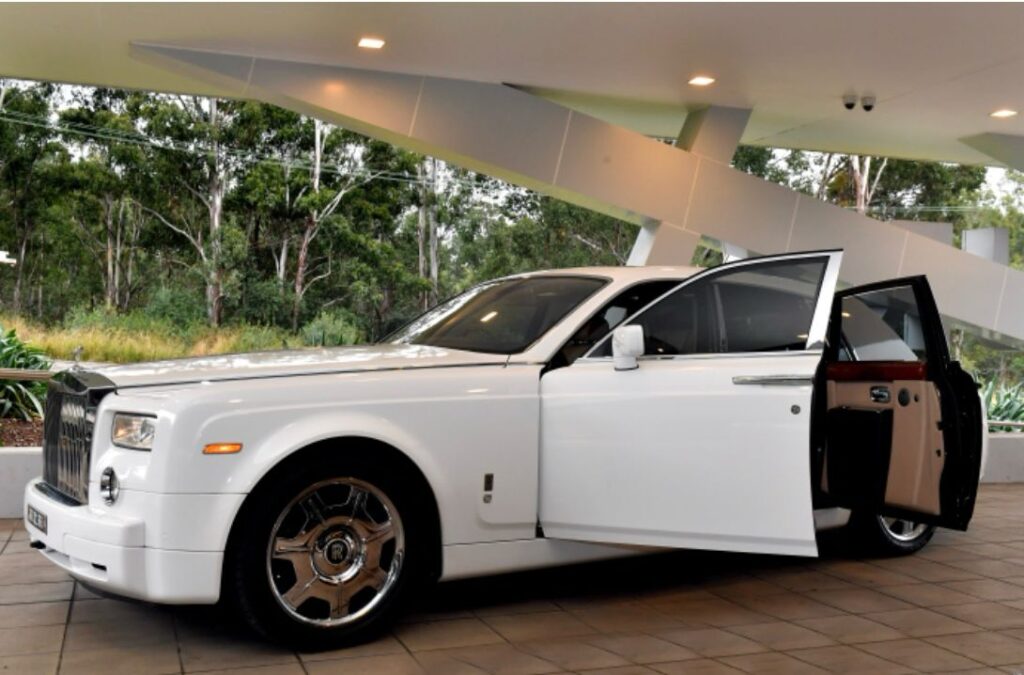
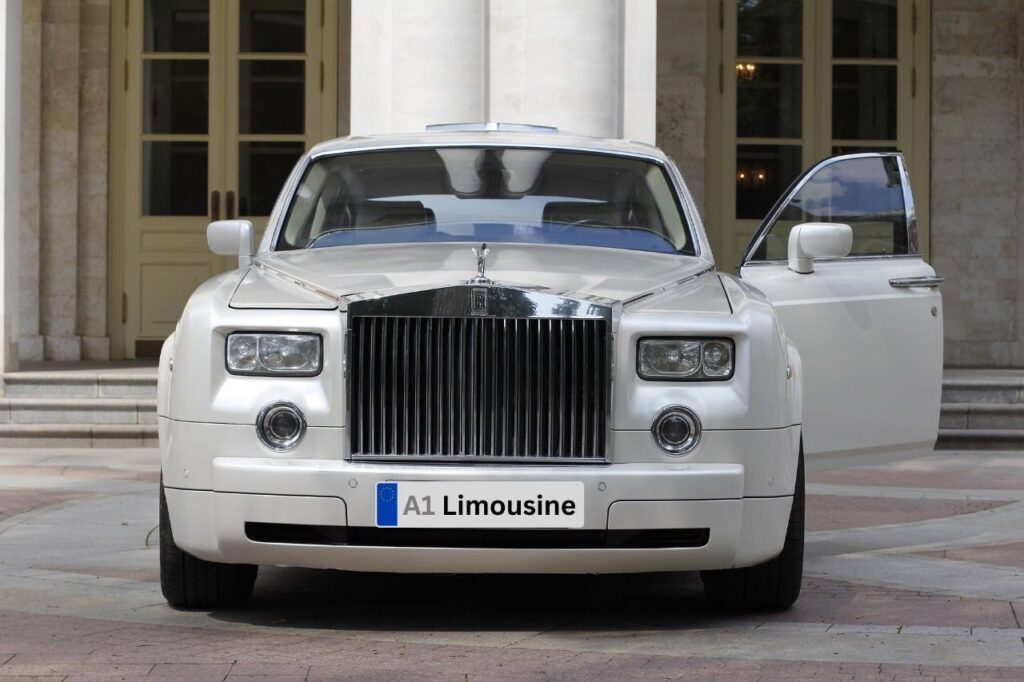
If a timeless, calm arrival is the style you have in mind, the Rolls-Royce Phantom page is worth a look. Check the details, send your request for the date and we will work through the storm plan with you before the night arrives.
Frequently asked questions
How do I know if a storm will affect the night?
Read any official warning closely and note the times it covers. Compare two reliable sources rather than a single screenshot, and set one decision time for the afternoon. If the warning overlaps with your pickup or photographs, we will work through the sheltered alternatives with you before the night.
What happens if a road floods on the way?
The driver reroutes to avoid the flooded section, and never drives through floodwater. Build a buffer into the timing and agree on a fallback arrival time in advance. A slightly later arrival is far better than a risky route, and the group stays calm when the plan adjusts.
Can the car wait while we are inside the venue?
Tell us in advance if the group will wait inside before stepping out, and we will ask the driver to position the car to keep the walk short. Confirm the meeting point and the signal for the car, so the pickup at the end of the night is just as smooth as the arrival.
Are outdoor photographs still possible in a storm?
Only when it is safe. If lightning is near or the wind is strong, move the photographs under cover or skip them for the night. A few quick sheltered frames can still capture the evening well, and the group will remember the warmth of the night more than a perfect outdoor set.
Who should send updates to the families?
Choose one trusted person to send updates at agreed times, rather than having several people message at once. Keep each update short and factual, and say when the next one will follow. A clear, steady stream of information calms parents and keeps students confident about the plan.
Will the driver change the route on the night?
Yes, the driver adjusts the route for the conditions on the night. Share your priorities at the start, such as arriving on time or a steady, unhurried ride, so the driver can balance those against the traffic and the weather. Any change of plan is confirmed in writing afterwards.
Ready when you are. Send us the date, the times and where you are going, and we will confirm the Rolls-Royce Phantom for your night.
Book NowCall 0468 011 118Want a car nobody else will arrive in? See the Private Signature Collection: rare chauffeured wedding and formal cars, by appointment.