
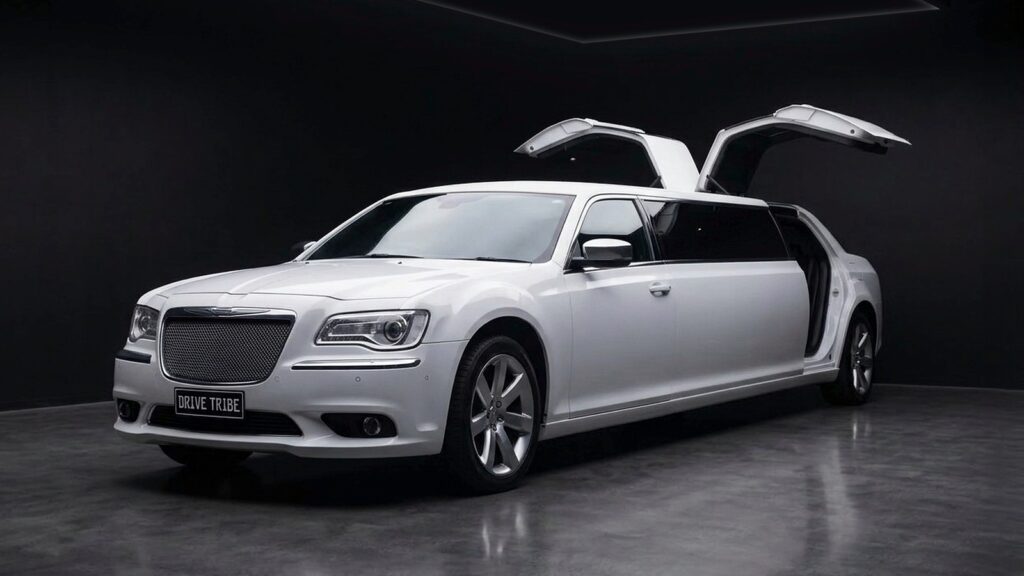
Book the Chrysler 300 Gullwing Stretch Limousine with a chauffeur. Send us the date, the times and where you are going, and we will confirm the Chrysler 300 Gullwing Stretch Limousine for your night.
Book NowCall 0468 011 118A stretch limousine gives a formal photograph a strong subject, but the best pictures come from planning the light, the angles and the poses before the car arrives. Most of the difference between an average photo and a striking one happens in the ten minutes before the shutter clicks. This guide covers timing, positioning, group arrangements and simple phone settings that help a formal look its best beside a Gullwing stretch limousine.
Why the car is a photo subject in its own right
A stretch limousine gives a formal photograph something most backdrops cannot: a long, polished shape that frames the group and draws the eye. The car adds scale and occasion to the picture, so the students look as though they are arriving somewhere important even before the photographer has pressed the shutter.
Our Chrysler 300 Gullwing Stretch Limousine is the featured car for this article, and it photographs well from several sides. Planning the shoot around the car, rather than fitting the car into a spare moment, is the difference between a snapshot and a set of pictures the family will want to frame.
The good news is that most of the work happens before the day. A little thought about light, position and poses means the photographer, or a relative with a phone, can capture a strong set of images in about fifteen minutes.
Choosing the time of day for light
Light makes or breaks an outdoor formal photograph. Harsh midday sun creates deep shadows under faces and bright reflections across the paintwork, and both are hard to correct later. Late afternoon, often called golden hour, gives a warmer and softer glow that flatters skin and makes colours look richer.
Check the sunset time for the date and work backwards. The best window usually sits in the hour or so before the sun drops low, and the car should be ready inside that window rather than arriving in the last few minutes of fading light. If sunset is late, a short session at the end of the afternoon may be all you need.
Cloud cover can be a friend. A soft, overcast sky spreads light evenly and removes harsh shadows, which suits group photographs well. If the forecast is grey, keep the same planning window and use the even light to your advantage, since faces and dresses will look natural without heavy shadows.
Picking a backdrop that flatters the car
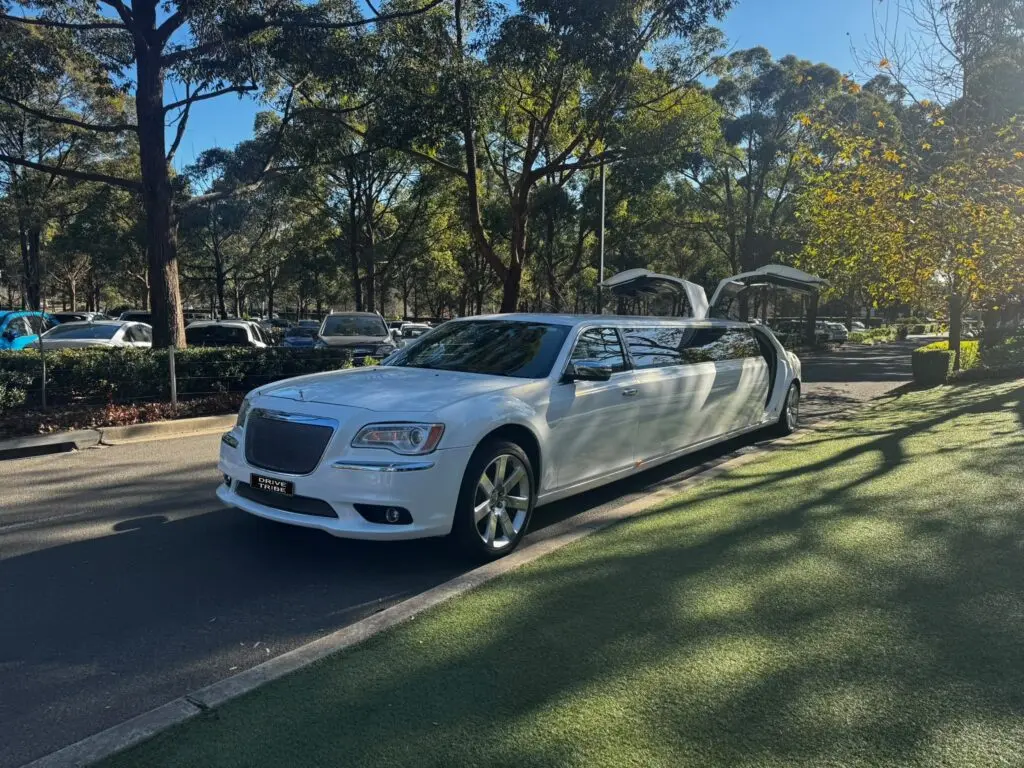
The background matters almost as much as the car itself. Plain walls, clean driveways, a tidy garden or a quiet street with few parked vehicles give the car room to stand out. Busy backgrounds with bins, signs or cluttered fences pull attention away from the group and make the picture feel crowded.
Look for space behind the photographer as well as behind the car. A clear run allows the group to stand at a comfortable distance, and it gives the photographer room to step back for wider frames without bumping into a fence or wall. A quiet lane or a car park can offer that space, provided the owner agrees beforehand.
Colour contrast helps too. A dark car against a light wall, or a light car against green trees, creates a clean edge that makes the outline stand out. Test the spot with a quick phone photograph before the group gets ready, so there are no surprises once the students are in their outfits.
Angles that make the car look its best
A low angle often makes a car look more impressive, with the roofline sweeping above the group. Ask the photographer to kneel or crouch for a few frames, keeping the camera level so the car does not appear to lean. A handful of low shots gives the set a dramatic edge that the family will notice straight away.
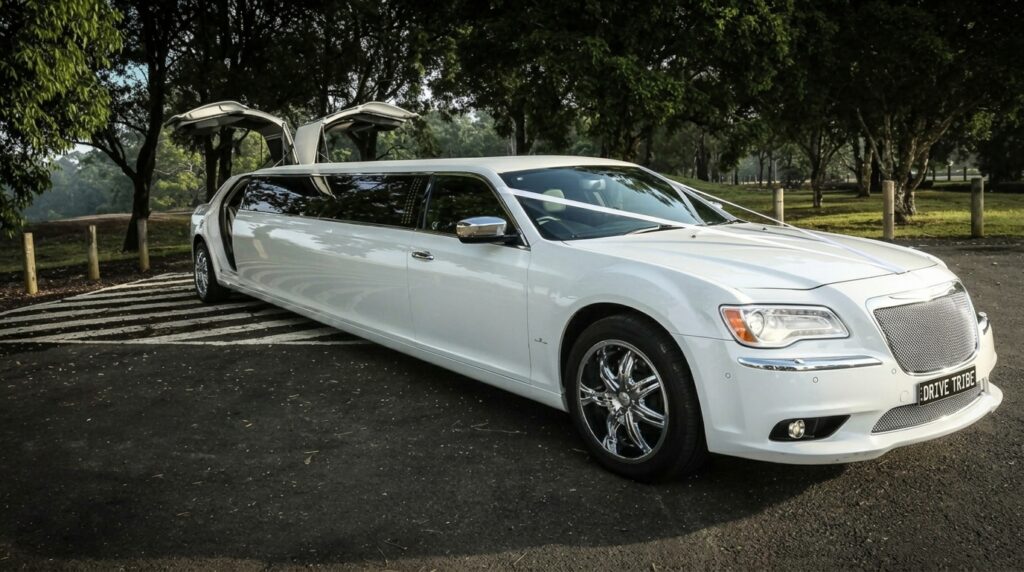
A three-quarter view, where the camera sits near the front corner and looks back along the side, shows the length of the body while keeping the students clearly visible. It is one of the most reliable angles for a stretch car and works well for a group arriving or stepping out together.
Straight-on shots suit a formal album, with the car centred and the group arranged in front of it. Keep the horizon level and the car square to the frame. The clean symmetry of a straight-on photograph often becomes a family favourite for years afterwards.
Posing the students around the car
Posing works best when the students feel relaxed. Ask them to lean casually against the car, step out one at a time or walk toward the camera as if they are arriving. Small movement keeps the picture lively and prevents the stiff lineup that many formal photographs fall into.
Vary the heights. A student seated on the edge of an open door or standing a step higher adds depth, while those standing at the front give the group a steady base. Avoid lining everyone up in a single row at the same height, because that flattens the frame and hides the personality of each person.
Keep hands and fabric in mind. A hand resting on the car, a gown arranged before the shot and a suit jacket buttoned or open each change the look. A quick check from a friend before each frame keeps the details neat without interrupting the flow of the session.
Want the Chrysler 300 Gullwing Stretch Limousine for your date? Send us the date, the times and where you are going, and we will confirm the Chrysler 300 Gullwing Stretch Limousine for your night.
Book NowCall 0468 011 118Group shots without crowding the frame
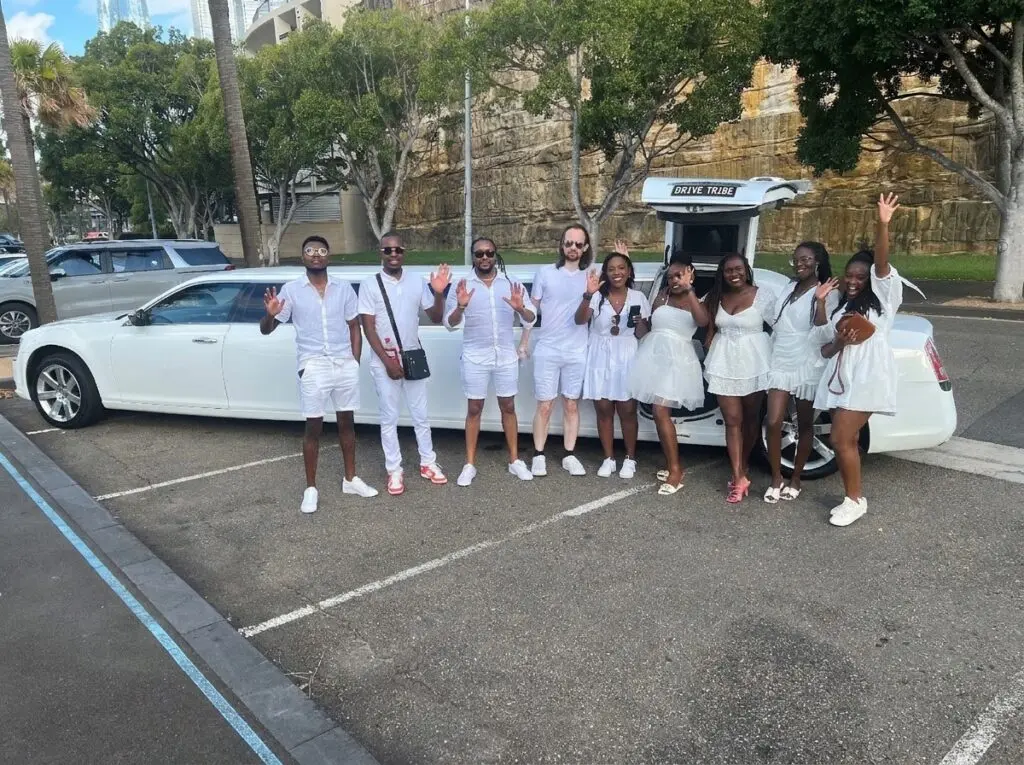
Group shots can quickly become a jumble of heads. Arrange the group in two or three rows, with the taller students at the back and shorter ones at the front. Overlapping shoulders and staggered positions help each face stand clear of the next one, which makes the final picture easier to read.
Keep everyone within arm's reach of the car, so the group sits together in the frame and nobody drifts into the background. If the car is long, centre the group on the most photogenic section of the body, rather than letting the students spread towards one end where the light may be poor.
Give the group a count-down before each shot. A simple three, two, one helps everyone blink at the same moment and smile together. Take three or four frames per pose, so there is a back-up if someone closes their eyes or turns away at the crucial second.
Phone settings and simple tips
Most formal photographs today are taken on phones, and a few settings make a real difference. Tap to focus on a face, then lock the exposure so the picture does not turn too dark or too bright as the group moves. Shoot at the highest resolution your phone allows, so the images can be printed or cropped later.
Use the main rear camera rather than the zoom. Stepping back is better than zooming in, because digital zoom reduces quality and can distort faces. If the group is too wide for the frame, ask the students to step closer together rather than trying to crop the picture afterwards.
Clean the lens before the session. A quick wipe with a soft cloth removes fingerprints that soften the image, and it is an easy step that many people forget. Portrait mode can add a soft background blur, but check the edges of hair and the outline of the car before saving the shot, since the edges can look rough.
Keeping the car clean and the timing tight
A clean car photographs beautifully, and a dusty one does not. Ask the driver to wipe the paintwork and windows before the group arrives, and keep a soft cloth in the bag for last-minute touches. Small smudges show up strongly in close-up shots, so a quick check is worth the time.
Tight timing keeps the light on your side. Arrange for the car to be ready at the chosen spot a few minutes early, so the photographer can set up without rushing. A short pause for final checks of hair, dresses and jackets keeps the session calm and makes it more effective.
Agree on a short shot list and share it with the group before the day. Ten to twelve key images are plenty, and a clear list means the session finishes with energy to spare for the venue and the night ahead.
Plan for the moment the group steps out, too. Decide who exits first, who pauses by the door and who turns to face the camera. A rehearsed exit of about thirty seconds gives the photographer a clean sequence, and it still looks natural in the final frames because the students have practised it with the people who know them best.
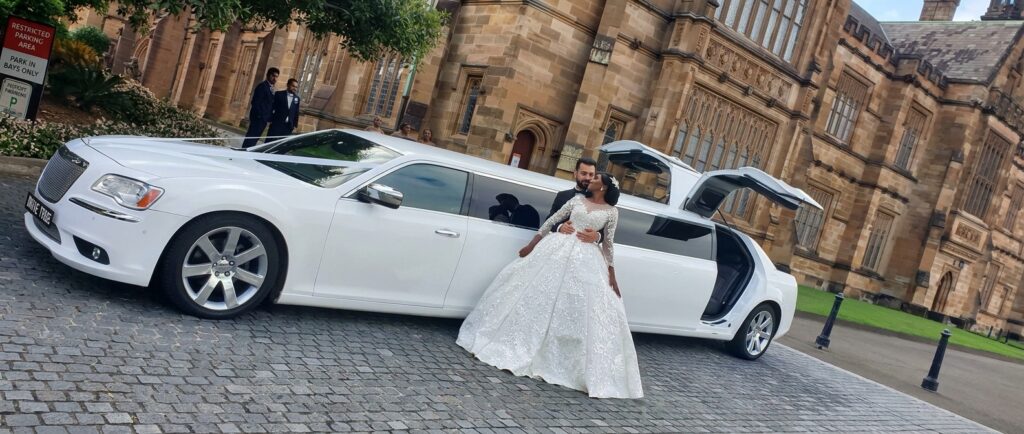
Booking the car for your photo session
Bring the photo plan to the booking. Share the time of day, the location you have in mind and the number of students, so the driver can arrive at the right place in good light. A clear plan turns the car into a set of photographs rather than a quick stop on the way to somewhere else.
Think about the drive as well. A route that avoids heavy traffic leaves more time for the shoot, and a driver who knows the area can suggest a safe spot to stop for a few shots. Chauffeured hire keeps the focus on the group while the driver handles the road and the parking.
Ready to plan a formal that looks as good as it feels? Start by choosing the time of day and the spot you like, then ask us for a quote. The Chrysler 300 Gullwing Stretch Limousine is the featured car for this kind of shoot, and its page is a good place to begin planning your session.
Frequently asked questions
What time of day gives the best formal photos?
Late afternoon is usually the most flattering, when the light is warm and soft. Aim to be in position in the hour or so before the sun drops low, and check the sunset time for the date. Harsh midday sun creates shadows and bright reflections, so it is best avoided for the main session.
Can we take formal photos beside the car on a cloudy day?
Yes, and overcast light can work very well. A soft sky spreads the light evenly and reduces harsh shadows, which suits group photographs. Keep the same planning window, choose a backdrop with plenty of contrast to the car, and take a few test shots before the students get ready.
Should we use the zoom on a phone?
It is better to step back than to zoom in. Digital zoom lowers the image quality and can distort faces, while using the main rear camera keeps the picture sharp. If the group does not fit, ask the students to move closer together rather than cropping the image later.
How many photos should we plan for the car?
Ten to twelve key images are plenty for most groups. Include a few low angles, a three-quarter view, a straight-on shot and a few group arrangements. Take three or four frames per pose so there is a spare if someone blinks, and keep the list short so the session finishes on time.
How long should the photo session take?
Fifteen to twenty minutes is usually enough for a well-planned session beside the car. A short shot list, a clear backdrop and a set order for the groups keep the time tight. Allow a few extra minutes for final checks of outfits and hair so the session stays calm rather than rushed.
Who should take the photographs?
A professional photographer brings experience with light and angles, but a relative with a good phone can also take excellent pictures if they know the plan. Choose one person to direct the groups and another to take the shots, and make sure the photographer has the shot list before the day.
Ready when you are. Send us the date, the times and where you are going, and we will confirm the Chrysler 300 Gullwing Stretch Limousine for your night.
Book NowCall 0468 011 118Want a car nobody else will arrive in? See the Private Signature Collection: rare chauffeured wedding and formal cars, by appointment.