
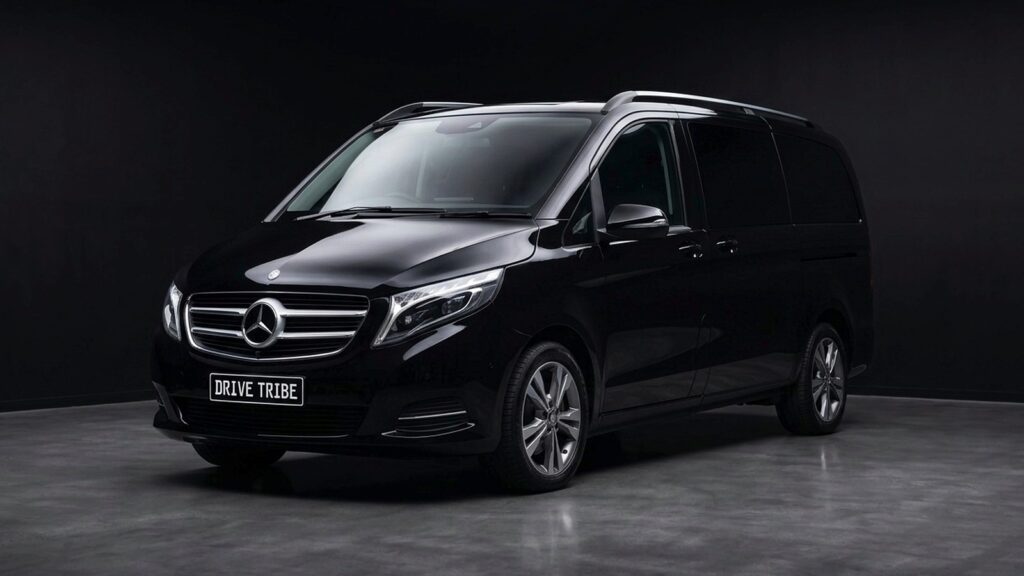
Book the Mercedes-Benz V-Class Black with a chauffeur. Send us the date, the times and where you are going, and we will confirm the Mercedes-Benz V-Class Black for your night.
Book NowCall 0468 011 118Sydney is a city of narrow older streets, broad main roads and busy precincts that change character after dark. A large group heading out for a formal has to work with all of them, sometimes within the same evening. This guide takes a practical look at the city in general terms, from the kerb at the first pickup to the last corner before the venue, and at the choices that keep a big group together.
Reading the city as a set of different streets
Sydney rarely gives a driver one kind of road for a whole evening. The older streets near the centre are narrow, often lined with parked cars, and built long before anyone imagined a vehicle of this size. The main arterials are wide and fast, while the precincts where restaurants and venues cluster can turn into a slow, stop-start crawl once the evening gets going.
For a group in formal dress, each type of street asks something different. A narrow lane means the car needs room to turn and a patient approach to the kerb. A wide road means lane choice and a clean pull-in without holding up the traffic behind. A precinct means crowds on the footpath and drop-offs competing for the same few metres of kerb.
The useful habit is to label each leg of the route by its street type before anything is booked. Write narrow, wide or busy beside each stop. That short label shows where the planning effort belongs, and it helps the driver understand what to expect before the car even leaves home. It is a small step with a large payoff on the night.
Some legs will be a mix of all three, and those are the ones to watch. A short trip that starts in a quiet residential street and finishes at a busy entrance can take far longer than its length suggests. Flag mixed legs in the request so the driver can plan the approach in advance rather than improvising at the corner.
The kerb problem: where a large car can actually stop
The kerb is where a large vehicle is most likely to meet a problem. A standard car can squeeze into a gap that a long vehicle cannot use, and some zones are set aside for buses, loading or taxis at certain hours. Before the night, check whether the stop you have in mind is legal and practical for a car of this size, rather than assuming any kerb will do.
Event areas often have temporary restrictions on busy nights, and those change from week to week. A kerb that was free last month may be blocked by road works or a closure. Ask the driver to check the stop nearest to pickup time, and keep a second stop in mind a short walk away in case the first is unavailable when the car arrives.
A good stop is one where the group can gather somewhere safe, step out onto a flat surface and see the car clearly. Look for a place that gives the driver a clear run in and out, away from driveways and corners. It is worth describing the stop in plain words in the request, so the driver can find it without circling the block for ten minutes.
Drop-offs, holding spots and the car that never has to park
Parking is the first thing most families worry about, and with a chauffeured car it becomes the driver's puzzle rather than the group's. The car does not need to find a space near the venue or wait for someone to leave. It can pull in for the drop-off, move to a holding spot and return at the agreed time, which is a calmer way to handle a crowded evening.
Holding spots deserve planning. A short wait somewhere quiet can be better than circling a busy block, but it has to be agreed beforehand. Tell the driver whether the car should wait nearby, return to the kerb at a set time or leave altogether. A clear instruction avoids the awkward moment when the group is waiting on the footpath and the car is nowhere in sight.
Drop-offs for a big group also need a little choreography. Several people stepping out at once can block a footpath, so agree on a sensible order and a clear spot for the group to gather. A single, deliberate exit keeps the group together and leaves the way clear for other guests arriving at the same time, which is good manners as well as good sense.
Timing around crowds, events and the evening rush
The city's rhythm changes sharply in the early evening. Office traffic, the first wave of dinner guests and any nearby event all converge in the same window, and a route that flows at five can jam by seven. The sensible response is to avoid the peak where you can and to build a realistic margin where you cannot.
Check the local calendar for anything happening close to your route, not only at the venue itself. A large event a few streets away can change the flow of traffic across the whole area. A short look a week ahead, and again on the morning of the night, is far more useful than a single check at the start of the month, and it is one of the easiest ways to avoid a surprise.
Large groups also take longer to gather than individuals. Allow a few extra minutes at each pickup for people to finish their hair, collect bags and step outside together. Those minutes are easy to forget on paper and easy to feel on the night, so write them into the window rather than hoping they will somehow fit.
Keeping a large group together on a busy footpath
On a crowded footpath, a group of formally dressed young people can drift apart in seconds. Someone stops for a photo, another goes back for a bag, and suddenly the group is spread across half a block. Agree on a simple rule before the night: stay in a tight group and move at the pace of the slowest person, so nobody is left behind.
Choose a meeting point that is easy to describe and easy to find, such as a particular doorway or the corner of a building. Tell every family what it is in advance, and repeat it at the last stop. A clear meeting point turns a noisy, crowded street into a manageable plan, and it gives the driver one place to look for the group when the time comes.
Crossings are where a group most often gets separated. Cross at the lights rather than mid-block, and cross as a group. If the car is waiting on the far side, walk together and let the driver know when the group is nearly there. A calm, well-managed crossing looks effortless in photographs, even though it took some planning to achieve.
Want the Mercedes-Benz V-Class Black for your date? Send us the date, the times and where you are going, and we will confirm the Mercedes-Benz V-Class Black for your night.
Book NowCall 0468 011 118Weather, light and the walk from the car
Sydney's weather can change within an hour, and a formal night is rarely built for rain. A forecast shower can make the footpath slippery, the hem of a gown wet and the photographs less cheerful. Check the forecast on the day, and keep a light layer or an umbrella within easy reach so the group can cover up quickly if the sky turns.
Light matters too. Early evening can still carry strong daylight, while the late hours bring a mix of street lamps, venue lighting and deep shadows. Plan the photo stops for the moments when the light is kind, and let the car's position help frame the picture rather than blocking it. A short look at the sky before the photographs can save a lot of retakes.
The walk from the car to the door is worth a moment's thought as well. Long dresses and tall heels are harder on uneven ground, and a long walk across a car park can tire people before they arrive. Ask the driver to stop as close to the entrance as is safe and legal, and plan the walk with the whole group in mind.
Choosing the car for the streets you will use
The streets you expect to use should shape the car you choose. A large vehicle is an excellent choice for a long, mostly straight route with a clear stop at each end. For a route full of narrow lanes and tight turns, a driver may recommend a car that is easier to manoeuvre, even if it offers less room. Good advice matches the car to the road as well as to the group.
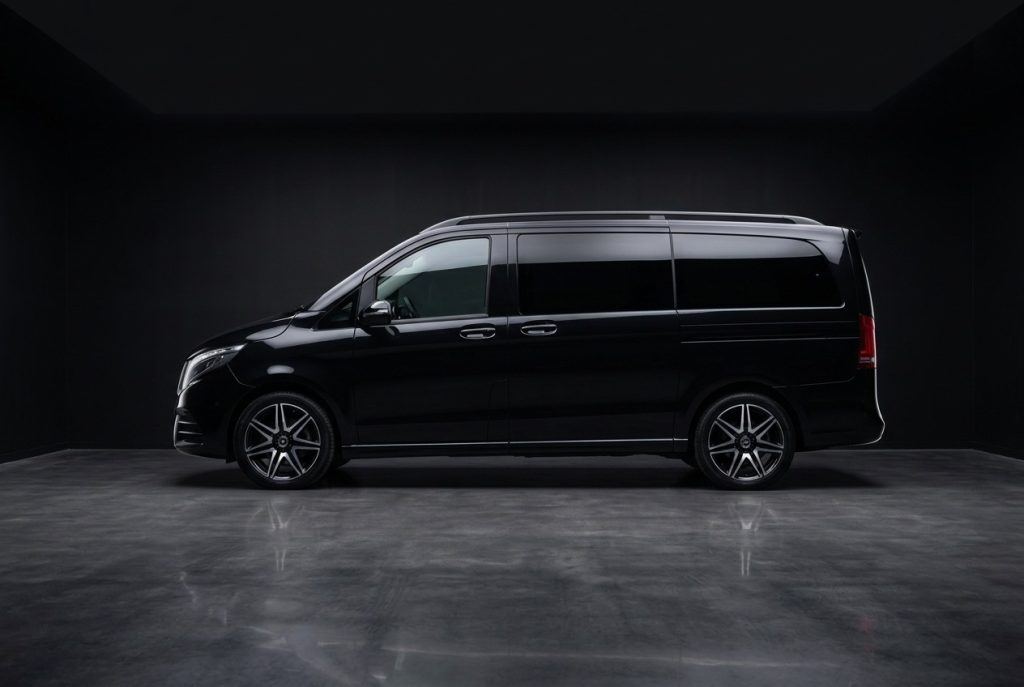
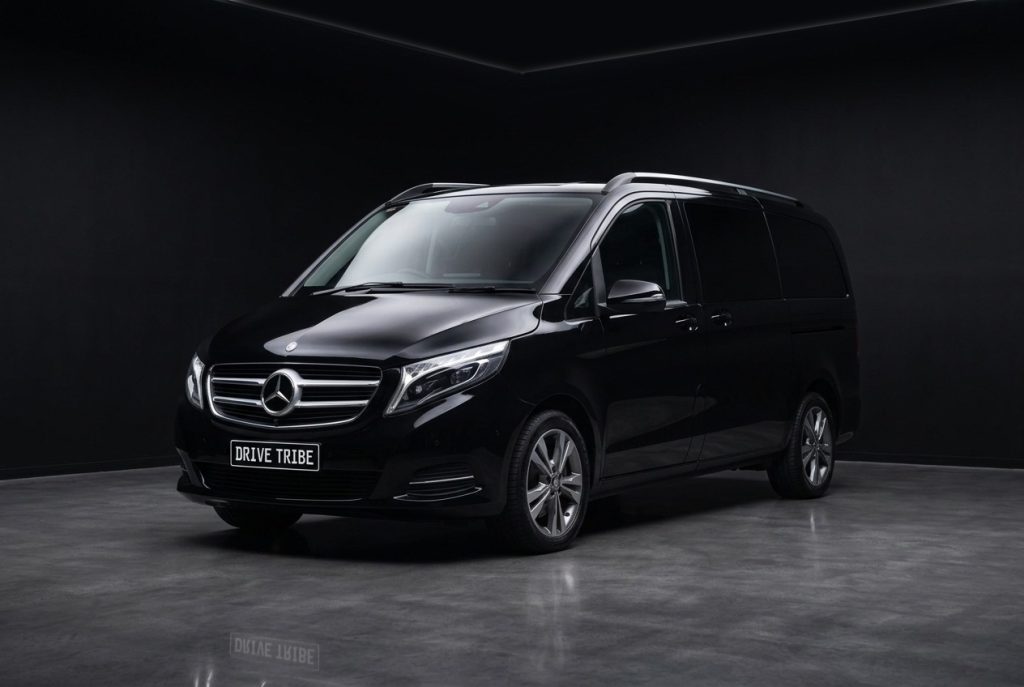
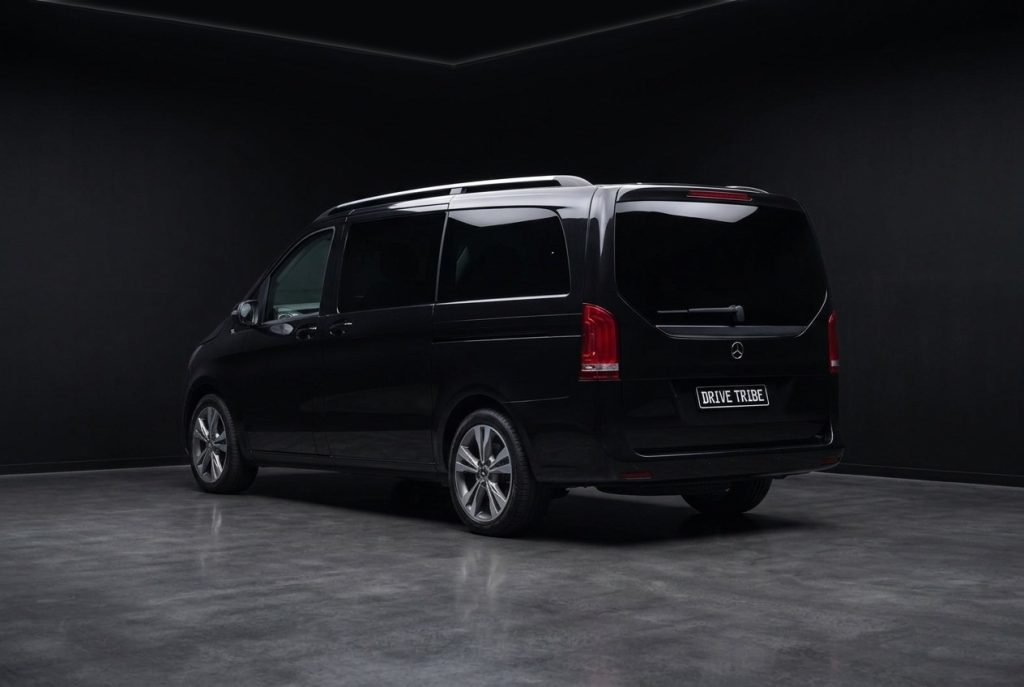
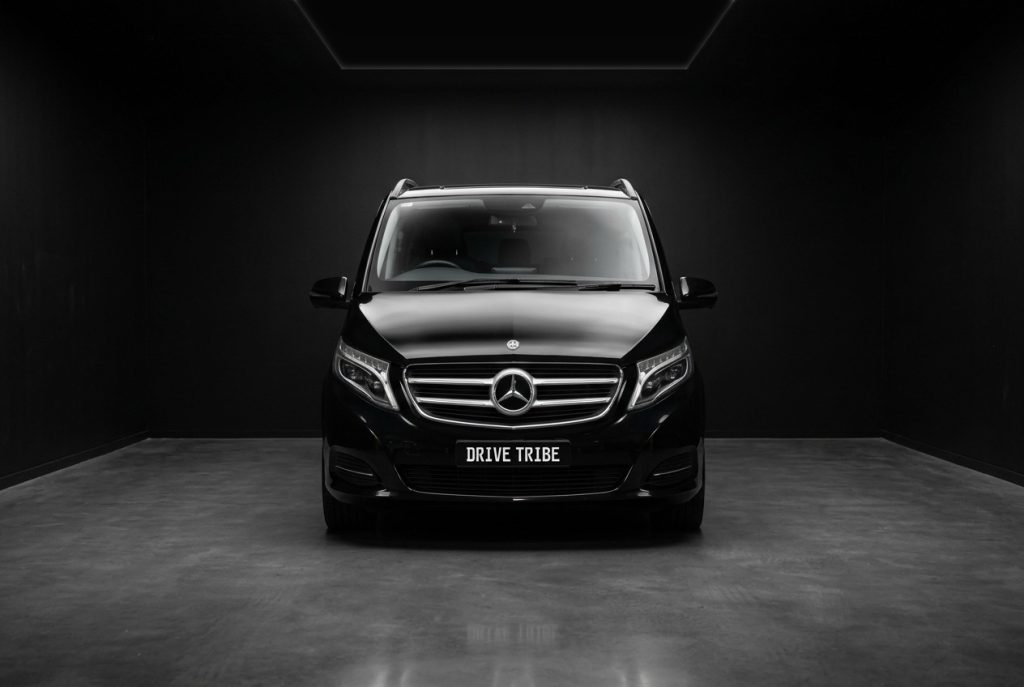
The Mercedes-Benz V-Class Black is our featured choice for groups who want room and refinement together. It is chauffeured only, which means the driver handles the streets while the group stays calm. Its page is the best place to see how it is presented and whether it suits the route you have in mind.
For a more dramatic arrival on a wide, well-lit route, a stretch model such as the Chrysler 300 Gullwing Stretch Limousine or the Hummer H2 Stretch Limousine may suit. Both are chauffeured only, and both carry a sense of occasion that a simple route can make the most of. Match the drama of the car to the calm of the route, rather than the other way around.
Briefing the driver on the streets before the night
The driver knows the city's streets well, but they cannot read your plan at a glance. Share the route, the stops, the order and the timing windows in one place, and mention any stop that needs extra care. The chauffeur planner is designed for exactly this, so the request reaches the driver with the detail already in place.
Tell the driver about the street type at each stop, and the reason behind it. A note that the group is waiting outside a narrow entrance, or that a particular corner is always busy in the evening, gives the driver the context to choose a sensible approach. Context is often more useful than instructions alone, and it helps the driver anticipate trouble before it arrives.
Ask the driver how they would approach the route, too. Experienced drivers often have a view on the best way in and out of a busy area, and their suggestions can save time without any change to the plan itself. A short conversation before the night is a simple way to make the whole evening feel better planned from the start.
A Sydney checklist and an invitation to the featured car
Before the night, run through a short checklist. Confirm the stop for each pickup and the holding spot if there is one. Check the forecast and the local calendar, agree the meeting point and share the final plan with every family. Those few steps remove most of the surprises that catch large groups out in a busy city, and the list is short enough to read on a phone.
On the night, keep one person in charge of the timing and one person in charge of the group. The timing lead talks to the driver, and the group lead keeps everyone gathered and moving. Splitting those roles makes the plan easier to manage when the streets get busy and the clock moves faster than anyone expected.
If the featured V-Class sounds like the right fit for your group, start with its page and then send the route through the planner. A calm, well-briefed journey through the city is a good way to begin a formal night, and it leaves the group free to focus on each other from the first pickup to the last photograph.
Frequently asked questions
Which streets are hardest for a large formal car?
Narrow older streets, tight turns and busy precincts at peak hours are the most demanding. Wide, straight roads with a clear stop at each end are generally easier. Tell the driver which parts of your route you are worried about, so the approach can be planned in advance rather than improvised on the night.
Can the car wait for us during the evening?
Often yes, when it has been arranged in advance. Tell the driver whether the car should wait nearby, return to a set point or leave altogether. A clear instruction in the request avoids confusion when the group is ready to go and the car needs to be brought back around.
Where should a large group wait for the car?
Choose a spot that is safe, easy to describe and clear of the main footpath flow. A doorway or a corner that every family can find is ideal. Send the description and a contact number to the group before the night, and repeat it at the last stop so nobody has to guess.
Are some cars better suited to narrow streets?
In general, yes. A driver may recommend a smaller or easier to manoeuvre vehicle when a route is full of tight turns, even if a larger car would suit the group better. The right choice balances the group's needs against the realities of the streets, so ask for advice in the request.
Does a chauffeured car need to park near the venue?
No. The driver can drop the group at the agreed point and move the car to a holding spot, or wait nearby, as arranged. That means the group never has to search for parking. Confirm the holding arrangement in the request so the driver is ready when the time comes.
What should we check on the day of the formal?
Check the forecast, the local calendar and the live traffic about an hour before the first pickup. Confirm the stop and the meeting point with the driver, and remind the group of the timing window. Keep a second route ready and make any changes in one short message to everyone.
Ready when you are. Send us the date, the times and where you are going, and we will confirm the Mercedes-Benz V-Class Black for your night.
Book NowCall 0468 011 118Want a car nobody else will arrive in? See the Private Signature Collection: rare chauffeured wedding and formal cars, by appointment.