
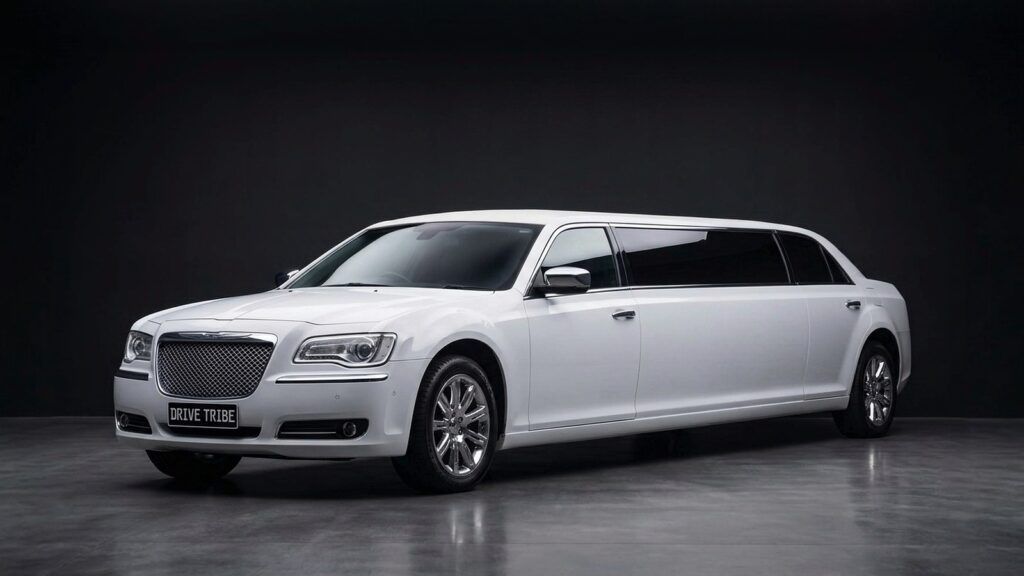
Book the Chrysler 300 Jet Door Limousine with a chauffeur. Send us the date, the times and where you are going, and we will confirm the Chrysler 300 Jet Door Limousine for your night.
Book NowCall 0468 011 118A Wollongong formal night rewards the family that works backwards. The evenings that run most smoothly are rarely the most elaborate ones. They are the ones where the timeline was settled weeks in advance, so the last hour can be spent laughing rather than checking the clock. This guide follows the countdown from eight weeks out to the moment the car pulls up, with general ideas for arrivals, photographs and traffic that suit the coast.
Eight weeks out: the decisions that cannot wait
Eight weeks is a sensible point to make the big decisions. By then the date should be fixed, the venue timing should be known and the family should have a rough idea of how many students and adults will be travelling. These three facts shape everything else. Without them, a car is hard to match to the group, and the timetable has nothing solid to rest on. Write them on one page and keep that page at the top of a shared folder.
Next, decide who is coordinating. One parent or one organised student usually makes the best coordinator, provided the other families agree. This person keeps the list of addresses, collects the confirmations and becomes the first contact for the booking team. Clear ownership at this stage saves a surprising amount of back and forth later, when everyone is busy and nobody remembers who said what on which message.
Finally, start looking at cars. Open the fleet page, shortlist three or four options and note which ones are chauffeured only, since those fit the students' rule without any extra steps. Check the car pages for availability while there is still a good choice, and keep a note of the dates you were able to check so the comparison stays honest when the family talks it through.
Four weeks out: the route and the timetable
At four weeks, turn the list of addresses into a route. Sketch the loop on paper or on a simple map, mark the venue and any dinner stop, and check how each stop connects to the next. The point is to see the shape of the trip before anyone commits to it. Many groups find their first plan has one awkward leg, perhaps a student who lives in the opposite direction, and it is far better to spot that now than on the night itself.
Then build the timetable backwards from the venue arrival. Pick the time the group should step out, add a buffer for parking and photographs, add the drive and then add the pickup windows. Put each step on its own line with a clock time beside it. The result can look almost too simple, which is usually a sign that it is working. Share it with the families once it is complete, and invite them to flag anything that looks wrong before it becomes a problem.
Use the chauffeur planner on the site to enter the pickup points, any intermediate stops and the arrival, then send the request. Doing this at four weeks gives the booking team time to check the route and come back with questions, rather than having to fit a request in at the last minute. It also gives the families one clear document to work from, which is much easier than a string of forwarded messages.

One week out: confirmations and small checks
A week out is the time for confirmations. Ask each family to confirm the pickup window in writing, check the venue address and the arrival time, and make sure the driver's details are saved on the phones of at least two adults. Small details, like a missing house number or an outdated phone number, cause a disproportionate amount of stress on the night, and they are easy to fix while there is still time to spare.
Check the weather forecast for the evening and think about what it means for the photographs. A warm evening may mean the group wants to step out for pictures a little earlier, while a cooler or windier night may call for a shorter session close to the car. Plan a second photo location in case the first is blocked by wind or by a crowd, and let the photographer know both options before the day arrives.
Make a short list of what the students need to bring: shoes, a small bag, any medication, a phone charger and a jacket for the walk from the car. Students who are calm and prepared arrive in better shape, and a single reminder in the group chat is far kinder than a flurry of panicked messages on the night itself. Keep the list short enough that everyone reads the whole thing.
The getting-ready window and the first hour
The getting-ready window is where most formal nights quietly lose their margin. Hair, make-up, outfits and the inevitable change of mind can take far longer than anyone predicted, so give the students a window that feels generous. A useful habit is to ask each student for their own estimate, then add twenty minutes to whatever they say, which tends to be closer to the truth than the first answer.
Keep the first hour low key. Food, water and a short rest help students stay composed, and a quiet space at home makes the photographs feel relaxed rather than rushed. Ask one adult to keep an eye on the clock without hovering, and agree a signal for when it is time to start moving toward the car. A calm household tends to produce a calm arrival, and that difference shows up in every picture.
Think about the photographs at home too. Many families take a short set before the car arrives, then a second set at the car and a third at the venue. Decide in advance which set matters most to the group, so the time is spent where it counts. Dividing the evening into too many small sessions leaves everyone tired before the entrance and makes the final pictures feel forced.
Building the timeline from pickup to venue, in order
A clear timeline is the backbone of the night, and it helps to write it in the order the group will live it. Start with the getting-ready window, then the first pickup, then the loop, then the photograph stop if there is one, and finally the arrival at the venue. Each step should have a start time, an agreed finish and a short note about who is responsible for it.
Keep the timeline short enough to read on a phone. A long document nobody opens is less useful than a half-page list that every parent has seen twice. Bullets help here, because they let a busy parent scan the whole night in a few seconds while getting ready for work or on the drive over.
Print or save the final version and keep it somewhere easy to reach on the night. Give the driver a copy as well, so the route and the windows are the same on both sides. A shared version also means that if the group changes plans, the update reaches every family at once rather than missing some of them entirely.
- A generous getting-ready window with a margin for changes
- First pickup and loop, with a window at each stop
- A photograph session in the best light, capped at fifteen minutes
- Venue arrival with a few minutes to settle before the entrance
- A return pickup time agreed in writing before the night
Arrival ideas that feel relaxed on the coast
The arrival can be planned as carefully as the photographs. On the coast, the approach to the venue can be as memorable as the entrance itself. A slow drive along the water, a quiet detour past a lookout or a steady run into the city centre can all give the group a sense that the night has begun well before they reach the door.
Think about the step out. Decide who leaves the car first, where the group will gather and how they will walk to the entrance together. Many groups enjoy a short walk in a line, arm in arm, with a parent watching from a distance. A clear plan prevents the awkward moment when half the group is outside the door and the other half is still deciding who goes first.
If the venue has a dedicated drop-off area, ask whether the car can use it and how long it can wait there. If there is no suitable space, a nearby street with a safe stop often works just as well. Ask the driver to plan the approach in advance, so the group does not wait while the car searches for a place to stop on a busy night.
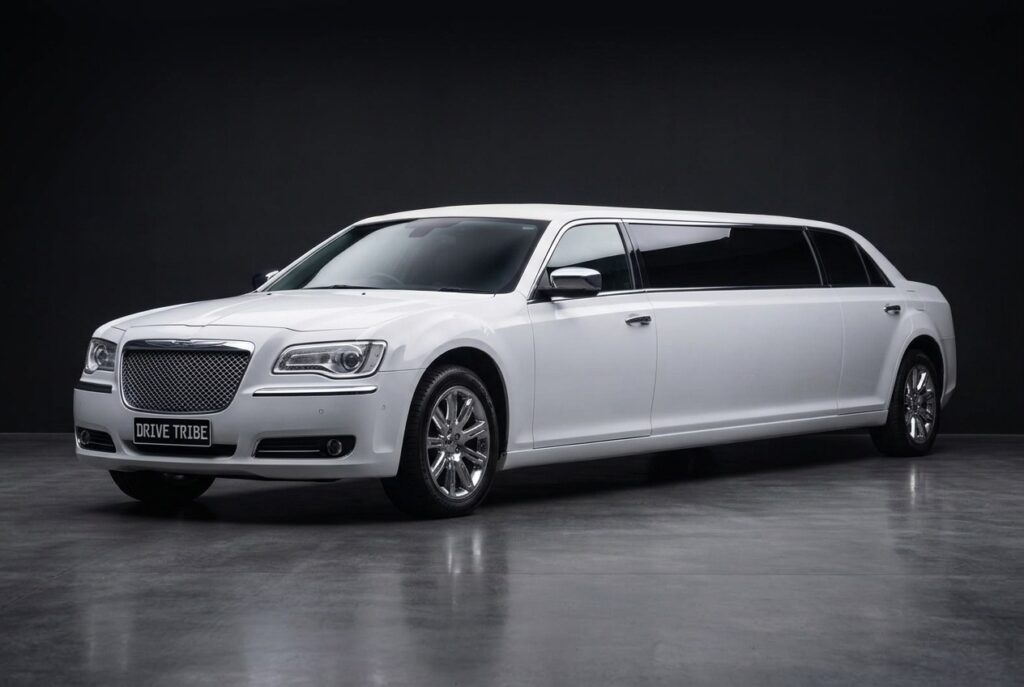
Want the Chrysler 300 Jet Door Limousine for your date? Send us the date, the times and where you are going, and we will confirm the Chrysler 300 Jet Door Limousine for your night.
Book NowCall 0468 011 118Photo spots and the coastal light, in general terms
The coast around Wollongong offers the kind of light that suits formal photographs, particularly in the hour before sunset when the sky softens and the water picks up colour. Plan the photographs for that window and keep the car within the frame where possible, so the image tells the story of the night rather than showing only the group.
Choose general settings rather than fixed locations that may be busy or restricted after dark. Look for open lawns with a clear view of the water, paved promenades with room for a small group, a park with clean lines and a quiet street with a plain background. Scout the location in daylight, confirm the parking and make sure the photographer has permission to work where they plan to stand.
Keep the session focused. Ten to fifteen minutes is enough for the full group, a few pairs and one relaxed moment, and it stops the photographs from eating into the time needed for the arrival. Ask the photographer to call the group back when the time is up, and let the driver know when the car should be ready to move again.
Traffic patterns and the buffer you should build
Traffic is the factor most likely to disrupt a carefully written timeline. Weekend roads around the city can slow suddenly, and an evening with several events in the region can push congestion into streets that are normally quiet. Check the route on the day of the formal, not the evening before, and look at the expected time for both the outbound and the return legs.
A sensible buffer is the extra time you give the plan for the unexpected. A margin of around fifteen minutes is a fair starting point for a short local leg, and more is wise on a busy night or on a route that passes through a crowded centre. Ask the driver to leave with that margin rather than rushing the final kilometres, and tell the group the margin exists so it is not treated as spare time.
Weather can change traffic too. Rain slows driving, and fog or a strong wind can make a coastal road less pleasant to drive. If the forecast looks unsettled, add a little more margin and tell the group the plan is flexible. Students handle changes well when they understand the reason behind them, and a calm update is far better than a rushed drive to the venue.
The return trip and the late finish
The return trip is the part of the night most families forget to plan in detail. Students may be tired, roads can be quieter but harder to read in the dark, and the group may be leaving at different times. Agree the return pickup with the driver before the formal, and confirm the meeting point at the venue so nobody has to search for the car at the end of a long evening.
Think about students who leave early or who want to stay on for a later event. If some of them plan to go on somewhere else, agree in advance who collects them and when, and make sure a responsible adult knows the plan. A single shared list showing who is going home when is the easiest way to keep the finish organised and safe for everyone involved.
Leave a short window after the formal for the group to gather, and consider a fallback meeting spot near the venue in case the entrance is busy. Once the final group is back in the car, a short message to the parents closes the loop and lets everybody head home with confidence. It is a small courtesy that parents tend to remember long after the photographs have faded.
Finishing the countdown with the featured Chrysler 300 Jet Door Limousine
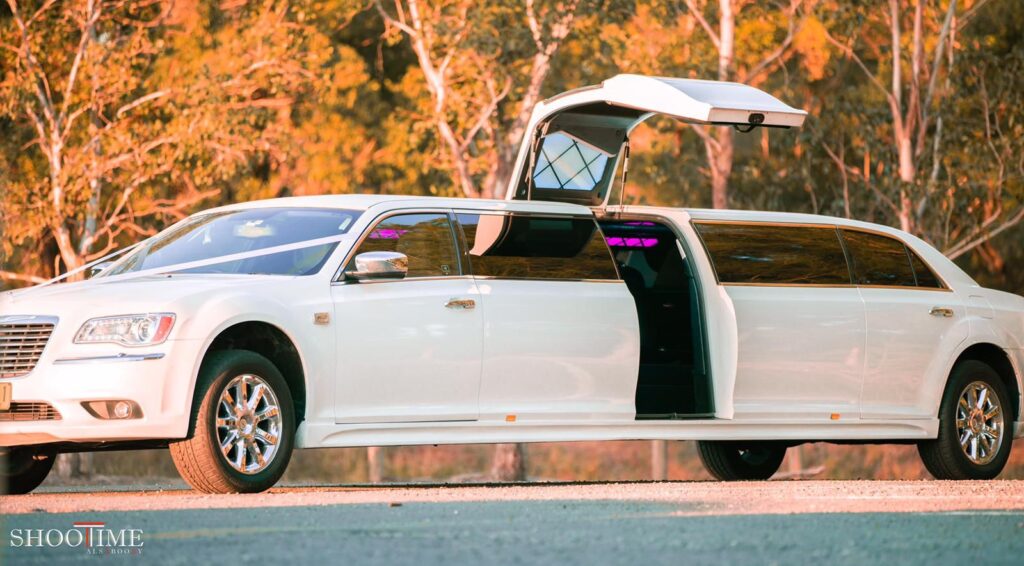
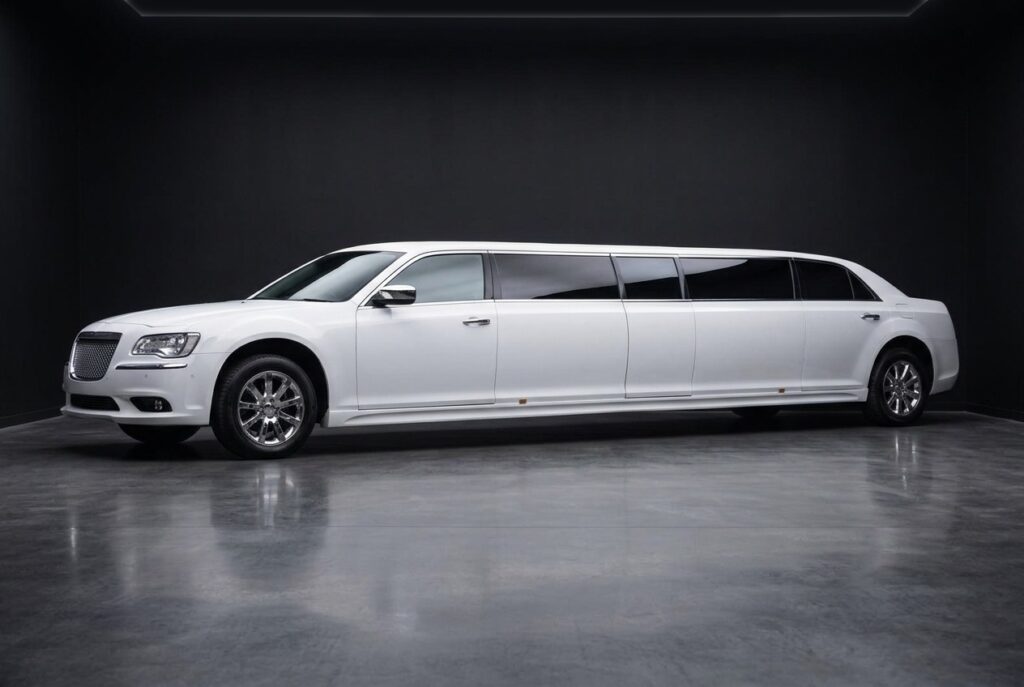
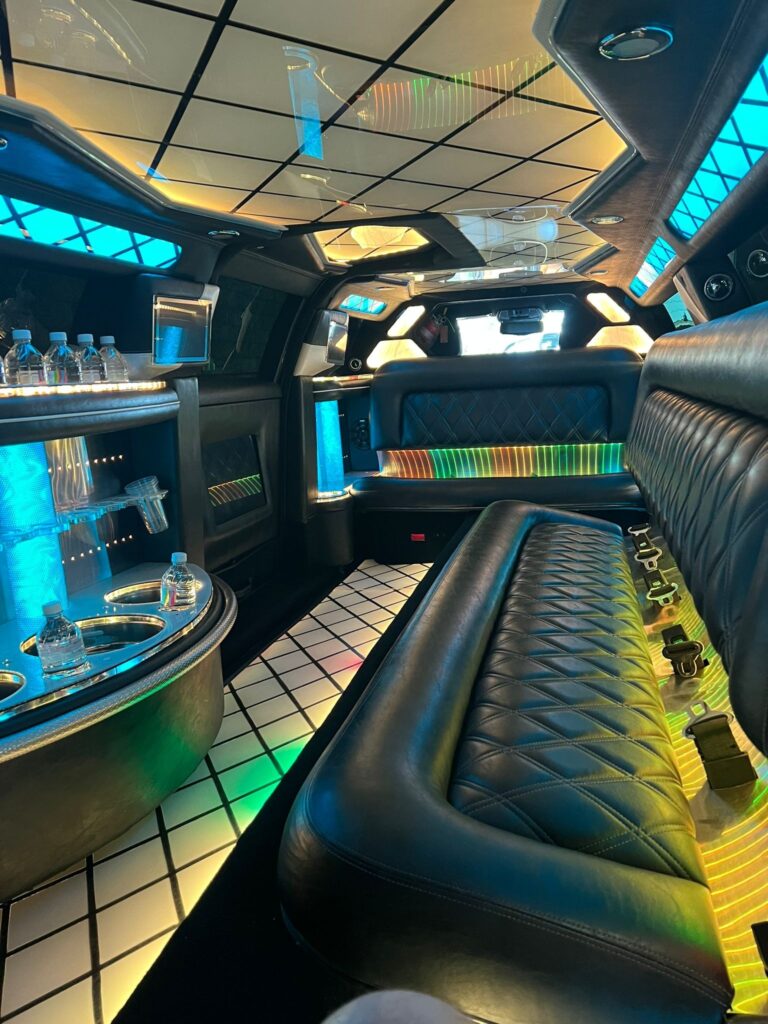
A well-planned countdown ends in a car that makes the arrival feel like the start of something. Our featured choice for Wollongong formal nights is the Chrysler 300 Jet Door Limousine, chauffeured only, which means the students ride while one of our drivers takes care of the route, the timing and the kerb. It suits a group that wants a memorable entrance and a comfortable ride to get there.
Compare the alternatives before you commit. A stretch limousine suits a sociable group, a minibus keeps a larger crowd together and a prestige car with a chauffeur suits a smaller group that prefers quiet. Use the fleet page to look at each option, then check the timing of each one against the timetable you have built. Pick the car that fits the plan, not the one that looks best in a single photograph.
When the timetable is set, send the request, confirm the route and visit the Chrysler 300 Jet Door Limousine page to check the details for your date. Every quote turns on the date, the hours and the route, and the car page or a quote from our team confirms it before anything is agreed. We look forward to helping you finish the countdown with a calm and memorable arrival.
Frequently asked questions
When should a Wollongong formal night timeline be finished?
Aim to have the timeline complete about four weeks before the formal, with the pickups, windows and venue time all written down. Confirm each family's window at the one-week stage, and keep a copy with the driver. Earlier is better for the busiest weekends, because it gives the booking team time to check the route and match a car to the plan before the calendar fills up.
Should students in a formal group ever drive themselves?
No. Anyone under 18 rides in a chauffeured vehicle, with one of our drivers handling the driving and the students in the back. No student is ever behind the wheel of a hire car on the way to or from a formal. Adults who want to drive can look at the self-drive options, where each car shows its own minimum driver age. Keeping the students in one chauffeured booking keeps the timeline and the safety simple.
How much buffer should be added for traffic?
A margin of around fifteen minutes is a fair starting point for a short local leg, and more on a busy night or a route through a crowded centre. Check the route on the day, ask the driver to leave with the margin and tell the group the margin exists. Weather and events can add time, so a flexible plan is more reliable than a tight one.
How long should a photo session last?
Ten to fifteen minutes is usually enough to photograph the full group, a few pairs and the car. Longer sessions tend to tire the students before the entrance and eat into the time needed for the arrival. Plan the session for the best light, choose general locations with clear parking and ask the photographer to call the group back when the time is up.
Is alcohol allowed for students on the night?
No. There is no alcohol for anyone under 18, in any car, and that rule applies to the whole night, including the ride to and from the venue. Each school has its own formal policy, and families should read it before the timeline is locked. A plan that follows the policy from the start avoids difficult decisions later.
What is the best car for a Wollongong formal arrival?
It depends on the group. The Chrysler 300 Jet Door Limousine is our featured choice for a memorable entrance, and it is chauffeured only. A stretch limousine suits a sociable crowd, a minibus keeps a larger group together and a prestige car suits a quieter party. Compare the options on the fleet page and send a request with your timetable attached.
Ready when you are. Send us the date, the times and where you are going, and we will confirm the Chrysler 300 Jet Door Limousine for your night.
Book NowCall 0468 011 118