

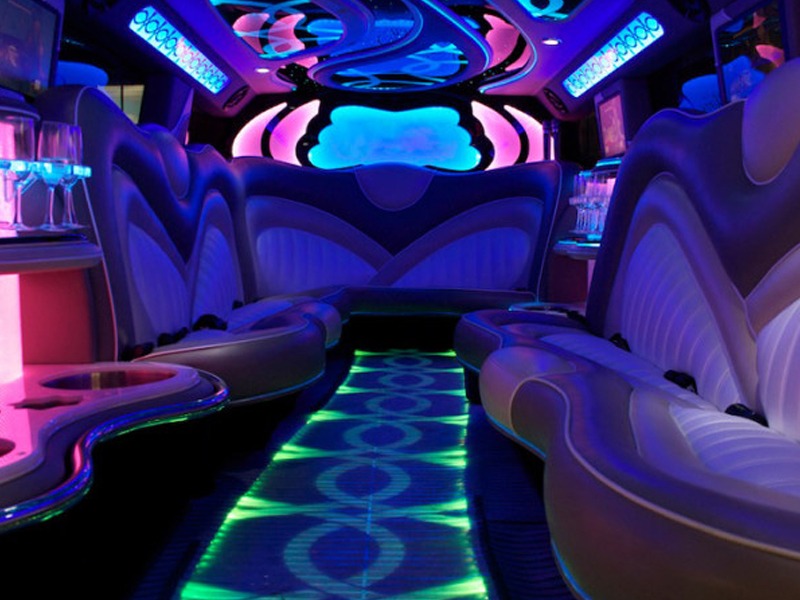
Book the Hummer H2 Stretch Limousine with a chauffeur. Send us the date, the times and where you are going, and we will confirm the Hummer H2 Stretch Limousine for your night.
Book NowCall 0468 011 118In Mexico, the end of school is marked by a graduación, a ceremony and celebration that brings students, teachers and families together in the final weeks of the school year. The occasion combines a formal programme with photographs, music and a meal, and it can be as big or as intimate as a family wishes. Set beside the Australian Year 12 formal, the graduación shows how a community can recognise the same milestone with its own customs. This guide explains how the day usually unfolds and what Australian families can take from it.
What the graduación recognises
The graduación recognises the completion of a stage of schooling and the step into whatever comes next. For a student, that step might be the start of further study, a first job or a move to another city. For parents and grandparents, the occasion is often a moment of pride in what the young person has achieved and in the years of support that made it possible.
Different levels of school have their own graduación, and the scale of the event varies. A small ceremony for a class of younger students can be warm and simple, while the celebration at the end of secondary school can feel more substantial. In each case, the purpose is to mark the moment with respect and with happiness.
Traditions also differ from one school and one region to the next. Some schools keep a strict programme, others leave more room for families to add their own touches. The variety is part of what makes the graduación a living tradition rather than a fixed script.
The ceremony and its programme
The ceremony itself is usually held at the school or in a hall chosen for the occasion. Students are called by name, often walking across the stage in turn, and receive their certificates while family members watch. The pace is steady, and the room tends to be full of quiet attention.
Speeches are a common feature. A school director or teacher may speak about the year, and a student representative may offer thanks to teachers and families. Music often plays between the parts of the programme, and the group might sing together or perform a short piece that the class has prepared.
The programme is planned with care. Teachers rehearse the order of names, the presentation of certificates and the moments where families are invited to stand or applaud. A well run ceremony leaves students and parents feeling that the day has been handled with dignity.
What students and families wear
Students often wear formal clothes for the ceremony. Many choose a dress, a suit or a smart outfit that reflects the occasion, and some schools ask for a uniform or a particular colour. The clothes show respect for the moment and give the photos a polished look.
Families dress up as well. Parents, siblings and grandparents usually choose smart clothing, and many bring a camera or a phone ready for the first photo of the day. The gathering becomes a family portrait, with each person taking a place in the picture.
For Australian families planning a formal, the graduación is a reminder that a dress code can feel personal and festive at once. A simple guide on colour and style helps a group look coordinated, while each student still adds a touch of their own character.
- Students usually dress formally, sometimes in a school colour.
- Families often dress up and bring cameras for the first photos.
- Smart footwear matters, because the day often includes a lot of standing.
Photographs, flowers and the family moment
Photographs are the heart of the graduación for many families. The day brings a stream of pictures, from individual portraits to group shots with classmates and teachers. Parents often ask for a few minutes after the ceremony to take a family photo, and the moment can be as important as the certificate itself.
Flowers are a familiar gift. Students may receive a small bouquet from parents or friends, and the flowers are often carried into the photos. They give the day a warmth and colour that suits the spirit of the occasion.
The family moment usually follows the formal part of the day. A meal together, a visit to a favourite place or a quiet gathering at home can all mark the end of the ceremony. The shape of that time varies, and each family decides what feels right.

The celebration after the ceremony
After the formal programme, many families gather for a celebration. This might be a lunch or dinner with relatives, a party at home or a meal at a restaurant. The atmosphere is relaxed and joyful, and the conversation often turns to what the student plans to do next.
Some groups extend the celebration to include friends and classmates. A group of students may plan a gathering of their own, with music, food and time to say goodbye. These events can be a lively contrast to the ceremony, and they give the year group a chance to enjoy each other's company one last time.
Families plan the celebration around their own priorities. Some want a large event with many guests, while others prefer a small meal with the closest people. Both choices honour the milestone, and the best days leave room for both.
How the graduación compares with an Australian formal
The graduación and the Australian Year 12 formal share a clear purpose: they close a school chapter and celebrate the people who shared it. Both bring the community together, both involve formal dress and both include a meal or a shared moment of celebration.
The formal is usually an evening event with dinner and dancing, planned several months ahead. The graduación is often a daytime ceremony with a formal programme, followed by a family celebration. The energy of each is different, but both are designed to make the moment feel important.
The Australian formal tends to emphasise the group, the dance floor and the arrival. The graduación places more weight on the ceremony and the family. Many Australian families find it helpful to bring some of that family focus into their planning, perhaps with a short moment for parents to see the students before they leave.

Want the Hummer H2 Stretch Limousine for your date? Send us the date, the times and where you are going, and we will confirm the Hummer H2 Stretch Limousine for your night.
Book NowCall 0468 011 118The arrival and the moment at the venue
The arrival is one of the most visible parts of a formal in Sydney. Students step out of a car together, pose for photos and walk into the venue as a group. The entrance gives the night a strong start, and the photos from that moment often become the first memories families keep.
A planned arrival requires a few simple decisions. The car should stop close to the entrance, the order of steps should be agreed in advance and the photo spot should be ready before the group arrives. Those details give the arrival a calm, unhurried feel.
If the group is travelling by car, share the timing with every family and agree on the pickup order. A timetable that everyone can see means the students can focus on the moment, rather than on the clock, when the car pulls up.
Respect, families and different choices
The graduación shows how much respect a community can place in a school milestone. Students are asked to take the day seriously, and families are welcomed to share the moment. That balance of formality and warmth is something many Australian families look for when they plan a formal.
Families differ in how they mark the day. Some prefer a grand celebration, others choose a quiet meal and many find a balance. The fairest approach is to listen to each household, understand their priorities and build the plan around what matters most to them.
A helpful habit is to talk through the timetable with parents early. A clear plan, a transport arrangement and a shared contact list help families feel involved, and they reduce the number of questions that arrive on the day.

Rules for younger guests in Sydney
For younger guests, safety is the first consideration. Anyone under eighteen travels chauffeured in our cars, with a professional driver handling the route. Driving yourself is for adults only, and the age limit for each car is listed on its page.
Alcohol is not part of the plan for anyone under eighteen. Schools set their own rules for formal events and celebrations, and families should share those rules with the driver during planning. We do not carry drink for under-eighteens in any of our cars.
Clear communication keeps the night steady. Each parent should have the name of the group coordinator, the driver's details and the venue entry point. A simple sheet of information avoids confusion and gives families peace of mind.
A featured car for a memorable arrival
If you want an arrival that makes a strong impression, our Hummer H2 Stretch Limousine is one of our featured cars. It is chauffeured only, so the group can relax in the back while one of our professional drivers manages the journey. Its bold presence suits a night that is meant to feel like a celebration from the first moment.
The full range is on our fleet page for anyone who wants to compare options. Share the number of students, the homes you are collecting from and the time you need to arrive, and our team will recommend a car and driver arrangement that suits your plan.
Whether your celebration is a formal night or a family gathering after the ceremony, the arrival deserves thought. Start with the chauffeur planner, set out the pickups and stops, and let us help your group begin the celebration in style.
Frequently asked questions
What is a graduación in Mexico?
A graduación is a ceremony and celebration that marks the end of a stage of schooling in Mexico. It usually includes a formal programme with certificates and speeches, followed by photographs and a family celebration. The scale and style vary between schools, regions and families.
How is a graduación different from an Australian formal?
The graduación is often a daytime ceremony followed by a family celebration. The Australian Year 12 formal is usually an evening event with dinner and dancing, planned months ahead. Both mark the end of a school chapter and both bring the community together in formal dress.
Can students under eighteen drive to a celebration?
No. Anyone under eighteen travels chauffeured in our cars, so a professional driver takes the wheel and the students ride as passengers. Driving yourself is for adults only, and each car page lists the age limit for its driver. Chauffeured hire is the simplest choice for a school event.
Is alcohol allowed for younger guests?
No. Alcohol is not part of the plan for anyone under eighteen. Schools set their own rules for formal events and celebrations, and families should share those rules with the driver. We do not carry drink for under-eighteens in any of our cars.
Can we have a photo stop when the car arrives?
Yes. Include the stop in your timetable with the place and a rough length, and let the driver know before the night. The driver will hold the car steady while the group poses, and we check parking and traffic for the spot beforehand.
What information do you need to prepare a quote?
Give us the day, the time the group must be inside, every stop along the way and the time the night ends. Hours and distance shape the figure, which then appears in a written quote built from your timetable. A complete plan gives you a quote you can check line by line.
Ready when you are. Send us the date, the times and where you are going, and we will confirm the Hummer H2 Stretch Limousine for your night.
Book NowCall 0468 011 118