

Book the Rolls-Royce Phantom with a chauffeur. Send us the date, the times and where you are going, and we will confirm the Rolls-Royce Phantom for your night.
Book NowCall 0468 011 118Pacific Islander communities in Australia span many islands, languages and customs, so no single story describes them all. Within many families, however, the bonds of extended family, respect for elders and shared celebration are strong. This guide looks at how those values can shape a Year 12 formal, from getting ready with cousins to the photographs, the shared meal and the moment the car arrives.
Many islands, many customs
Pacific Islander communities in Australia reflect a wide range of islands, languages and histories. Families may trace their roots to places spread across Polynesia, Melanesia and Micronesia, and their customs differ accordingly. Treating the community as one single group would miss much of what makes each family distinctive and worth listening to.
Even so, some values appear across many households. Family ties often reach wide, respect for elders carries real weight, and gatherings are a way of showing that a young person belongs to something larger than themselves. These themes can guide a plan without deciding every detail for a particular family.
The best starting point is always a conversation. Ask the student, the parents and any grandparents what the milestone means to them and what they would like the day to feel like. The answers will show which traditions to keep at the centre and which to adapt for a modern formal.
Family as the starting point
For many families the formal is a family event as much as a student one. Relatives who have watched a child grow often want to share the moment, and their involvement can begin months before the night itself. Early planning with the wider family prevents disappointment and makes sure the key people have a meaningful role to play.
Roles can be spread across the family. One aunt may help with the outfit, an uncle with the transport plan and a cousin with the photographs. Spreading the work means no single person carries the whole load, and it gives more relatives a sense of ownership over how the night unfolds.
Families differ on how involved they want to be. Some parents prefer a light touch, while others want to be part of every decision from the venue to the playlist. Talking openly about those preferences early keeps the plan respectful and avoids tension closer to the day.

Flower garlands and gifts of honour
Flower garlands are a common way across many Pacific communities to honour a graduate or a special day. Fresh blooms, woven shells or fabric flowers can all play that role, and each family chooses the style they know best. A garland placed on the student at the door can make a striking photograph that the family keeps for years.
Gifts follow a similar spirit. Relatives may bring a small present, a card or a decorative item, and the graduate is encouraged to thank each person in turn. The giving is a form of respect, and families often remember who brought what long after the celebration has ended.
For an Australian formal, a garland can be worn with a gown or a suit, or carried in a hand bouquet that matches the group colour. Ask whoever is making the arrangement to keep the flowers fresh for the photographs and to bring a spare, so the look stays perfect until the final picture at the venue.
Getting ready at home with cousins
Getting ready often becomes a family gathering. Cousins may arrive early to help with hair, pin a sash or simply keep the student company while the morning unfolds. The room can fill with chatter, music and quick fixes, and those moments create memories that last longer than any single photograph.
Time the preparation so the fun does not crowd out the schedule. A clear sequence for hair, makeup, dressing and the flower arrangement keeps the morning moving. Assign one cousin as the timekeeper, who calls out the next task and checks the pickup time at regular intervals.
Give younger cousins small jobs, such as carrying the garland, checking the shoes or holding the phone for the group photograph. Those tasks make them feel included and keep them out of the way of the people doing the detailed work, which benefits everyone in the room.

Photographs with the elders
Photographs with elders are often the heart of the session. A portrait of the student with a grandparent, a picture with an aunt who has helped raise them and a shot with uncles can all be taken before the car arrives. These images tend to be framed and kept for generations to come.
Keep the elders comfortable. Plan a seat, bring a cushion if needed and keep the number of poses short. Ask the elders where they would like to stand, since some will want the best light and others will prefer the shade. Respecting their wishes sets a calm tone for the whole session.
A video call can bring distant relatives into the moment, and a copy of the photographs sent afterwards keeps everyone close. Those messages can mean as much to far-away relatives as the pictures themselves, because they show that the family was thinking of them on the day.
Want the Rolls-Royce Phantom for your date? Send us the date, the times and where you are going, and we will confirm the Rolls-Royce Phantom for your night.
Book NowCall 0468 011 118Food, sharing and the table
Food is central to many Pacific celebrations, and sharing a meal is a way of showing care. A table laden with favourite dishes, a barbecue or a catered spread can feed a gathering and invite conversation. The food is rarely rushed, and it often brings the whole family together in one place for hours.
Timing matters. A big meal before the formal can leave people too full to dance or enjoy the photographs, so families often choose lighter dishes or save the feast for after the night. Agree on the timing early, so the group arrives comfortable rather than too full or too hungry.
Share the leftovers with those who helped. Many families send food home with relatives who came to lend a hand, and the gesture reinforces the sense of shared effort. It is a warm way to close a long day of preparation and thank the people who made it possible.
Some families also keep a small keepsake box for the night. Cards from relatives, a pressed flower from the garland, a ticket stub and a short note from the student can all go inside. Years later the box becomes a record of who was there, and it is often opened again at family gatherings to share the stories behind each item.

Arrival and the family's welcome
The arrival is a moment of pride. Relatives may line the driveway, call out encouragement and take their own photographs as the group steps into the car. The sense of the whole family standing behind the student can be deeply moving for everyone present, including the students themselves.
Think about how the family will be positioned. A clear spot for the elders, a safe place for children and a path for the group to walk out all help the moment flow. Ask one family member to coordinate the crowd so the car can stop in the right place without blocking the street.
Give the family a clear sense of timing. A short window for the goodbye, followed by a clear departure, lets the moment feel generous without stretching the schedule. The driver can wait patiently while the family says its farewells, and the car can leave once the last photograph has been taken.
Keeping rules and respect in balance
Every school sets its own formal rules, and families should read them closely before planning transport or guests. Those rules often cover arrival times, the number of guests and conduct on the night, and the best plans work within them rather than around them.
When students under 18 travel as a group, a chauffeured car driven by a professional is the only sensible option. No alcohol is allowed for anyone under 18 in any car, and motorbikes are not for formals. Our cars keep those rules every time, whatever the occasion or the size of the family.
Respect runs both ways. Families can share their own expectations about curfews, supervision and the route home, and the student can explain what they hope the night will feel like. When everyone speaks openly, the formal becomes a shared success rather than a source of worry for anyone.
Making space for tradition in your formal
If you want to bring a little of your family's tradition into the formal, start small. A garland at the door, a family photograph in the lounge room or a shared meal before the car arrives can carry real meaning without overshadowing the occasion itself.
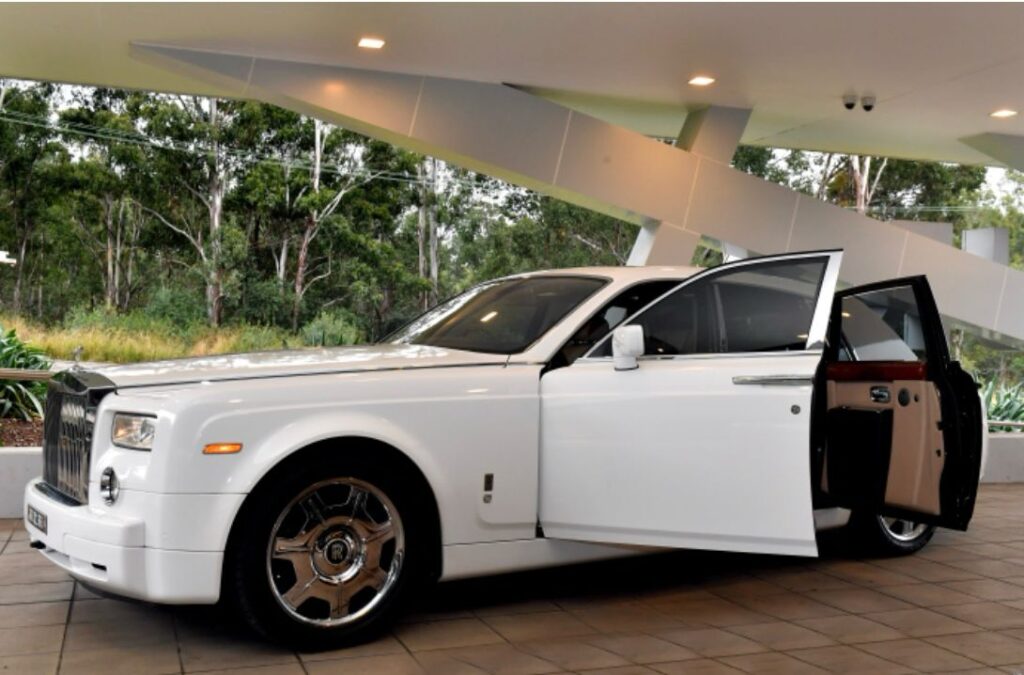
For an arrival that matches the importance of the day, the Rolls-Royce Phantom is the featured car for this article. It is chauffeured only, so the family can watch the student step out with confidence while the driving is handled entirely by a professional behind the wheel.
If you would like to plan a night that honours your family's traditions, begin with the family list, the pickups and the timing. Ask us for a quote and share any ideas for the photographs or the gathering at home. The Rolls-Royce Phantom is our featured car for this kind of night, and its page is the place to start the conversation.
Frequently asked questions
Are all Pacific Islander families the same?
No. Pacific Islander communities in Australia include many islands, languages and histories, and families differ widely in their customs. Some values, such as family ties and respect for elders, appear in many households, but every family decides for itself how to mark a milestone. The best approach is to ask the family what matters most to them.
What is a flower garland and how is it used?
A flower garland is a traditional way to honour a graduate or a special occasion in many Pacific communities. It can be made from fresh blooms, woven shells or fabric flowers. At a formal, a garland can be worn with a gown or suit, or carried in a bouquet that matches the group colour, and it often makes a striking photograph.
Can grandparents and elders be part of the night?
Yes, and many families want them involved. Plan a comfortable seat for elders, keep the photographs short and ask where they would like to stand. A welcome at home or a short gathering before the car arrives lets them share the moment without a long wait, and a video call can bring far-away relatives in too.
How should families plan food around a formal?
Agree on the timing early. A large meal before the night can leave people too full to dance or pose comfortably, so some families choose lighter food beforehand and save the feast for later. Share any leftovers with the relatives who helped, and make sure the pickup time leaves room for dressing and photographs.
Can the family be part of the arrival?
Yes. Relatives may gather at the door or along the driveway to see the group step into the car, and that moment matters to many families. Ask one family member to coordinate the crowd, leave a clear path for the group and give the family a short window for goodbyes so the car can leave on time.
How should families balance tradition with school rules?
Start by reading the school's guidance, then talk with the student about the family's expectations for the night. Agree on curfews, supervision and the route home. Students under 18 belong in a chauffeured car with a professional behind the wheel, and no one under 18 may have alcohol in any car.
Ready when you are. Send us the date, the times and where you are going, and we will confirm the Rolls-Royce Phantom for your night.
Book NowCall 0468 011 118Want a car nobody else will arrive in? See the Private Signature Collection: rare chauffeured wedding and formal cars, by appointment.