
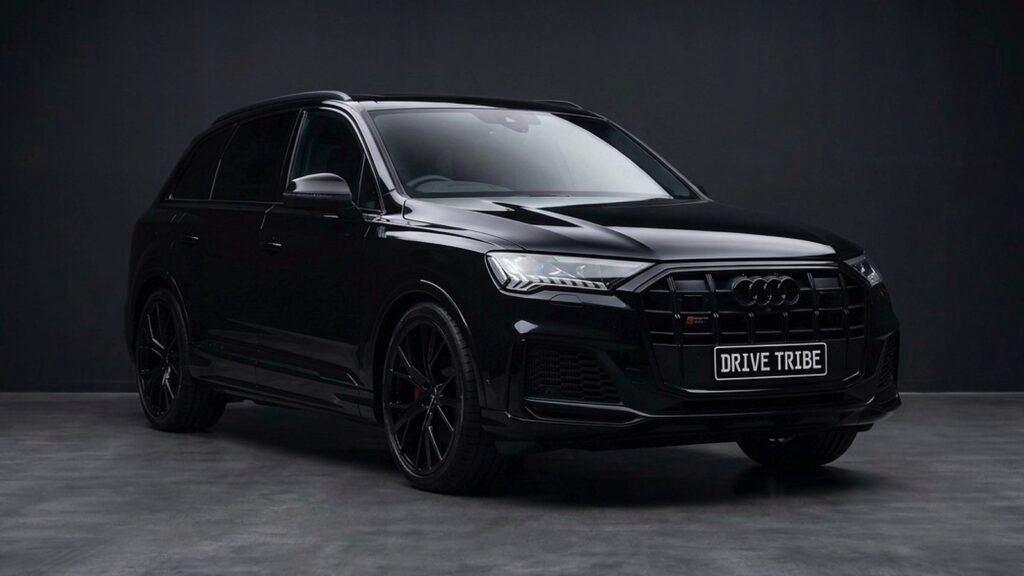
Book the Audi SQ7. Send us the date, the times and where you are going, and we will confirm the Audi SQ7 for your night.
Book NowCall 0468 011 118Think of a formal photo session as a short shot list rather than a single pose. Each frame has a job: the wide picture that shows the car, the moment at the door, the group that looks like a family or a friendship, and the closer frames that hold the small details. This guide takes the Audi SQ7 through that list, from the first wide frame to the last detail, with notes on angles, timing and the phone settings that keep the results sharp.
Build the shot list before the car arrives
A shot list keeps the session focused. Write down eight to ten frames before the day, in the order you want them. Include a wide shot of the car, the doorway moment, a group portrait, a few pairs and one or two close frames of details such as the corsage or the shoes. Having the list in hand means nobody has to ask what comes next, and the photos move along at a steady pace.
Share the list with the people who will be in the frames. Relatives who know roughly where they are standing tend to be more relaxed, and students who know the order can plan their outfit moments. A list also helps the driver, who can hold the car in position for each frame rather than moving it between shots and losing the light.
Keep the list flexible. The best frame of the night is often one nobody planned, such as a laugh as the door closes. Use the list as a safety net rather than a script, and leave a few minutes at the end for spontaneous pictures once the planned shots are done. Those unplanned frames often end up being the ones the family returns to most.
The wide establishing shot
The first frame should show the car in its setting. Stand back far enough to include the whole vehicle, the house or venue behind it and some of the space around the group. A wide frame sets the scene and gives the family a picture that feels like a memory when they look back on it years later.
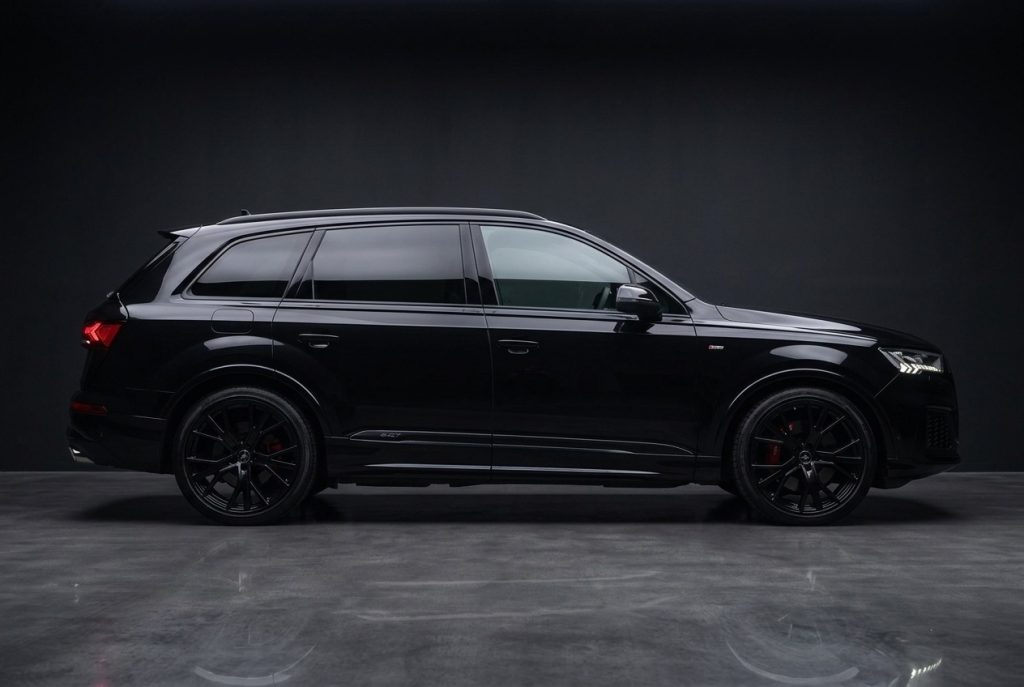
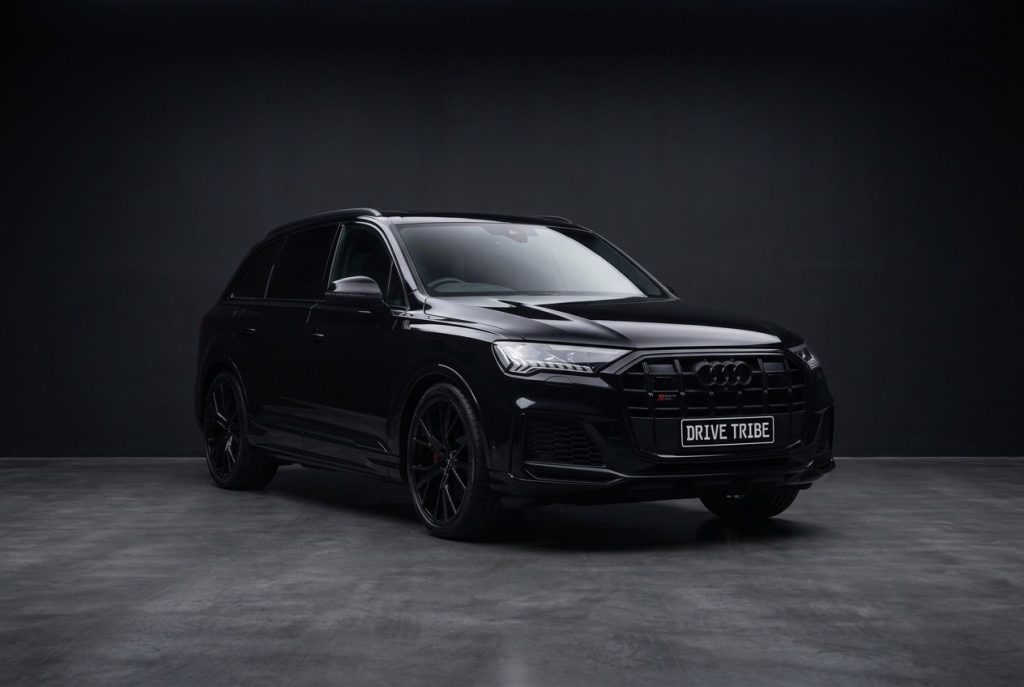
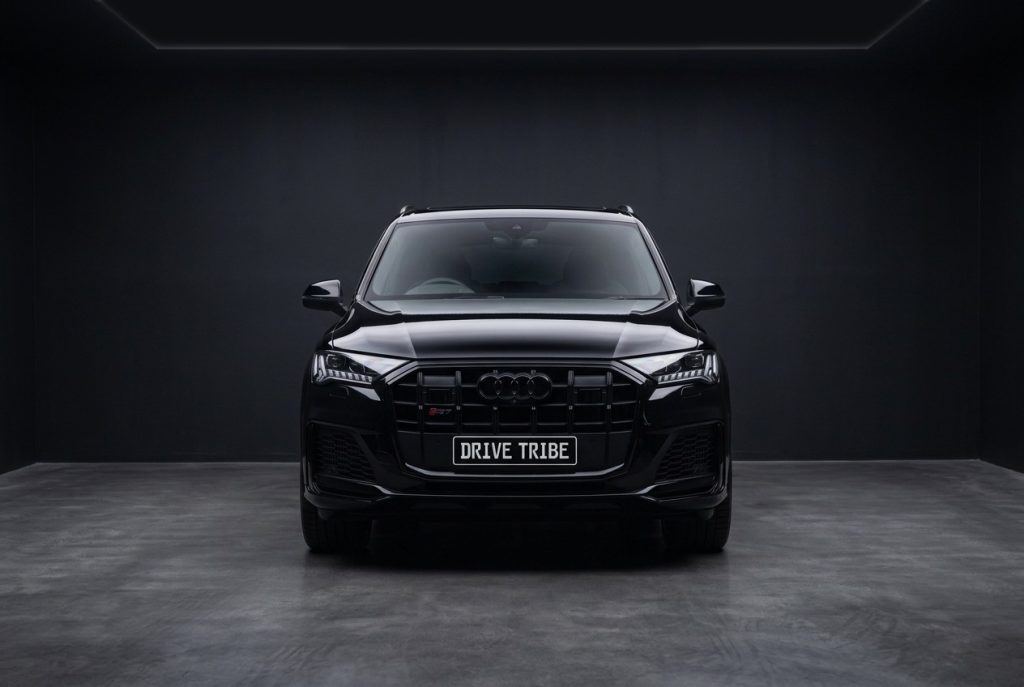
The SQ7 has a clean, modern outline that reads clearly at a distance. Ask the driver to park at an angle where the car's shape is visible without being cut off by a fence, a bin or a tree. Check the edges of the frame before taking the shot, because a stray object is much easier to avoid than to remove afterwards.
Shoot the wide frame early in the session, while the light is steady and the group is still fresh. If the light is changing quickly, take two or three versions so there is a choice when you review the set later. Wide frames are usually the hardest to repeat once people have scattered, so do not leave them until the end of the session.
The doorway moment
The doorway moment is the picture that often ends up on the wall. The student stands in the open doorway of the house, or at the top of the steps, with the car waiting below. Ask them to pause, take a breath and look toward the camera or the car. A still moment in the entrance carries more feeling than a posed stance on the footpath.
Give the student a simple instruction, such as a slow step forward or a small turn to the side. Movement creates a natural look, especially with a long dress or a jacket that shifts as the person walks. Take a short burst of frames during the step, then review the set and keep the best two or three for the family.
Keep the background clear behind the doorway. Remove bags, shoes and loose coats from the hall, and switch off any bright lights that will spoil the exposure. A tidy entrance frames the student neatly and keeps attention where it belongs, on the person and the moment rather than on the clutter nearby.
Low angles beside the wheel
Low angles can make the SQ7 look solid and confident. Crouch slightly, so the camera sits just below the line of the bonnet, and point it toward the front wheel and the lower edge of the car. The result is a stronger picture of the vehicle without extra lights or props, and the car looks like it is ready to move.
Be careful with low angles near the road. Keep the group on the footpath or the driveway, and make sure the camera is never placed where a car might pass. Ask the driver to hold the car still while you crouch, and keep one person watching for traffic while the frame is set up. A low shot is worth taking only when the spot is completely safe.
A low angle works best with one or two people rather than a large group. Place the student beside the front wheel, with the light falling on the face, and let the car fill the background. This creates a more personal frame that still shows the vehicle clearly, and it adds variety to the set without slowing the session down.
Pairs and small groups
Pairs make a warm and personal set. The student with a grandparent, a sibling or a close friend each tells a different story. Set a short window for each pair so the session keeps moving, and nobody is left standing in the sun waiting for a turn.
Keep the spacing comfortable. Ask pairs to stand close, with shoulders touching or arms linked, and to turn slightly toward each other. A little movement, such as a shared laugh or a hand on a shoulder, makes the frame feel alive. Avoid stiff, straight-on poses unless the family specifically asks for them, since relaxed people usually look better on camera.
Small groups of three or four are useful when the friends want their own picture. Stand them in a loose line in front of the car, with the tallest at the back. Take several frames, because someone usually blinks or looks away in at least one of them, and the spare frames save a retake.
Want the Audi SQ7 for your date? Send us the date, the times and where you are going, and we will confirm the Audi SQ7 for your night.
Book NowCall 0468 011 118Night photos under venue lights
If the formal starts before dark, the pictures at the venue need a different plan. Mixed lighting from lamps, signs and an entrance can make skin look orange and shadows look harsh. Choose a spot near a well-lit doorway rather than a dim corner, and try to keep the car and the group in similar light so the set looks even.
Turn off the flash unless it is really needed. A direct flash often flattens the face and throws a bright glare across the car's body. Hold the phone steady, rest it on a wall or a railing if you can, and let the camera use its longer exposure to pick up the ambient light in the scene.
If the venue has a staff member or a host who can point out the clearest entrance, ask them about it. Keep the session short at night, because the group is often tired by then. A few strong frames in good light are far better than a long session that drags and leaves everyone impatient for the dance floor.
Working with the chauffeur
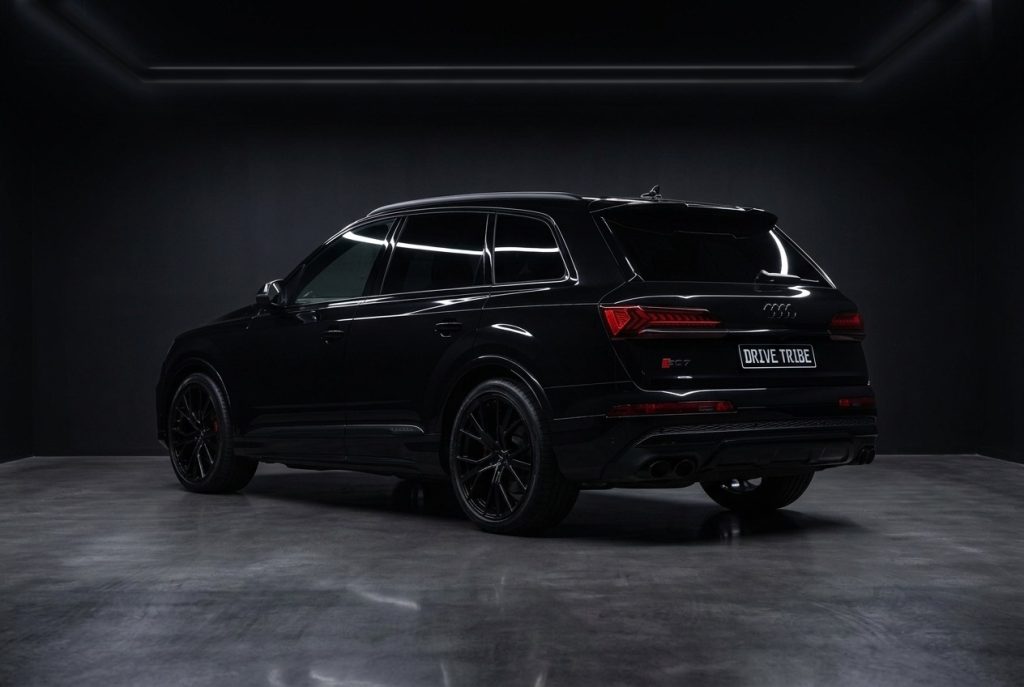
The chauffeur is part of the shoot. A good driver can help with positioning, the angle of the wheels and the distance from the kerb, and that knowledge saves a great deal of time. Tell them early which direction you want the car facing, and ask them to stay in position while you take each frame.
Ask the driver to switch off the engine or the headlights if the car is not needed for air conditioning. A quiet car is easier to photograph, and it avoids engine noise when the family is talking close to the vehicle. Let the driver know when the photos are finished, so the car can leave at the agreed time without a delay.
Do not ask the driver to move the car while the group is standing close, and keep everyone clear of the wheels. A clear signal and a simple plan keep the people safe, and they let the photographer focus on the pictures rather than on the traffic or the spacing around the car.
Phone and camera settings
Settings matter more than most people think. Set the phone to its highest resolution, turn on the grid so the horizon stays level, and tap the subject's face to set focus. Lock the exposure if the sky or a bright wall starts to dominate the frame, and keep the phone level for a balanced picture that looks deliberate.
Avoid digital zoom. Step closer to the group instead, because zooming on a phone reduces detail. If the phone has more than one lens, use the standard one for most shots, and reserve the wider lens for the big group frames when there is room to step back from the car without losing the shape of the vehicle.
Shoot in a burst when people are moving, and review the photos before the group leaves the spot. Check the focus on the student's face, the straightness of the car and whether any hands or hair are in the wrong place. A quick review while everyone is still together saves a trip back to the car later in the evening.
Common mistakes and a shot list to print
The most common mistakes are simple. Standing the group too close to the car, shooting into the sun, leaving bins and parked cars in the background and forgetting to check the hem before the step are the usual culprits. Avoid these, and the photos will look cleaner and more natural with very little extra effort on the day.
Print the shot list on one page and tick off each frame as you go. Keep a small pack with tissues, safety pins, a clip for the hem and a phone charger. A little preparation keeps the session moving and lets the photographer focus on the people rather than on the problems that can appear in the middle of a busy afternoon.
If you are picturing a modern car at the kerb, the Audi SQ7 is the featured car in this guide. It can be chauffeured, guided or self-driven by an adult aged 25 or over, and its clean shape photographs well in the frames above. Talk to our team about the timing and the route, and enjoy the session with the people who matter most.
- Shoot the wide frame early while the light is steady.
- Clear the hallway behind the doorway before the student steps out.
- Keep the phone level and check the horizon with the grid.
- Ask the driver to hold the car still for each frame.
- Review the set before the group leaves the spot.
Frequently asked questions
What is the best order for formal photos with the car?
Start with the wide shot of the car while the light is steady, then move to the doorway moment. Follow with a group portrait, then pairs and small groups, and finish with close details and a few spontaneous frames. Working in this order keeps the session flowing and makes sure the most important pictures are taken while everyone is still fresh.
Can I take the photos at night?
Yes, if the venue is well lit and the session is short. Avoid flash, which can flatten faces and cause glare on the car. Choose a spot near a well-lit doorway, hold the phone steady and take a burst of frames. Keep the group together, and check the photos before the session ends.
Should I use a low angle with the SQ7?
A low angle can make the car look solid and confident, and it works well for a single student or a pair beside the front wheel. Keep the group on the footpath or driveway, and make sure no traffic is approaching while you crouch. Ask the driver to keep the car still during the shot, and take it only when the spot is safe.
How many photos should we plan for?
Plan a short shot list of eight to ten frames, then leave room for spontaneous pictures. Take a burst for each important frame, because people often blink or move. Review the set before the group leaves, so any missed shots can be retaken while everyone is still together.
Can the chauffeur help with positioning?
Yes, a good chauffeur can help with the angle of the car, the distance from the kerb and the timing of the car's movements. Tell the driver which direction you want the car facing before the group arrives, and ask them to stay in position for each frame. A clear plan keeps everyone safe and the session relaxed.
Who can drive the SQ7 for a photo session?
Self-drive is open only to adults aged 25 or over, and students under 18 always ride as passengers. The SQ7 can also be chauffeured or guided, which may suit a family that wants the photo session without any driving at all. The car page shows the options in full, and our team will confirm the details before the booking.
Ready when you are. Send us the date, the times and where you are going, and we will confirm the Audi SQ7 for your night.
Book NowCall 0468 011 118Want a car nobody else will arrive in? See the Private Signature Collection: rare chauffeured wedding and formal cars, by appointment.