

Book the Hummer H2 Stretch Limousine with a chauffeur. Send us the date, the times and where you are going, and we will confirm the Hummer H2 Stretch Limousine for your night.
Book NowCall 0468 011 118Speak to a Sydney student about the big night and the talk usually turns to the car, the photos and who is sitting next to whom. Speak to a student in China about the end of school and you may hear about the gaokao, the graduation ceremony and the family meal that follows. Both traditions close a long chapter, and both are shaped by the calendar, the family and the school. This comparison looks at timing, dress, photographs, transport and rules, and explains why we think the Australian arrival deserves a closer look.
Two ways of closing the school chapter
A formal and a graduation season share a purpose. Each marks the point at which a group of young people leaves one stage behind, and each invites the people who helped them along to share the moment. The events differ in weight and in form, but both give families a reason to dress well, take photographs and celebrate together.
The differences lie mostly in structure. The Australian formal is usually a single evening, built around dinner, dancing and an arrival. In China the end of school is a season: the national examination sits at the centre for many students, and the graduation ceremonies and family meals follow in the same months. The season shapes everything, from the mood in the household to the way families plan their days.
This comparison is written from a Sydney point of view, so it leans toward the way Australian families plan and the way students talk about their night. It is not a verdict on schools or families in China, which vary widely from one region to another. The aim is to describe both traditions with respect and to show where each one can offer an idea to the other.
Timing: the exam calendar and the Australian spring
Timing is one of the clearest differences. The gaokao is usually held in early June, and the graduation ceremonies that follow fall in the same early summer period. The Australian Year 12 formal is usually held in the second half of the school year, when students are still working towards final assessments and, in New South Wales, the Higher School Certificate.
For Sydney families, the calendar shapes almost every choice. A formal held in a busy stretch of term can draw many groups at once, so the earlier the date is settled, the better the vehicle choice will be. In China, the families of students sitting the exam tend to plan their weeks around the examination dates, which changes how they think about the celebrations that come later.
The seasons also change the feel of the evening. A mild Sydney spring night can suit an outdoor photograph session, while a cooler evening calls for layers and a shorter plan. Checking the forecast early, and building a backup spot into the photographs, helps families in both countries enjoy the day.
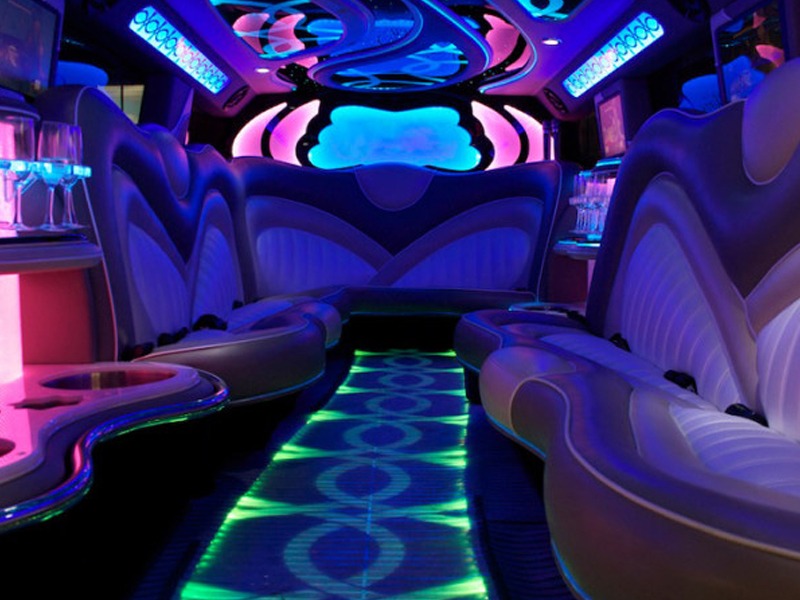
The weight of an exam and the weight of a night
The gaokao carries a different kind of weight from the Australian formal. It is a national examination that shapes many students' options, and the period around it is often focused on study, rest and family support. Families tend to mark it quietly, with a favourite meal or a note of encouragement rather than with a public event.
The Australian formal is not an exam, but it can feel like a high-stakes night for some students, because it is often the first time a group has planned something this significant together. The stress is usually about the outfit, the timing and the people, rather than a grade. Both traditions ask young people to carry something important, and both benefit from calm, supportive adults around them.
Recognising that difference matters when comparing the two. An Australian formal can be relaxed and joyful because the academic milestone has already been reached, while a gaokao season is a serious period for the student and the household. Respecting that seriousness is part of understanding the Chinese tradition fairly.
Dress: school uniforms, gowns and the formal look
Dress is an area where the two traditions have a lot in common. In China, students often wear school uniform or smart clothes for the ceremony, and university graduates wear academic gowns for their photographs. Australian students choose gowns, dresses, suits or dinner jackets, and the look is usually planned weeks ahead, with fittings and shopping lists.
The photographs are where the traditions often meet. Groups in both countries like to gather for pictures with friends, and families want their own record of the day. A good plan for the photographs, with a shot list and a time limit, makes the session feel generous rather than tiring. That principle works in a Sydney park and in a school courtyard alike.
For Australian families, the most helpful habit is to plan the look as a whole, rather than one piece at a time. Shoes, hair and bags can make or break the photographs, so settling them early saves a rushed morning. A calm start to the day helps the arrival feel relaxed and the photographs feel natural.

Invitations and the friendship group
The way students invite one another, or arrange the night together, differs between the two traditions. Australian students usually arrange the formal through friendship groups, with the question of who to bring settled over a few weeks of conversation. The result is a group that tends to arrive together and stay together for most of the evening.
In China, the end of school is often shared across the wider school community. Classmates, teachers and families take part in the ceremony, and the celebration afterwards can bring relatives and friends who were not part of the school day itself. That wider circle is one of the most appealing parts of the season, and it reflects the close links many families have with the school.
Whichever approach a group takes, it helps to agree the headcount early. Knowing who is coming, including adults and guests, makes the timetable and the transport far easier to plan. A clear list means nobody is left wondering whether there is room for them on the night.
Want the Hummer H2 Stretch Limousine for your date? Send us the date, the times and where you are going, and we will confirm the Hummer H2 Stretch Limousine for your night.
Book NowCall 0468 011 118The arrival: where we think the Australian formal leads
This is the section where we make the strongest case. The Australian formal arrival, with a group stepping out of one car together at a set time, is a tradition worth protecting. It gives the night a clear opening, a shared moment and the sense that the group has arrived as one. A well-planned entrance is often the first photograph families look at afterwards.
Graduation days in China can include memorable arrivals too, especially when families travel together to the ceremony. The difference, in our experience, is in how the day is organised. An Australian arrival is usually built around one chauffeured journey, with a timetable that starts at home and ends at the door. That structure keeps the group together and makes the start of the night calmer for everyone.
Anyone under 18 rides in the back while a professional driver handles the road, the turns and the kerb. That principle removes a great deal of pressure from the night and lets the group enjoy the journey together. It is one of the reasons the Australian arrival feels so composed.

Rules and safety for younger students
Some rules travel well between countries. There is no alcohol for anyone under 18, in any car, for the whole of the day and night. Schools have their own guidance, and families should read it closely before finalising the plan. Agreeing the rules early, and explaining why they matter, makes them much easier for young people to accept.
Our standard for students is clear. Students under 18 never drive a hired car, and they travel chauffeured on every leg of the day. That applies to the short hops between home, the photographs and the venue as well as the longer trips. A single chauffeured plan keeps the group together and the timings honest.
Adults can make their own transport arrangements, and some like to drive. The students' ride should be kept apart from any adult booking, so the young people's journey stays simple and clearly organised. That separation avoids confusion about who is responsible for what on the night.
The family meal and the evening that follows
In many Chinese families, the end of the season is marked by a meal together. It may be a lunch after a ceremony, a dinner at home or a shared table with relatives who travelled to be there. The meal gives everyone time to talk and to celebrate without a clock on the wall, and it often becomes the most treasured part of the day.
The Australian formal follows a tighter sequence, with dinner, dancing and a set finish. Some groups keep the party going afterwards at a family home or a friend's place, with a sensible end time and a confirmed ride home. Both kinds of evening benefit from a plan for the end of the night, including a meeting point and a responsible adult in charge.
Families in both countries can borrow from each other here. The Australian habit of a clear finish and a confirmed ride home pairs well with the Chinese habit of a generous, unhurried meal. Combining the two gives the evening both structure and warmth.
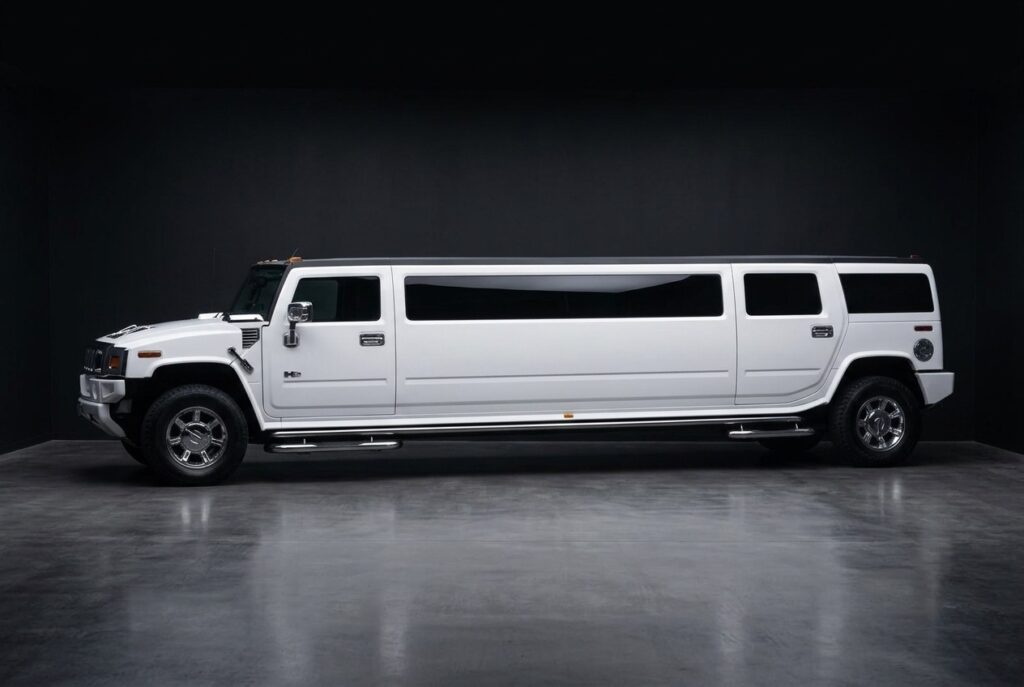
What each tradition offers the other, and the featured Hummer H2
Australian formals could learn from the way many Chinese families gather their wider circle around the day. Inviting grandparents, cousins and family friends to see the group off, or to join a short photograph session, can make the night feel more connected. It is a generous step that many families would welcome.
Our featured choice for a bold, sociable arrival is the Hummer H2 Stretch Limousine. It is chauffeured only, so the students can gather in a long cabin while one of our drivers manages the route and the kerb. Other options suit other groups: a Rolls-Royce Phantom for a calm, formal arrival, a Chrysler 300 Gullwing Stretch Limousine for a sociable crowd and a van for a larger group in one vehicle. The fleet page lays them side by side.
When your plan is ready, send the request with the pickups, the venue time and the return. The Hummer H2 Stretch Limousine page sets out the details for your date, and the booking team can confirm the route. Whether your night is an Australian formal or a family gathering after an exam, the same principles apply: plan early, keep young people chauffeured and let the arrival be a moment worth remembering.
Frequently asked questions
Is an Australian formal the same as the gaokao season?
No. The gaokao is a national examination that shapes many students' options, while an Australian Year 12 formal is a celebration held in the second half of the school year. Both mark important points in a student's life, and both benefit from calm and supportive adults around them, but their purpose and weight differ.
When is the gaokao held compared with a Year 12 formal?
The gaokao is usually held in early June. An Australian Year 12 formal is generally held in the second half of the school year, while students are still working toward final assessments. The different calendars mean families plan the celebrations in very different ways.
Why is the arrival so important for an Australian formal?
Think of the arrival as the opening scene. A group that steps out together at a set time gets a clear opening, a chance for photographs and a sense of having arrived as one. A chauffeured journey keeps the group together from the first pickup, which makes the entrance calmer for everyone.
Can students under 18 drive themselves to a formal?
No. Anyone under 18 rides in the back of a chauffeured car, while a professional driver handles the road. Any adult who wants to drive can look up the age limit on the relevant car page. A chauffeured plan keeps the timetable simple, because nobody has to manage the road on the night.
Is alcohol allowed at a formal or a graduation?
No alcohol is allowed for anyone under 18, in any car, and that applies to the whole day and night. Schools set their own guidance, and families should read it alongside the plan. Agreeing the rules early and explaining the reasons behind them makes the celebration easier to enjoy.
Can a group book the featured Hummer H2 Stretch Limousine?
Yes, you can ask for the Hummer H2 Stretch Limousine for your group. It is chauffeured only, so the students ride together while one of our drivers manages the route. It is our featured choice for a bold, sociable arrival. Send the pickups, venue time and return plan to the booking team, who will confirm availability for your date.
Ready when you are. Send us the date, the times and where you are going, and we will confirm the Hummer H2 Stretch Limousine for your night.
Book NowCall 0468 011 118Want a car nobody else will arrive in? See the Private Signature Collection: rare chauffeured wedding and formal cars, by appointment.