
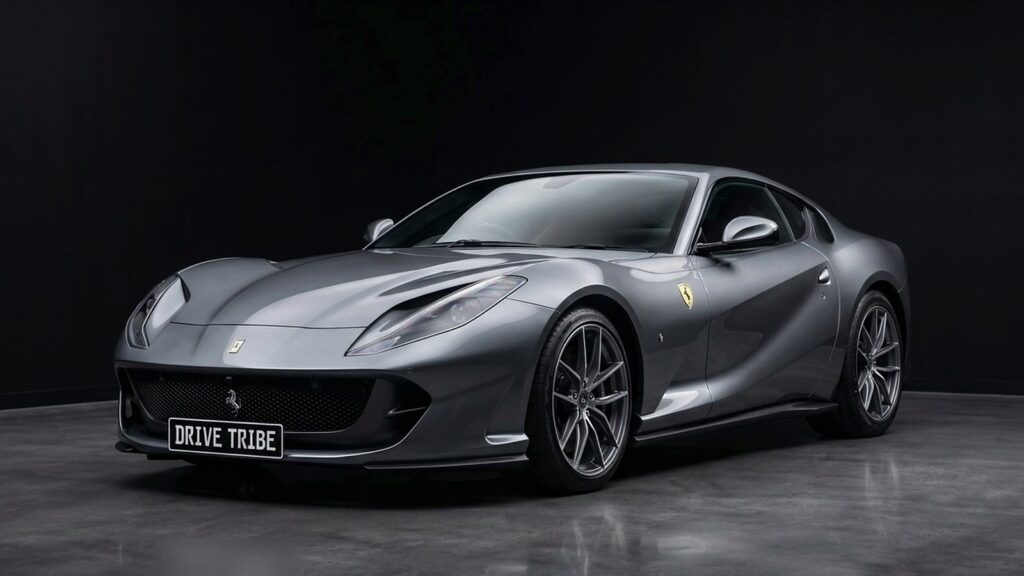
Book the Ferrari 812 Superfast with a chauffeur. Send us the date, the times and where you are going, and we will confirm the Ferrari 812 Superfast for your night.
Book NowCall 0468 011 118Some cars arrive with a clear story, and some are asked to carry one. The Ferrari SF90 Stradale begins its story with its name, which points back to the racing team and forward to the road it was built to own. Its design takes Ferrari's track thinking into a car you could drive to the coast, and its hybrid drivetrain changed how a road car is judged. This article looks at where the car came from, how it was shaped and why it still matters to anyone who follows supercars closely.
The name that points two ways
Ferrari names its cars with care, and the SF90 Stradale is no exception. The first part of the name refers to the Scuderia, the racing team whose history runs through Formula One and endurance racing. The anniversary it marks is a reminder that the road cars and race cars have always shared a family tree, even when their jobs look very different on paper.
The second word matters just as much. Stradale is Italian for road, and Ferrari uses it to signal that a car is built for public roads rather than the circuit alone. A Stradale is expected to be usable, comfortable enough for a long drive and civil in traffic, while still delivering the sharp reflexes of a machine born on the track.
Read together, the two words set the brief. The car had to carry racing knowledge into an everyday setting without losing the focus that defines the marque. That tension between track and street runs through nearly every decision made in the car's design, and it is the easiest way into understanding why this Ferrari feels the way it does.
Electric help, combustion heart
The SF90 Stradale is a plug-in hybrid, and that single fact shaped the whole project. Its engine is a twin-turbocharged V8 mounted behind the driver, and it works alongside electric motors that add their own immediate contribution. The result is a car that can feel both direct and layered, depending on how it is driven and which setting has been selected.
Engineers saw electrification as a way to add performance rather than simply reduce consumption. Electric motors respond with a directness that a combustion engine cannot match at very low speeds, and they can fill the gaps while the turbochargers build pressure. Instead of masking the V8, the hybrid system sharpens its response and blends the two sources into one continuous surge.
This approach shows real respect for the combustion engine. The V8 remains the emotional centre of the car, and its build and its character stay visible from the driver's seat. The electric system supports the engine rather than replacing it, which is why enthusiasts who prefer purely mechanical cars often find the SF90 more convincing than they expected.
A design built around airflow
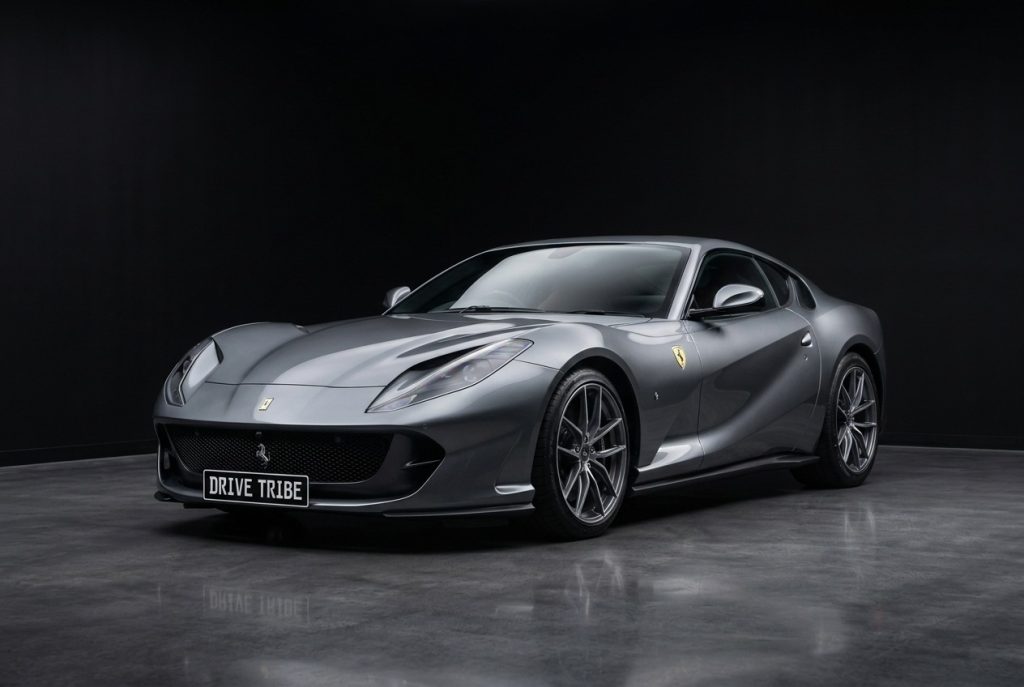
Look at the SF90 Stradale from the front and the car seems to be sliced into layers. The nose has a sharp, angular lower intake, and the bodywork rises in clean surfaces toward the cabin. Every opening has a job to do, whether feeding air to the engine, cooling the hybrid components or guiding the flow over the car so it stays composed at speed.
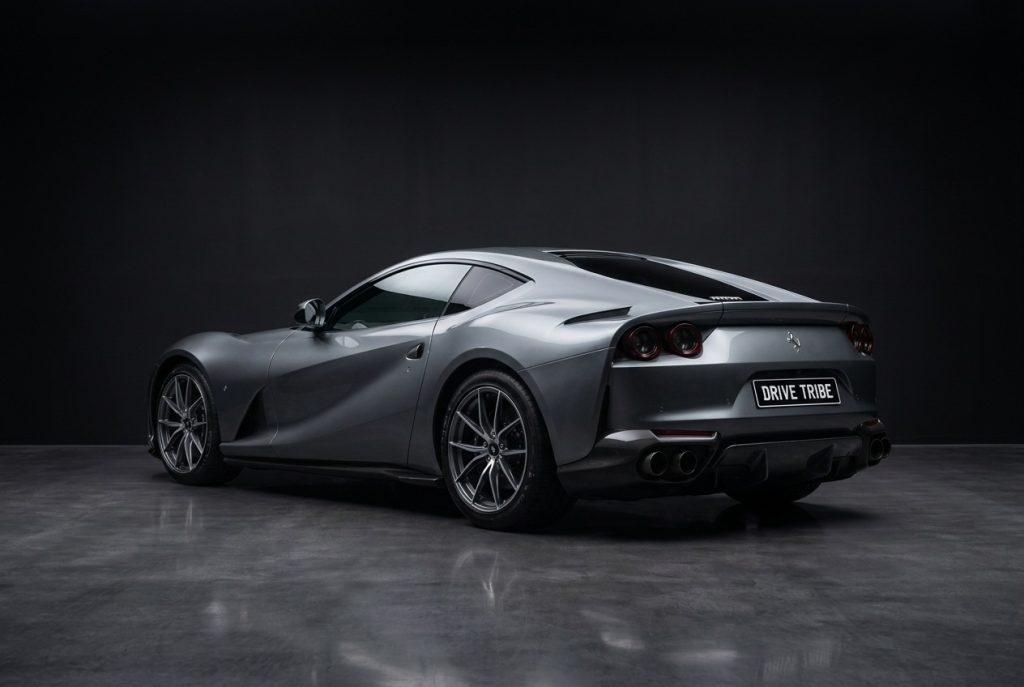
The rear is just as deliberate. The engine bay is visible through the glass, and the surfaces around the exhaust outlets are sculpted to manage heat and air as they leave the car. Designers balanced visual drama with function, so the shape you admire in a photograph is also the shape doing the work on a fast road.
What makes the design memorable is its sense of control. Surfaces flow into one another without fuss, and the aerodynamic features feel integrated rather than added on afterwards. That approach gives the car a composed quality, and it makes the SF90 easy to recognise from a distance, even among modern supercars with similar silhouettes.
The cabin as a cockpit
Step inside and the design logic becomes clear. The cockpit is arranged around the driver, with the controls within easy reach and the instrument display aimed squarely at the person behind the wheel. Passengers have their own space, but the layout never loses sight of who is meant to be doing the driving.
Materials are chosen for both feel and function. Surfaces that are touched often are finished to suit the hand, while structural elements are kept lean. The seats hold the body firmly, which matters when the car changes direction quickly, and the view forward is framed so the nose and the road ahead stay easy to read.
The steering wheel carries a dense set of controls, and it takes a little time to learn them. Many drivers describe the first outing as a process of discovery, working out which switch does what and how the car responds to each mode. That learning curve is part of the appeal, because it turns the cabin into a place where the driver feels fully involved.
Sound, feel and character
A turbocharged V8 has a voice that differs from the high, rising notes of a naturally aspirated engine. In the SF90 the sound is deeper and more textured, with a rush as the turbochargers work and a crisp edge as the revs climb. The electric motors add a quieter layer, which changes the feel of the car from one moment to the next.
Feel is where the engineering shows most clearly. The steering is precise and communicative, giving a clear message about what the front tyres are doing, while the chassis settles quickly after a change of direction. The car seems to plant itself through a corner, and that sense of stability is one reason it feels so confident on a winding road.
Character is harder to pin down, but it is the thing people remember. Some cars feel like tools and others like companions. The SF90 leans toward being a focused partner. It asks the driver to pay attention, rewards that attention with precise responses and leaves a lasting impression long after the drive has ended.
A bridge in the supercar story
Over the last decade the supercar world has shifted. Turbocharging, hybrid systems and lightweight construction have joined the older mechanical thinking that once defined the class. The SF90 Stradale stands at a point in that change, and it shows how a manufacturer can carry its traditions into a new technical era without abandoning them.
For many enthusiasts the car is a bridge. It keeps the drama of a V8 with a strong sense of occasion and the visual language of a classic Ferrari, while adding the efficiency and immediacy that electric assistance brings. That combination helped define what a modern flagship road car could be, and it set expectations for the models that followed.
The shift has not been without debate. Some purists feel the hybrid system dilutes the pure experience, while others argue it is simply a better way to deliver performance. The SF90 invites that conversation, and its reputation has made the question harder to dismiss with a shrug.
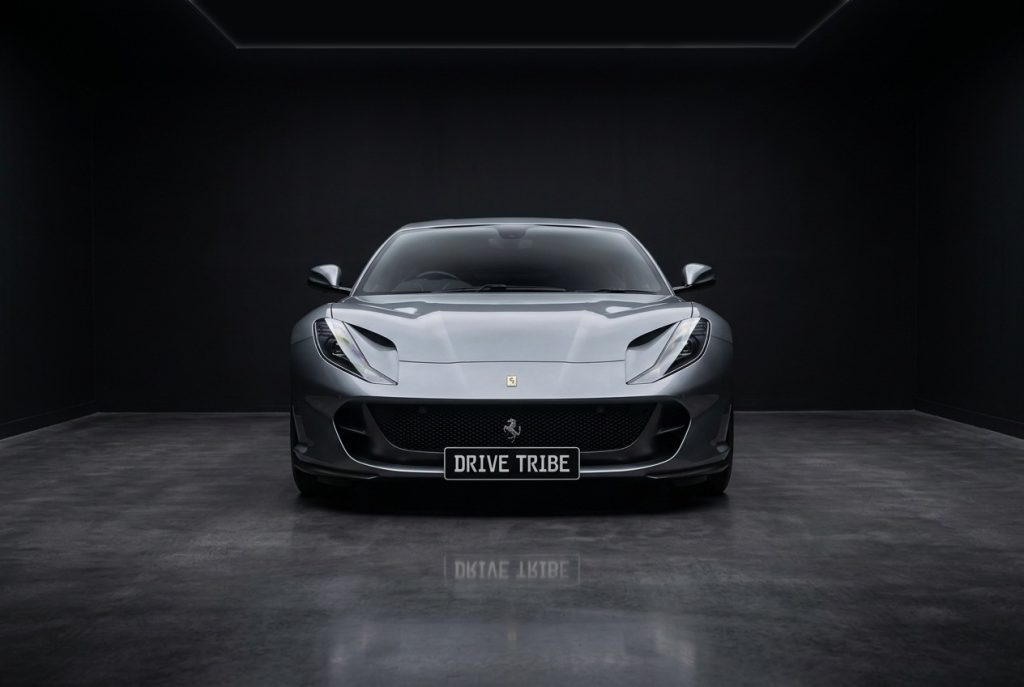
Want the Ferrari 812 Superfast for your date? Send us the date, the times and where you are going, and we will confirm the Ferrari 812 Superfast for your night.
Book NowCall 0468 011 118Why people still talk about it
Cars only a few years old can feel fresh, but the SF90 has a reputation that reaches beyond its age. Enthusiasts discuss it in terms of its engineering, its design and its place in Ferrari's history. Its presence in magazines, forums and clubs keeps it in the conversation long after its launch.
Collectors often think about a car's story as well as its specification. The SF90 has a clear narrative: a road car inspired by the racing team, built with hybrid technology and finished to a high standard. That narrative gives it a place alongside the cars that came before, and it helps explain why interest has stayed strong.
Exclusivity plays a part too. A Ferrari of this kind is rarely seen in ordinary traffic, and the people who own one tend to treat each drive as an occasion rather than a routine trip. That sense of occasion keeps the car in the spotlight, which is exactly how a Ferrari is meant to be seen.
Engineering ideas beyond the car
The SF90 is more than a showcase. Its engineering ideas, from managing power across two sources to handling heat in a compact engine bay, carry through to other models. Engineers learn from every project, and this one has shaped how the company thinks about the balance between speed, efficiency and driver engagement.
Weight distribution is another lesson. A mid-engined layout places the mass close to the centre of the car, which helps it feel settled and responsive. Electric components add weight of their own, so the team had to work hard to keep the car nimble, using careful packaging and lightweight materials wherever possible.
Software plays a growing role as well. The way the car blends its power sources, adjusts its responses and manages its stability is governed by code as much as by hardware. This interplay between mechanical and digital systems is likely to define the next generation of performance cars, and the SF90 is an early chapter in that story.
How it sits beside its siblings
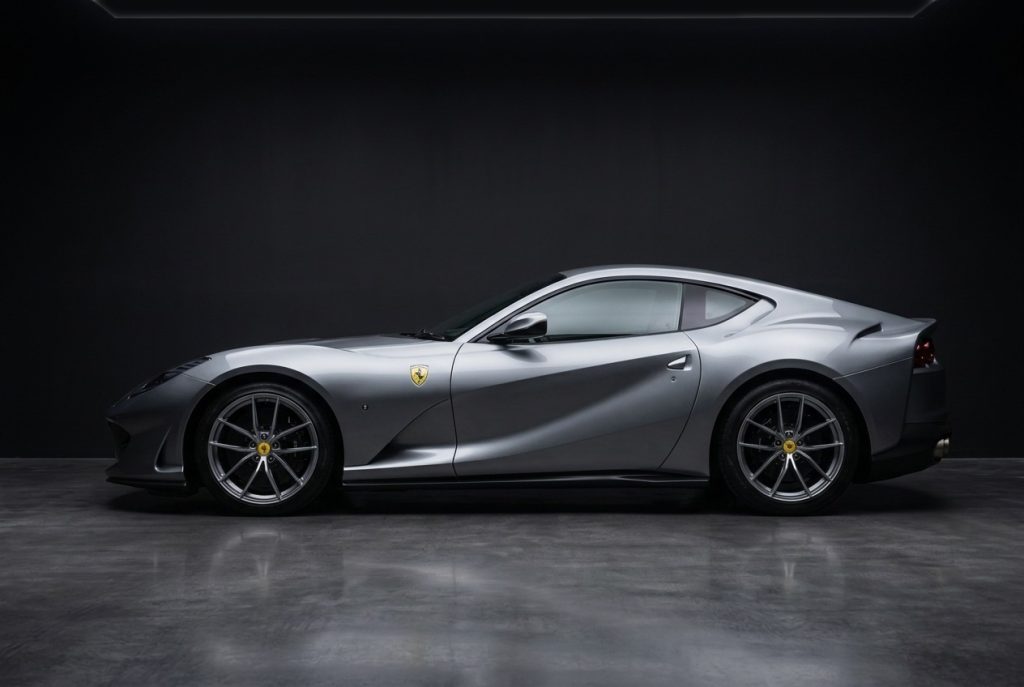
The SF90 Stradale is often compared with the 812 Superfast, the front-engined grand tourer that carries a naturally aspirated V12. The two cars share a commitment to strong design and to a driver-focused cabin, but they approach performance from different angles. One leans on electric assistance and mid-engined balance, while the other relies on the grand, unhurried character of a large atmospheric V12.
That difference creates a useful contrast. The 812 Superfast offers a sense of effortless reach and a voice that many enthusiasts treasure. The SF90 offers a more layered, technical experience, in which the hybrid system changes the character of each mile and the car feels like an evolving conversation with its driver.
Neither car is simply better. They reflect different chapters of the same Ferrari philosophy, and comparing them helps owners and admirers understand what each brings to the road. A reader who wants a similar kind of Ferrari drama in Sydney will find the 812 the most natural place to begin.
Experiencing the story in Sydney
The best way to understand a car like the SF90 is to sit in a Ferrari, feel the response and hear the engine climb. Our featured car, the Ferrari 812 Superfast, is chauffeured only, so the experience is about the car, the road and the moment, with a professional driver handling the controls. We do not have an SF90 Stradale in our fleet, but this is the closest Ferrari experience we offer.
A chauffeured day suits a car like this because it lets you focus on the details: the cabin, the sound and the way the bodywork frames the view. Plan the route and timing with the chauffeur planner, which keeps pick-up and drop-off details in one place. The fleet page shows the other cars that sit close to this kind of experience.
The SF90 is a car that rewards attention, and so is a good supercar day out. Whether you are a fan of Ferrari's history, a student of design or simply someone who loves a memorable engine, a chauffeured drive in the featured Ferrari 812 Superfast is a fine way to share that enthusiasm. Send us your idea, and we will help shape the day around the Ferrari you have been dreaming about.
Frequently asked questions
Is the Ferrari SF90 Stradale a hybrid?
Yes. The SF90 Stradale is a plug-in hybrid that combines a twin-turbocharged V8 engine with electric motors. The electric system adds immediate response and helps the car blend its two power sources smoothly. It is there to sharpen the driving experience as well as to add efficiency, which is a big part of why the car feels so different from earlier Ferraris.
What does Stradale mean?
Stradale is Italian for road. Ferrari uses the word to mark a car built for public roads rather than only for circuits. A Stradale is expected to be usable in everyday driving and comfortable on longer trips, while still carrying the focus and feel of a racing-derived machine. The name tells you what the car was built to do, and it sets expectations for everything from the seats to the suspension.
Why is it called SF90?
The SF90 name is linked to the Scuderia Ferrari racing team and an anniversary of its founding. The reference connects the road car to the competition side of the marque, which Ferrari often uses to frame its most important models. The name signals a car that carries racing thinking into a road-going setting, and it is one reason the model feels so closely tied to the company's motorsport history.
Can I drive a Ferrari SF90 Stradale with Drive Tribe?
We do not have an SF90 Stradale in our fleet. The closest Ferrari experience we offer is the Ferrari 812 Superfast, which is chauffeured only. That car is a front-engined grand tourer with a naturally aspirated V12, and it delivers a similar sense of Ferrari drama. Send your route and timing through the chauffeur planner, and we will advise on the best fit for your day.
Is the SF90 Stradale suitable for everyday driving?
It is designed to be usable, with a cabin that works for longer drives and a ride that suits real roads. Many owners use their cars regularly, but any supercar asks for attention in traffic, in car parks and on narrow streets. Its size and low profile shape how it fits into daily life, so it suits a driver who enjoys the occasion as much as the destination.
How should I plan a supercar day?
Think about the route, the timing and the company first. A chauffeured day lets you enjoy the car without worrying about the road, while a guided drive puts you at the wheel with our driver beside you. Check each car's page for the minimum driver age on any self-drive option, and use the guided planner or the chauffeur planner to shape the plan around your day.
Ready when you are. Send us the date, the times and where you are going, and we will confirm the Ferrari 812 Superfast for your night.
Book NowCall 0468 011 118