
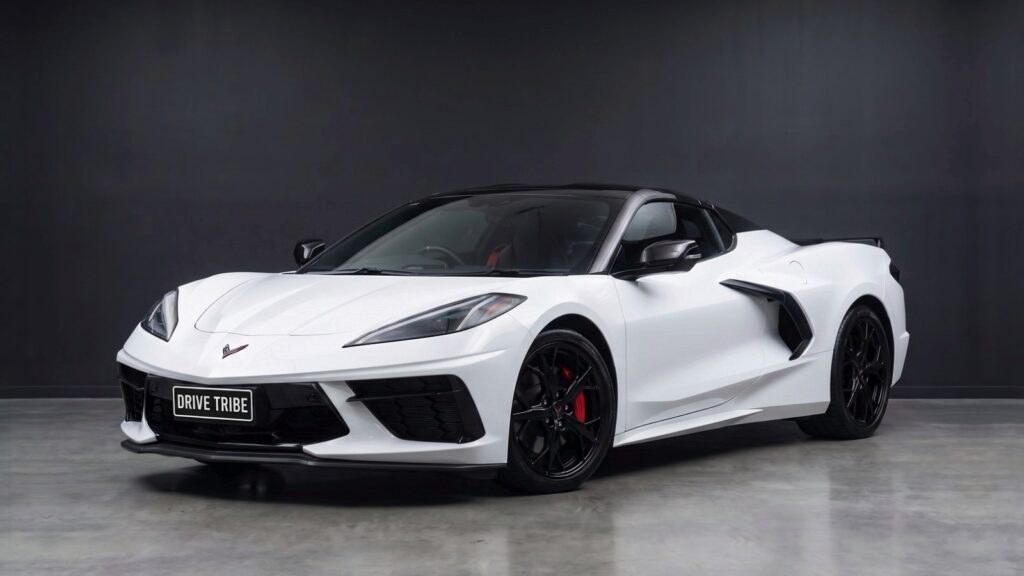
Book the Chevrolet Corvette C8. Pick your dates and book the Chevrolet Corvette C8 online, or call us and we will sort it with you.
Book NowCall 0468 011 118Few cars carry the RS badge with as much meaning as the 911 GT3 RS. It is a car built for drivers who care about every input, every surface and every decision the engineers made on its behalf. The 992 generation continued that tradition with a rear-engined layout, a naturally aspirated flat-six and a design that is equal parts track focus and road presence. This article traces where the car came from, how it was built and why it matters to enthusiasts.
What the RS badge has always meant
The RS designation has a long history at Porsche, and it signals a car that has been pushed toward its most focused form. Over many decades the badge has been applied to models that prioritise lightness, aerodynamic efficiency and driver feedback over comfort and convenience. For enthusiasts the RS is a promise that the engineers were allowed to chase purity rather than compromise.
The GT3 line adds a second layer of meaning. GT3 cars take the 911's engineering and sharpen it with a focus on circuit performance and detailed chassis work. When the RS suffix is added, the car moves further toward the track, with bodywork, suspension and aerodynamic elements chosen for their contribution to speed and stability.
This heritage gives the 992 GT3 RS a particular place in the story of the 911. It is not a casual upgrade. It is a deliberate statement about what the 911 can become when its engineers are free to concentrate on driving alone.
The 992 generation and its place in the family
The 992 generation of the 911 refined the familiar shape with new technology, updated chassis systems and a more modern cabin. It kept the rear-engined layout that defines the 911 and built on the strengths of earlier cars. For Porsche, the 992 was an opportunity to show how a long-running design could evolve without losing its identity.
The GT3 RS sits at the sharper end of that family. It takes the 992 platform and adjusts it for focused use, with changes to the aerodynamics, the suspension geometry and the systems that manage grip and stability. Each change is aimed at making the car more precise and more communicative for a driver who wants to explore its limits.
For Australian readers the 992 GT3 RS is an example of how Porsche balances tradition and progress. The car is recognisably a 911, yet it has a character of its own, shaped by a clear view of what a focused sports car should deliver.
The design: function written into every surface
The GT3 RS is a car in which almost every surface has a job. The front splitter, the wings and the vents are placed to manage airflow, while the bodywork is shaped to keep the car settled at speed. The overall look is purposeful and a little aggressive, but the aggression is always tied to function rather than decoration.
The rear of the car is a particular highlight. The rear wing and the diffuser are designed to add stability and downforce, and the engine cover is shaped to move air efficiently over the body. Many observers notice the wing before anything else, and it gives the car a racing presence that is hard to ignore on the road.
Even the proportions speak of purpose. The wide stance, the low profile and the carefully shaped wheel arches suggest a car ready for demanding driving. Designers worked to make the GT3 RS look as capable as it is, and the result is a shape that enthusiasts recognise immediately.
Inside the cockpit: a driver's place
The cabin of the GT3 RS is focused on the driver. The seats are supportive and designed to hold the driver through quick changes of direction, and the steering wheel and controls are arranged for quick and confident use. The atmosphere is serious, with materials chosen for function and feel rather than for display.
Information is presented clearly and the layout keeps the driver's attention where it belongs. Many owners describe the cockpit as a place of concentration, a space where the car's responses are easy to read and the controls feel like extensions of the driver's intent.
Practicality is limited, as with most focused sports cars. Luggage space is modest and the car is best suited to planned journeys with a light load. Owners tend to accept these limits as part of the car's purpose, because the cabin rewards attention and skill rather than convenience.
The flat-six: a naturally aspirated heart
The GT3 RS is powered by a naturally aspirated flat-six mounted at the rear of the car. Naturally aspirated engines respond directly to the throttle and produce a sound that many enthusiasts treasure. The flat-six has a particular character, with a voice that rises with clarity and a response that rewards smooth and deliberate inputs.
Porsche's engineers have long refined the flat-six family, and the GT3 RS engine is tuned for a sharp and immediate response. The sound is one of the car's most memorable qualities, and it becomes more compelling as the revs climb. Passengers often remember the engine note as clearly as the handling.
The rear-engined layout also shapes the way the car feels. Weight sits over the rear wheels, and the driver learns to use the throttle as a tool for balance. That relationship is one reason the 911 has such a loyal following, and it remains central to the GT3 RS experience.
Want the Chevrolet Corvette C8 for your date? Pick your dates and book the Chevrolet Corvette C8 online, or call us and we will sort it with you.
Book NowCall 0468 011 118How the GT3 RS drives
On the road, the GT3 RS feels precise. The steering is direct and communicates the tyres' behaviour clearly, and the car responds quickly when the driver asks for a change of direction. The chassis is composed and the car rewards careful inputs, which makes it satisfying on a favourite back road.
Stability and grip are central to its character. Aerodynamic elements and the suspension work together to keep the car settled through fast sequences of bends. That composure lets experienced drivers explore the car with confidence and encourages them to learn its responses.
Braking and control systems complete the picture. The car gives clear feedback under heavy braking, and its systems are tuned to inspire trust. The result is a sports car that feels ready for demanding roads and that rewards drivers who respect its capabilities.
Real roads test a focused car in ways a showroom never can. A seam in the tarmac, a slope that changes camber mid-corner or a sudden shift in traffic all reveal how the car manages its load. Owners often say that the GT3 RS feels most convincing when the road is imperfect, because its composure and clear feedback help the driver read the surface and respond calmly.
Why the GT3 RS matters to enthusiasts
The GT3 RS matters because it represents a focused approach to sports car engineering. It shows that a long-running design can be pushed toward a sharper form, and it gives enthusiasts a clear example of what the 911 can be when its engineers concentrate on the drive. That clarity is valued by collectors and drivers alike.
Its significance also lies in its honesty. The car does not hide its intent behind comfort features or unnecessary flourishes. It invites the driver to engage with the steering, the engine and the road, and that invitation is a large part of why enthusiasts speak about it with such respect.
For historians the GT3 RS will be a useful marker of how focused sports cars developed in the years around its launch. It reflects a balance between engineering discipline and driver enjoyment, and it gives future owners a clear reference point for the 911's most purposeful versions.
Living with a focused 911 in Australia
Owning a GT3 RS in Australia calls for specialist care. Servicing should be carried out by a workshop with real Porsche experience, and tyres need regular attention because grip matters so much to the car's character. Storage should protect the paintwork and the interior from heat, dust and damp.
Daily use is possible but demanding. The low ride height and firm suspension require care at kerbs, ramps and speed humps, and owners learn to plan routes and parking in advance. The rear-engined layout also changes how the car behaves in wet conditions, so owners tend to drive with patience when the road is damp.
Insurance and security complete the picture. Insurers will want clear information about use and storage, and owners should be ready to explain how the car is kept and who drives it. Thoughtful planning makes ownership far more enjoyable.
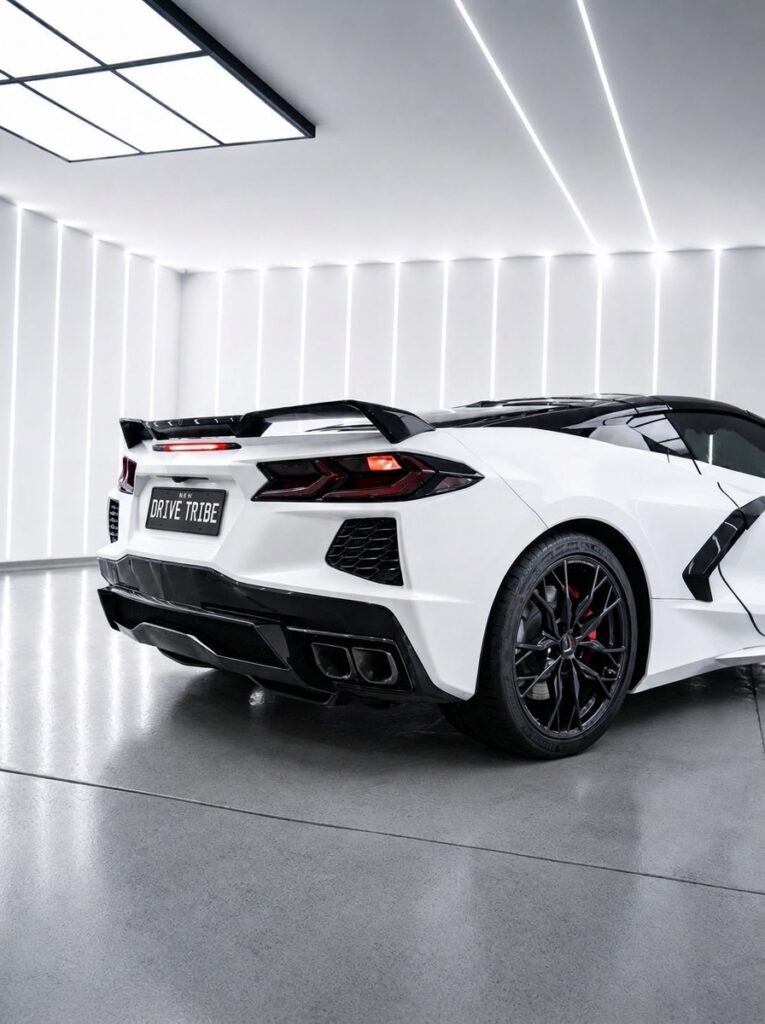
Our closest experience: the Corvette C8
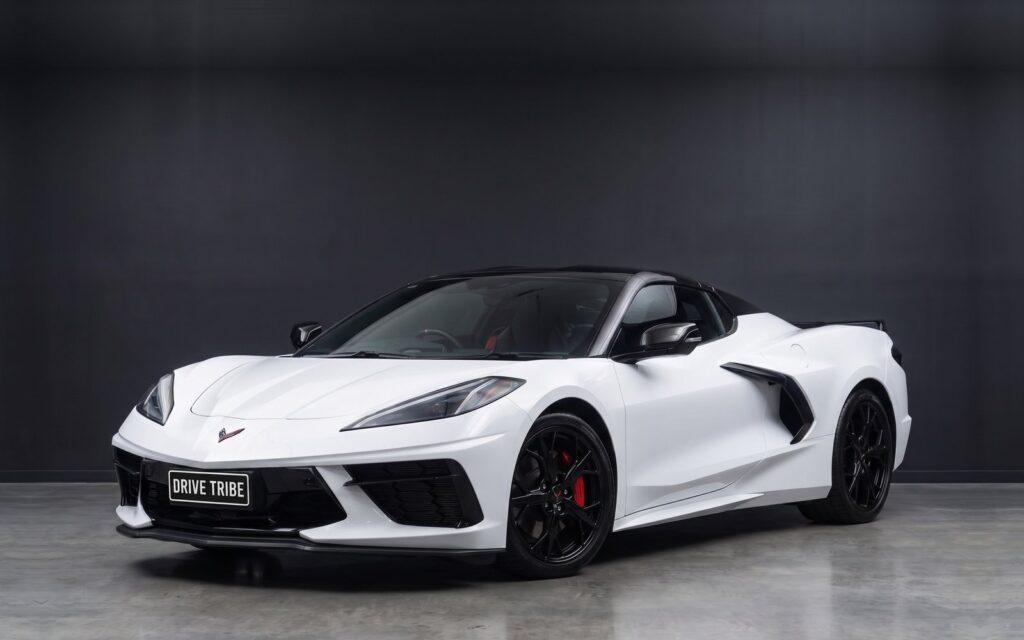
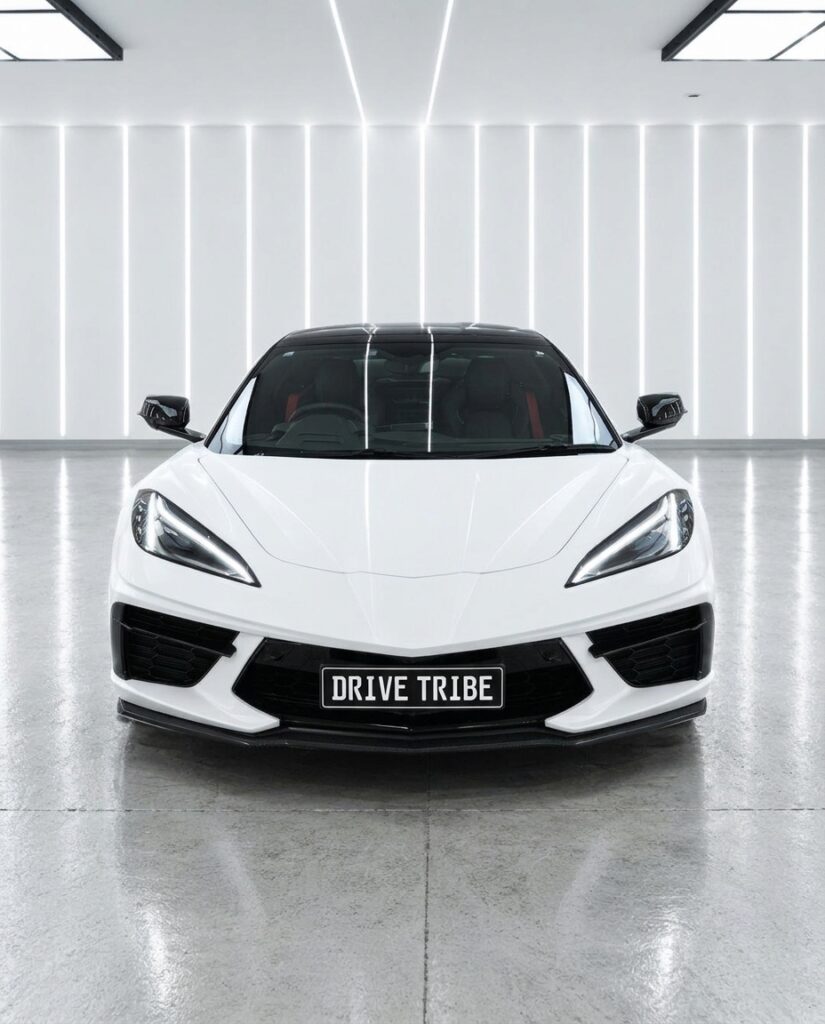
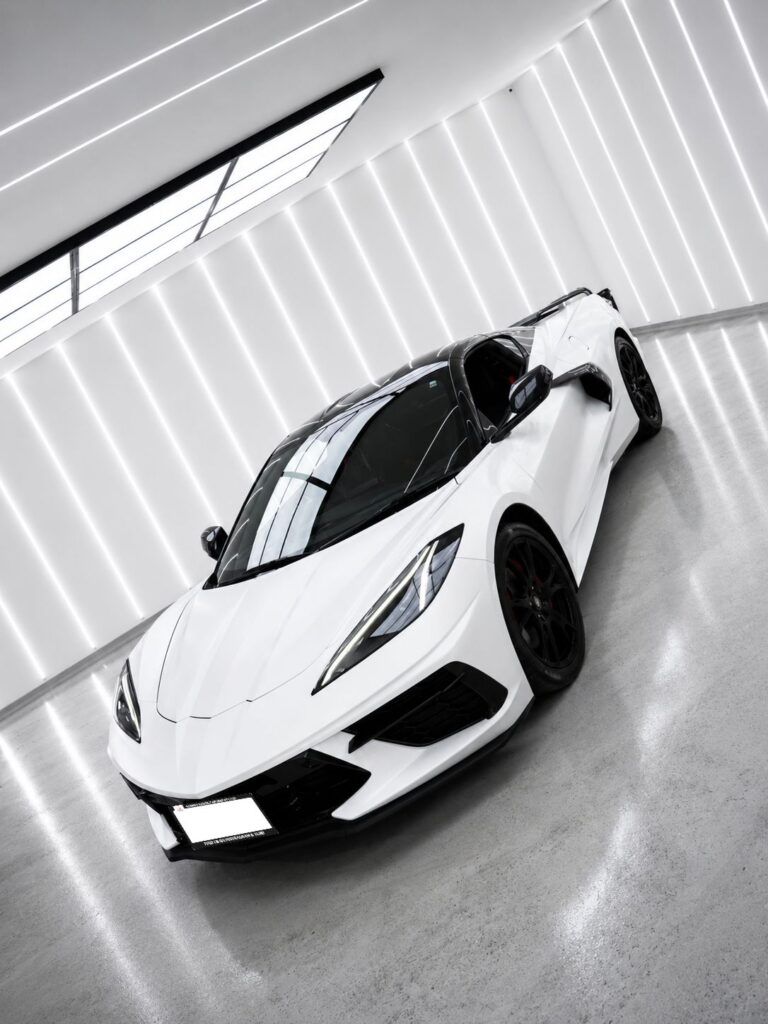
We do not have a GT3 RS in our fleet, so we will not claim otherwise. The closest car we offer for a similar sense of focus and driver engagement is the Chevrolet Corvette C8. The C8 is a mid-engined sports car with a strong identity and a clear focus on the driver, and it can give a good sense of the appeal of a purposeful sports car in Sydney.
The Corvette can be taken chauffeured, as a guided drive or as a self-drive where the car allows, with the minimum driver age on its page. A chauffeured day suits guests who want to enjoy the car's sound and composure without managing traffic, while a guided or self-drive run suits someone ready to take an active role.
The C8 is a different car with its own character, but it shares the GT3 RS spirit of focus and direct connection. Plan a route with twisting roads or open views, and let the car show you why enthusiasts value a purposeful sports car so highly.
Frequently asked questions
What is the Porsche 911 GT3 RS (992)?
The 911 GT3 RS (992) is a focused version of the 992-generation 911, built around a naturally aspirated rear-mounted flat-six. It takes the 911's engineering and sharpens it with aerodynamic and chassis changes aimed at precision and driver engagement. The RS badge signals a car pushed toward its most purposeful form.
Is the GT3 RS the same as a standard 911?
No. The GT3 RS is a more focused car, with changes to the aerodynamics, suspension and systems that prioritise precision and feedback. A standard 911 offers more comfort and everyday usability, while the GT3 RS is built for drivers who want to concentrate on the drive and explore the car's limits.
Does Drive Tribe have a GT3 RS?
No, the GT3 RS is not in our fleet, so we cannot offer one. The closest car we offer for a similar sense of focus is the Chevrolet Corvette C8, a mid-engined sports car with a strong driver focus. It can be taken chauffeured, as a guided drive or as a self-drive where permitted, subject to the age rule on its car page.
Why does the rear-engined layout matter?
A rear-mounted engine places weight over the rear wheels, which shapes the way the car accelerates, brakes and turns. Drivers learn to use the throttle to manage balance, and that relationship is central to the 911 character. It also affects traction in wet conditions, so owners drive with patience when the road is damp.
Is the GT3 RS practical for daily use?
It can be used with planning, but it suits selected journeys more than long hauls with a full load. The low ride height, firm suspension and modest luggage space need care in car parks and on driveways. Many owners keep a second vehicle for everyday errands and reserve the GT3 RS for drives they enjoy.
How can I experience a focused sports car in Sydney?
Start with the Chevrolet Corvette C8 page, which is our closest match in spirit for a focused, driver-led sports car. Read the formats and driver rules, then use our planners to choose a route and a date. Contact us with your preferred day and we will explain the details before you decide.
Ready when you are. Pick your dates and book the Chevrolet Corvette C8 online, or call us and we will sort it with you.
Book NowCall 0468 011 118