
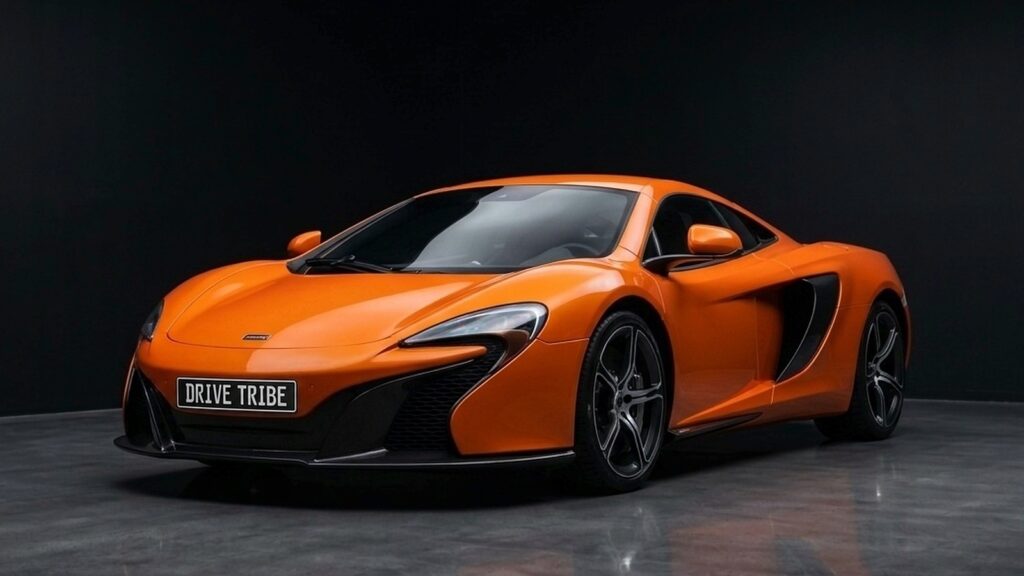
Book the McLaren 650s Coupe. Pick your dates and book the McLaren 650s Coupe online, or call us and we will sort it with you.
Book NowCall 0468 011 118Some cars are built to be argued over, and the McLaren Senna is one of them. It arrived as a road car with a clear racing purpose, shaped by aerodynamic thinking and a single-minded focus on driving. Its name pays tribute to a famous racing driver, which sets high expectations before the first corner. This article looks at where the Senna came from, what its design is trying to achieve, how it feels in the hands of a driver and why it remains a reference point for serious supercar fans.
A name that carries a racing legacy
The Senna name brings an immediate weight. It refers to a celebrated racing driver whose skill and passion remain admired by motorsport fans around the world. Choosing that name for a road car was a deliberate act, because it promised a machine built around driving rather than display. Enthusiasts approached the car with that promise in mind.
The car was conceived as an extreme expression of McLaren's road-going engineering. Its purpose was to deliver serious grip, strong braking and a level of aerodynamic control that felt closer to a race car than a conventional road car. That intent shaped nearly every decision, from the shape of the body to the layout of the cabin.
Many people see the Senna as a statement about how far a road car can go when the rules of comfort are relaxed. It is not designed for every day or every road. It is a focused tool for drivers who want to explore the edge of what a street-legal car can do, and that clarity is part of its enduring appeal.
Design shaped by airflow
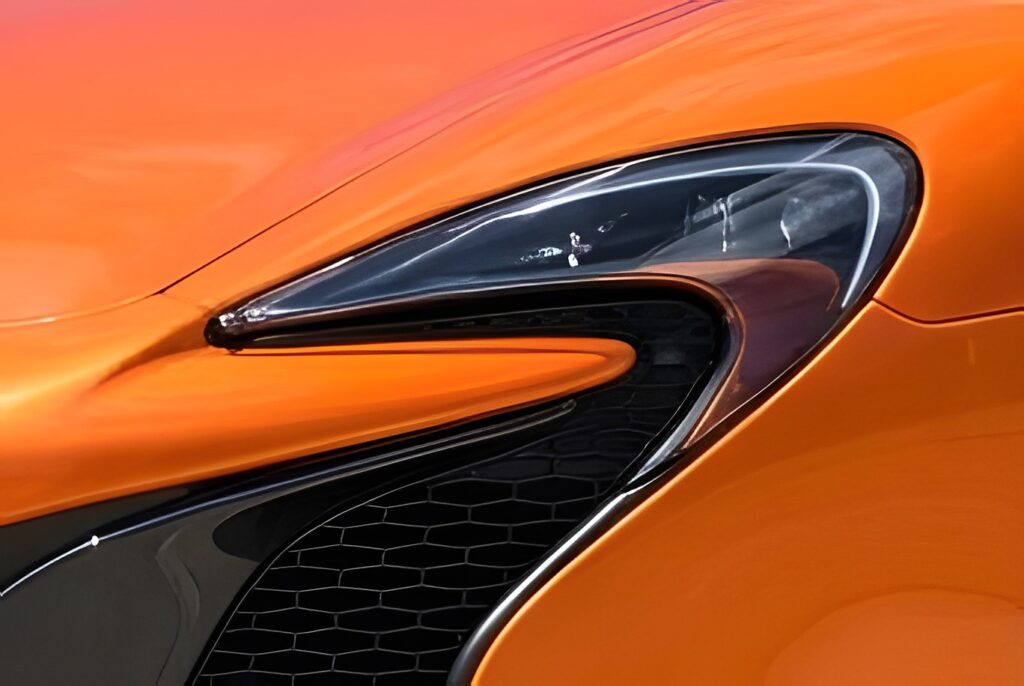
The Senna's body is a study in airflow. Its wide front intakes, deep splitter and sculpted sides all guide air toward the places where it is needed. Each opening has a function, and the car looks purposeful because almost every surface is working. The shape is dramatic, but it is also deeply practical.
The rear of the car takes the idea further. A large fixed wing and carefully shaped outlets help stabilise the car at speed and manage the airflow around the engine bay. The aim is to create downforce that keeps the tyres in contact with the road without relying on size alone. The result is a silhouette that reads as aggressive and purposeful at the same time.
Some observers find the look extreme, while others see it as honest engineering presented in plain sight. The Senna does not hide its intentions, and that candour gives it a strong identity that sets it apart from more subtle supercars.
The cabin and the driver's position
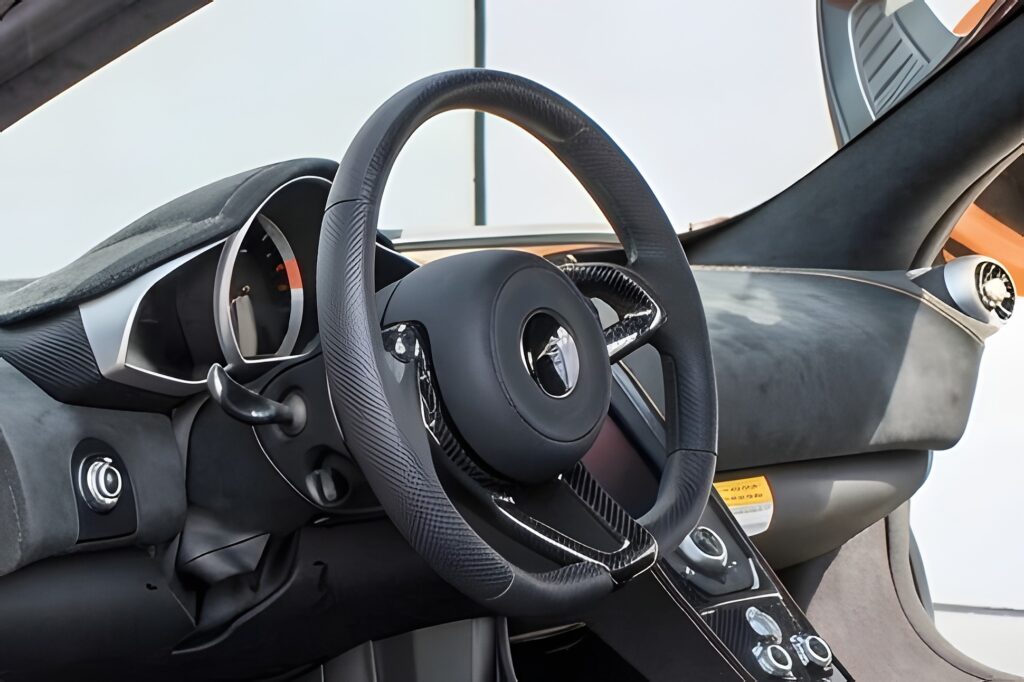
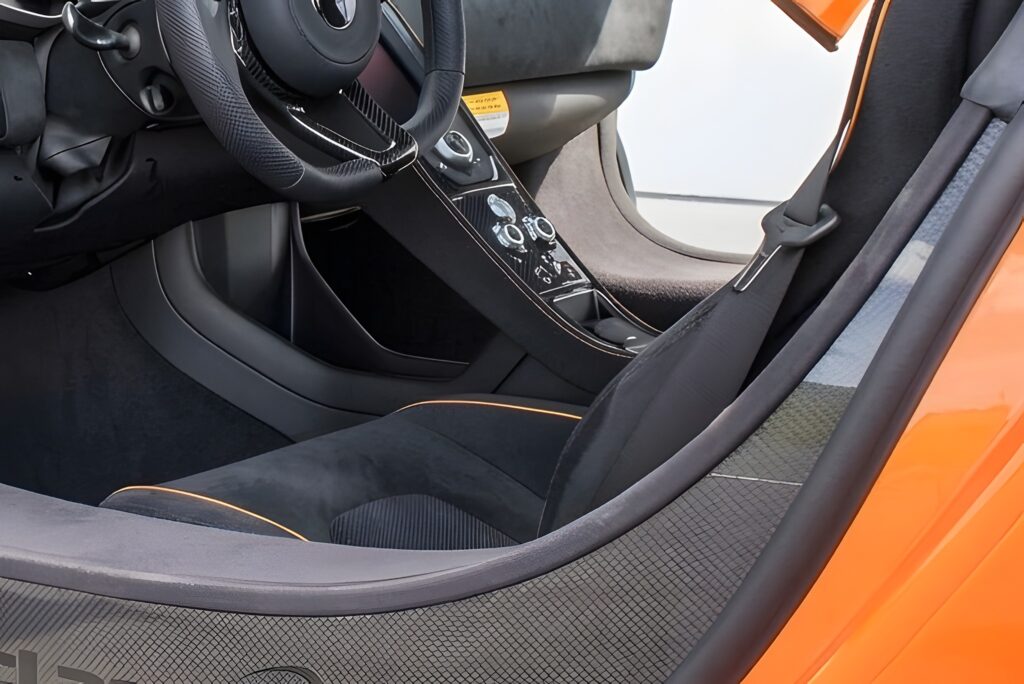
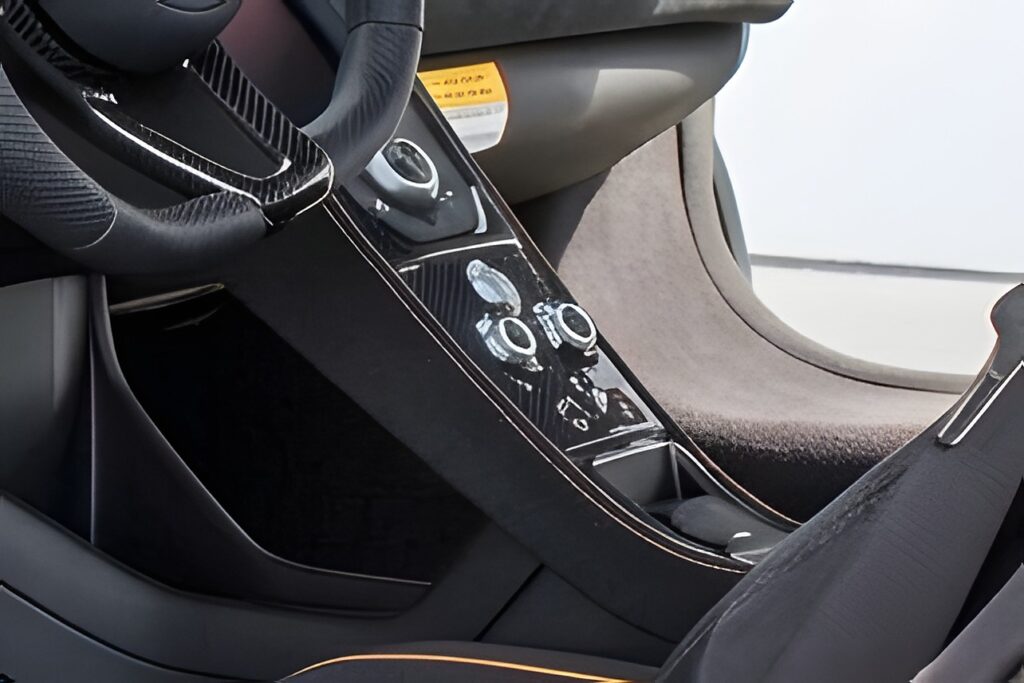
Inside, the Senna is built around the driver. The seating position is low and close to the controls, and the steering wheel gives a sense of direct connection with the front wheels. Materials are chosen for lightness and function, with an emphasis on feel rather than indulgence.
Visibility is shaped by the car's purpose. The low profile and the wing limit what can be seen to the rear, so drivers learn to rely on mirrors and a careful sense of the car's position. Many people find the cabin intense but rewarding, a place where concentration becomes part of the pleasure.
Comfort exists, but it is a secondary consideration. The ride is firm and the cabin is focused, which makes the car best suited to shorter, purposeful drives rather than long journeys. That honesty is part of why the car is so respected among driving enthusiasts.
The engine and the feeling it delivers
The Senna uses a twin-turbocharged V8 engine mounted behind the cabin. This layout places the engine's weight close to the centre of the car, which supports balance and response. The sound is intense and mechanical, with a strong character that builds as the revs climb.
Power delivery is designed to feel immediate and controlled. Throttle inputs are met with a response that encourages smooth, confident driving, and the car rewards drivers who learn its rhythm. The engine feels like part of a larger system, working alongside the braking and aerodynamic controls.
Some drivers would prefer a naturally aspirated voice, and that view has many supporters. The Senna's character is different: it is focused on intensity, response and the way the car manages its power on the road and the track.
On the road and beyond it
On the road, the Senna is precise and demanding. The steering is quick and communicative, and the car responds to small changes in input with clear, confident movements. Drivers quickly learn that the car is happiest when it is driven with focus and a steady hand.
Braking and grip are exceptional for a road car, giving drivers the confidence to commit to corners and to stop with control. The car's systems work together to keep it stable, so the experience feels engaging rather than unpredictable. Many drivers describe the sensation of the car pinning itself to the road through fast bends.
The Senna is not intended as a comfortable cruiser, and it reveals its character most clearly on roads that reward attention. Its real purpose is to offer a strong sense of control, and the car delivers that with striking clarity.
Engineering choices behind the car
Lightweight construction is central to the Senna's design. Engineers worked to keep mass low, which supports agility, braking and overall responsiveness. Carbon materials and careful packaging help achieve this balance, while still meeting the demands of road use.
Active aerodynamics and cooling are integrated with great care. Surfaces and openings work together to manage downforce, stability and the thermal needs of the engine and brakes. The car is built to keep working well under strain, which is essential for a machine that encourages committed driving.
Electronic systems link the engine, brakes, suspension and aerodynamic elements. These systems support the driver without removing the sense of involvement. The aim is a car that feels precise and honest, with technology working quietly in the background.
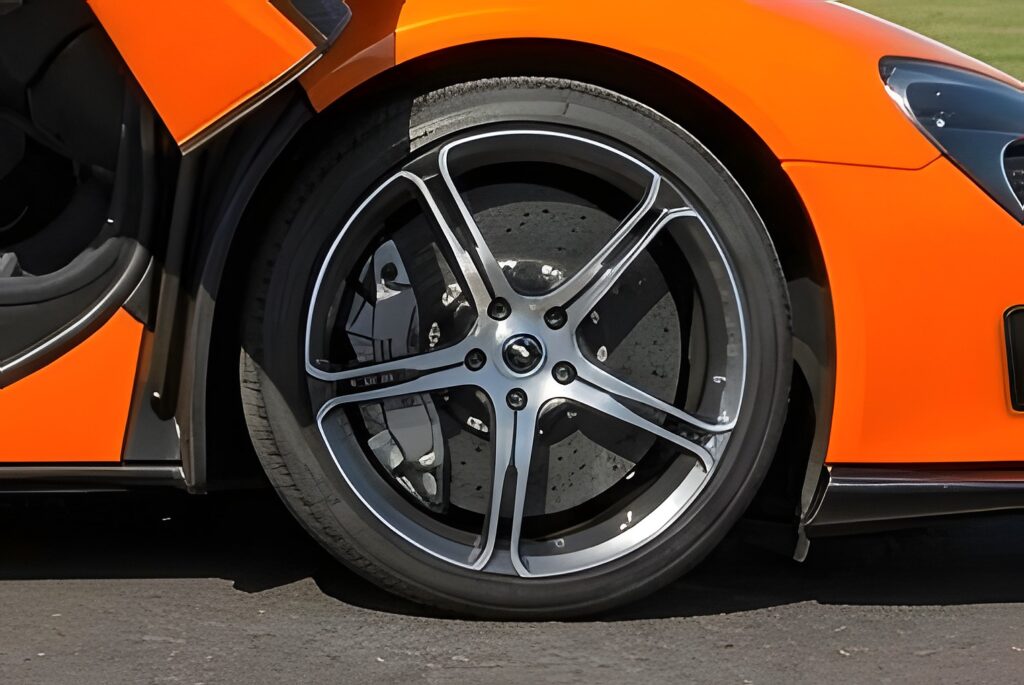
Want the McLaren 650s Coupe for your date? Pick your dates and book the McLaren 650s Coupe online, or call us and we will sort it with you.
Book NowCall 0468 011 118Why the Senna still matters
The Senna matters because it shows the extremes a road car can reach when its purpose is clear. It is a reminder that some cars are designed for emotion and focus rather than comfort or volume. That courage gives the car a place in the history of supercars that many enthusiasts treasure.
It also matters in the wider debate about performance cars. Some people believe supercars should move toward efficiency and everyday usability, while others want machines that deliver pure driving intensity. The Senna sits firmly in the second camp and keeps that conversation alive.
For McLaren fans, the car confirms the brand's commitment to driver-focused engineering. Its bold design, its aerodynamic thinking and its uncompromising character all reinforce a reputation for cars that reward skill and attention.
Living with a track-focused road car
Owning a car like the Senna in Australia requires a clear view of how it will be used. Its low stance and aerodynamic features call for careful parking and a thoughtful approach to kerbs, driveways and speed humps. Many owners plan routes in advance to avoid obstacles that could damage the front or underbody.
Servicing needs a specialist with experience of high-performance cars. Keep records of every service and check the schedule in the owner documents. Regular checks of brakes, tyres and fluids are especially important for a car that is driven with commitment.
Insurance and paperwork should reflect the car's real purpose. Speak with a broker who understands performance vehicles, and ask how the policy treats track use, storage and named drivers. Clear answers at the start help owners enjoy the car without unexpected surprises.
Who the Senna suits
The Senna suits drivers who want a road car with the intensity of a race machine. It appeals to people who value aerodynamic engineering, precise handling and a strong sense of purpose. It is a car for those who enjoy learning a machine deeply and who want the experience of driving at its sharpest.
It may be less suitable for people who want comfort, practicality or a quiet daily companion. The car's firm ride, low visibility and focused cabin mean it is best enjoyed on selected occasions rather than as a daily driver. Being honest about your priorities will help you choose well.
For many people, the first step is a booked experience. A day in a focused supercar can show how the seating, the steering and the aerodynamic character feel in practice, and it helps you decide whether this style of driving suits your interests.
Experiencing a McLaren in Sydney
If the Senna has captured your imagination, our fleet offers a close way to experience McLaren's driver-focused character. The featured McLaren 650s Coupe is available chauffeured, as a guided drive or self-drive where the minimum driver age is met. It gives a strong sense of the brand's precision, balance and engagement behind the wheel.
We do not have a Senna in the fleet, so the 650s Coupe is the nearest experience we offer in Sydney. Its page sets out the arrangements that apply, and it is the best place to confirm the details before you plan a day.
Use the guided planner to shape your route and timing, and browse the fleet overview to compare other supercars. Our featured McLaren 650s Coupe is the car we would suggest first for anyone curious about the Senna's approach to driving.
Frequently asked questions
What is the McLaren Senna?
The McLaren Senna is a track-focused road car from McLaren, shaped by aerodynamic thinking and a strong emphasis on driving. It uses a twin-turbocharged V8 engine and a design that makes its purpose visible. It is widely regarded as an extreme expression of the brand's road-going engineering.
Why is the Senna so highly regarded?
Many enthusiasts respect the Senna for its clear purpose, its aerodynamic design and its focus on driver engagement. It shows what a road car can achieve when comfort is secondary to control and feel. The car remains a reference point for serious supercar fans and continues to inspire discussion.
Does Drive Tribe have a McLaren Senna for hire?
We do not have a Senna in our fleet. The featured McLaren 650s Coupe is the closest experience we offer in Sydney, sharing the brand's precision and driver focus. Check its car page for the arrangements that apply, including the minimum driver age for self-drive.
Can I drive a McLaren myself in Sydney?
The featured McLaren 650s Coupe is available as a guided drive or self-drive where the minimum driver age is met, and that age is shown on the car page. Chauffeured travel is also available. Read the conditions carefully before booking, and choose the arrangement that matches your confidence and experience.
Is a track-focused road car comfortable for everyday use?
Cars of this type are usually firm, with focused cabins and limited visibility to the rear. They suit selected occasions and shorter drives better than long daily commutes. Owners typically plan their use carefully and keep a more practical vehicle for everyday tasks.
How can I experience a McLaren before deciding?
A booked day lets you feel the seating, steering and braking before making any decision. The featured McLaren 650s Coupe is available chauffeured, as a guided drive or self-drive where the minimum driver age is met. Plan your route with the guided planner to make the most of the day.
Ready when you are. Pick your dates and book the McLaren 650s Coupe online, or call us and we will sort it with you.
Book NowCall 0468 011 118