
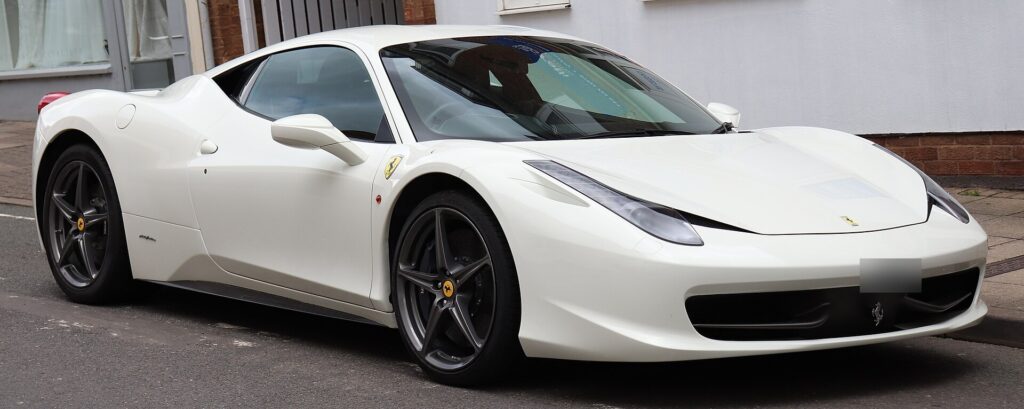
Book the Ferrari 458 Italia White with a chauffeur. Send us the date, the times and where you are going, and we will confirm the Ferrari 458 Italia White for your night.
Book NowCall 0468 011 118Some cars arrive with a reputation to protect before they have turned a wheel. The Ferrari 296 GTB stepped into that position with a long line of mid-engined predecessors behind it and a sharp set of expectations from enthusiasts. What makes it interesting is not only how it looks or sounds, but what it says about where the supercar is heading. This article looks at the story behind the car, its design language, the way it drives and why it matters to anyone who loves a serious two-seat Ferrari.
A car born from a long family line
Ferrari has built mid-engined road cars for decades, and each new generation tends to inherit both the lessons and the pressure of the models before it. The 296 GTB sits in that tradition as the successor to a run of two-seat, mid-engined berlinettas that set the standard for daily-usable drama. Enthusiasts often judge a new arrival against the one that came before, so the 296 had to feel like a clear step forward without losing the character that made its ancestors famous.
The name itself carries meaning for Ferrari followers. The letters GTB refer to the Gran Turismo Berlinetta tradition, a phrase that describes a closed, two-seat car designed for fast road travel rather than pure track use. Many owners see the model as a bridge between the outright driving focus of a racing-inspired machine and the comfort needed for a long drive along a coastal road or a weekend escape into the hills.
What sets this car apart from its predecessors is the decision to move firmly into hybrid territory. The electrified approach was not a footnote, but a central idea in how the engineers approached power delivery, response and efficiency. That choice reflects a wider shift in the supercar world, where manufacturers are learning to blend traditional mechanical engagement with electric assistance without losing the sense of occasion.
Where the 296 sits in the Ferrari range
Within Ferrari's line-up, the 296 is positioned as a modern mid-engined two-seater that sits close to the top of the company's road cars without moving into the most extreme models. It is a car for drivers who want speed and precision on real roads, rather than a machine designed only for a race circuit. In practice that means the car must cope with traffic, speed bumps and long highway stretches while still delivering the sense of theatre enthusiasts expect.
For many buyers, the comparison is with the car that came before it. The 296 keeps the mid-mounted layout that gives the car its balance and feedback, while bringing a more compact powertrain and a new approach to energy management. Owners who have spent time in older Ferraris often describe the new car as more composed and more immediately ready, which can be a relief when the road is wet or the traffic is heavy.
Ferrari also uses the 296 to show how its design language is evolving. The car carries the clear lines and purposeful surfacing that have become part of the brand's modern identity. Each element, from the front intakes to the rear air outlets, is shaped to manage air flow as well as to create a memorable silhouette. The result is a car that looks sharp standing still and gains more presence once it is in motion.
The design: purpose shaped into surfaces
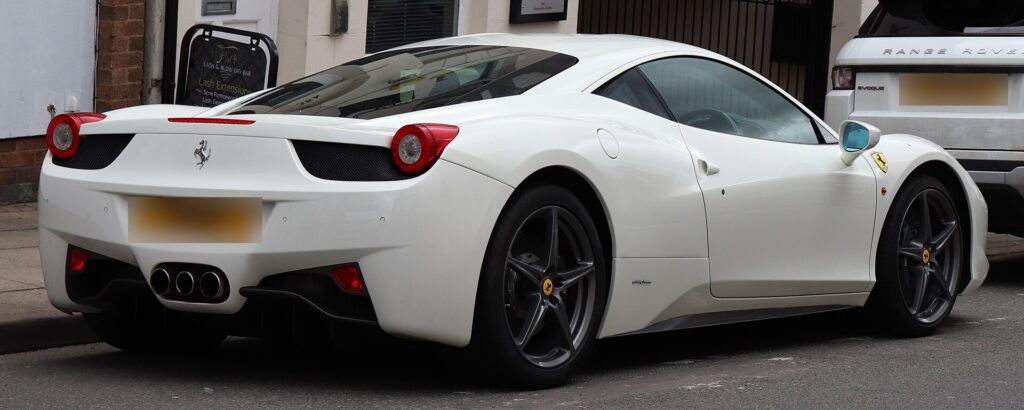
Step back from the 296 and the first impression is one of tension. The bodywork is tight and carefully folded, with surfaces that catch the light in long, controlled lines. A low nose and a wide stance give the car a planted look, and the proportions suggest that the designers wanted the car to appear ready to move even when parked. Many people find that the more they look, the more detail they notice.
The rear of the car tells a similar story. Vents, ducts and a prominent diffuser are arranged to help air move around the engine bay and out of the way of the rear wheels. These features are not decoration alone. They reflect a design philosophy in which aerodynamic function and visual drama are developed together, so that the car's shape and its behaviour at speed are part of one conversation.
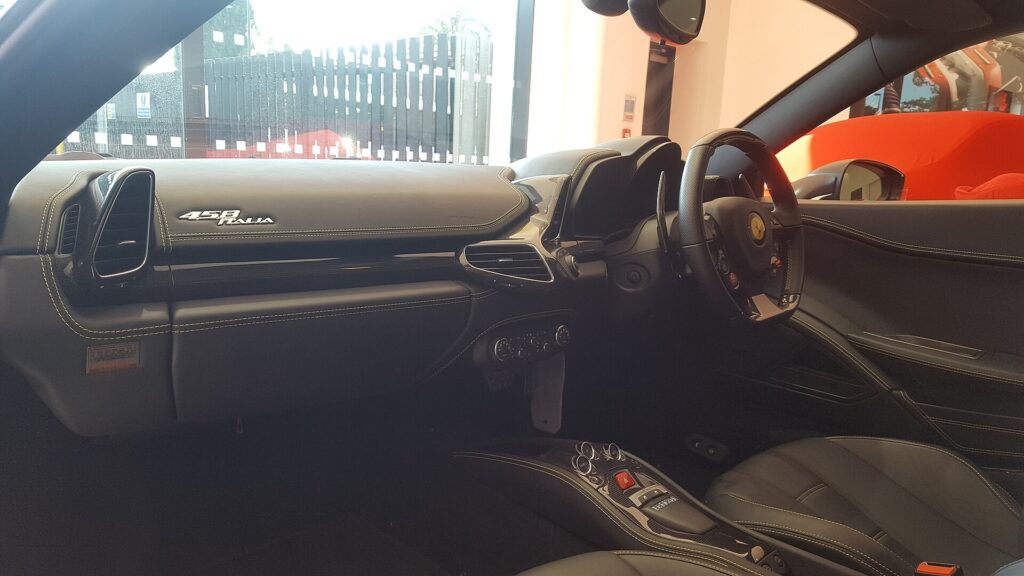
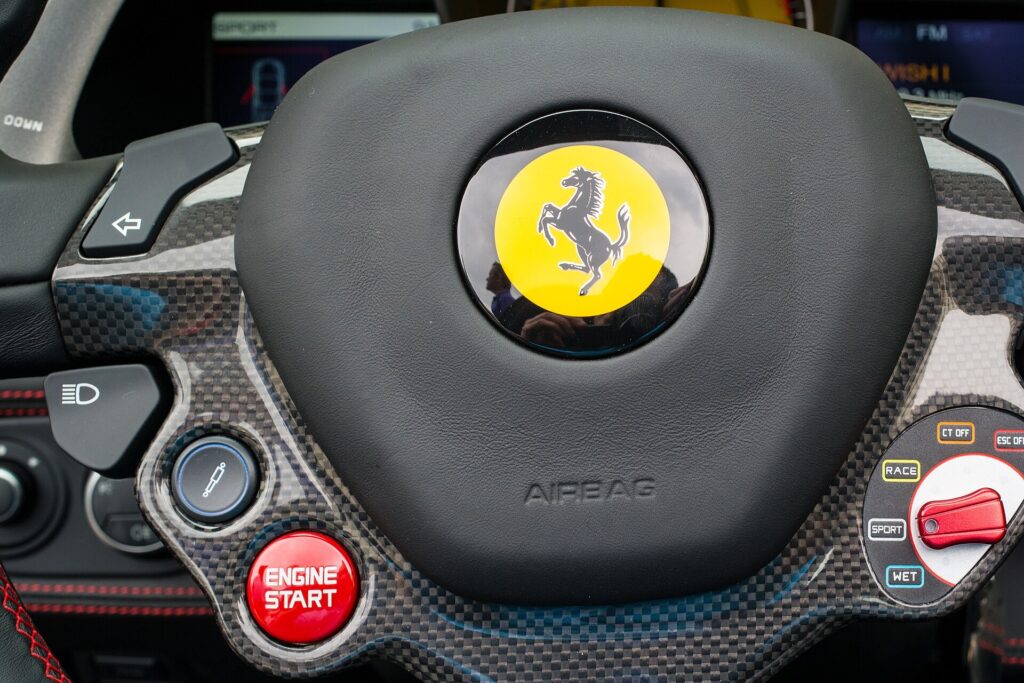
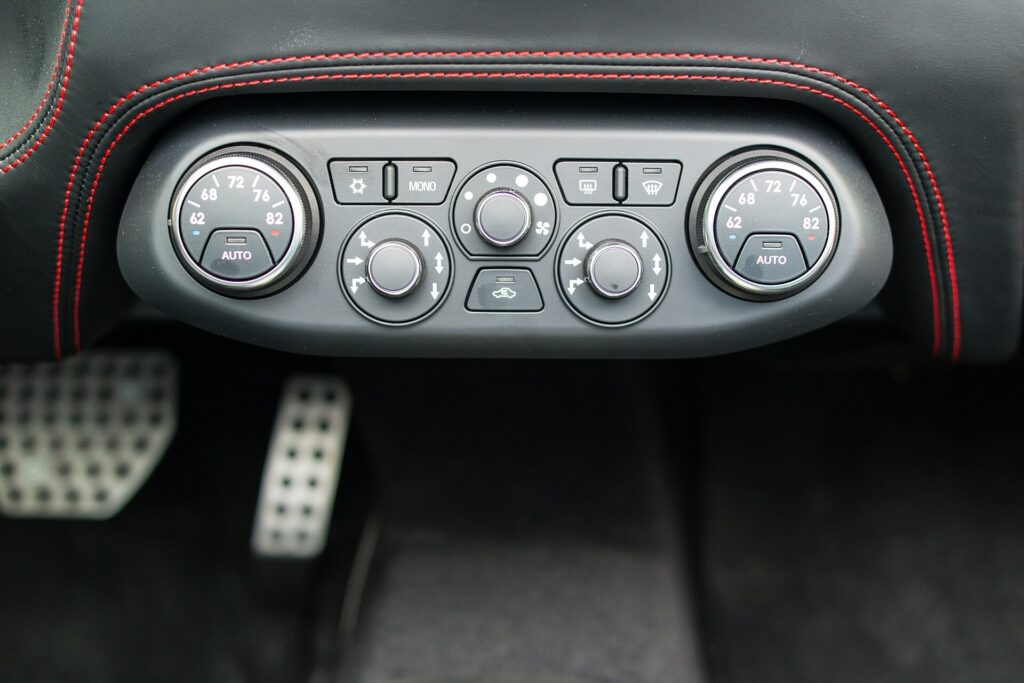
Inside, the cabin keeps the focus on the driver. The seating position is low and close, with the controls arranged around a steering wheel that carries many of the important switches. Materials are chosen for both feel and durability, and the layout places the driver at the centre of the experience. The overall impression is of a cockpit built for concentration, with enough luxury to make longer journeys comfortable.
The engine and the hybrid idea
The 296 uses a twin-turbocharged V6 engine mounted behind the cabin, paired with an electric motor that works alongside it. This combination gives the car a different voice from the high-revving naturally aspirated engines of earlier generations. The sound is more layered, with a deep note under load and a sharp edge when the throttle opens and the turbos are working hard. Many drivers say the character is less about one dramatic moment and more about a continuous build of intensity.
The electric element plays a useful role in how the car responds. Instant torque from the motor can help the car leave a junction smoothly, and the system can fill in gaps when the combustion engine is still spooling. This makes the car feel more responsive in everyday driving, which matters when you are using a supercar as a real car rather than a weekend ornament. Drivers who appreciate precision will notice how the power arrives in a controlled way.
Some enthusiasts still prefer the pure voice of older engines, and that is a fair view. The 296 asks the driver to accept a more modern personality, one that blends mechanical theatre with electronic management. For a generation of buyers who grew up around hybrid technology in everyday cars, this blend can feel natural. For purists, it becomes a point of discussion that tells us how much the supercar class is changing.
What it is like on the road
On the road, the 296 feels precise rather than wild. The steering communicates what the front wheels are doing, and the chassis responds with a sense of balance that rewards smooth inputs. A driver who approaches corners with patience will find the car settled and easy to read. Quick changes of direction are handled with confidence, and the body stays composed as the road surface changes beneath it.
Braking and grip are equally important in a car of this type. Strong brakes help the driver slow with control, while the tyres and suspension work together to keep the car stable when the road is uneven. Many drivers appreciate the way the car tells them when it is close to its limit, which encourages a more thoughtful style rather than reckless attack. That feedback is a big part of why the car feels so engaging.
Comfort is more than a footnote for a car designed to be driven on real roads. The ride can be firm, but the seats hold the body well and the car handles long stretches without fatigue. Visibility is good for a mid-engined car, though the rear is naturally limited, so drivers quickly learn to rely on mirrors and sensors. The overall effect is a car that is demanding enough to hold attention yet approachable enough to enjoy every day.
Want the Ferrari 458 Italia White for your date? Send us the date, the times and where you are going, and we will confirm the Ferrari 458 Italia White for your night.
Book NowCall 0468 011 118Engineering ideas worth knowing
Several engineering themes sit behind the 296. The first is packaging, which places the engine in the middle of the car to improve balance and to keep weight central. The second is the careful use of lighter materials in key areas, chosen to help the car feel agile and controlled. The third is electronic management, which coordinates the engine, the electric motor, the brakes and the suspension to keep the car working as a single system.
Active aerodynamics and cooling also deserve attention. Moving elements and carefully shaped openings allow the car to adjust its shape and airflow to suit the situation. In a quiet suburban street the car can present a calm profile, while on a fast open road it can take a more committed stance. This adaptability is one reason the car can feel relaxed and focused in very different conditions.
For engineers and enthusiasts alike, the 296 is interesting because it shows how many systems must agree for a high-performance car to feel natural. The handling, the sound, the braking and the cooling are each tuned against the others. When that balance is right, the driver does not think about the systems at all, only about the road ahead and the pleasure of making a clean, confident drive.
Why the 296 matters to the supercar world
The 296 matters because it helps define what a modern supercar can be. It shows that a car can carry a hybrid system, meet the demands of daily use and still deliver a strong emotional connection. For the wider industry, it is a signal that the future will not be a simple choice between electric and combustion, but a blend of both that asks more of designers and drivers alike.
It also matters for the enthusiasts who follow the brand closely. Ferrari owners and fans often judge each new car by how well it respects the past while looking forward. The 296 carries a clear link to its ancestors, from the mid-engined layout to the emphasis on driver engagement. At the same time, it introduces new ideas that will shape the cars that follow.
Finally, the 296 matters because it invites conversation. Some people love the new direction, others miss the simpler mechanical experience of older models, and many sit somewhere in between. That debate is healthy. It means the car has been noticed, discussed and remembered, which is exactly what a great supercar should achieve in its time.
Owning a 296 GTB in Australia
Anyone considering a car of this kind in Australia should look carefully at the practical side as well as the dream. Ownership involves specialist servicing, careful attention to the hybrid systems and a clear understanding of the insurance, registration and storage needs that come with a high-value machine. Checking the car's history, its maintenance records and its condition with an experienced specialist is a sensible first step for any buyer.
Daily use also needs thought. Mid-engined cars can be low, and some driveways, speed humps and car park entries need care. Many owners plan their routes to avoid steep edges, and they keep the car in a secure space when it is not in use. Insurance and storage arrangements vary, so it is worth speaking with a broker who understands performance cars before making a decision.
For most people, the realistic way to experience a car like the 296 is through a booking rather than full ownership. Hiring allows you to enjoy the drama, the sound and the speed in a controlled setting without taking on the long-term commitments. It is a practical route for a special birthday, an anniversary or a memorable weekend in the city.
Experiencing something close in Sydney
We do not have the 296 GTB in our fleet, so we will not pretend otherwise. What we can offer is a close relative of the Ferrari experience. The Ferrari 458 Italia White shares the spirit of a mid-engined Italian two-seater, with a naturally aspirated engine, dramatic bodywork and the kind of presence that turns heads on a Sydney street. It is a strong way to understand what this family of cars is about.
For those who want a more modern Ferrari, the Ferrari 812 Superfast offers a different expression of the same tradition, with a long, grand silhouette and a more layered sense of power. Both cars are chauffeured only, which means you can enjoy the drama of the drive while a professional driver manages the traffic and the route.
If you would like to take more control, our guided drive and self-drive options vary by car, and each car page lists the minimum driver age that applies. The guided planner helps you plan the day, while the fleet overview lets you compare the cars side by side. Our featured choice for anyone curious about the 296 is the 458 Italia White, and we would be pleased to help you plan a day that makes the most of it.
Frequently asked questions
What is the Ferrari 296 GTB?
The Ferrari 296 GTB is a two-seat, mid-engined road car from Ferrari that uses a hybrid powertrain. It is designed for drivers who want a modern supercar for real roads, with a strong focus on balance, feedback and design. It succeeded an earlier generation of mid-engined berlinettas and marks a clear step toward electrified performance within the Ferrari range.
Why is the 296 GTB important to supercar fans?
The 296 GTB matters because it shows how a classic Ferrari layout can work with a hybrid system. Many fans see it as a sign of where the class is heading, blending mechanical character with electric assistance. It also keeps the brand's emphasis on driver engagement and distinctive design, so it is discussed as a meaningful step in the story of modern supercars.
Does Drive Tribe have a Ferrari 296 GTB for hire?
No, we do not have a 296 GTB in our fleet. The closest experience we offer in Sydney is the Ferrari 458 Italia White, which shares the spirit of a mid-engined Italian two-seater. Our other Ferrari options, including the 812 Superfast, give you a different but related taste of the brand. Each car page explains the driver arrangements that apply.
Can I drive a Ferrari myself in Sydney?
Some of our supercars can be driven by you, but this depends on the car. The featured Ferrari 458 Italia White is chauffeured only, which means our driver handles the drive. Other cars offer guided drives or self-drive options, and a minimum driver age applies to self-drive. Check the car page for the exact conditions before you plan your day.
Is a hybrid supercar practical for everyday driving?
A hybrid supercar can be more practical than older high-performance cars because the electric motor helps with smooth low-speed driving and quick response. Owners still need to plan for specialist servicing, insurance and parking. For most people, a booking is a more realistic way to enjoy the experience than full ownership, which avoids long-term commitments.
What should I look for when choosing a supercar experience?
Start with the car itself, then consider the type of drive you want. Chauffeured travel suits a relaxed day out, while a guided drive or self-drive gives more involvement. Check the minimum driver age, the route and any conditions on the car page. Planning the day in advance, with a clear start and finish, helps you make the most of the car.
Ready when you are. Send us the date, the times and where you are going, and we will confirm the Ferrari 458 Italia White for your night.
Book NowCall 0468 011 118