
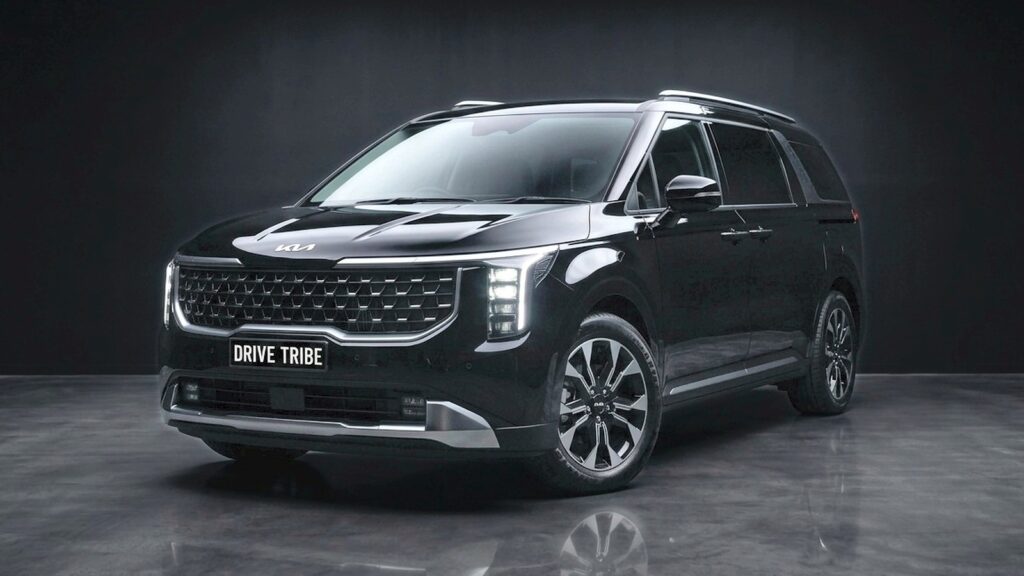
Ready to plan it? Choose a car and your dates online, or call us and we will plan it with you.
Choose Your CarCall 0468 011 118Australian summers have a way of testing a long drive. The bitumen softens, the cabin climbs faster than you expect, and a plan that looked relaxed on paper can feel tiring by lunchtime. A little preparation changes that completely. This guide covers what we suggest for hot-weather road trips in a hire car, from water and breaks to tyre checks, air conditioning habits and why an early start is often the most comfortable decision you will make all summer.
Read the heat before you pack the car
Start with the forecast for every place you will stop, not only the city you are leaving. Inland towns can run several degrees hotter than the coast, and a valley can hold heat long after sunset. Check the outlook the evening before you leave and again that morning. If a hot day is forecast, move the driving to cooler hours and plan the middle of the day around a shaded lunch.
Think about what the heat does to people as well as machines. Dehydration builds quietly, and the first signs are often a headache, a short temper or a sudden wish to nap in the passenger seat. Everyone in the car should drink regularly rather than waiting to feel thirsty. Frozen water bottles wrapped in a towel stay cold for hours and make a useful backup in the cooler.
Pack for the cabin temperature, not the air outside. A dark dashboard and closed windows can make a car feel like an oven within minutes, so bring sunshades for the windows, a light towel for hot seatbelt buckles and a small cooler bag. Sunscreen, lip balm and a hat belong in the front seat where you can reach them at every stop rather than in a boot under the luggage.
Plan breaks around the road, not the clock
A good rule for long drives is a proper break roughly every two hours. A break means getting out, stretching, moving around and drinking something, not simply slowing down at a roundabout. Longer runs need a little more structure, so mark two or three rest points on the map before you start and keep them flexible enough that you can swap one for a better shady spot if you spot it.
Choose stops with shade, space to park and a clear view of the road when you pull back out. Service stations are reliable, but a quiet picnic area under trees can be far more refreshing for the whole group. Keep the stops short enough that the momentum survives, and long enough that the driver feels fresh when the wheel goes back in their hands.
Rotate drivers if you can, even if only for one stint. Fatigue and heat combine badly, and a second driver who has rested in the shade is a real safety asset. Make sure anyone who drives meets the licence and minimum age conditions shown on the car page, and that they have had enough sleep, water and food before taking the wheel.
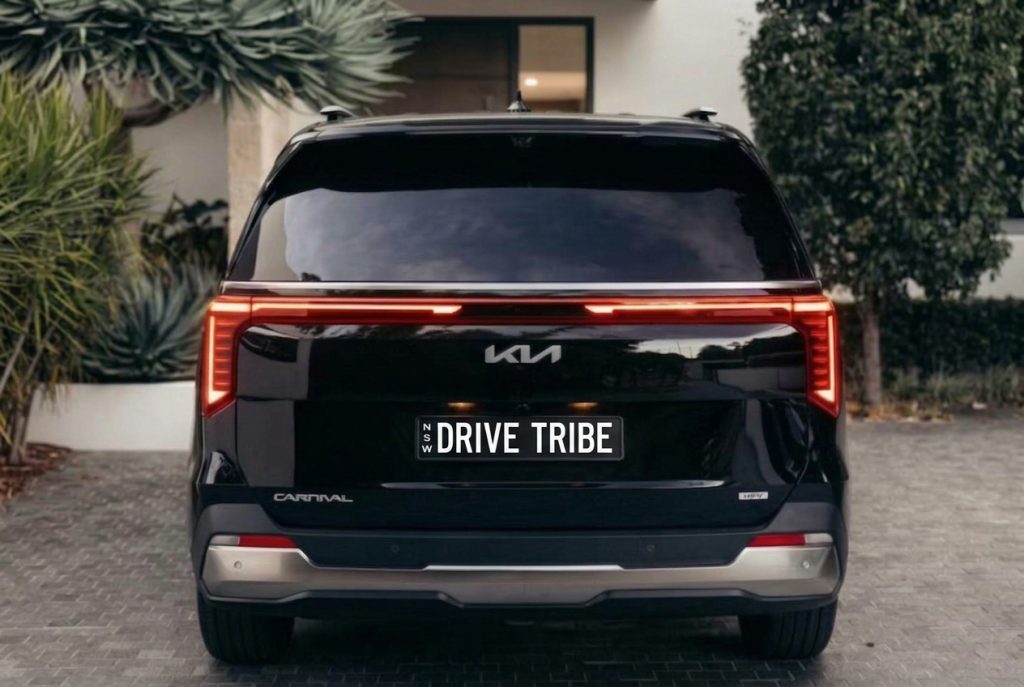
Tyres, fluids and a quick check before leaving
Hot weather puts extra load on tyres, which is why a quick check before a long run matters. Look at the tyres while they are cold, and make sure they look evenly worn with no bulges, cuts or embedded stones. If you are unsure about the pressure or the condition of a tyre, tell us before you leave rather than finding out on a long stretch of highway a long way from help.
Know where the warning lights are and what they mean before you set off. Take a minute with the handbook or the on-screen guide to find the temperature gauge, the fuel level and the lights for the cooling system. A warning light that appears on a hot afternoon is not something to ignore, so pull over somewhere safe, switch off and call for advice rather than pushing on.
Refuel earlier than you think you need to. Inland roads can have long gaps between fuel stops, and running low in heat is stressful for everyone. Keep a little extra water in the boot in case of a stalled traffic queue, and make sure your phone is charged, with a car charger in the glovebox. These small habits remove most of the surprises from a summer run.
Using the air conditioning well
Modern climate control works best when you let it settle. On a very hot day, start with the fan on high and the windows open for the first minute or two to let the superheated air escape. Then close the windows, set the temperature to a comfortable level and let the system bring the cabin down. Trying to force the temperature to its lowest setting from the start rarely cools the car any faster.
Recirculation mode can help once the cabin is cool, because it stops hot outside air from being drawn in repeatedly. Switch it off now and then so fresh air comes through, especially on a long drive with several people, since carbon dioxide builds up quickly in a closed space. If anyone feels stuffy, a short blast of fresh air at a stop is worth more than extra cooling.
Keep the cabin comfortable for the back seat as well as the front. Passengers in the rear often feel the sun first through the side glass, so offer them shades and a spare bottle of water. Avoid pointing vents straight at a sleeping child or a pet, and never leave anyone or any animal alone in a parked car, even for a few minutes, because the interior temperature can rise dangerously in very little time.
Why an early start pays off
The simplest way to beat the heat is to be on the road before it arrives. A departure at first light means the cabin starts cool, the roads are quieter and the hottest part of the day is spent at a shady stop. Many drivers find the first two hours of an early run the most pleasant of the whole trip, with the air still fresh and the highway almost empty.
An early start also gives you slack for the unexpected. A tyre that needs a closer look, a diversion for roadworks or a longer lunch can all be absorbed when you have hours of daylight in hand. Arriving in the afternoon, rather than racing the clock into the evening, is far easier on everyone, and it leaves time to settle in before dinner.
Set your alarm with a margin for breakfast, a final fuel check and a loaded car. Pack the night before, keep the bottles in the fridge overnight and lay out sunscreen, hats and the chargers in one place. A calm first hour usually sets the tone for the whole day, and it is one of the easiest habits to build into a summer holiday.
Want to lock in your date? Choose a car and your dates online, or call us and we will plan it with you.
Choose Your CarCall 0468 011 118Family trips and bigger groups
Family road trips put the most pressure on comfort, because children get hot and bored in the same breath. Plan shorter driving stints, bring a cool box for snacks that do not melt, and keep a small bag of wipes and dry clothes within reach. Children may need to stop more often than adults expect, so build that into the timing rather than treating it as a delay.
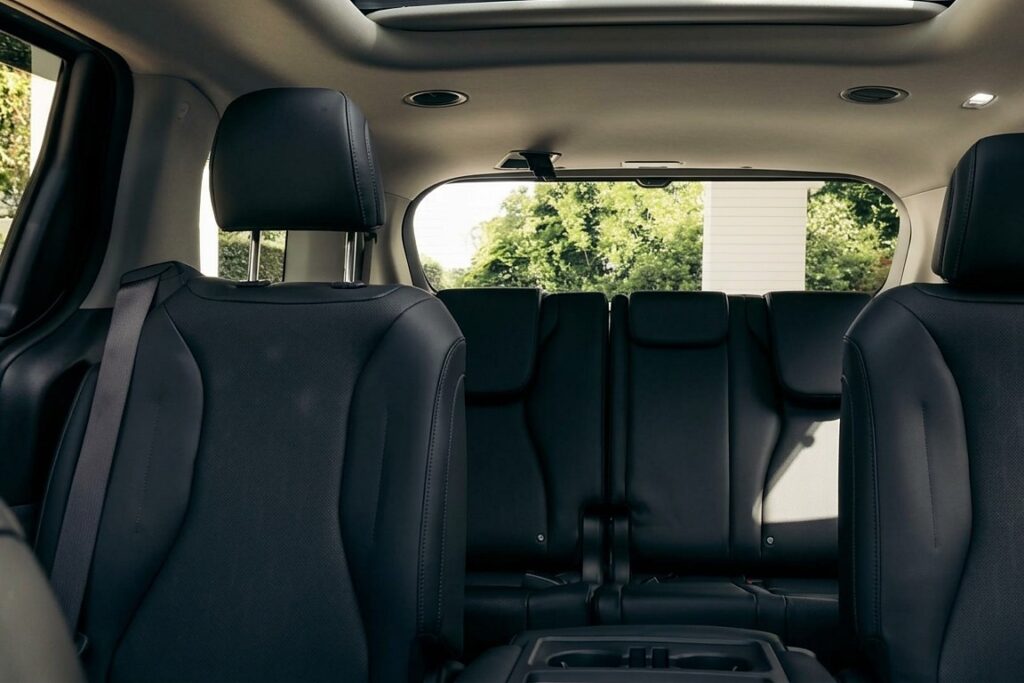
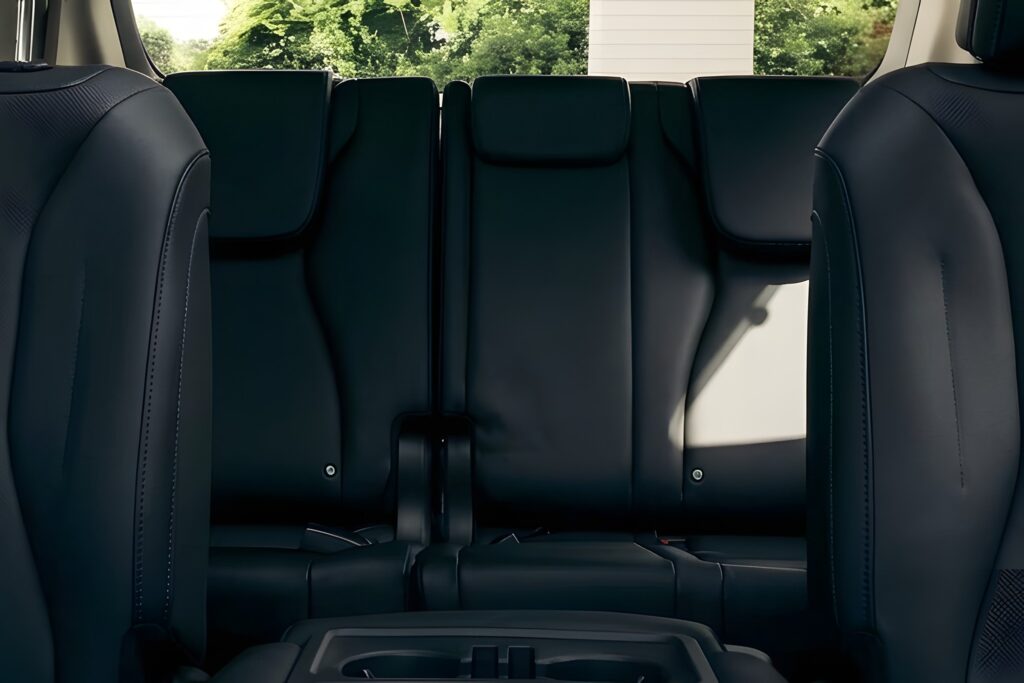
If you are travelling with more people than a standard car can carry, look at our 7 seater car hire option. Extra room means luggage does not have to be squeezed around legs, and it makes the back seat a more pleasant place for an afternoon of driving. Think about where bags will sit so that nothing blocks a passenger's view or the air flow from the vents.
Talk through the plan with everyone before you leave. Agree who sits where, when the next stop is, and what happens if someone feels unwell. A short briefing takes two minutes and removes a lot of arguments later. Good planning makes a family trip feel like a holiday rather than a logistics exercise, which is exactly what a summer road trip should be.
Insurance, documents and emergency basics
Before any long drive, check the paperwork you need in the car. Keep the booking details, the driver's licence and the contact number for roadside help where you can find it quickly. If you have questions about what the booking covers or what to do after a breakdown, ask us before you leave, rather than trying to read everything at a roadside stop in the heat.
Build a small emergency kit into the boot. Water, a torch, a first aid kit, a high-visibility vest and a phone charger are the basics. A blanket can also help if you are stopped in an unexpected spot, and a printed copy of your route is worth keeping in case phone signal drops out in hilly country. Let someone at home know your rough timing so they can check in if plans change.
If something goes wrong, stay calm and make the car safe first. Move to a safe place away from traffic, switch on hazard lights and keep everyone inside away from the road while you assess the situation. Then contact us so we can help you decide the next step. Never try to fix a problem in live traffic, and never let a heat-stressed passenger wait outside in the sun.
Plan the trip and book with confidence
Start by choosing the car that suits your group, your route and the comfort you want. Each car page shows the details that matter, including whether it is self-drive or chauffeur only and the minimum age for drivers. Picking the car early means you can plan the breaks, the luggage and the timing around it, rather than fitting the trip to whatever is left when you finally book.
If you are new to booking a hire car for a long trip, our how it works page walks through each step from enquiry to pick-up. It is a good place to check what happens before you travel and what you need to bring on the day. You can also see the full range of cars on our fleet page, which helps when you are comparing options side by side.
The next step is to pick your dates and message or call us to plan the trip. Tell us where you are heading, how many people are travelling and when you hope to leave. We will help you shape a sensible route and a comfortable car for the heat, so that your summer drive is cool, safe and enjoyable from the first kilometre to the last.
Frequently asked questions
How do I keep cool on a long summer drive in a hire car?
Start with the air conditioning on high for a minute with the windows open, then settle the temperature once the cabin cools. Drink water regularly, use window shades, and take a proper break about every two hours. An early departure keeps the cabin cooler and the roads quieter, which makes the first half of the day the easiest.
How often should I stop on a long drive in hot weather?
Plan a proper break roughly every two hours, and get out of the car to stretch, move and drink water. Choose shaded stops with room to park. Rotate drivers where possible, since heat and tiredness together make concentration drop quickly. Short, regular stops keep everyone fresher than one long stop at the end.
Should I check the tyres before a hot summer trip?
Yes. Check the tyres while they are cold for even wear, bulges, cuts and embedded stones, and ask us if you are unsure about pressure or condition before you leave. Heat adds load to tyres on long highway runs, so a short check before departure is one of the simplest ways to avoid a problem far from help.
Is it safe to leave children or pets in a parked car in summer?
No. Never leave a child, a pet or anyone else alone in a parked car, even for a few minutes with the windows open. The temperature inside can rise dangerously in a very short time, and shade does not solve the problem. Take everyone with you, or wait somewhere cool and let the car be unattended only when it is empty.
What should I keep in the car for a summer road trip?
Keep water, a torch, a first aid kit, a high-visibility vest, a phone charger and sunscreen within easy reach. Add window shades, a cool bag for snacks and a printed copy of the route in case signal drops in hilly country. A blanket is useful if you are stopped somewhere unexpected, and the booking details should be easy to find.
Can I book a hire car for a long summer drive with a group?
Yes. Tell us how many people are travelling and roughly how much luggage you will carry, so we can suggest a car with enough room for a comfortable trip. Our 7 seater car hire option suits larger groups. Plan the car and the route together, and message or call us to confirm the details before you travel.
More guides to read next
- Blue Mountains in Summer: A Day Trip That Beats the Heat
- An EV Summer Road Trip from Sydney: What a Tesla Hire Is Like
Ready when you are. Choose a car and your dates online, or call us and we will plan it with you.
Choose Your CarCall 0468 011 118