

Ready to plan it? Choose a car and your dates online, or call us and we will plan it with you.
Choose Your CarCall 0468 011 118Recognition works best when it feels earned and specific. A cash bonus is soon spent and a plaque is soon forgotten, but a day in a supercar is an experience people talk about for years. For a top performer who has hit a target, closed a difficult deal or stayed through a demanding project, a supercar day can say thank you in a way that matches the effort. This guide covers how to use driving as an incentive, how to keep it fair and how to plan the day.
Why an experience lands better than another bonus
Most staff rewards are forgotten quickly. A cash bonus is absorbed into the monthly budget, a certificate goes in a drawer and a generic gift is put on a shelf. An experience works differently because it creates a shared memory and a story the person can tell for years. A supercar day is especially effective because it is out of the ordinary for most people, and it signals that the business noticed the effort behind the result.
Recognition also has to match the achievement. A small reward for a large effort can feel token, while a grand gesture for a small win can feel out of proportion. A full day in a supercar sits in a sensible middle ground for a top performer who has delivered something substantial, such as a record quarter, a major client win or a project finished under real pressure. It is generous without being strange.
Think about the person as well as the result. Some people love driving and will treasure a day behind the wheel. Others prefer to be looked after and would enjoy a chauffeured ride with a view from the back seat. The best rewards are chosen with the person in mind, so the day feels like their reward rather than the company's preferred gift.
Setting fair rules for who earns a drive
Fairness is the difference between a reward that builds morale and one that breaks it. Before you announce a supercar day, write down the criteria. A sales target, a project milestone, a safety record or a service anniversary can all work, provided the standard is clear and the same for everyone who meets it. Put the rules in one short document and share it with the team at the start of the period, not at the end.
Keep a simple record of who qualified, when, and against which measure. This protects the business and the people involved, and it makes the decision easy to explain if someone asks about it. Avoid rewards that depend on personal favour or that appear after the result is already known. A reward chosen in advance is always more credible than one chosen afterwards, and staff can see that the rules were applied.
Consider how the rules affect different roles. A frontline team may have targets that look very different from a support team, so the criteria should reflect each role's real contribution. Where a reward is linked to pay or a bonus scheme, ask your accountant or payroll adviser how it should be treated before you announce it, and keep the decision separate from the formal performance review.

Milestones, targets and team-wide goals
Not every reward needs to go to one person. A team that hits a difficult goal may deserve a day together, with one or two people taking the lead on the drive and the others riding alongside. Milestones can also be used for individuals, such as the first year of a successful role or the completion of a major project. Choose the reward that fits the scale of the achievement, and avoid making every win a big event.
Team days work well when the group is a sensible size and everyone has a clear role. A small group can rotate through the car with a chauffeur, while a larger group may be better served by a guided format or by a sequence of drives across one day. Plan the order before the day so people know when it is their turn and nobody feels left out of the plan.
For corporate teams, our corporate car hire page explains how businesses arrange hire for more than one trip. That can be useful when you plan several rewards across a year rather than a single event. Keep a shared calendar of planned recognition so the team sees the pattern and knows that recognition is part of how the business operates, not a one-off surprise.
Choosing the format: self-drive, chauffeured or guided
Start by asking who will be behind the wheel. Self-drive suits a staff member with a full licence and the minimum age shown on the car page who wants to drive the car themselves. Chauffeured hire suits anyone who would rather ride, and many showpiece cars are chauffeur only. Guided drives give the driver a planned route with an experienced member of our team sitting alongside them.
A supercar hire booking gives you the widest choice of cars, and each car page describes its character, its design and the minimum driver age. Read those descriptions carefully and match them to the person. Someone who enjoys precise, involving driving will value a very different day from someone who loves the attention a striking car attracts when it pulls up outside the office.
Confirm availability on the car page or by quote, because we cannot promise a specific car on a specific date until it has been checked. If your first choice is not free, ask us for a suitable alternative rather than moving the date at the last minute. Flexibility on the date often gives you more choice of car, and it also helps the day run smoothly for everyone involved in the plan.
Planning the day: timing, safety and the law
A reward day should be safe, lawful and relaxed. Guided drives and supercar days take place on public roads at or under the posted limit, and the plan should reflect that from the start. Build in time for breaks, a proper lunch and photographs, so the day does not feel rushed. A well-paced morning is worth far more than an overpacked itinerary that leaves people checking their phones.
Under-18s are a common consideration in workplaces with apprentices and junior staff. People under 18 never drive a hire car, so a young colleague should travel chauffeured. No alcohol is served to anyone under 18, and any celebration lunch should be planned with that in mind so that nobody feels singled out or left behind.
If the day includes lunch or drinks, the sober answer is a chauffeur for the trip. Never suggest drinking and driving, and make the arrangement part of the plan rather than a last-minute decision. Ask the group who will need a lift home and book the chauffeur at the same time as the car, so everyone is protected and nobody has to make a judgement call at the end of the day.
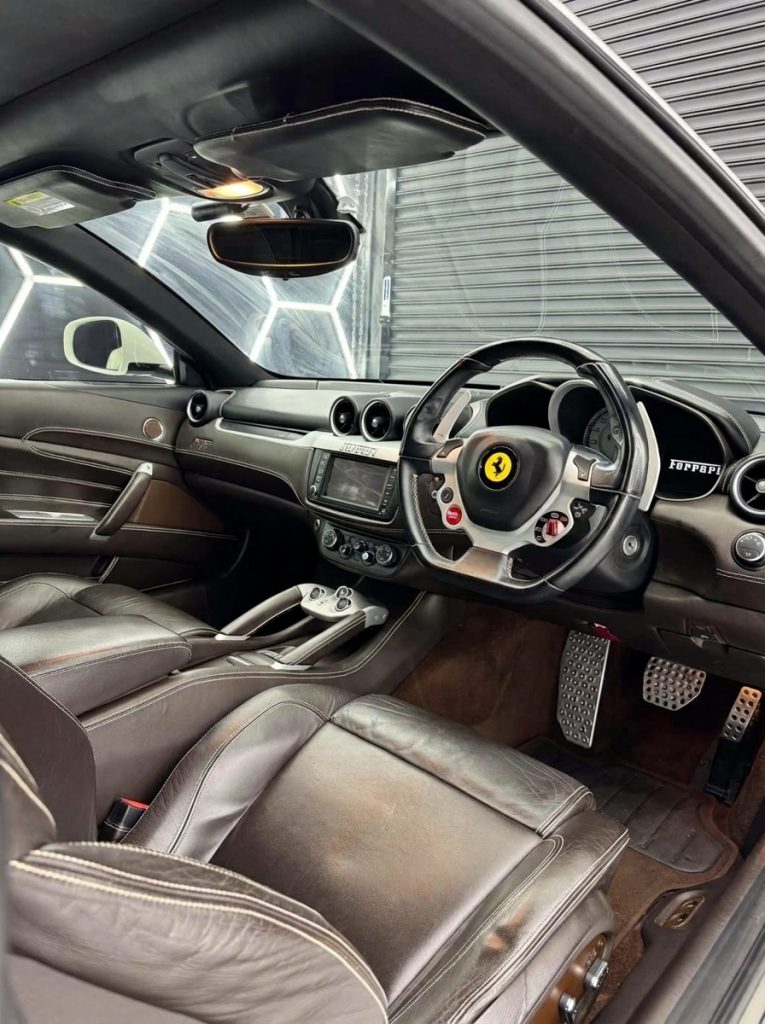
Want to lock in your date? Choose a car and your dates online, or call us and we will plan it with you.
Choose Your CarCall 0468 011 118Making the day inclusive for every guest
Not everyone who earns a reward wants to drive, and that should be respected without any awkwardness. Offer the choice openly. Some people will want the wheel, others a passenger seat, and some may prefer to take their turn later in the day. A chauffeured format makes it easy for anyone to enjoy the car without feeling pressured, and it removes the strain of driving in front of colleagues they see every day.
Think about physical comfort too. Some staff may need more legroom, may feel unsure about getting in and out of a low car, or may simply prefer a quieter ride. Ask discreetly before the day and make the adjustments that let everyone enjoy it. A thoughtful plan protects dignity and makes the reward feel like a gift rather than a test of confidence.
Keep the invitation simple and warm. Tell people what the day involves, what they can expect and what they need to bring. Avoid private jokes or comments about who deserves the reward more, because the people who did not earn it this time are also part of the team. A reward should lift the group, not divide it into winners and the rest.
Running the group day and the recognition moment
The recognition moment matters as much as the drive. Before the day, agree on what will be said, who will say it and how the achievement will be described. A short, specific statement about what the person did works far better than a generic thank you. Name the milestone, explain why it mattered to the business and invite the team to share the moment with them.
A group day can also include a short debrief at the end of a session. Ask people what they enjoyed, what they would change and what they took from the experience. Keep it light, avoid pressure to perform and use the feedback to plan the next reward. Teams that talk openly about recognition tend to trust the process more, and they are more likely to put their hand up for the next goal.
For larger groups, ask us about the timing and the order of drives before you finalise the plan. A clear sequence agreed in advance makes the day feel generous, relaxed and fair, which is exactly what a reward should feel like. Share the sequence with the group a few days before, so people know what to expect and can ask any questions they have.
Keeping the records and the message clear
Good records protect everyone. Keep a note of the criteria, the names of those who qualified, the date of the day, the booking details and the purpose of the reward. Store them in one place rather than across several inboxes. If the reward is connected to pay or a bonus scheme, your accountant or payroll adviser should confirm how it is treated before the year closes.
The financial year closes on 30 June, so this is a sensible time to review what you have planned. Check that every reward you intend to give this year has a clear purpose and a record, and that any day booked for later in the year is confirmed. Leaving the paperwork until the last week of June makes everything harder than it needs to be for the people who manage it.
Your message to the team should be honest and specific too. Explain the rule, the reward and the reason, and keep the tone calm. Staff who understand why a reward was given tend to see it as fair, even if they did not qualify this time. Clear communication is one of the simplest ways to make a recognition scheme last and to keep people motivated across the year.
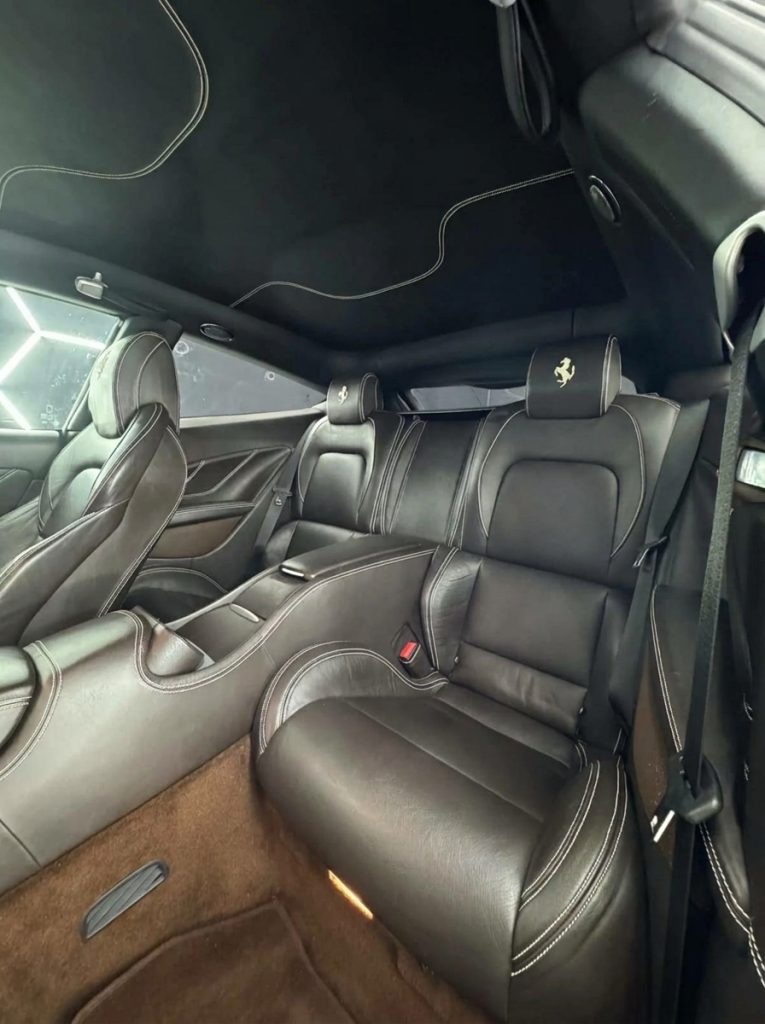
Your next step for a staff supercar day
A supercar day is one of the most memorable ways to recognise a top performer, and it can become a regular part of how your business says thank you. It works best when the criteria are fair, the format suits the person, the day is safe and the story is shared with the team. Availability is confirmed on the car page or by quote, so you can plan with confidence rather than guessing.
Start with three decisions: the person or team, the format and the date. Read the drive day experience page to see how a day can be arranged, and compare the options for the person you have in mind. Write the criteria down before you announce anything, so the reward is clearly earned and everyone can see why it was given.
When you are ready, book the car on its page for the chosen date, or message or call us to plan the day for your team. Tell us the number of people, the format you prefer and any access needs, so we can plan around them. Start now, so the date is locked in well before the end of June and the reward lands while the achievement is still fresh.
Frequently asked questions
What is a good staff reward idea in Sydney?
A supercar day is a strong reward for a top performer because the memory lasts far longer than a cash bonus. It works best when it is linked to a clear milestone and shared with the team afterwards. Choose a format that suits the person, set a date that works, and tell us the number of people so we can plan the day around them.
Can we book a supercar day for a staff member who does not drive?
Yes. Chauffeured hire lets the staff member ride while one of our drivers takes the wheel, and many showpiece cars are chauffeur only. Tell us the pick-up address, the number of passengers and any stops you want on the route, and we will plan the day around those details. Availability is confirmed on the car page or by quote.
Can a staff member under 18 take part in a reward day?
A person under 18 never drives a Drive Tribe hire car, so they travel chauffeured. No alcohol is served to anyone under 18, so any celebration lunch should be alcohol free for them. Check the plan with the staff member and, where needed, their parent or guardian before the day, so everyone knows what to expect.
Should a staff reward day include alcohol?
If a reward includes lunch or drinks, the sober answer is a chauffeur for the trip home, and nobody should drive after drinking. Keep drinks optional, offer good alcohol free choices and never make driving part of the celebration. A chauffeur lets everyone enjoy the day and arrive home safely, which protects the people you want to recognise.
How do we choose who earns a supercar day fairly?
Write the criteria down before the period starts, such as a sales target, a project milestone or a safety record, and apply them to everyone in the same way. Share the rules with the team, keep a record of who qualified and why, and link the reward to the criteria rather than personal favour. A reward chosen in advance is easier to defend and more motivating.
Is a supercar day a tax-deductible staff reward?
That depends on the type of reward, how it is provided and your payroll arrangements, so ask your accountant or payroll adviser before the financial year closes on 30 June. Drive Tribe does not give tax advice. Keep the booking details, the date, the purpose of the reward and the list of people who attended, so the records are ready when you need them.
More guides to read next
- A Corporate Team Day: A Guided Drive Convoy from Sydney
- EOFY Business Car Hire in Sydney 2027: Plan Ahead for 30 June
- Executive Chauffeur Services in Sydney: Airport, Meetings and Dinners
Ready when you are. Choose a car and your dates online, or call us and we will plan it with you.
Choose Your CarCall 0468 011 118