
Book the MV Agusta F4. Pick your dates and book the MV Agusta F4 online, or call us and we will sort it with you.
Book NowCall 0468 011 118Late winter is one of the most rewarding and most underrated times to ride the Hume Highway between the Southern Highlands and Goulburn. The days are short, the air is sharp, and the country opens up in a way summer traffic rarely allows. This guide walks through what August really feels like at highway speed, where to stop for fuel and food, and how to prepare for a ride that is comfortable, safe and worth the early start.
New to riding with us? Our page on motorbike hire in Sydney covers the bikes, the rider rules and how pick-up works.
Why August is a different ride
Most riders picture the Hume as a long grey line of trucks, and in August that picture is only partly wrong. The freeway is the same asphalt it was in January, but the air around it is cold, dry and often still at first light. Between the Southern Highlands and the tablelands near Goulburn, the temperature can drop several degrees from one valley to the next, so a ride that began in a light jacket in the city can feel quite different by the time you reach Marulan.
On many winter days the wind comes across the tablelands from the west, and the afternoons are often the gustiest part of the day. On a bike that matters more than it does in a car. A crosswind on an open stretch can nudge a light machine toward the verge, and wind chill on an exposed rider is harsh even when the thermometer looks kind. Sit relaxed, keep your grip light and expect the bike to move a little more than you are used to.
The main difference is the margin for error. Cold tyres grip less, the surface can stay damp in shaded cuttings after overnight rain, and the sun sits low enough to put glare straight into your eyes for much of the morning. None of these are reasons to stay home, but each one changes how far ahead you need to look, how early you brake and how much space you leave for the vehicle in front.
Temperature and the first hour
The first hour is the coldest and the most demanding part of a winter ride. Frost can form on bridges and in low spots, and the engine and tyres take longer to come up to working temperature. Ride gently for the first ten or fifteen minutes, watch the surface ahead and leave hard braking and quick direction changes until the tyres are warm and you have a feel for how the road is grabbing.
Layers do most of the work. A thermal base layer under a riding jacket, a windproof mid layer and a weatherproof outer shell will cope with most mornings from the Sydney suburbs to the high tablelands. Cold hands are slow on the clutch and brake levers, so good gloves are worth the extra room they take up. Pack a spare layer in your luggage so you can add it at a fuel stop rather than shivering through the next forty kilometres.
Keep an eye on the temperature as the morning warms. Once the sun clears the ridges, the air can feel pleasant within half an hour, then turn cold again when cloud drifts over in the afternoon. The safest approach is to plan for the coldest part of the day, and to be ready to open a vent or peel off a layer the moment you start to sweat inside your gear.
Visibility, glare and the trucks
The Hume is a busy freight route, and trucks dominate the left lane for long stretches. In low winter sun a truck can hide your position in its shadow, and after rain its spray can cut visibility to almost nothing. Stay out of its blind spot, give it generous room when you pass, and avoid sitting alongside a heavy vehicle on a wet surface. If the spray lifts and clears, drop back a few seconds rather than pushing to catch up.
Sun glare is the second problem. Early in the ride the low sun can sit almost in your line of sight, and a clean visor makes a real difference. Check that your visor is free of scratches, smears and fogging before you leave home, and carry a spare clear visor in your luggage. A visor that looks fine in the garage can look very different when the low sun hits it on the open road.
Lights should be on at all times, as they are on any road, and bright outer layers help you stand out against the grey winter scenery. Many riders find that a steady habit of checking the mirrors, scanning the road well ahead and glancing at the traffic several cars in front keeps them more alert than a long, unbroken stare down one lane.
Choosing the right time to leave
Your start time is the first decision that shapes the whole day. A winter run works best when you leave between about seven and eight in the morning, once the worst of the frost has lifted and the sun is high enough to give some warmth. Leaving at that hour also gives you a clear run south before the traffic builds, and it means you reach Goulburn in time for a proper breakfast rather than a rushed coffee at the first available stop.
Afternoons are a different matter. The wind often rises, the sun drops quickly after four o'clock and the temperature falls fast once the light goes. If you plan a return run from Goulburn, aim to be back in the outer suburbs before the sun is low, and allow more time than the map suggests for stops, traffic and the cold that creeps into your gear as you tire.
Dusk brings the greatest wildlife risk on the rural stretches. Kangaroos and wombats move onto grassy verges as the light fades, and a rider has very little time to react when one steps out near a fence line or a creek crossing. Scan the verges constantly as the light changes, and slow down before you reach the stretches where you have seen animals earlier in the day.
Fuel, food and rest stops
Plan fuel as carefully as you plan the route. Goulburn is a regional centre with a good range of service stations, and the larger towns along the highway have fuel as well, but the rural gaps between them can be longer than they look on a map. Fill up before you leave the Sydney suburbs and again before the last major town, and keep a little in reserve, because cold air, headwinds and a heavier throttle hand all burn more fuel than you expect.
For food, a hot breakfast in a country town is one of the best reasons to take the Hume in winter. Many cafes and bakeries along the highway and in the streets of Goulburn open early, and a hot drink and ten minutes off the bike will do more for your concentration than any extra layer. Stop roughly every hour, stretch your legs and check your hands, because cold muscles make small mistakes more likely and tired riders tend to skip breaks they should take.
Rest areas on the highway are wide and generally well lit, and most have room to park a motorbike safely off the carriageway. Use them. Fatigue creeps up slowly on a cold ride, and the first sign is often a drift in concentration rather than a tiredness you notice. If you feel it, pull over, walk around, drink some water and only carry on once you feel fully alert again.
What the road is like
The Hume between the Southern Highlands and Goulburn is a broad, well-kept divided highway with long sweeping grades, generous lanes and wide shoulders. Compared with the tighter country roads closer to the coast, it feels open and fast-moving, and it rewards a calm, steady style rather than sharp changes of direction. The surface is generally smooth, but expansion joints and worn patches can appear without warning, so keep your eyes ahead and your inputs gentle.
The character of the road shifts as you head south. Near the Southern Highlands the highway climbs and falls through cuttings and undulating country, and shaded sections can keep frost and damp on the surface long after the sun has reached the open paddocks. Beyond Marulan the land flattens and opens out, the views stretch to the hills in every direction, and the wind has far more room to build across the tops.
Do not treat the freeway as a place to ride a straight line with your mind elsewhere. Traffic density changes from hour to hour, and a sudden slowdown behind a broken-down vehicle or a crash can happen anywhere along the route. Keep a steady gap, watch the traffic several vehicles ahead and be ready to act early rather than late. Smooth, predictable riding is the best defence against the surprises a busy highway can throw at you.

Want the MV Agusta F4 for your date? Pick your dates and book the MV Agusta F4 online, or call us and we will sort it with you.
Book NowCall 0468 011 118Gear for a cold, dry day
Your gear is the most important part of a cold ride. A certified helmet that fits properly, a jacket with armour at the elbows and shoulders, and riding trousers or leathers with protection at the hips and knees will keep you safe and comfortable. Choose boots that protect the ankles and have a firm sole for the footpegs, and check that your gloves let you work the controls without losing feeling in your fingers.
If you ride with your own kit, check it before you set out. Look over the seams, zips, armour and the helmet visor mechanism, and make sure nothing has worn through since the last outing. Winter also brings sudden showers, so a waterproof layer belongs in your luggage even when the morning looks perfectly clear. A small dry bag or a sealed pouch will keep a warm spare pair of gloves and a dry top ready for the stop at the end of the ride.
Think about the cold in terms of your core as well as your hands and feet. A thin thermal base layer, a neck tube or balaclava and a warm pair of socks can make a large difference after the first hour. Avoid cotton against the skin, since it holds moisture and feels colder once you are sweating, and keep an extra layer where you can reach it without stopping the bike.
Before you book: the hire rules for this ride
Our bikes are self-drive and hired from our Parramatta base, with a three day minimum hire, which gives you room to settle in for a run like this one. To ride with us you need a full motorcycle licence held for at least three years, and you must be 25 or older on every bike in the fleet. Overnight the bike has to be kept in a locked garage or secure off-street parking between 9pm and 6am, so plan where it will sleep on the nights you are away.
Safety checks before you roll out
Start every ride with a walk around the bike. Check the tyre pressures with the tyres cold, look at the chain or drive, test the brakes, and confirm that the lights and indicators work. Cold weather lowers tyre pressure, so a quick check at the start can save a long walk on the side of the road later.
Fatigue and alcohol are the two factors riders most often underestimate. Do not drink before you ride, and remember that a cold ride drains energy faster than a warm one. Take a break at least every hour, eat something with sugar and protein, and stop early if your concentration starts to slide. Riding within your ability matters more on a winter road than on a summer one, because the margins are smaller.
Wildlife is a real risk at dawn and dusk on the rural sections. Keep your speed sensible for the conditions, scan the verges and stay alert near fences and creek crossings. If an animal appears in front of you, brake firmly and steadily rather than swerving sharply, since a sudden lean can put you off line or into the path of the traffic beside you.
Before you leave home, check road conditions with Transport for NSW, and look at the forecast for the Southern Tablelands, because conditions on the high country can change quickly from one hour to the next.
Where this ride is leading you
Once you have a cold morning, a hot breakfast and a long clear run south behind you, the Hume near Goulburn becomes a route you want to repeat. Late winter gives you fewer crowds, a crisp view of the hills and a clear sense of how a bike handles in changing air. Many riders find that these quieter rides teach more about machine control than any number of sunny weekend outings.
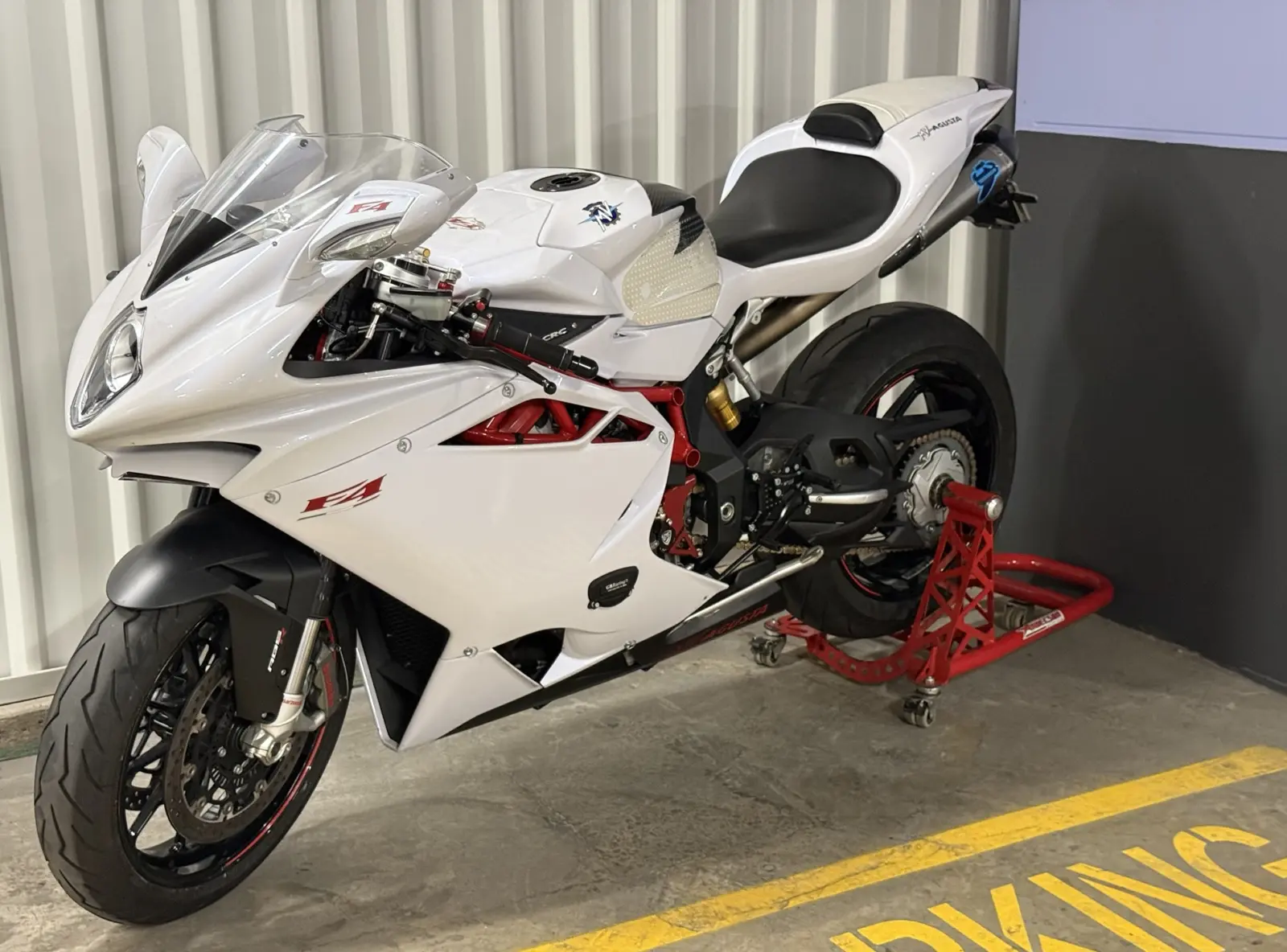
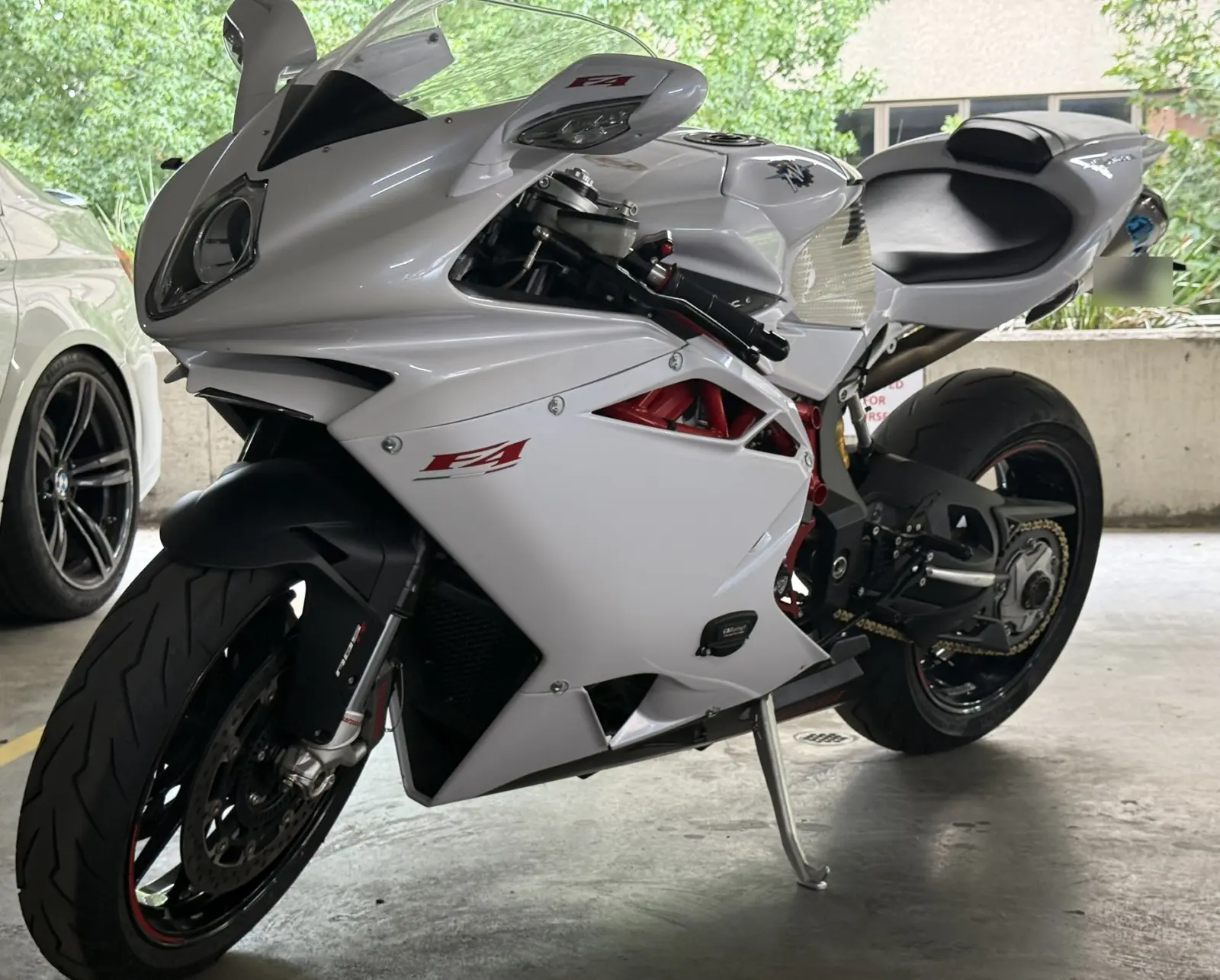
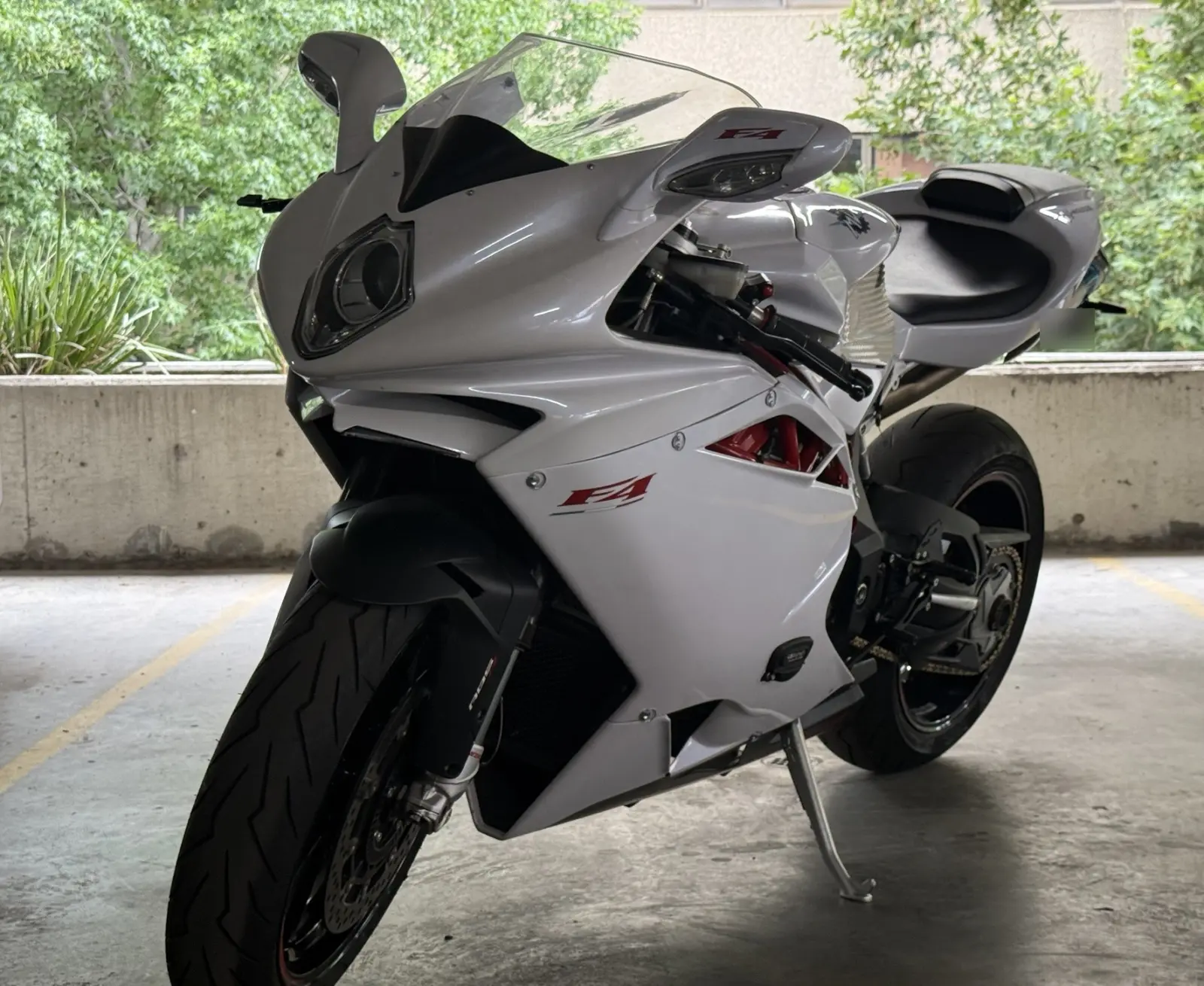
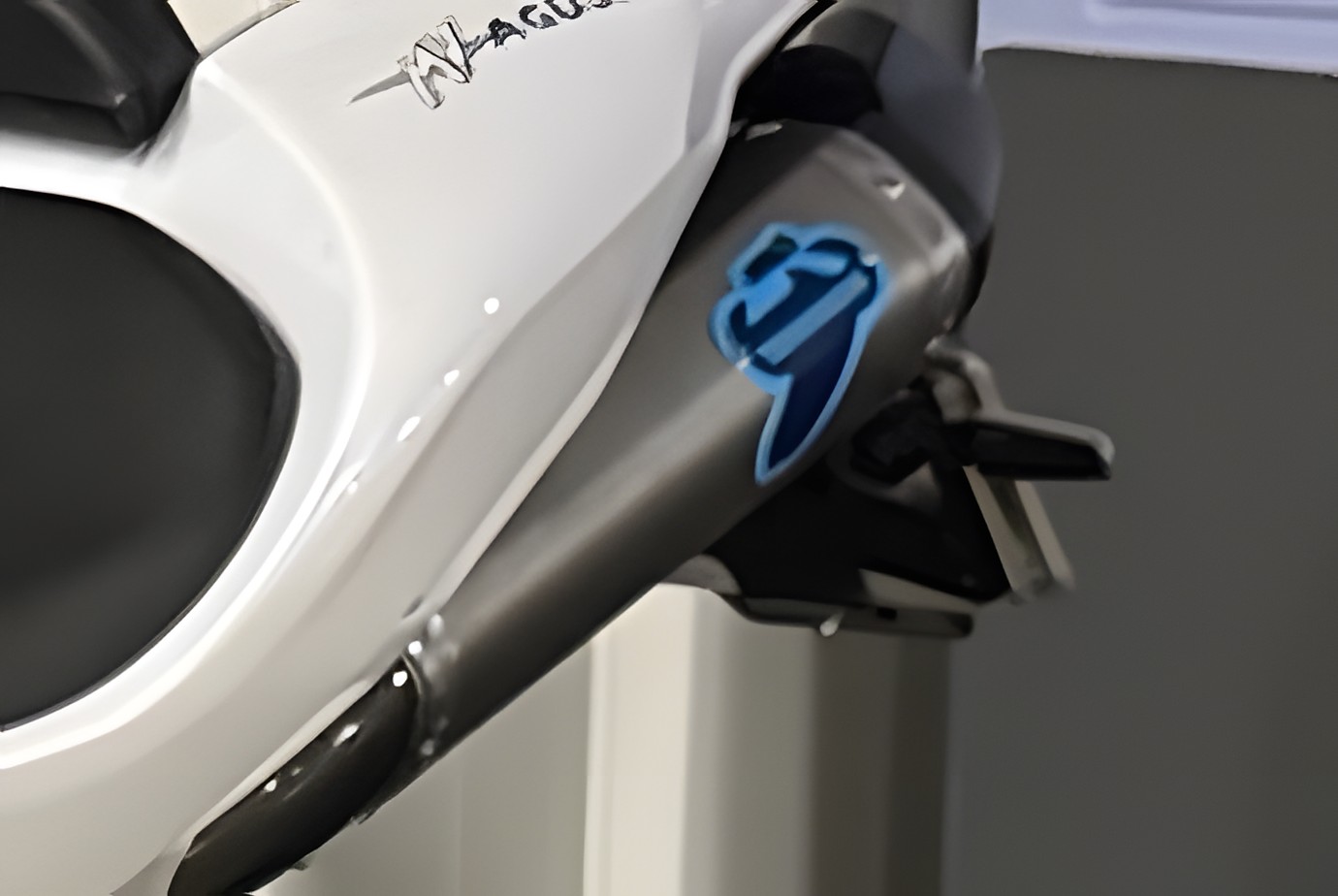
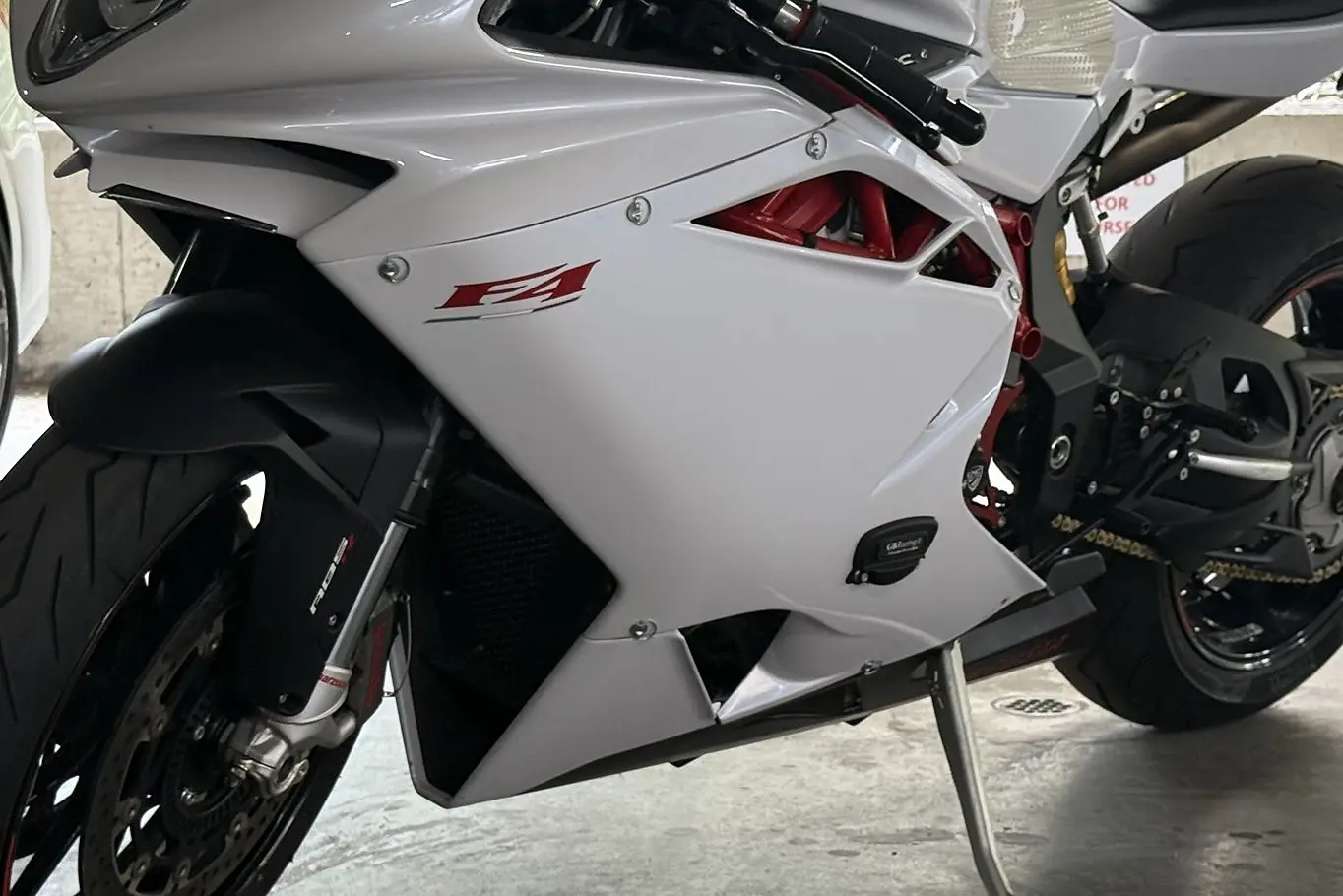
For this trip we recommend the MV Agusta F4 (2017), a 998cc inline four rated at 143 kW, finished in pearl white with a red trellis frame and fitted with a performance exhaust. Its strong, smooth delivery suits the steady pace of a highway run, and it rewards a rider who keeps the ride calm and deliberate. Check its page for availability and details before you plan your dates.
If the Hume in August sounds like the ride you have been waiting for, reserve your dates and come and see the bike for yourself. You can browse the MV Agusta F4 page or the full fleet to compare the other bikes, and we will help you plan a safe, comfortable run from Parramatta to the tablelands and back.
Frequently asked questions
Is August a good month to ride the Hume Highway near Goulburn?
Yes, for riders who are prepared for the cold. August brings clear, dry days more often than not, fewer crowds on the highway than summer weekends bring, and open views across the tablelands once the morning haze lifts. The main challenges are cold starts, crosswinds and low sun. With layers, a clean visor and a steady pace, the run is comfortable and rewarding. Plan your day around the warmest part of the afternoon and allow extra time for stops.
How cold can it get on the Southern Tablelands in August?
Mornings near Goulburn can be close to freezing on clear, still nights, and the air feels colder again on a moving bike. Days often warm up pleasantly under a bright sun, but cloud and wind can bring the temperature down quickly. Frost is most likely in low spots and shaded sections of road in the early morning. Check the forecast the day before, and pack a layer you can add at a fuel stop so you are not caught out on the way home.
What should I wear for a late winter ride to Goulburn?
Dress in layers, starting with a thermal base layer, then a windproof mid layer and a weatherproof outer shell. Good gloves matter more than most riders expect, because cold hands lose feeling and grip quickly. Wear boots that cover the ankles, and a warm neck tube or balaclava under the helmet. Carry a spare dry layer and a waterproof jacket in your luggage, since a sudden shower can arrive from the west with little warning.
Is the Hume Highway safe to ride in winter?
The Hume is a well-built divided highway, and riders on it are safe when they ride with care. The biggest hazards are trucks creating spray and turbulence, sudden slowdowns in traffic and surface changes in shaded cuttings. Keep a generous gap, stay out of heavy vehicle blind spots and ride at a pace that suits the conditions. Cold and fatigue are the factors that most often catch riders out, so plan regular breaks and stop early if you start to feel stiff or distracted.
Where can I stop for fuel and food between Sydney and Goulburn?
Fuel stops are spread along the highway and in the larger towns, but the rural gaps can be longer than they look on a map, so fill up before the last major centre. Goulburn has a good range of cafes, bakeries and service stations for a hot break before the ride home. Rest areas along the highway let you stretch, check your gear and warm your hands. Plan your stops in advance, and never ride while feeling drowsy or cold.
Can I ride the Hume near Goulburn in the late afternoon?
You can, but late afternoon in August brings the lowest sun, the fastest drop in temperature and the highest chance of wildlife on the verges. Plan your ride so you are back in the outer suburbs well before dark, and allow extra time for stops and traffic. If you do ride in low light, keep your visor clean, use your lights and take extra care near fences and creek crossings where animals move.
Ready when you are. Pick your dates and book the MV Agusta F4 online, or call us and we will sort it with you.
Book NowCall 0468 011 118