

Book the Rolls-Royce Phantom with a chauffeur. Send us the date, the times and where you are going, and we will confirm the Rolls-Royce Phantom for your night.
Book NowCall 0468 011 118The Australian Year 12 formal and Japan's sotsugyoshiki sit at opposite ends of the spectrum in tone. One is a social evening of dinner and dancing, the other a reflective ceremony held in a school hall. Yet both give a graduating year group a clear moment to say goodbye, and both shape how students remember the end of school for decades. This comparison looks at where the two nights differ, where they agree and why the Australian arrival has a strength of its own.
Two very different rooms, one shared goodbye
Picture a formal in Sydney and a sotsugyoshiki in a Japanese school hall, and the two scenes look completely different. One has music, tables and a lively crowd. The other has rows of seats, a formal programme and a quiet, focused atmosphere. Yet at the heart of each is the same wish: to mark the moment a group of young people leaves school together.
That shared goodbye is what makes the comparison worthwhile. Students in both countries think about who they will miss, which friends they will keep and what the next chapter might look like. The traditions give that feeling a shape, and each one does it in its own way.
The sections that follow look at ceremony and celebration, at what students wear, at timing and at families. They also explain the rules we follow for younger guests in Sydney, which shape how an Australian formal is organised from the first pickup to the final farewell.
Ceremony against celebration
The sotsugyoshiki is a ceremony first. Its programme is set, the speeches are measured and the year group moves through the day as one body. Attention stays on the stage and on the act of recognising the students, which gives the event a dignified character from the opening words to the closing song.
The Australian Year 12 formal is a celebration first. It is built around a meal, a set of speeches or awards, and then a long stretch of dancing. The mood is warm and social, and the night rewards students who want to move between tables, chat and enjoy the music with their friends.
Each approach has real strengths. A ceremony gives the group a shared moment of reflection that is easy to remember, while a celebration gives students room to be themselves and enjoy one another. Many families end up valuing both, which is why the Australian formal often includes a short moment of recognition before the dancing begins.

Dress for the day and for the night
Dress tells a story in both countries. For the sotsugyoshiki, many students wear the school uniform, which shows that the day belongs to the school and the years spent there. The choice reflects respect for the institution and for the community that shaped the group.
For an Australian formal, dress is a chance to express personal style. Students plan outfits with friends, agree on a loose theme and often share ideas well before the night. The look is more individual, and the photos show a range of personalities that happen to share a single occasion.
For families in Sydney, the lesson is that dress can carry meaning without feeling rigid. A simple dress guide, a colour range and a clear sense of the venue give students the freedom to choose, while the group still looks like a group in the photos.
Timing and the rhythm of the school year
The sotsugyoshiki is held in March, which is the close of the Japanese school year. It marks an ending, and it sits within a wider cycle of graduation, the spring and the start of a new term. The date is fixed by the calendar, and families plan around it from the start of the year.
The Australian Year 12 formal is held later in the school year, usually after the final exams are finished. That timing gives the night a celebratory feel, because students have the chance to relax after months of study and to look forward to what comes next.
Choosing a date for a formal in Sydney is a balancing act. Families look at the school calendar, the other events students attend and the weather at the time. A date that suits the whole group keeps the night relaxed and gives everyone a fair chance to prepare.
The shape of the programme
The sotsugyoshiki follows a set order. Students enter, the ceremony unfolds with speeches and the presentation of certificates, and a shared moment of farewell closes the programme. Families and teachers see the year group move through the same sequence together.
The Australian formal usually has a more flexible programme. The evening can open with arrivals and a welcome, move into a meal and then unfold with speeches, awards and dancing. Some groups add a short film or a group photo, which gives the night a personal shape.
Rehearsal is another point of comparison. Japanese schools often rehearse the ceremony closely so that every student knows where to stand and when to speak. Australian formals rarely need that level of precision, but a short run through of the arrival, the walk inside and the seating plan can save a surprising amount of confusion on the night. A few minutes of practice gives students the confidence to relax and enjoy the evening.
Both programmes show how a shared plan helps a large group feel calm. A timetable that everyone can see, from the first pickup to the last song, makes it easier for students to relax and enjoy the moment.
Want the Rolls-Royce Phantom for your date? Send us the date, the times and where you are going, and we will confirm the Rolls-Royce Phantom for your night.
Book NowCall 0468 011 118Where the Australian arrival does its best work
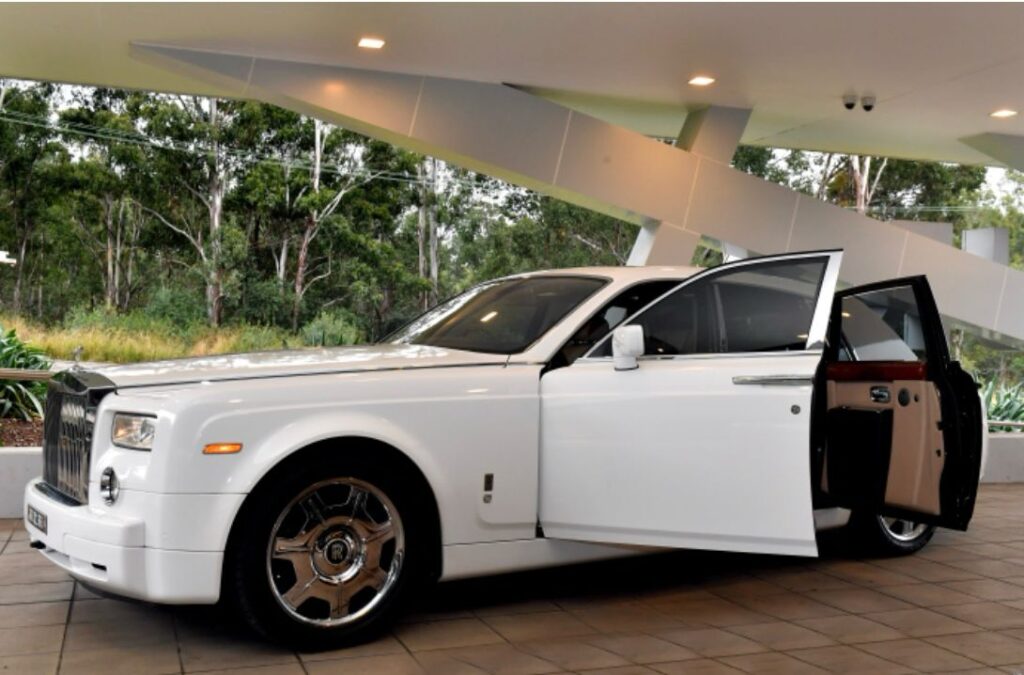
The Australian formal has one clear advantage in its arrival. Students can step out of a car at the entrance, pose together and walk in as a group, with the photos taken before the crowd gathers. That first image often becomes the strongest memory of the evening, and it sets the tone for the rest of the night.
A planned arrival keeps the group together. Instead of arriving in dribs and drabs, students can meet at the kerb, share a laugh and step into the venue as one. That shared entrance is easy to achieve with a plan and difficult to achieve without one.
This is why we think Aussie students do the arrival best. The formal already has a timetable, a photo stop and the option of a striking car. Combined, those elements turn the arrival into a moment the group talks about long after the night is over.
Families and how they take part
Families take part in very different ways. In Japan, parents attend the ceremony and watch their children take part in a formal programme. In Australia, parents may help with transport, photos and the timetable, or they may simply wait at home for the stories that follow.
Household habits also differ. Some families like to gather for a meal before the night, others prefer a quiet farewell at the front door and many find a middle ground. The best planning respects those differences and avoids assuming that one pattern fits every household.
There is also a difference in how the day ends. A ceremony tends to finish with a clear sense of closure and people then drift home or to smaller gatherings. A formal often finishes later, with students lingering at the venue and sharing last photos before the cars arrive. Planning the finish carefully, with a clear return time for each family, helps the night close as well as it began, and it means students can enjoy the last hour without worrying about the trip home.
A useful habit is to share the timetable early and invite questions. Parents who understand the plan are more relaxed, and students feel supported when the people around them are informed and calm.
Rules for younger guests in Sydney
For younger guests, we follow clear and firm rules. Anyone under eighteen travels chauffeured with us, so one of our professional drivers takes the wheel and the students ride in comfort. Self-drive is restricted to adults, and each car page lists the minimum age for its driver so families can check before booking.
Under-18s are not permitted any alcohol inside a vehicle. Schools set their own formal rules, and families should bring those rules to the planning stage. Our drivers will not carry alcohol for younger guests, and the same standard applies to every person in every vehicle we send.
A simple contact plan makes the night easier for everyone. Share one mobile number for the group coordinator, the driver's details and the venue entry point with every parent. That single list keeps the group informed if the timetable changes on the night.

A featured car for a dignified arrival
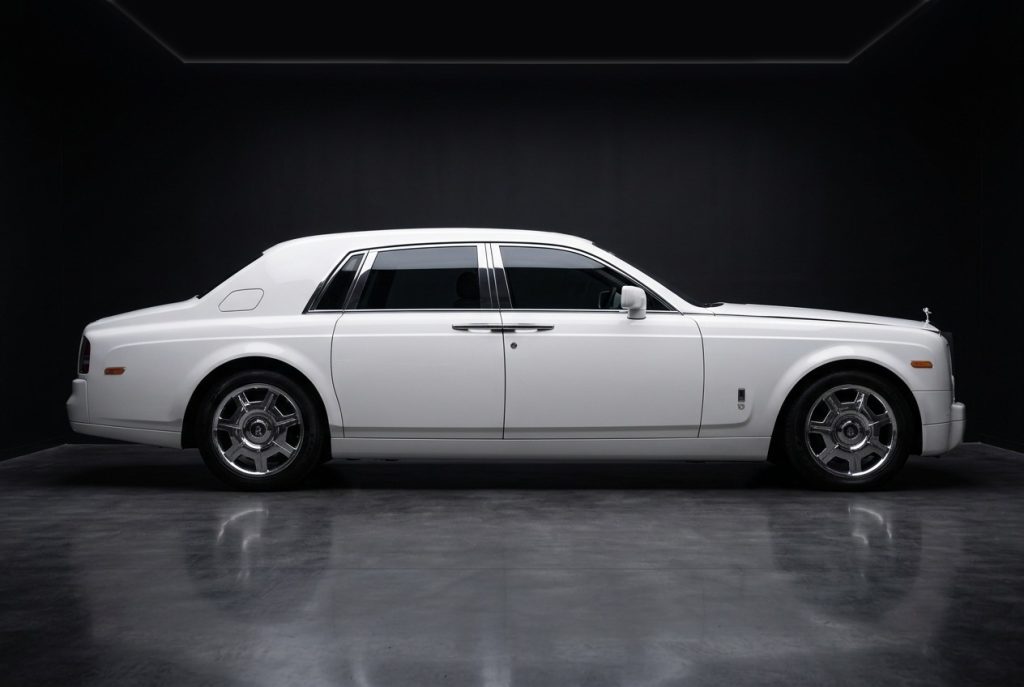
If you want an arrival that feels dignified and considered, our Rolls-Royce Phantom is one of our featured cars. Only a chauffeur is offered for this car, so the students can settle in the back while one of our professionals takes charge of the route and the kerbside manoeuvres. The car suits a night when the entrance is meant to feel calm and unhurried.
Look through every vehicle on our fleet page to weigh the choices side by side. Tell us how many students are coming, the homes you are collecting from and the time you need to arrive, and we will recommend a car and driver arrangement that fits.
Whether your formal is a quiet and reflective occasion or a lively night of dinner and dancing, the arrival is worth planning with care. Map out collections and halts with the chauffeur planner, and allow us to help your party begin the evening with flair.
Frequently asked questions
Is a sotsugyoshiki the same as a formal?
No. The sotsugyoshiki is a formal graduation ceremony in a school hall, usually held in March, with a set programme and a reflective tone. The Australian Year 12 formal is a social evening with dinner and dancing. Each one signals the close of school life, and each places importance on the bond shared by the whole year level.
Which tradition has the better arrival?
Where the Australian formal really shines is the entrance: a schedule can accommodate a car, a stop for pictures and a choreographed walk-in. That lets the group gather and walk in together. Both traditions have their own moments, but the planning of the arrival is what makes it memorable in Sydney.
Can younger guests be driven to a formal?
Yes, as passengers. Anyone under eighteen travels chauffeured with us, and one of our professional drivers takes the wheel. Only grown-ups may drive themselves, and the age floor for each vehicle is given on its listing. A chauffeured car keeps the arrangement simple for younger guests.
Can younger guests have alcohol at the formal?
No. Under-18s are not permitted any alcohol inside a vehicle. Schools set their own rules for formal events, and families should bring those rules to the planning stage. Our drivers will not carry alcohol for younger guests, and the same standard applies to every person in the car.
Can the car hold position for group photos?
Yes. List the photo break as a separate entry on the schedule, noting where it is and approximately how long it will last. Mention this at booking so the chauffeur keeps the car in place during the group shot. Before the evening, we check that the location is workable in terms of parking and traffic.
How do we get a figure for a formal car?
Ask for a written quote that matches your plan. Pricing hinges on the day, the duration and the journey, so consult the car listing or request a quotation. Include the pickups, the stops and the finish time in your request, and our team will tailor the quote to that timetable.
Ready when you are. Send us the date, the times and where you are going, and we will confirm the Rolls-Royce Phantom for your night.
Book NowCall 0468 011 118Want a car nobody else will arrive in? See the Private Signature Collection: rare chauffeured wedding and formal cars, by appointment.