

Book the Chrysler 300 Jet Door Limousine with a chauffeur. Send us the date, the times and where you are going, and we will confirm the Chrysler 300 Jet Door Limousine for your night.
Book NowCall 0468 011 118Samoa and Tonga are island nations with strong family and community traditions, and school leavers there are often welcomed with gatherings that draw in the wider family. Customs differ between islands, villages and households, so this article draws on general themes only. Set beside an Australian Year 12 formal, the comparison shows how a milestone can be shared across generations, and it offers ideas for families here who want the night to honour that sense of belonging.
Family and community at the centre
In Samoa and Tonga, a milestone such as finishing school is rarely a private matter. Family and village networks take an interest, and the people gathered around a student often include aunts, uncles, cousins and neighbours who have watched them grow. The celebration is shared in the way a community shares its joy.
Traditions differ between islands, villages and households. Some families host a large gathering, while others keep the day to a close circle. This article draws on general themes rather than one set of rules, and it is always worth asking a family what they would like the day to look like before making any plans.
For many Samoan and Tongan families in Australia, the milestone sits between two places. Students may be preparing for a formal here while relatives are at home or in other countries, and the planning often involves calls and messages across time zones. Keeping the wider family included is part of the celebration itself.
Respect, roles and the older generation
Respect for elders runs through many island traditions, and it shapes how the celebration is arranged. Older relatives are often invited to offer words of advice or be seated in a place of honour. Their presence signals that the young person belongs to a family that values its history and its connections.
Roles are shared. Aunties, uncles and older cousins may take on the cooking, the decorating or the hosting, while younger cousins help with the photographs and the programme. Each person has a place, and the young graduate sits at the centre of a team that has been planning for weeks.
Families differ in how strictly these roles are followed. Some households have clear expectations, while others share the work more loosely across the generations. Asking older relatives what they would like to do is a respectful way to begin, and it often brings out stories that are worth recording for the family album.
Good hosts also make sure that guests who travel a long way feel looked after. A place to sit, a drink of water, a plate kept warm and a quiet room for a rest all help older relatives enjoy the day. Those practical kindnesses matter as much as the speeches, and families remember who was thought of at the right moment.
Traditional dress and fine mats
Traditional dress matters to many families on significant days. In Samoa, the ie toga, a finely woven garment, is worn on ceremonial occasions, and in Tonga the ta'ovala, a woven mat worn around the waist, is a familiar sign of respect. Families in Australia may choose to wear these pieces for a graduation photograph or a family gathering.
Fine mats are a traditional gift in Samoan custom, often given to honour a person at important moments in family life. Where families still use them, a mat may be presented by relatives and kept as a treasured item. Asking the family whether they would like a mat to appear in the photographs is a thoughtful gesture.
Clothing for a formal can carry the same meaning. A student might wear a graduation gown or suit alongside a traditional wrap, a family piece or a woven accessory. The combination honours both the school milestone and the family's heritage without making either one feel out of place on the night.
Gifts, food and the shared meal
Food brings people together at island celebrations. A shared meal, sometimes cooked in an umu, the earth oven used in both Samoan and Tongan cooking, can feed a large gathering and give everyone a reason to sit down together. The cooking is often a family effort that begins days before the day itself.
Gifts are part of the exchange. Relatives may bring a card, flowers, a small present or a traditional item, and the graduate is expected to thank each person properly. Families often keep a record of who gave what, so that every thank you is given in full. That record keeping is a quiet form of care.
For an Australian formal, a meal before the night can capture some of this spirit. A family dinner at home with relatives, a shared plate of food or a toast can start the evening with warmth. Keep it relaxed so the group still has time to get ready and enjoy the car ride.
How school leavers mark the moment
School leavers in both countries often mark the end of school with a gathering of classmates and family. The details vary, but the purpose is shared: to thank the people who helped along the way and to step into the next stage of life together. Friendships built over the final years are celebrated as much as the result itself.
Some students help plan their own farewell with classmates, choosing music, food and the running order. Others leave the planning to older relatives and focus on the day. Both approaches show care, and the most meaningful celebrations usually mix the two so that the young person and the family both have a voice.
For Australian students attending a formal, the same care can shape the night. Ask the group to agree on a shared theme or a moment that honours their families, such as a thank you speech or a family photograph. Small, meaningful choices make the evening feel rooted in the people who matter most.
Want the Chrysler 300 Jet Door Limousine for your date? Send us the date, the times and where you are going, and we will confirm the Chrysler 300 Jet Door Limousine for your night.
Book NowCall 0468 011 118Music, dance and the community stage
Music and dance are powerful ways to celebrate. In many island communities, song and dance carry stories of family, place and history, and a performance can be a way for young people to show their connection to their roots. Those performances are often greeted with real pride from every corner of the room.
Performances are shaped by the family and the occasion. Some groups prepare a dance with cousins, while others sing or play a favourite song for the guests. The preparation builds closeness across age groups, and younger family members often learn from the older ones along the way.
Families celebrating an Australian formal can invite the same energy. A short family performance during the photographs, a favourite song in the car or a dance with cousins at the venue gives the evening a shared rhythm. Keep the items short and rehearsed so they fit comfortably within the timeline.

Getting around on the day
Transport is a practical part of any celebration, and the plan should suit everyone in the family. Relatives may arrive from different suburbs, students may travel with friends and older guests may need extra time to get in and out of a car. A clear list of addresses and times avoids confusion and keeps the day relaxed.
For students under 18, a chauffeured car with a professional driver is the sensible choice. No alcohol is allowed for anyone under 18 in any car, and schools set their own formal rules that families should respect. Those limits apply to every celebration, whatever a family's traditions happen to be.
Agree the plan with the family and the driver well before the night. Share the pickup order, confirm the arrival time and keep one contact number for changes on the day. A calm plan lets the family enjoy the moment together rather than watching the clock.
How the island celebration compares with an Australian formal
The biggest difference is the number of people involved. An island celebration often draws in the extended family and wider community, with a large shared meal and many roles to fill. An Australian formal is usually organised by a smaller group of parents, students and the school, with a single evening at its heart.
Traditional dress is another point of difference. Many island celebrations feature traditional clothing and woven pieces that carry meaning, while an Australian formal leans towards gowns and suits. Both celebrate the student, and both can include a nod to family heritage in their own way.
Both traditions value the arrival and the photograph. A family gathering at the door, a moment of thanks and a carefully framed picture of the group matter in either country. The question for families is how to honour the family and the friends together on one night, without rushing either.

Honouring family at your formal
If you want your formal to honour family as well as friendship, begin with the people who matter most. A family photograph before the car arrives, a short thank you from the student to relatives and a shared meal beforehand all bring the wider family into the night.
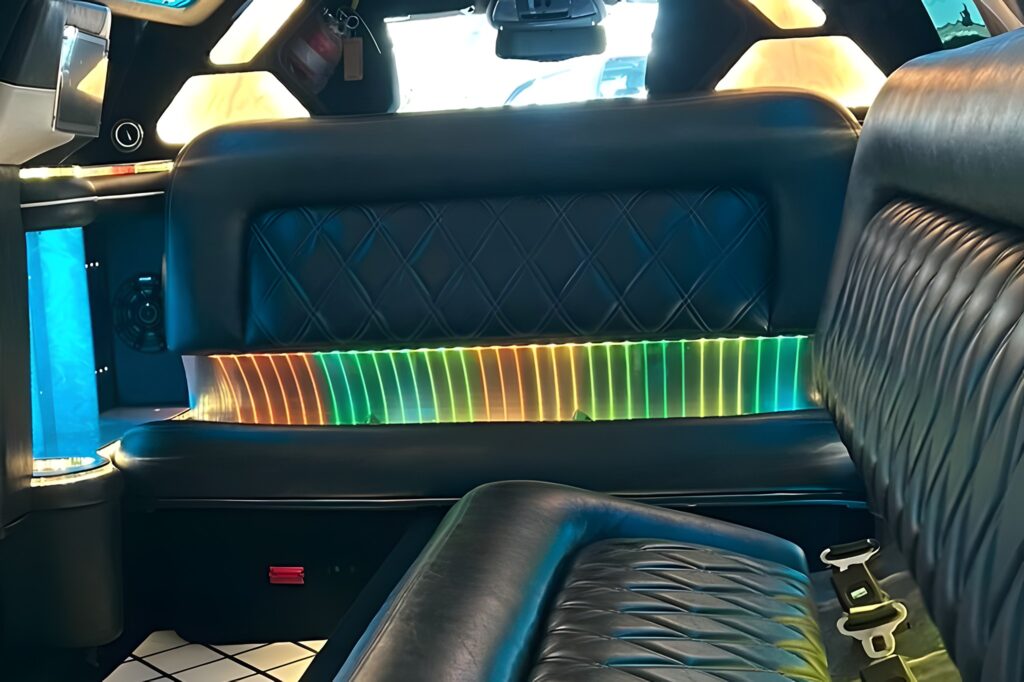
For the arrival, the Chrysler 300 Jet Door Limousine is the featured car for this article. It is chauffeured only, so the group can step out together while the family watches the student arrive, with the driving handled entirely by a professional.
If you would like to plan a night that brings the family and the friends together, start with the group list, the pickups and the timing. Ask us for a quote and share any plans for photographs or a family gathering. The Chrysler 300 Jet Door Limousine is our featured choice for this kind of night, and its page is the place to begin.
Frequently asked questions
What do school leavers in Samoa and Tonga celebrate?
School leavers mark the end of school with family and classmates, and the celebration thanks the people who helped along the way. The details vary between islands, villages and households. Many gatherings include a shared meal, gifts and a chance for older relatives to offer words of advice and encouragement.
Is there traditional dress for these celebrations?
Many families choose traditional dress for significant occasions. In Samoa the ie toga is worn on ceremonial days, and in Tonga the ta'ovala is a familiar sign of respect. Families in Australia may wear these pieces for photographs or a family gathering, and they can be paired with a graduation gown or suit.
Do families in Australia still follow these customs?
Families differ widely. Some keep close to the customs of their island heritage, while others adapt them to life in Australia or blend them with their own preferences. The best approach is to ask the family what matters most to them, and to respect the answer without assuming anything.
How can an Australian formal honour family traditions?
A family photograph before the car arrives, a short thank you to relatives and a shared meal beforehand can all honour family. A traditional piece worn alongside a gown or suit adds meaning without taking over the look. Plan the timing so that family moments fit comfortably before the pickup.
How should we plan transport when relatives are travelling in?
Make a clear list of addresses and times, and share it with the driver and the family early. Older relatives may need extra time to get in and out of a car, so build that into the plan. For students under 18, a chauffeured car with a professional driver is the sensible choice, and no alcohol is allowed for anyone under 18 in any car.
Can a formal include a family meal beforehand?
Yes, and many families enjoy it. A relaxed dinner at home, a shared plate of food or a toast with relatives can start the evening with warmth. Keep the meal unhurried, but agree on a clear time for the pickup so the group still arrives relaxed and on schedule.
Ready when you are. Send us the date, the times and where you are going, and we will confirm the Chrysler 300 Jet Door Limousine for your night.
Book NowCall 0468 011 118Want a car nobody else will arrive in? See the Private Signature Collection: rare chauffeured wedding and formal cars, by appointment.