

Book the Mercedes-Benz S500 L 2015. Send us the date, the times and where you are going, and we will confirm the Mercedes-Benz S500 L 2015 for your night.
Book NowCall 0468 011 118End-of-school celebrations look different from one country to the next, but the reasons behind them often feel familiar. Students want to mark the finish of years of study, families want to honour the effort, and everyone wants a night that holds together from the first photo to the last farewell. This comparison looks at how a Year 12 formal in Sydney sits beside the end-of-school celebrations found in Lebanon. It is written with respect for the families and schools involved, and it focuses on practical ideas that travel well.
A common wish to mark the moment
Students who finish school together share a bond that a formal or a celebration can honour. They have grown up in the same classrooms, competed in the same sports and laughed through the same timetables. A night that brings them together in good clothes gives that shared history a proper ending, and it creates photographs that families keep for decades.
The customs that carry that feeling differ. Some communities mark the moment with a formal dinner, others with a dance or a ceremony, and many combine several elements. Families also differ widely in how large and how formal they choose to make the occasion, so there is no single pattern that fits every household.
Respecting those differences is the best starting point for any planner. The aim is to create an evening that suits the students, honours the school and reflects the wishes of the families involved, rather than copying one tradition exactly.
Timing across the school calendar
The timing of an end-of-school event is shaped by the school year and by the exam calendar. In Australia the Year 12 formal usually sits near the end of the school year, once final assessments are close to finished. Celebrations elsewhere can fall at a different point, depending on the school system and the local calendar.
For families, the lesson is to confirm the date early and to check it against exam dates and family commitments. A date that clashes with a major exam or a long family trip can make the planning difficult, so it is worth resolving early.
Season matters as well. Australian spring and early summer evenings are often mild, while other seasons can bring cooler nights or sudden showers. A simple backup plan for photos and travel protects the schedule whatever the weather does.
Timing also affects how families feel on the night. A celebration that starts at a sensible hour, with time to eat before the main event, tends to feel relaxed. Families can ask the school whether the programme has a fixed running order, then build their own travel and photo plan around it so that nobody is watching the clock all evening.
Dress, comfort and the family look
Dress is an important part of any end-of-school night, and it carries personal and family meaning. In Australia, students often choose gowns, tailored suits or modern outfits, shaped by school guidance and their own taste. Families commonly help with fittings, alterations and the finishing touches.
The same care applies elsewhere. Students tend to spend time choosing an outfit that feels right for the occasion, and families may have their own views about what suits the evening. The practical point is the same everywhere: an outfit should be comfortable enough for a long night of standing, sitting and moving.
A small kit makes a difference. Pins, tissues, a mirror and a light wrap for the cooler hours are easy to pack, and a garment bag for the trip home keeps the outfit fresh for the photographs the next day.
Some students prefer to try on the complete look, including shoes and accessories, at least one full evening before the event. That rehearsal shows up any problem with a hem, a strap or a clasp while there is still time to fix it, and it means the morning of the night is spent relaxing rather than searching for a missing item.
Arriving as a group in a chauffeured car
The arrival is where many Australian families put their energy. A shared car brings the group to the venue at the same time, so the students can step out together and share the moment before they go inside. That shared walk is a simple way to build a sense of occasion.
Where students are under 18, a chauffeured car is the sensible choice. A professional driver takes the wheel and the students ride in comfort. A hired car is never handed to a student to drive, and self-drive is only for adults who meet the minimum driver age on the car page.
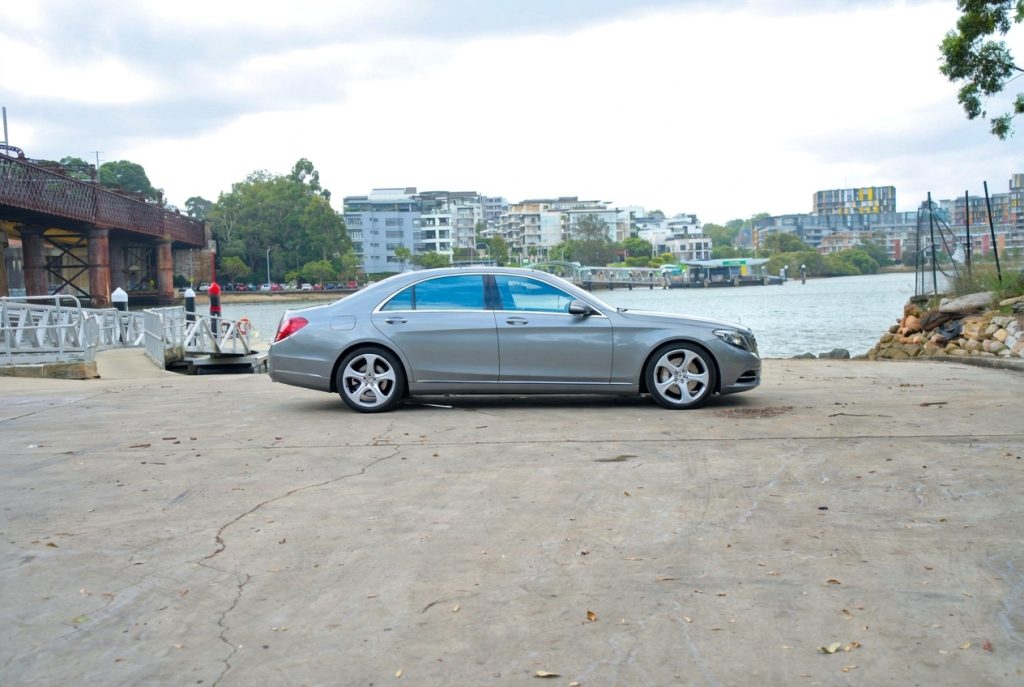
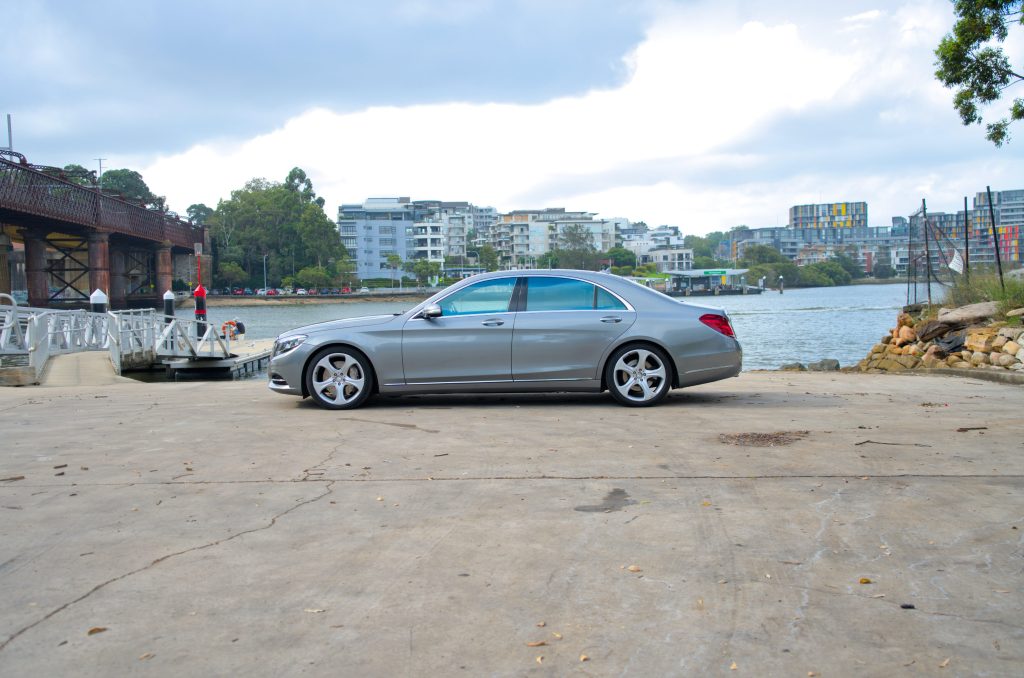
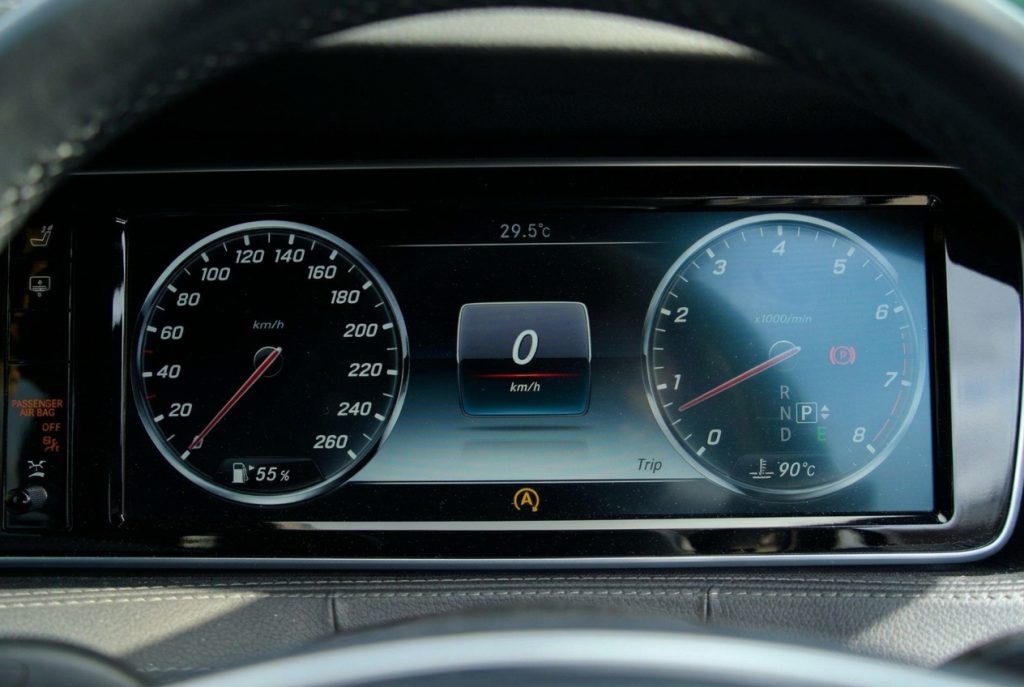
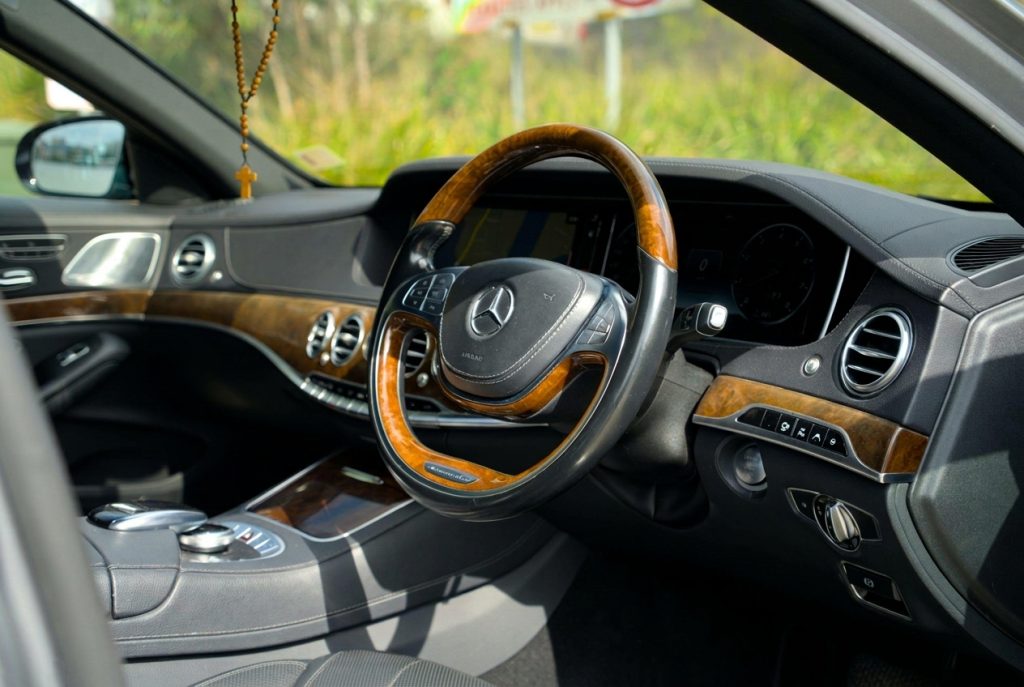
For a smaller group that wants a refined arrival, our Mercedes-Benz S500 L 2015 offers an elegant option. It can be chauffeured or self-driven by an adult aged 25 or over, so families can decide which approach suits their night.
Transport and planning the pickups
Transport is one of the most practical parts of any group night. Students may travel with a parent, share a lift or book a group car, and the most dependable approach is a plan that is written down and agreed in advance. Clear arrangements avoid confusion and keep the night calm.
Collecting from several homes calls for a route that suits each household. List each address, the pickup window and any access note, such as a long driveway or a gate that needs a call. Put the stops in the order the car will travel, and share that order so everyone knows the timing.
Before the night, the route should be written down and checked with the driver. Our chauffeur planner is a useful place to set out pickups and stops, so the driver has the whole plan before the evening begins.
- Home address and access note for each student
- A pickup window for each family rather than one minute
- One named contact for the morning and for the return
- An agreed finish time and drop-off order
Want the Mercedes-Benz S500 L 2015 for your date? Send us the date, the times and where you are going, and we will confirm the Mercedes-Benz S500 L 2015 for your night.
Book NowCall 0468 011 118Shared rules and family expectations
Schools and families set the rules for end-of-school nights, and those expectations deserve to be taken seriously. Our vehicles never carry alcohol for anyone under 18. Schools may have their own guidance as well, and families are best served by reading it together with their children.
When the rules, the timetable and the contact are agreed early, the driver can focus on the drive and the students can focus on the occasion. Most problems on the night come from plans that were never fully discussed, so an early conversation is worth the time.
Respect runs in both directions. Families should feel comfortable with the arrangements, and the planning should reflect the values of the household. A clear, shared plan is the best foundation for any celebration.
What Australian formals do particularly well
The Australian formal has real strengths. The arrival is often planned with care, the photographs are a major focus and group travel has become a feature many families expect. There is a good range of vehicles to choose from, and modern planning tools make it simpler to keep a group together.
Those strengths come from planning habits rather than from one tradition. Families who book early, write the timetable down and talk through expectations give their students a memorable night, whichever country the celebration takes place in.
Families who want to borrow from other celebrations might consider a shared photo at the start of the night or a short moment for the whole year to gather before the formal begins. Those touches can add meaning without making the evening longer.
Ideas that travel well between traditions
Several planning ideas work anywhere. A written timetable, a named family contact and a sensible window for each pickup make almost any night easier to run. Photo locations chosen in advance, with clear time limits, keep the schedule on track.
A chauffeured car can also bring a group together, particularly when several homes are involved. Shared transport means everyone arrives at the same time, and it gives the students a few minutes to settle and enjoy the company before the night begins.
The most important idea is respect for the people involved. Students deserve a night that feels like theirs, families deserve clear information and schools deserve the courtesy of their rules being followed.
Finally, remember that the night is a shared memory, not a test of planning skill. Families who keep the arrangements simple, stay in touch and leave room for laughter usually find that the details they worried about most are the ones nobody remembers. The students will recall the company, the photographs and the feeling of finishing school together.
Planning a respectful end-of-school night
If you are planning an end-of-school night, begin with the date, the school's guidance and the number of students. Work backwards from the arrival time, then slot in the pickups and photos, leaving a little space for changes. That structure gives the night a calm shape.
Look at the car pages on our site to see the chauffeur rules, the minimum driver ages and the imagery. The fleet page gives an overview of the range, so you can compare options before you decide.
We would be pleased to help. Send us the date, the group size and the sort of arrival you have in mind, and we will come back with a suggested vehicle and timetable. If the Mercedes-Benz S500 L 2015 suits your family's plans, name it in your message, and we will talk through the options with you.
Frequently asked questions
What do end-of-school celebrations in Lebanon usually involve?
Customs differ between schools and families, so there is no single pattern. Celebrations can include a formal dinner, a dance, a ceremony or a gathering of friends and relatives. Families often plan the evening together, and the most useful step is to ask the school for its programme and any guidance it gives students.
Is an Australian formal similar to an end-of-school celebration in Lebanon?
They share a purpose, which is to mark the finish of school with friends and family. The Australian formal often focuses on the arrival, photos and a dinner, while other celebrations may focus on a ceremony or a gathering. Both benefit from a clear timetable and an agreed plan for travel.
Do students under 18 need a professional driver for the night?
Yes. Students under 18 should always be driven by a professional. A hired car is never handed to a young student to drive. Self-drive is only for adults who meet the minimum driver age shown on each car page, so families can check the rules before they book.
How can a family plan pickups for several homes?
Write down each address, the pickup window and any access note, then put the stops in the order the car will travel. Allow each family a small window rather than a single minute, and nominate one contact for the morning. The chauffeur planner on our site lets you set out the stops and send the request.
Is there a rule about alcohol for young people at these events?
Yes. Our vehicles carry no alcohol for under-18s, and that holds on every trip. Schools may have their own rules as well, and families should agree the same expectations at home. Settling this in advance helps the driver and the students avoid difficult questions on the night.
How is the price of a car for the night set?
The day, the hours and the route shape what a booking costs. The final number comes from the car page or a written quote. This article contains no figures, because each night is different, and a quote built from your own timetable is the most accurate answer.
Ready when you are. Send us the date, the times and where you are going, and we will confirm the Mercedes-Benz S500 L 2015 for your night.
Book NowCall 0468 011 118Want a car nobody else will arrive in? See the Private Signature Collection: rare chauffeured wedding and formal cars, by appointment.