
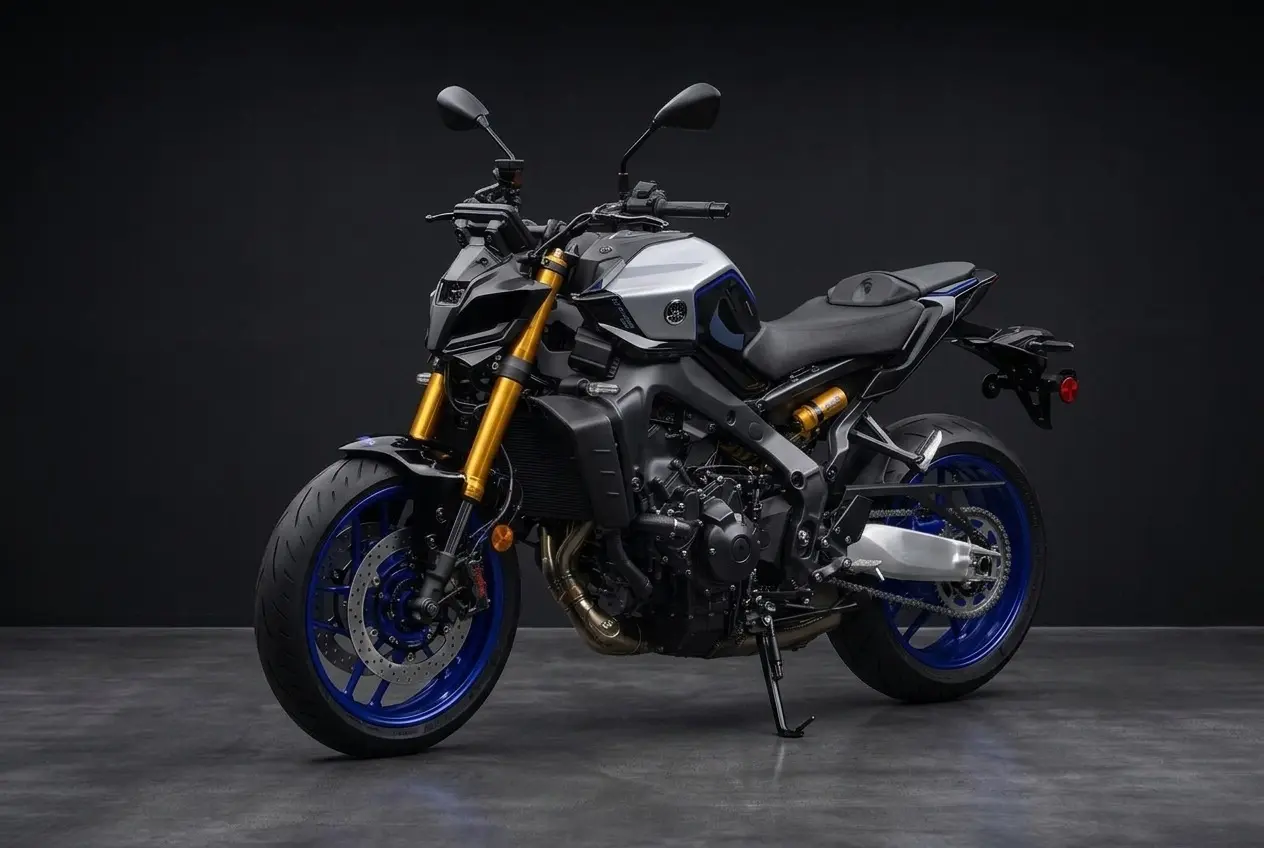
Book the Yamaha MT-09 SP. Pick your dates and book the Yamaha MT-09 SP online, or call us and we will sort it with you.
Book NowCall 0468 011 118Few valleys in Australia feel as enclosed and as vast at the same time as the Capertee. Its sheer walls rise on either side of a broad floor of farmland, and the road that winds down toward Glen Davis gives a rider a view that changes with every bend. It is a ride for patient, observant riders, and this guide covers the approach, the descent, the lookouts, the bike that suits the road and the safety habits that keep the day enjoyable.
Still choosing a bike? Start with our guide to motorcycle hire in Sydney, which sets out the licence, age and pillion rules.
A valley of cliffs and quiet roads
The Capertee is one of the biggest enclosed valleys in the country, and the scale of it is hard to appreciate until you are riding through it. Cliff faces rise hundreds of metres above the valley floor, their colours shifting through the day as the sun moves. For a motorcyclist, the valley offers a rare combination of dramatic scenery and roads that are often quiet enough to let you settle into a rhythm.
Because the valley is spread out, the ride feels longer than the map suggests. You are constantly looking up, across and down at once, and it is easy to drift in the lane if you are not careful. Riders who plan for a steady pace and frequent stops tend to enjoy the valley most, rather than trying to cover ground quickly.
We recommend treating the Capertee as a destination for a full day. Give yourself time to ride the descent slowly, to stop at the lookouts and to explore the old village remnants without a clock running. A relaxed approach turns the day from a long road trip into a memorable exploration of one of the country's great landscapes.
Reaching the valley from Sydney's west
The journey begins with a run out of the city, through the western suburbs and into the first stretches of open road. Use these early kilometres to settle into the bike, check your gear and get comfortable with the brakes. Traffic on the main roads can be heavy at peak times, so keep your lane position steady and your following distance generous.
As you climb away from the city the country opens out. The road threads through hills and farmland, and the bends begin to lengthen and tighten in turn. There are stretches where the surface is smooth and open, and others where you need to pick your line carefully. Take it steadily and let your confidence build before you commit to the faster sections.
Expect a mix of vehicles on the approach, including trucks, farm utes and holidaymakers towing caravans. Patience is the best habit to bring. Pass only where the road ahead is clear and you can see well, and treat a slow vehicle as a chance to relax into the view rather than a problem to solve.
The descent into the big valley
The descent into the valley is the moment the scenery takes over. The road drops through a series of bends, and the cliffs seem to close in as you lose height. Use engine braking on the steeper stretches and brake lightly in a straight line before each turn. A bike that is smooth on the way down will feel far more controlled than one that is braked hard in the middle of a corner.
Surfaces on the descent can change quickly. Gravel and dust can gather on the outside of corners, and shaded sections may stay damp long after the sun has reached the valley floor. Look through each bend, watch the edges of the road and keep your speed low until you have a clear picture of what lies ahead.
Take the first descent slowly even if you feel confident. The valley rewards careful riding, and the view from the bottom is more enjoyable when you have not been fighting the bike for the whole way down. Stop at a safe pull-off near the bottom to let your brakes cool and to look back at the cliffs you have just come down.
- Use engine braking on steeper stretches
- Brake lightly in a straight line before each turn
- Watch for gravel on the outside of corners
- Stop at a safe pull-off to let the brakes cool
Cliffs, lookouts and the open valley floor
Lookouts above the valley give some of the best views you will find on a motorbike. Pull in only where it is safe and legal, well clear of the traffic and on firm, level ground. Turn off the engine, take a moment to look at the scale of the cliffs and the patchwork of paddocks below, and listen to the quiet. These stops are the highlight of many riders' days.
On the valley floor the road is generally flatter and more open. Long views stretch ahead, and the corners are often gentle enough to let you hold a steady pace. This is a good place to practise smooth throttle control and clean lines, but stay alert for cattle on the road, farm entrances and vehicles pulling out from gateways.
Wildlife is common across the open country. Kangaroos graze near the road, and birds of prey hang on the thermals above the cliffs. Activity peaks at dawn and at dusk, and our bikes cannot leave their overnight storage before 6am, so your first hours on the road are in good light. Even so, animals can be close to the verge at any time, so keep your speed measured and your eyes moving.
Glen Davis and the old industrial remnants
Glen Davis is a small place with a history that adds depth to the ride. The remains of an old industrial town and its works are scattered across the landscape, and walking among them gives a sense of how busy the valley once was. Treat any old structures with respect and keep to the marked areas, since ruins can be unstable and sharp.
Riding into the Glen Davis area requires attention to the road, which can be narrower and more uneven than the main valley route. Keep your speed in check, watch for loose surface material and avoid overtaking unless the view ahead is completely clear. If you meet a vehicle on a narrow stretch, slow down and give it room.
Take a break here before the return. The quiet is part of the appeal, and a few minutes away from the bike will refresh your concentration. Check your fuel, eat something light and let the valley settle before you start the climb back toward the city.
Why the Yamaha MT-09 SP fits this road
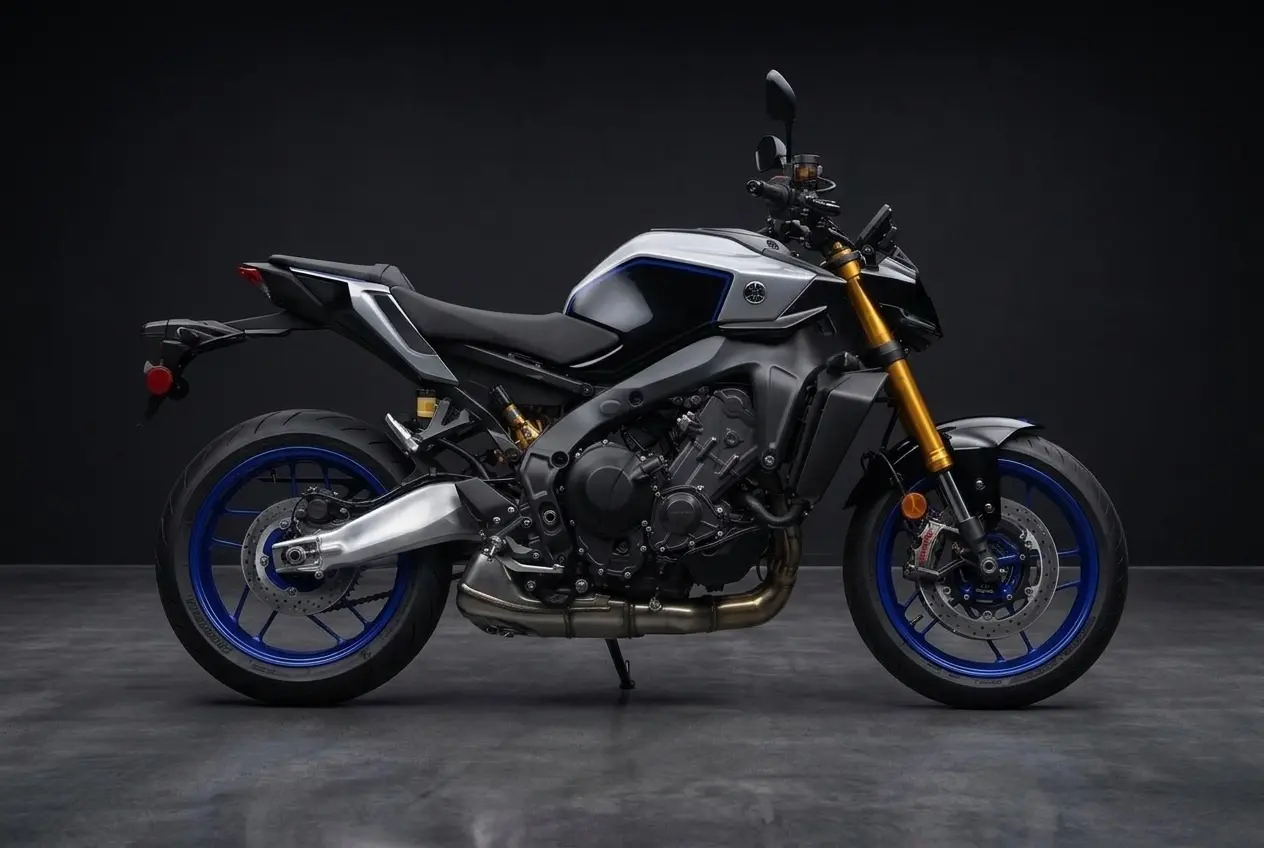
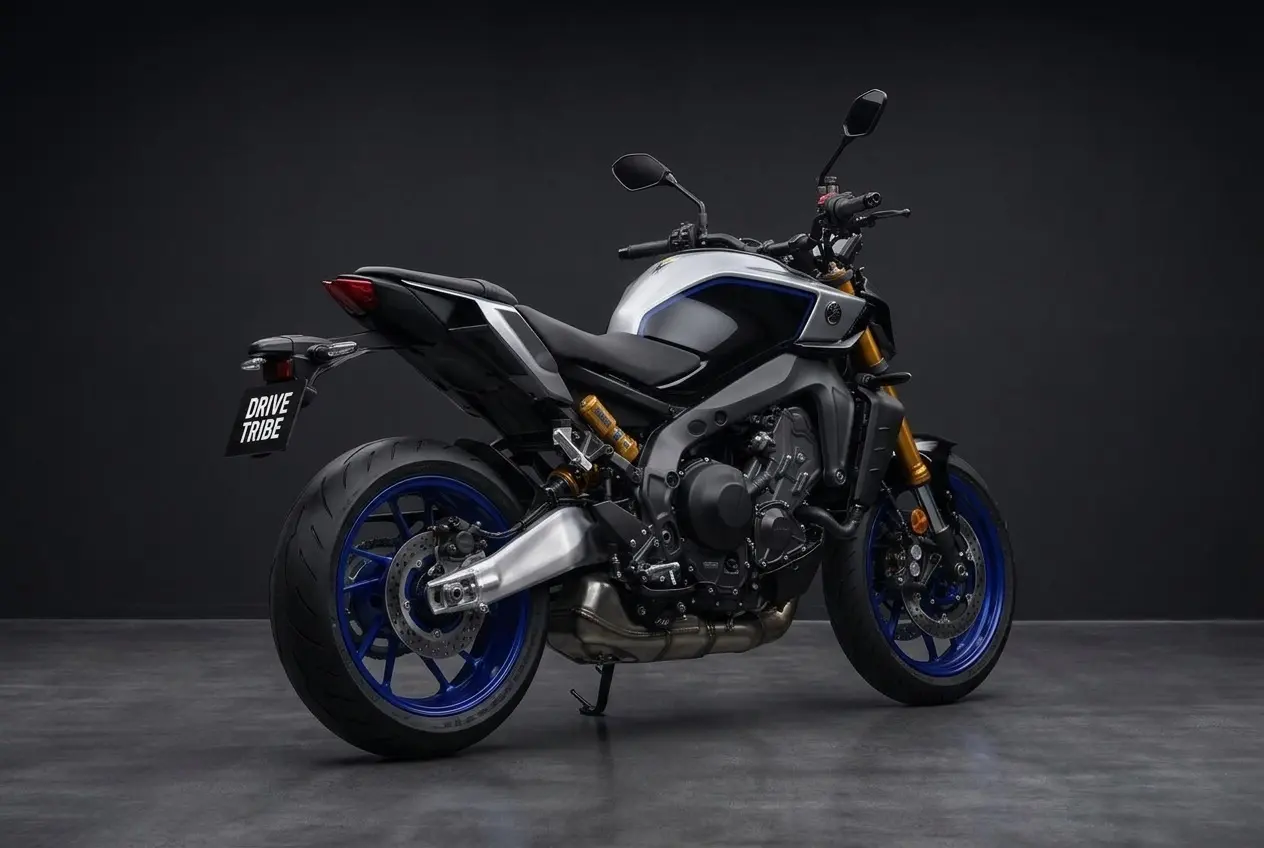
The Yamaha MT-09 SP is a strong choice for the Capertee. It is an inline three performance naked bike with a comfortable, upright position that suits long days on winding roads. The premium adjustable suspension lets you tune the setup to the surfaces you meet, whether the road is smooth on the valley floor or rougher near the descent.
Its gold front forks and strong brakes give confidence on the descents and through the bends, and the bike responds well to smooth inputs. For a rider who wants a machine that is exciting without being intimidating, the MT-09 SP balances character and control in a way that suits a varied valley ride.
The Yamaha is also the one bike in our fleet that takes a passenger, which makes it a good choice for riders who want to share the view. Our larger machines are built for solo riding on more demanding roads, so the MT-09 SP is the logical choice when you want a relaxed, varied day in the valley.
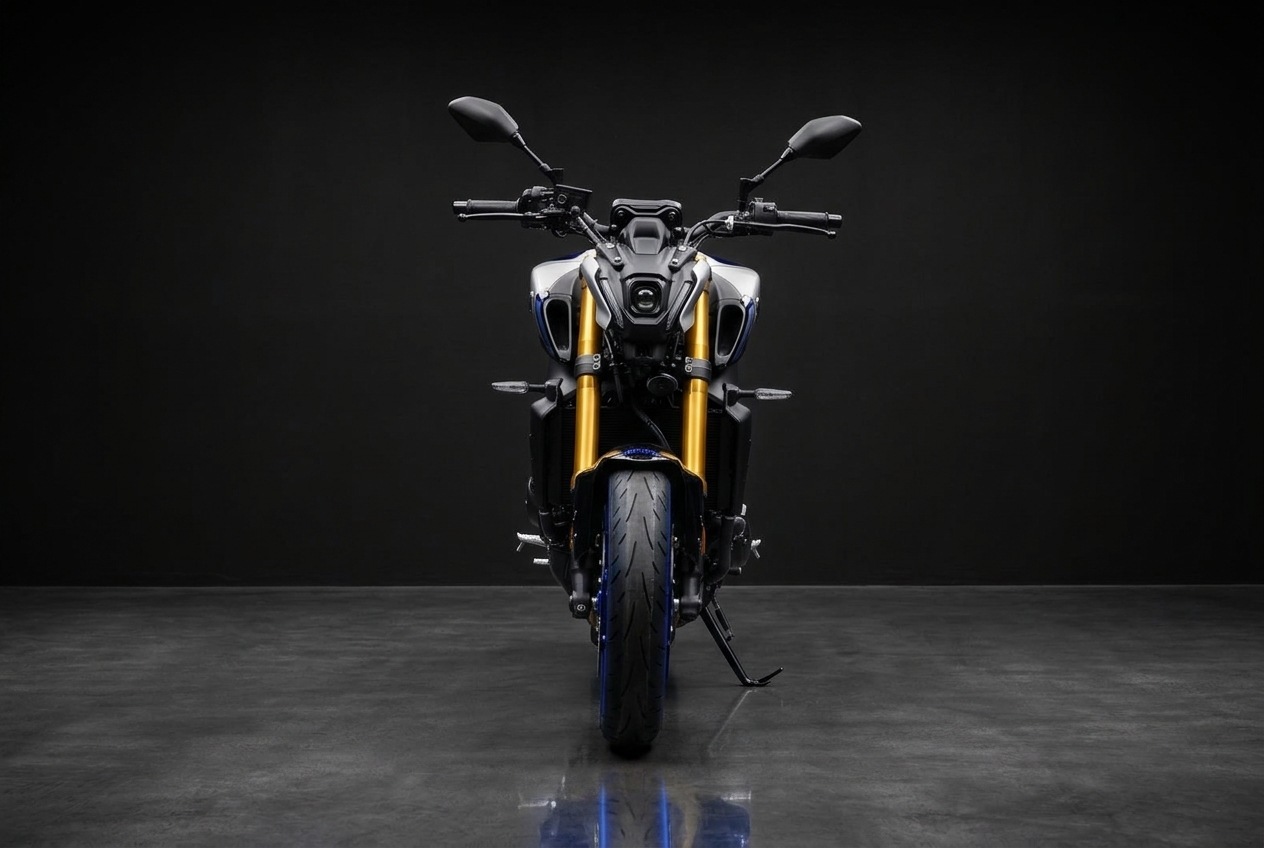
Want the Yamaha MT-09 SP for your date? Pick your dates and book the Yamaha MT-09 SP online, or call us and we will sort it with you.
Book NowCall 0468 011 118Season, daylight, fuel and food
Autumn and spring are the best seasons for the Capertee. The temperatures are mild, the light on the cliffs is softer and the valley floor often looks at its best. Summer days can be hot and dry, with the sun reflecting off the rock, so start early and carry plenty of water. Winter mornings are cold and frosty in the shaded hollows, and the descent can stay damp for a long time.
Fuel planning is essential. Fill the tank before you leave the city and top up before the longer rural stretches, because services are spaced widely out here. Pack a lunch and a flask of coffee, since food options in the valley are limited and small places can be closed on quiet days.
Weekends bring more visitors, including cars, caravans, cyclists and groups heading to the lookouts. Traffic is heavier at the popular stops, so arrive early if you want a quieter view. A mid-week ride or an early start is the most relaxed way to enjoy the valley, and gives you room to ride at your own pace.
Licence, passenger and overnight rules
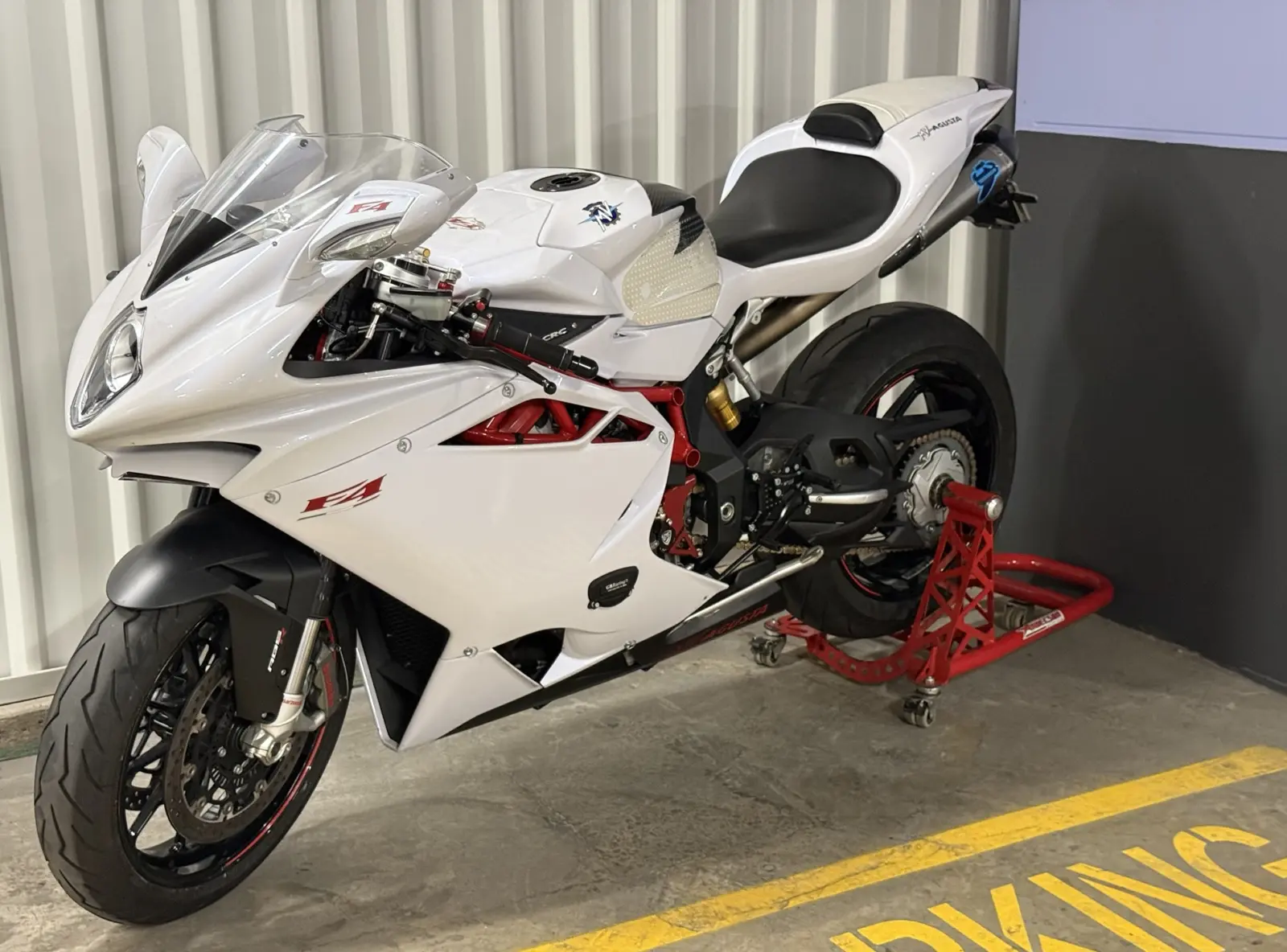
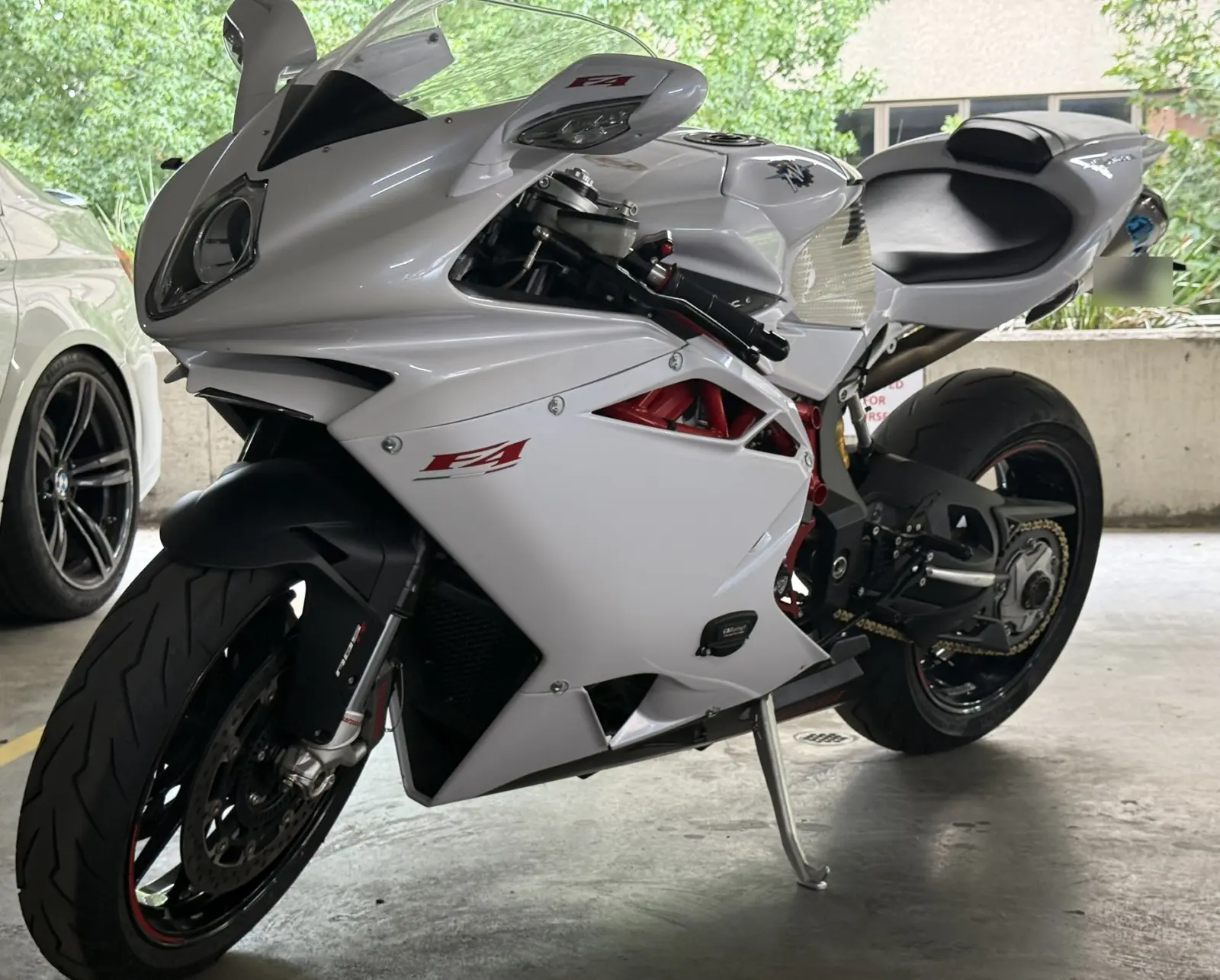
Three rules shape a valley trip. You need a full motorcycle licence, held for at least three years, and must be aged 25 or over on every bike. Only the Yamaha MT-09 SP takes a passenger, and that passenger must be aged 16 or over, since the Ducati 1199R and the MV Agusta F4 are single-seaters. Each night the bike must be kept in a locked garage or secure off-street parking from 9pm until 6am.
These rules are straightforward, but they affect planning. If you are bringing someone along, choose the Yamaha and talk through the route together beforehand. A passenger needs to be comfortable with the bends and the descent, so a short practice run on quieter roads is a sensible step.
Helmets (Shark, AGV or Bell) can be hired from us in small, medium or large for $50 per hire, or you can bring your own. We do not supply jackets, gloves, pants or boots, so bring your own riding gear. If you are unsure about your experience or the bike that suits the day, contact us before you book so we can talk through your plans.
Safety on the valley road
Fatigue is a real risk on a long valley day. Take a break every hour or so, stretch, drink water and look at the far horizon to rest your eyes. Tiredness shows up as drifting in the lane, slower reactions and a tendency to take bends too wide, so stop early if you notice it.
Gear protects you in every season. A helmet that fits well, gloves, armour and boots that protect the ankle are essential. Cold mornings in the shaded hollows can stiffen your hands and reduce grip, so warm up before the descent. Wet weather makes gravel and damp patches more dangerous, so ease off and brake earlier when the road is slick.
Fuel range and alcohol deserve clear thinking. Top up before the remote stretches, and never ride after drinking. Ride within your ability, especially on the descents, and turn back if the weather or the road looks worse than you expected.
- Carry water, a light lunch and a spare layer
- Top up fuel before the valley
- Start after first light and never before 6am
- Ride within your ability and keep alcohol well away
Plan your day in the Capertee
The Capertee rewards a rider who arrives with time, a steady pace and an appetite for big views. Plan the descent carefully, stop at the lookouts, respect the old town remnants and let the valley set the rhythm of the day.
If your plans match the ride, look at the Yamaha MT-09 SP on our site and pick your dates. We will confirm the details before the day and talk through the route, the stops and any gear you need. You can see every machine on our fleet page.
When you are ready to explore the valley, book the Yamaha MT-09 SP and we will have it prepared for your start. Ride carefully, enjoy the cliffs and come home with stories worth telling.
Frequently asked questions
How long does the ride into the Capertee take?
It is best treated as a full day rather than a quick run, especially if you want to stop at the lookouts and explore Glen Davis. Allow time for the approach from the city, a careful descent, several breaks and the climb back out. Riders who plan a steady pace tend to find the day more rewarding than one with a tight timetable.
Is the Capertee road suitable for a first big bike?
It can be, for a rider who is comfortable at speed and confident on descents. The surfaces vary, and some sections are narrower than the main valley route. We suggest building experience on quieter roads first and speaking to our team before you book, so we can recommend the right bike and route for your level.
Which Drive Tribe bike is best for this valley?
The Yamaha MT-09 SP is our recommendation. Its upright riding position, premium adjustable suspension and strong brakes suit long days on winding roads, and it handles changing surfaces with composure. Passengers can ride along only on the Yamaha, so it is the natural pick for a two-up day. The MV Agusta F4 is a sharper machine for experienced riders who want a focused feel on demanding roads.
What is the best time of year to visit the valley?
Autumn and spring offer mild temperatures and soft light on the cliffs, which makes them the most comfortable seasons. Summer afternoons on the valley floor get punishing, which makes an early departure the sensible choice. Winter mornings are cold, and the shaded descent can stay damp for hours. Whatever the season, our bikes cannot leave overnight storage before 6am, so plan a first-light start.
Where should I stop for fuel and food?
Fill the tank before leaving the city and top up before the longer rural stretches. Food options in the valley are limited, so a packed lunch and a flask of coffee are the simplest choice. Some small places close on quiet days, so do not rely on a stop you have not checked. Carry water at all times and plan breaks around the lookouts.
Do I need to check conditions before riding into the valley?
Yes, and it is worth doing the night before. Check the latest notices from Transport for NSW, since surface work and closures in rural valleys can appear with little warning. A check on the morning of your ride helps you choose the right timing and plan around any restrictions. If the surface is wet or the forecast looks poor, consider postponing the ride.
Ready when you are. Pick your dates and book the Yamaha MT-09 SP online, or call us and we will sort it with you.
Book NowCall 0468 011 118