
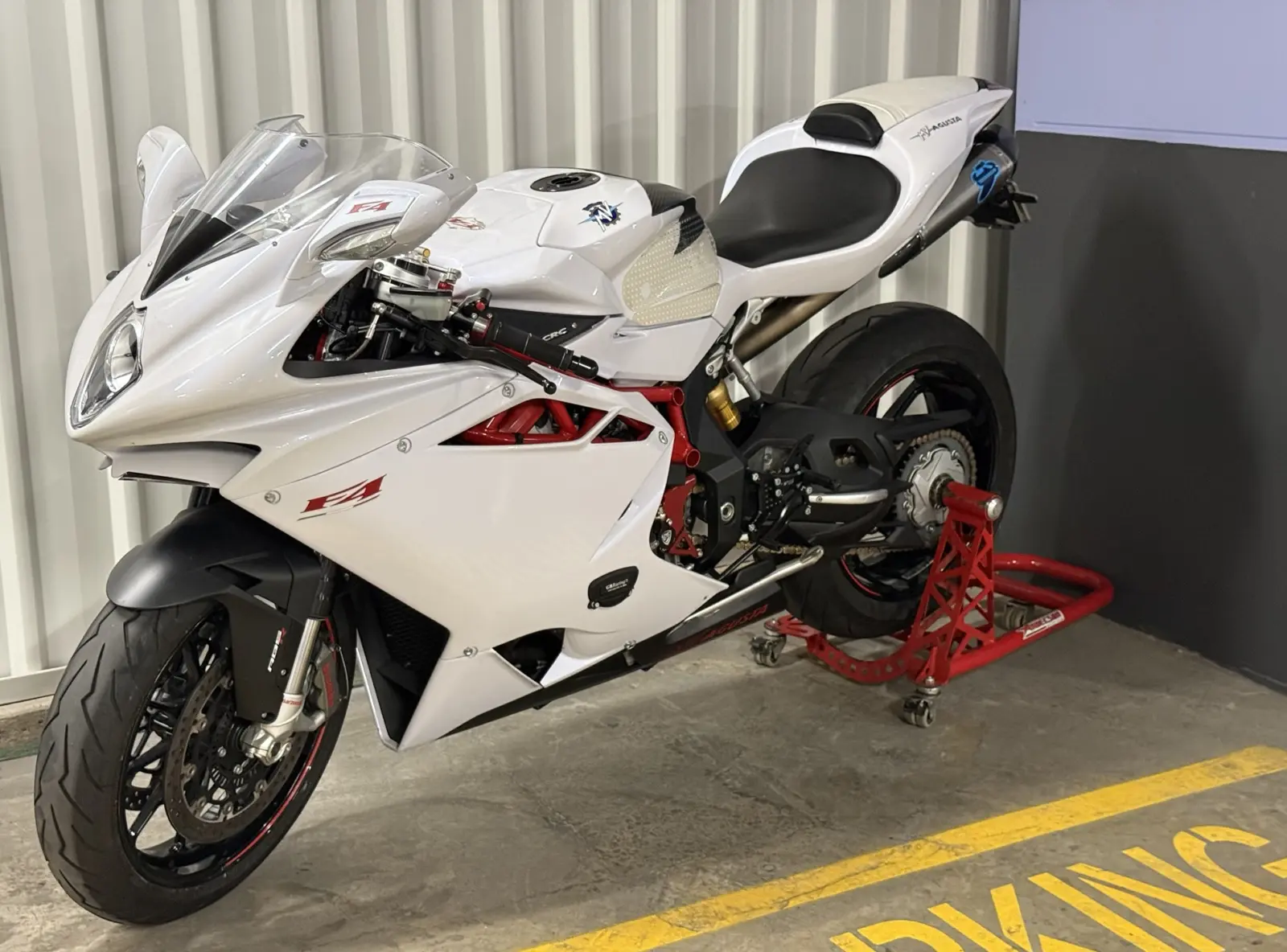
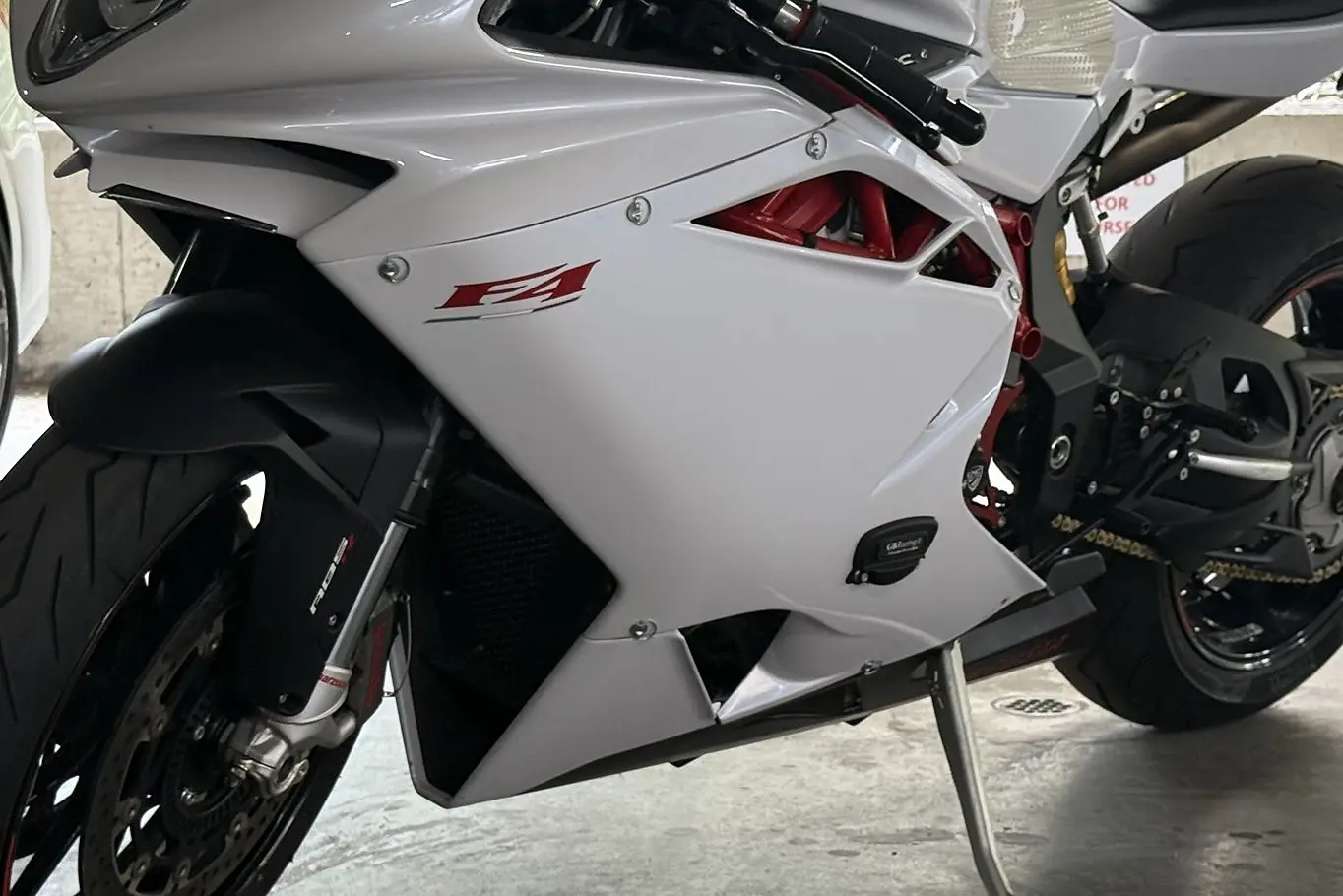
Book the MV Agusta F4. Pick your dates and book the MV Agusta F4 online, or call us and we will sort it with you.
Book NowCall 0468 011 118The road climbs from the valley toward the rainforest plateau, where the trees thicken, the air cools and the views open out across the escarpment. The climb is worth doing in every season, but the experience changes sharply with the weather, from clear autumn lookouts to cloud-bound winter mornings and steamy summer storms. This is how we would choose the best season for the rainforest lookout, and how to ride the climb on the MV Agusta F4 with confidence.
For the bikes we hire, who can ride them and how a hire runs, see motorbike hire in Sydney.
Why the Dorrigo climb depends so much on season
Dorrigo sits on the mid north coast plateau, a long, green country of dairy farms, forest and deep rainforest gullies that feel a long way from Sydney. The climb to the plateau is a serious ride, with long gradients and a steady run of bends that lift you through the escarpment. Once you reach the top, the rainforest closes in around you and the temperature drops noticeably.
What makes the timing important is the weather. Mist and cloud can sit on the plateau for hours, and a clear morning in the valley may turn into a grey, damp afternoon at the lookout. Riders who check the season and the forecast are rewarded with long views, while those who do not may spend the day peering into cloud.
We treat the Dorrigo climb as a seasonal ride rather than a simple day out. The best days are the ones when the road is dry, the air is clear and the forest is quiet. Choosing the right month makes the whole experience feel effortless.
Best season: autumn, winter, spring or summer
Autumn is usually the best season for the climb. The air is clear, the rain has eased and the forest has a crisp, mellow light. Roads are generally dry, the temperatures are comfortable for riding and the lookouts are often free of the thick cloud that can settle on the plateau in other months.
Winter brings cooler mornings and more frequent mist. The plateau can be very damp, and shaded bends stay wet well into the day. The reward is the chance of a clear, cold morning with a sharp view across the escarpment, but you need to be patient and flexible with your timing.
Spring is lively, with new growth and birdsong through the rainforest, and the waterfalls along the way often look fuller after winter. Summer is humid and warm, with heavy rain and afternoon storms common on the plateau. If you ride in summer, go early and be ready to turn back if the cloud builds.
- Autumn for clear air and dry, comfortable roads
- Winter for crisp mornings, with mist to plan around
- Summer only early in the day, with storms in mind
Choosing the best hour: mist, cloud and light
Start after 6am and aim to be climbing by about seven or eight, when the valley is awake but the plateau is still quiet. Early light through the rainforest is beautiful, and the traffic is light on weekday mornings. Expect the first bends to be damp in shade, so ease into the climb rather than pushing hard from the start.
Cloud often lifts from the plateau by late morning, so a mid-morning arrival at the lookout can give you the best views. Afternoon cloud, on the other hand, can build quickly and bring rain. Plan the descent before the cloud thickens, and keep a close eye on the sky as you climb.
Light fades quickly under the thick canopy, and the afternoon shadows can make the corners harder to read. Finish the return with good light, and avoid heading down the steepest sections in the dark. There is no ban on riding at dusk, but visibility on a forested road falls quickly.
The climb: corners, gradients and surface
The climb mixes long, steady gradients with sharper hairpins and tighter corners near the top. The bends reward a smooth line and steady throttle, and the sharper turns need careful braking before you lean. Keep your speed in check on the descent and let the gears help you slow down.
Surfaces are generally sealed, but moss, leaf litter and wet patches gather on the edges of corners, especially in shaded sections. Water can run across the road after rain, and a cool, damp surface can be slippery even when the road looks dry. Keep your inputs smooth and look well ahead through each bend.
Check road conditions with Transport for NSW before leaving, especially after heavy rain, because landslips, debris and roadworks can affect the climb with little warning. A short check before you set out saves a wasted trip to the top.
Traffic, tourists and weekend crowds at the lookout
Weekdays bring light traffic on the climb, while weekends and school holidays bring visitors to the rainforest walks and lookouts. Coaches and caravans can slow the approach, and drivers may be focused on the views rather than on motorcycles. Keep a generous gap and avoid overtaking on the blind sections.
Parking at the rainforest centre and lookouts fills quickly on busy days. Overflow can spill onto the verges, which are not safe places for a bike. Arrive early, choose a level sealed spot and make sure the bike is stable before you step away from it.
Crowds gather at the most famous viewpoints, so consider a quieter lookout or a mid-week visit if you want space to take in the scenery. A calm, unhurried stop makes the climb far more rewarding than a rushed dash to the top.
Fuel, food and stops on the way up
Fuel is best taken in the larger towns before you start the climb, because services on the plateau can be few and far apart. Top up before the escarpment and keep a margin in the tank for detours or a longer day than planned.
Food is easiest in the towns, where cafes and bakeries serve breakfast and lunch. The plateau has limited options, so pack water and a snack if you plan to spend time at the lookouts. A warm drink from a town cafe is a good way to start a cool morning.
Take a rest stop at a safe turnout or a walking car park, where you can stretch, check tyres and gear and enjoy the forest air. A short break every hour keeps your concentration sharp on the bends and keeps the cold from settling in.
- Top up in the larger towns before the escarpment
- Pack water and a snack for the lookouts
- A short break at a safe turnout every hour

Want the MV Agusta F4 for your date? Pick your dates and book the MV Agusta F4 online, or call us and we will sort it with you.
Book NowCall 0468 011 118Gear for cool, wet and humid days
The plateau is cooler than the valley, and the rainforest can hold moisture on the bike and your clothing. A fitted helmet, a jacket with armour, gloves that let you feel the controls and boots covering the ankles are the essentials, with a thermal layer for the cooler mornings.
Pack a waterproof for sudden showers, which can arrive quickly on the plateau. Keep a spare pair of dry gloves in your bag, because damp gloves chill the hands and dull your control. Choose breathable gear in summer, and make sure your visor is clean so mist does not reduce your view.
Gear should fit well and be in good condition. A torn seam or a leaking glove is easy to ignore in fair weather, but it becomes a real problem on a cold, wet descent. Check your kit before every ride.
Fatigue, wildlife and riding within your ability
Fatigue is a quiet risk on the climb. The bends demand constant attention, and the cold or humid air can drain energy faster than expected. Take a break every hour, stretch your back and shoulders and drink water before you feel thirsty. If your concentration starts to drift, stop somewhere safe and rest.
Wildlife is active in the forest at dawn and dusk. Wallabies, kangaroos and birds use the verges and the edges of the rainforest, and animals can appear on the bends without warning. Slow down near grassy edges, scan both sides of the road and brake in a straight line if an animal appears.
Ride within your ability and keep the pace relaxed on the climb. Alcohol has no place in this ride, and the reward at the lookout is the view rather than the speed of the climb. Save any celebration for after the bike is parked for the day.
The hire rules for a mid north coast trip
Our bikes are self-drive from Parramatta, and hire starts at a three day minimum, which suits a trip to the plateau and back with time to choose your weather. You need a full motorcycle licence held for at least three years, and the rider must be 25 or over on every bike. Overnight the bike must be kept in a locked garage or secure off-street parking between 9pm and 6am, so confirm the arrangements where you stay on the plateau.
The Ducati 1199R is a superbike for experienced riders, with a V-twin, 143 kW, gold front forks and black forged wheels. Its tribute livery is a striking sight at the lookout, but on a climb like this it rewards a measured, patient style.
Book your rainforest climb with us
The best Dorrigo climb is the one you time to the season. Choose autumn for clear views, winter for crisp mornings and a flexible plan, and summer only for early starts. With a little planning, the rainforest lookout becomes one of the highlights of a long ride up the coast.
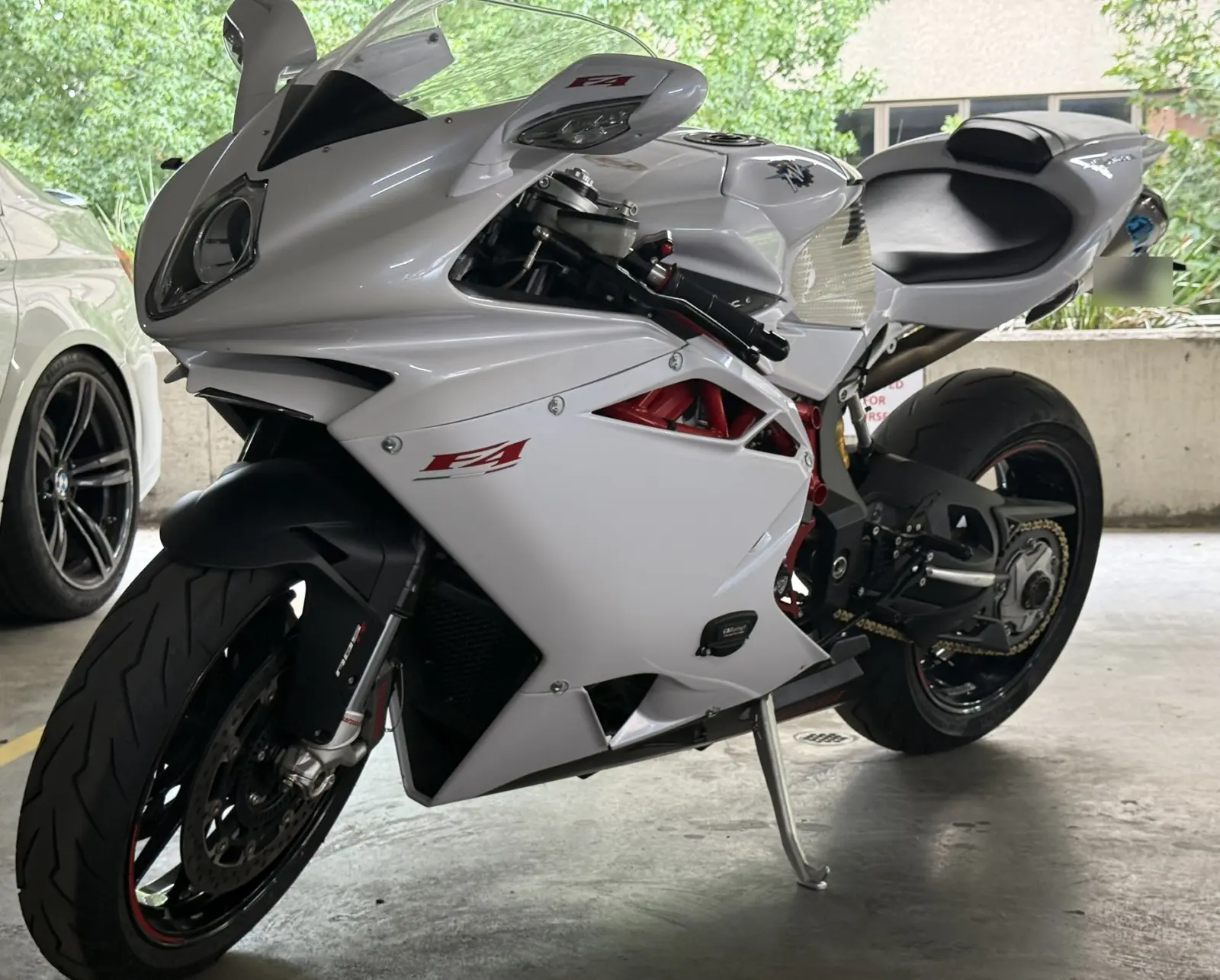
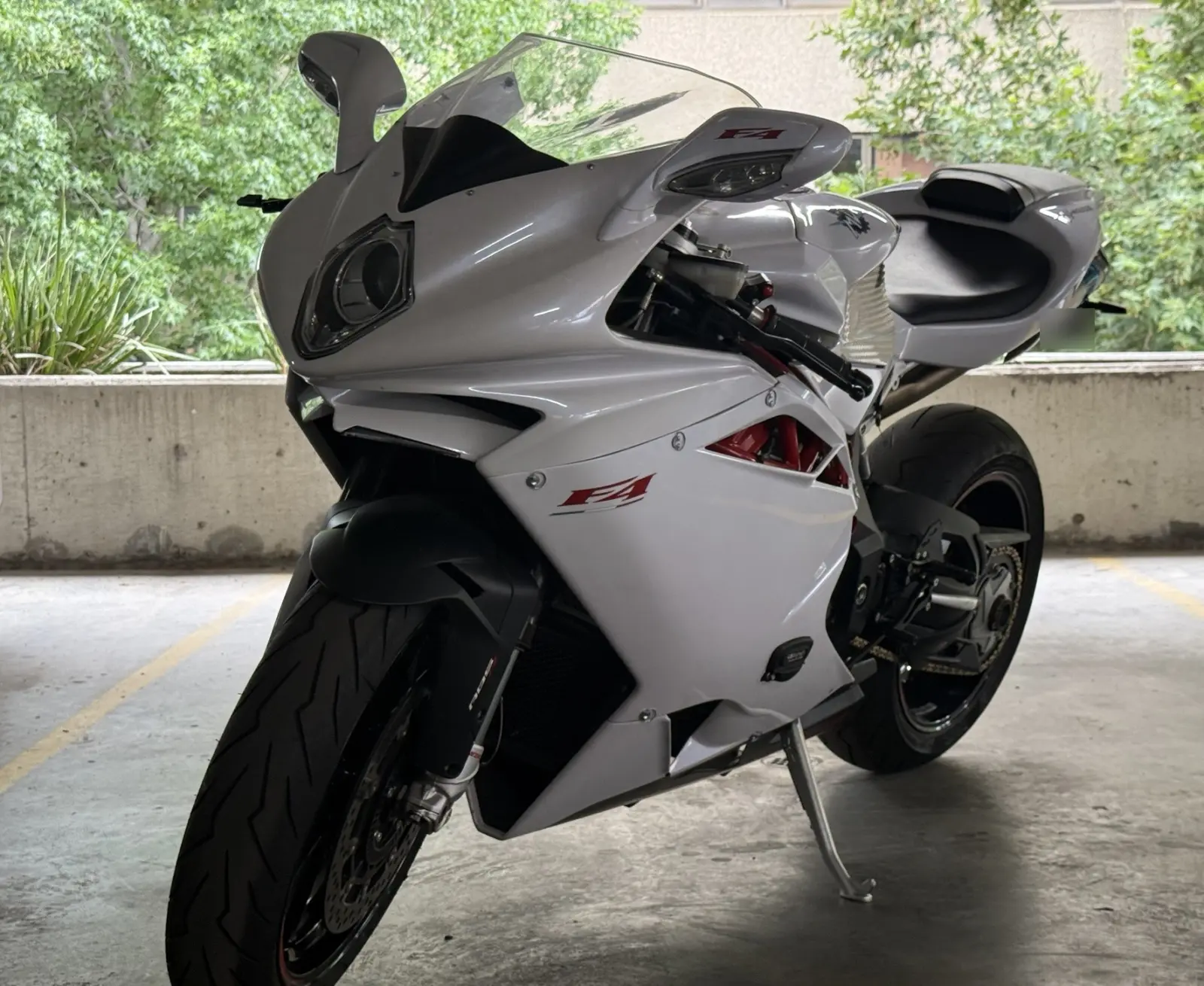
When you are ready, the MV Agusta F4 is the bike we would take on this climb. Tell us your dates and planned route, and we will help you plan the trip around the weather. Book early and enjoy the rainforest.
Frequently asked questions
What is the best month to climb to the Dorrigo rainforest lookout?
Autumn is usually the best choice, with clear air, dry roads and comfortable temperatures. Late winter can also be good on a clear morning, though mist is common on the plateau. Spring is lush and lively, while summer is humid with frequent storms. If you ride in summer, start early and plan to be back down before the afternoon cloud builds.
Is the Dorrigo climb suitable for less experienced riders?
The climb has long gradients, a steady run of bends and sharper hairpins near the top, so it asks for smooth control and careful braking. Riders still building confidence should approach it at a relaxed pace, choose a clear, dry day and take frequent breaks. Practise on quieter roads first if you can, and ride within your ability at all times.
What should I do if mist covers the lookout?
Wait somewhere safe and let the mist thin before deciding on the next move. Mist can hide the road edges and make the bends harder to read, so slow down and keep your lights on. Viewing the rainforest in cloud is a special experience in itself, but it is not worth riding blind on a steep descent.
Is it safe to ride the climb after rain?
Wet roads on the climb can be slippery, especially in shaded sections and at the edges of corners. Brake earlier, keep your inputs smooth and avoid leaning hard over dark patches. Water can run across the surface after heavy rain, so take extra care on the descent and wait for the surface to dry if the rain is heavy.
Where can I stop for food on the way to Dorrigo?
Food is easiest in the larger towns before the climb, where cafes and bakeries serve breakfast and lunch. The plateau has fewer options, so pack water and a snack if you plan to spend time at the lookouts. Check opening hours before you rely on a stop, particularly outside the holiday season.
How do I keep warm on a cool rainforest morning?
Dress in layers, starting with a thermal base layer and a light insulating mid layer under a windproof jacket with armour. Add gloves that keep your hands warm and boots that cover the ankles. Carry a spare pair of dry gloves and a waterproof for showers, and stop to warm up at a town or turnout if you start to feel cold or stiff.
Ready when you are. Pick your dates and book the MV Agusta F4 online, or call us and we will sort it with you.
Book NowCall 0468 011 118