
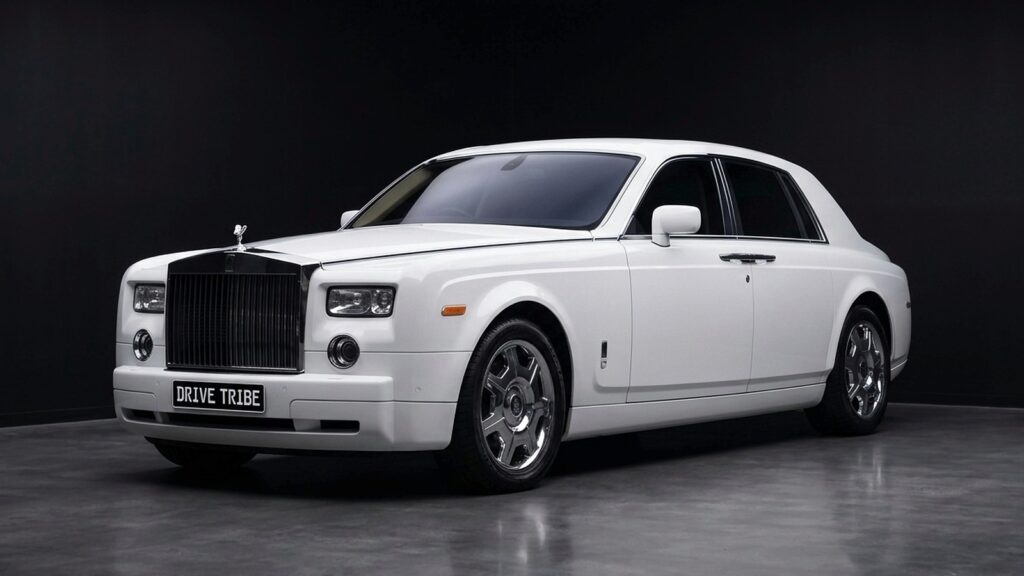
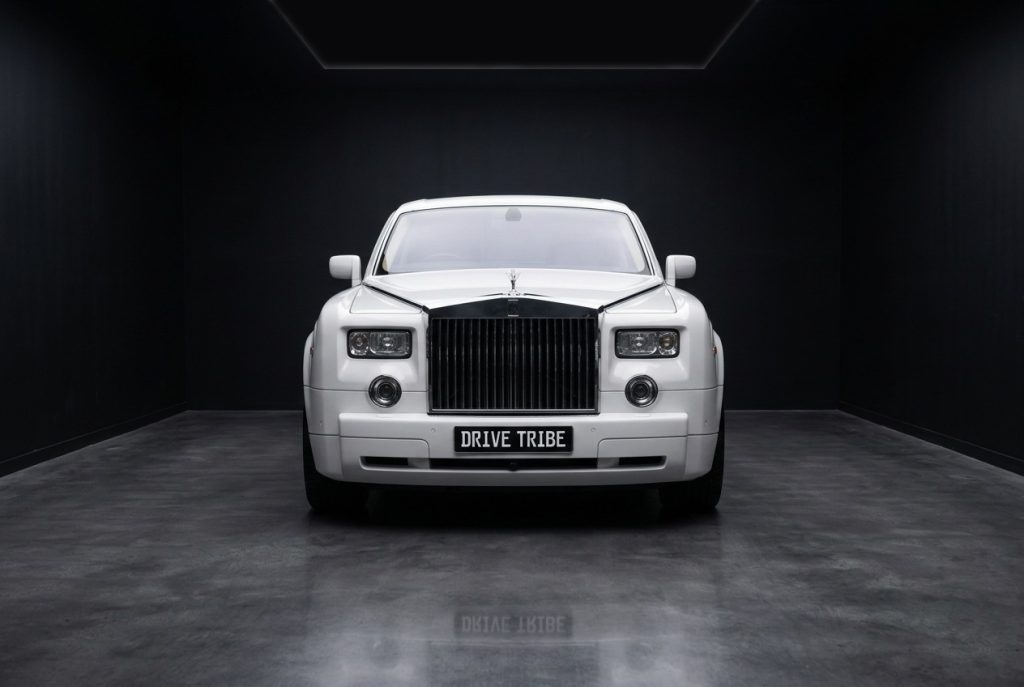
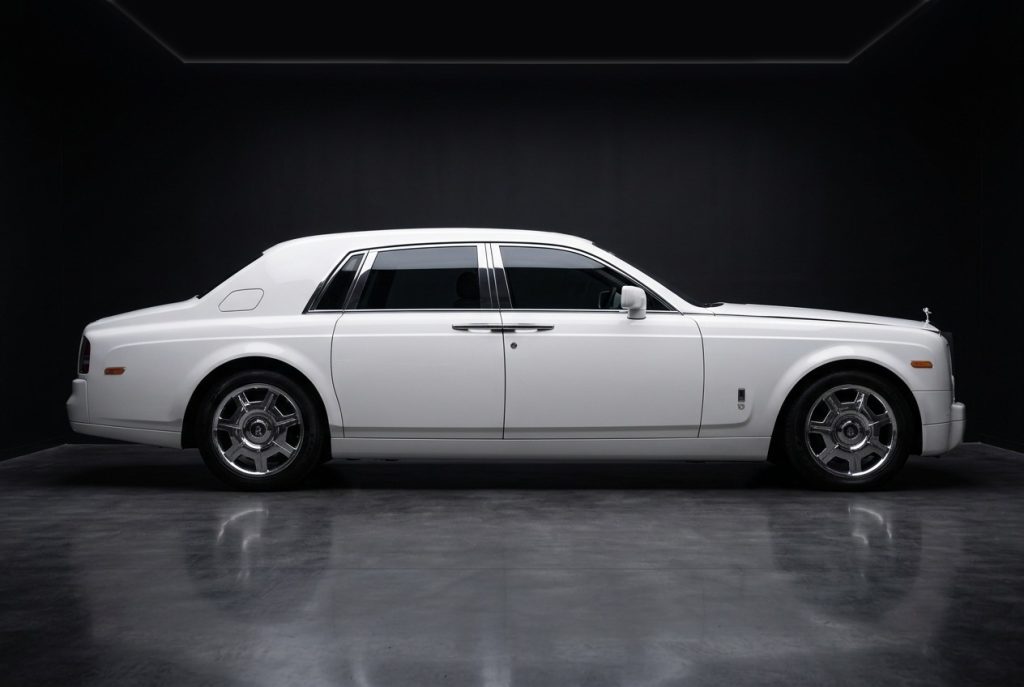
Book the Rolls-Royce Phantom with a chauffeur. Send us the date, the times and where you are going, and we will confirm the Rolls-Royce Phantom for your night.
Book NowCall 0468 011 118Think of a formal photo session as a short film with a shot list. Each frame has a job to do, from the wide arrival to the close, personal moment on the step, and the Rolls-Royce Phantom gives the story a calm, elegant backdrop. The car reflects the sky and the street, which can make a simple portrait feel cinematic, but only if the sequence is planned. This guide walks through a shot-by-shot approach that families and photographers can follow on the night.
Write the shot list before the car arrives
A shot list is the simplest way to keep a formal session calm. Write down each frame you want, in the order you want to take it, and share the list with the photographer and the group. A list of ten or twelve shots covers almost every family's needs, from a solo portrait to a full group frame, and it stops the session from drifting into long debates about who stands where.
Include the wide shots first, while the light is still fresh and the students are not yet tired. A wide view of the car at the kerb, with the group walking towards it, sets the scene. Then move closer, shot by shot, so the final frames feel like the natural end of the story rather than an afterthought tacked onto the end of the night.
Keep a few blank lines on the list for spontaneous moments. Some of the best frames come from a student laughing at a friend's comment or a grandparent adjusting a collar. Leave room for those, and tell the group that the unplanned moments are welcome. A good list gives structure without boxing anyone in.
Use the reflections in the paintwork
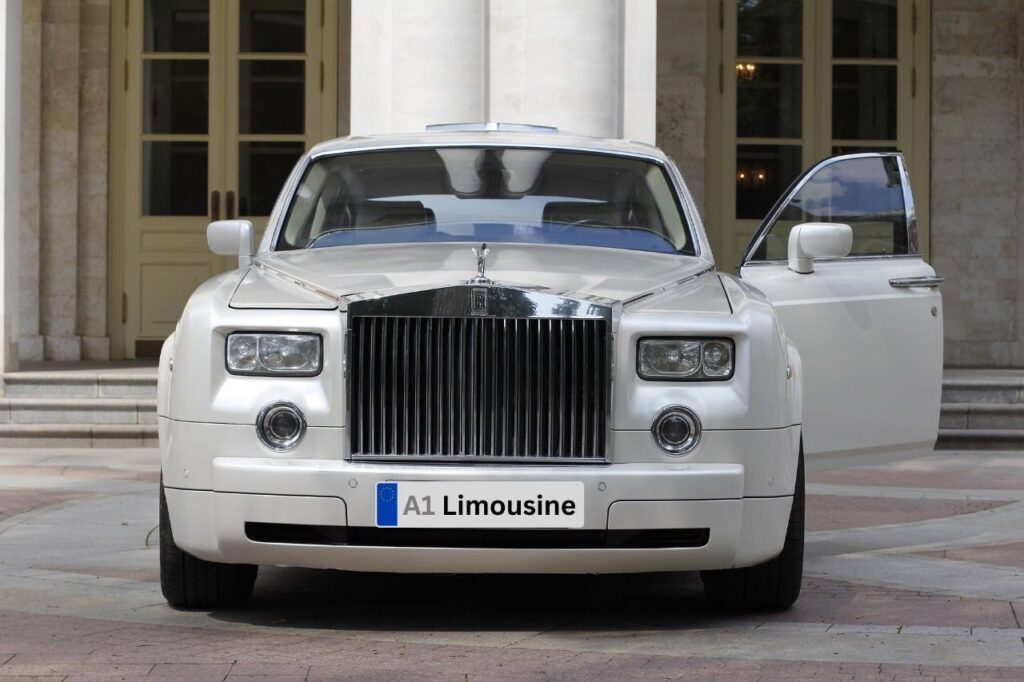
Few cars reflect the world quite like a Phantom. The deep, glossy finish picks up the sky, the trees and the street lights, and those reflections can add depth to a photo that is otherwise simple. Position the group so the reflections fall behind them, rather than cutting across faces, and watch for any bright reflection that causes glare on the lens.
Shooting from a low angle can make the most of the reflections. Crouching slightly and shooting upwards brings the sky into the curve of the bodywork and gives a sense of scale. Keep the horizon level, and avoid placing the group directly in front of a strong reflection that could wash out their faces.
Ask the photographer to move around the car before the group arrives. A few steps to the left or right can change how the reflections fall, and a better angle may be only a metre away. Those small adjustments often make the difference between a flat image and one that looks rich and considered.
Golden hour and the soft evening light
Golden hour, the period just before sunset, is the most flattering time for an outdoor formal photo. The sun sits low, the light is warm and the shadows are long and gentle. A Phantom looks especially rich in that light, and faces glow without the harsh contrast that midday sun can bring.
Plan the photos to start about half an hour before sunset if you can. Students who are dressed and ready early have time to relax, and the photographer can work through the list while the light changes. Keep an eye on the sun's position, and move the group so they face the light or stand with it at their side, not directly behind them.
If the formal runs into the evening, use the street lights and the car's own lighting to shape the scene. A well-lit kerb can look dramatic at night, and the Phantom's glossy surface catches the glow. Test a few shots before the group is fully lined up, so you know the exposure works before the moment matters most.
Door poses that feel natural
The open door is one of the most useful tools in a car session. A student standing beside the door, one hand resting lightly on the frame, looks poised and at ease. Ask the student to shift their weight to one leg and keep the shoulders relaxed, so the pose reads as confident rather than stiff.
Seated poses work well too. A student sitting sideways on the rear seat, with the door open and the feet on the kerb, can look relaxed and elegant. Keep the outfit in view, and check that a long skirt or a jacket is arranged neatly before the shot. A quick adjustment at this stage saves a retake.
Give the student one clear instruction at a time. Asking them to look at a friend, then to turn slightly, then to laugh, produces a series of natural expressions. Long lists of instructions tend to create tension, while a single cue keeps the moment light and the face relaxed.
Group frames that look balanced
A group frame works best when the people feel connected. Ask friends to stand close, with arms around shoulders or hands resting on a neighbour's back. Mix the heights by placing a few people on the kerb or standing slightly behind others, which breaks up the line and makes the group feel more natural.
Consider the car as part of the group. Let a few students lean lightly against the bodywork or stand near the front wheel, so the car becomes a supporting character rather than a backdrop. Keep the faces clear of the reflections, and check that no one is hidden behind a bag or a bunch of flowers.
Take a few frames of the group in each formation, rather than relying on one. Blinks and half-turns are common, and having several options makes it easy to find a set where everyone looks their best. Save the most relaxed group shot for last, when the students have settled and the photographer has finished the posed sequence.
Close-up moments on the front step
The front step is a natural place for intimate portraits. A grandparent's hand on a student's arm, a sibling fixing a bow tie or a parent brushing a shoulder can tell a deeper story than any wide shot. Ask the photographer to move in close, and keep the car softly out of focus in the background.
Use a longer lens or a portrait setting if you have one. A shallow depth of field keeps the attention on the person and lets the car fade into a rich, dark backdrop. On a phone, use the portrait mode carefully, and check that the edges of the hair and the outfit look clean.
These close moments often become the favourite prints in the family album. Plan a few minutes for them at the end of the session, when the group has relaxed and the students are more comfortable. A calm, unhurried close-up can be the most valued frame of the whole evening.
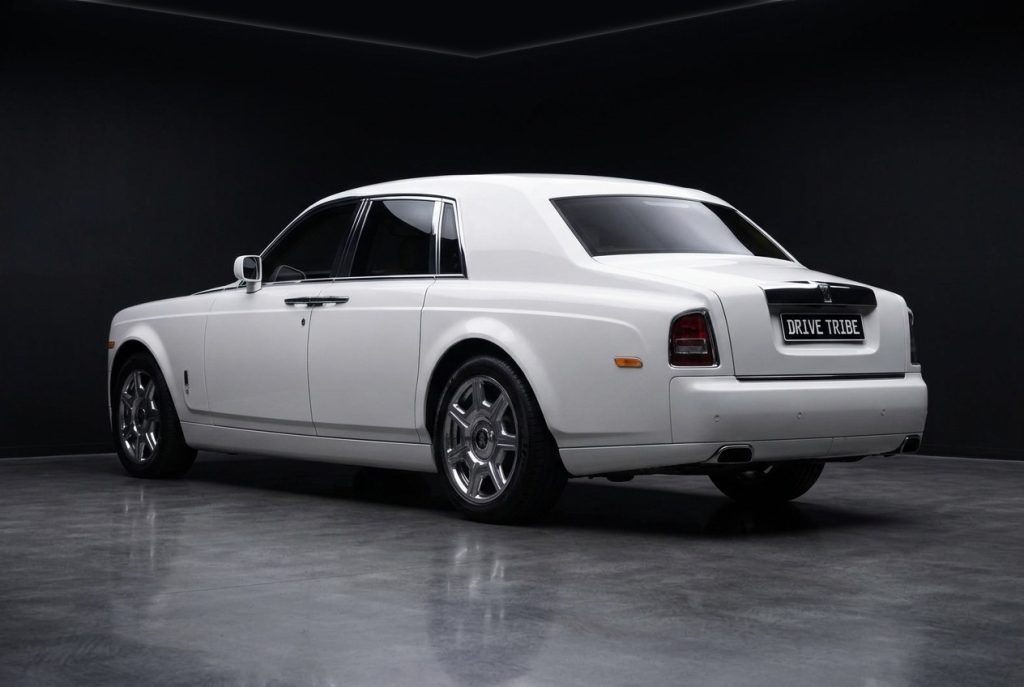
Want the Rolls-Royce Phantom for your date? Send us the date, the times and where you are going, and we will confirm the Rolls-Royce Phantom for your night.
Book NowCall 0468 011 118Phone photos beside a luxury car
A phone can capture a beautiful formal shot if you give it a little care. Wipe the lens with a soft cloth, because a smudge can soften the image and add an unwanted haze. Tap the screen on the student's face to lock focus, then adjust the brightness slightly if the background looks too bright or too dark.
Hold the phone steady, and use both hands where possible. Keep the car's lines straight in the frame, and avoid tilting the phone, which makes the bodywork look uneven. Step back rather than zooming in, because digital zoom loses detail and can look grainy when the image is printed or enlarged later.
Take a short burst of frames for each pose, then choose the best one later. Ask a relative to take a turn so that the student can join the group shots as well. A few simple habits make a phone photo look polished, and they cost nothing at all.
Timing the shots around the chauffeur and the departure
Timing is the thread that holds the session together. Agree the photo window with the driver and the family before the day, and plan the shot list to fit inside it. A session that runs long can leave the car waiting and the students rushed, so keep the list realistic and leave a little room at the end.
The driver can help more than most families expect. Tell them where you would like the car to stand and how long you will need it. A good driver will hold the position, keep the kerb clear and move the car only when the photographer is ready, which keeps the session smooth and the reflections consistent across the frames.
Use the chauffeur planner to set the pick-up, the photo window and any planned stops in one request. Clear details reduce last-minute messages and help the day run to plan. When the timing is clear, the students can relax and enjoy the photos rather than checking the clock.
Editing and sharing the Phantom photos
Back up the photos as soon as the session ends. Copy them to a shared folder and a second device, so the memories are safe if a phone is lost or a card fails. Choose a small set of favourites first, then edit those lightly, adjusting exposure and colour without making the car look unnatural.
Crop with restraint. A tight crop that removes distractions at the edge of the frame can lift a good photo, but cutting off the car's line or a student's hands can spoil the composition. Keep the car's outline in view where you can, because its shape is part of the look that makes the photos feel distinctive.
Share the album thoughtfully. Send one link to the grandparents and the wider family, and let each student choose which images they want to post online. Ask before sharing pictures of anyone who may prefer not to appear publicly, and keep the family album private unless everyone agrees otherwise.
A calm, elegant session to finish the night
A formal photo session beside a Phantom can feel relaxed and graceful when the plan is clear. Build the shot list, use the reflections and the light, and let the poses feel natural rather than staged. Keep the timing realistic, and give the driver the details they need to keep the car in the right place for each frame.
Remember that the photos are the record of a shared moment. The students want to feel comfortable, the family wants to be part of the scene, and the car is simply the calm setting that holds everything together. Protect the time for unplanned laughter, because those are often the frames that people treasure most.
If you would like the Rolls-Royce Phantom as the setting for your formal photos, start with its car page and read the planning details. Then speak with our team about your date, your route and the photo window, so the whole session flows from the first frame to the last.
Frequently asked questions
What is the best time of day for formal photos beside the Phantom?
Golden hour, the period just before sunset, usually gives the warmest and softest light. Start the session about half an hour before sunset if you can, so the students are ready early and the photographer can work through the list as the light changes. For an evening formal, test a few shots under the street lights before the full group is lined up.
How do I use the car's reflections without losing the faces?
Position the group so the reflections fall behind them rather than across their faces. Shoot from a slightly low angle to bring the sky and the bodywork into the frame, and watch for glare on the lens. Ask the photographer to move a few steps to find the angle where the reflections look rich without washing out the students.
Can I take good photos on a phone?
Yes. Clean the lens, tap the student's face to lock focus, hold the phone level and step back rather than zooming in. Take short bursts for each pose and choose the best frame later. Ask a relative to take a turn so the student can join the group shots, and keep the car's lines straight in the frame.
How many shots should the session include?
A list of ten or twelve shots covers most families' needs, from wide arrival frames to close, personal portraits and a full group. Keep a few blank lines for spontaneous moments, and share the list with the photographer and the group before the car arrives. A realistic list keeps the session calm and stops it running past the departure.
Will the driver help with the photos?
Yes, the driver can hold the car in position, keep the kerb clear and move only when the photographer is ready. Tell the driver the spot you would like and how long you will need the car. Our chauffeur planner also lets you set the pick-up, the photo window and any planned stops in one request, so the timing is clear.
How should the family share the photos afterwards?
Back up the photos on the day, choose a small set of favourites and edit them lightly. Send one shared link to the grandparents and the wider family, and let each student decide which images to post. Ask before sharing photos of anyone who may prefer not to appear online, and keep the album private unless everyone agrees.
Ready when you are. Send us the date, the times and where you are going, and we will confirm the Rolls-Royce Phantom for your night.
Book NowCall 0468 011 118