

Book the Hummer H2 Stretch Limousine with a chauffeur. Send us the date, the times and where you are going, and we will confirm the Hummer H2 Stretch Limousine for your night.
Book NowCall 0468 011 118In China, the end of school arrives in a particular season, and it brings two very different milestones. The gaokao, the national higher education entrance examination, is usually held in early summer and shapes many students' next steps. Graduation ceremonies follow in the same months for many schools and universities, with gowns, photographs and families gathered to mark the moment. This article describes how these occasions usually work, how students dress and travel and how they compare with an Australian Year 12 formal.
Two milestones in one season
For many Chinese students, the end of school is not a single event but a short season of milestones. The gaokao is an examination that tests what students have learned across their final years of study, and it is taken over several days in early summer. Graduation ceremonies follow in the same period for many schools and universities, which means the celebrations and the exam can sit close together on the calendar.
China is a very large country, and the details differ between provinces, cities, schools and families. Some students live in large urban centres with many schools nearby, while others travel further to reach an examination centre or a ceremony. Families bring different expectations and different ways of marking the moment, so any description here is a general picture rather than a rule for every household.
This article describes the common shape of these occasions, then compares them with an Australian Year 12 formal. Where practice differs, we say so. The aim is to describe the traditions with respect, to recognise how much effort lies behind them and to show where Australian families might find an idea worth noting.
The gaokao: a national exam and a family moment
The gaokao is a national exam, and it is an important event in many families' lives. It is taken in the final year of senior high school and is used in university admissions across the country. The exam period is demanding for students, and families often make an effort to keep the household calm, to manage meals and to support their children through the days of the exam.
Many families mark the exam period in quiet ways. A favourite meal, a short walk, a note of encouragement or a small gift are common ways of showing support without turning the occasion into a spectacle. Some families travel with their child to the examination city, while others stay at home. Both approaches reflect care, and each family chooses what suits them best.
Once the exam is over, the mood changes. Students often relax, catch up with friends and begin to think about the next stage. The end of the exam is not a celebration in the way a formal is, but it can be the start of a more relaxed season, with time for family, friends and planning.

Graduation ceremonies and the yearbook
Graduation ceremonies in China are often organised by the school, and they bring the year group together for speeches, a short programme and the handing over of certificates. Families may attend, and the event is a formal marker of the end of school. The tone is usually respectful and reflective, with the focus on thanking teachers and looking ahead.
Yearbooks are a much-loved part of the season. Classmates write messages for one another, often in the front or back pages, and the books become a keepsake that students keep for years. The messages tend to be warm and personal, with wishes for the future and memories of the years spent together. Many students say the yearbook is one of the things they value most.
The ceremony photographs are an important record. Students often pose in groups with their classmates and teachers, and families take their own pictures. A clear plan for the group photographs, agreed in advance, keeps the day calm. For Australian families, the same principle applies to a formal: a short, focused photo session is usually better than a long one.
University graduation: gowns and the graduation photograph
University graduation in China is often marked with academic gowns and a formal ceremony on campus. Graduates may pose in their gowns with friends, classmates and family, and the graduation photograph is one of the most treasured images of the period. The gowns create a strong visual unity across the group, and the photographs often have a dignified and celebratory feel.
Families may travel to attend the ceremony, which can mean planning travel, accommodation and the timing of the day well ahead. Some families host a meal after the ceremony at a restaurant, while others prefer a quieter gathering at home. The arrangements depend on the family and the distance, and the planning is usually as important as the event itself.
The university celebration is for adult graduates, and its format is different from a school formal. Still, the shared sense of pride and the careful attention to photographs are familiar to Australian families. Planning the photographs, the travel and the meal in advance makes the day feel relaxed rather than rushed.

What students wear: uniforms, gowns and smart clothes
Dress depends on the occasion. For many school ceremonies, students wear their school uniform or smart clothes, which gives the event a sense of continuity with the years before. For university graduation, the academic gown takes centre stage, with graduates often wearing their own clothes underneath. Families may choose something new for the photographs, and the choice is usually made with care.
Families bring their own taste to the day. Some prefer a neat and classic look, while others choose something more striking for the photographs. Hair, shoes and bags are part of the plan, and many families arrange appointments well ahead of time. A calm morning, with clothes already laid out, makes the arrival at the venue far more relaxed.
Planners of a Sydney formal will spot the same instinct. A well-chosen outfit, a clear plan for the morning and a short photograph session all help a night feel special. Dressing carefully for a significant occasion is a shared habit across many cultures, and it gives families a warm point of connection.
Getting there: the arrival and the family car
Transport for these occasions depends on the venue, the distance and the number of people. Some families travel by public transport, others by family car, and some groups choose a hired car for a more memorable arrival at the school or the campus. The right answer depends on the group, and it helps to decide early so that the timing and the drop-off are not left to chance.
A chauffeured car is the sensible option when a group wants to travel as one. Anyone under 18 rides in the back while a professional driver handles the road. No student takes the wheel of a hired car on the way to or from a celebration, and that rule covers each leg of the day.
Plan the arrival around the entry time and leave room for an unhurried step-out. Confirm the stopping point, the waiting time and the meeting spot with the driver in advance. A relaxed entrance simplifies the pictures and lets pupils savour the occasion before proceedings start.
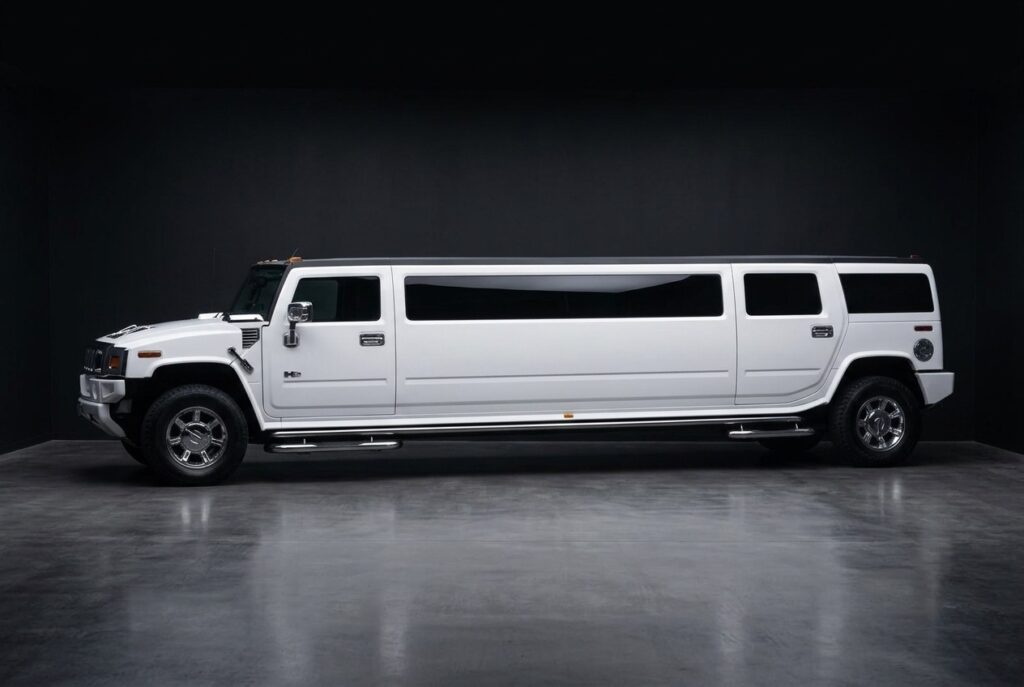
Want the Hummer H2 Stretch Limousine for your date? Send us the date, the times and where you are going, and we will confirm the Hummer H2 Stretch Limousine for your night.
Book NowCall 0468 011 118Family meals and the celebration afterwards
After the ceremony, many families gather for a meal. It may be a lunch at a restaurant, a dinner at home or a shared table with relatives who travelled to attend. The meal gives everyone time to talk, to share photographs and to celebrate, and it often becomes the most relaxed part of the day for families and students alike.
Celebrations vary widely. Some families host a larger gathering with extended relatives, while others keep the day small and personal. Friends may plan their own gathering afterwards, and students often enjoy a short outing together before the summer holidays. Families differ on how late the day should run, so agreeing a finish time early keeps the celebration generous rather than tiring.
An Australian formal generally builds around dinner, music and the grand entrance, with the cohort moving through each stage side by side. A family meal in China has a slower and more social rhythm. Families planning a formal can borrow the idea of an unhurried meal and build it into the timetable.
Respect, regions and rules for younger students
China has many regions, languages and communities, and families bring different customs to these occasions. Nobody should assume that one family's approach represents them all, and the variety deserves respect. Families who are new to the customs can ask the school how the day usually runs and what is expected of guests, which is a simple and welcome way to show care.
Young people below 18 warrant the same level of protection at every kind of event. For anyone in that age group, a driver from our team takes the wheel and the students stay in the back. There is no alcohol for anyone under 18, in any car, for the whole of the day. Families should follow the school's own guidance as well, because every school sets expectations for its students.
Some grown-up guests like to drive themselves, which is their own call. In those cases, the young people's arrangements should stay in a separate, chauffeured booking so the timetable remains clear. That separation makes it obvious who is responsible on the day and keeps the students' ride simple.
How these traditions compare with an Australian formal
The two traditions share more than people might expect. Both mark the end of a stage of study, both involve smart dress and photographs, and both bring families together around a meal or a celebration. Both depend on careful planning, because the timing, the transport and the photographs need to fit together for the day to feel calm.
The biggest difference is the calendar and the weight of the exam. The gaokao sits at the centre of the season for many students in China, while the Australian Year 12 formal is held in the second half of the school year, with final assessments still in view. The formal is also a single evening built around dinner, dancing and the arrival, whereas graduation in China is often a ceremony followed by a family meal.
Of all the moments, the entrance is what most sets an Australian formal apart. Arriving as one group, after a journey the students did not have to plan, gives the evening its opening note. The Chinese occasions include memorable moments too, but the custom is less uniform, and many families make their own arrangements for the day.
Close: the featured Hummer H2 Stretch Limousine
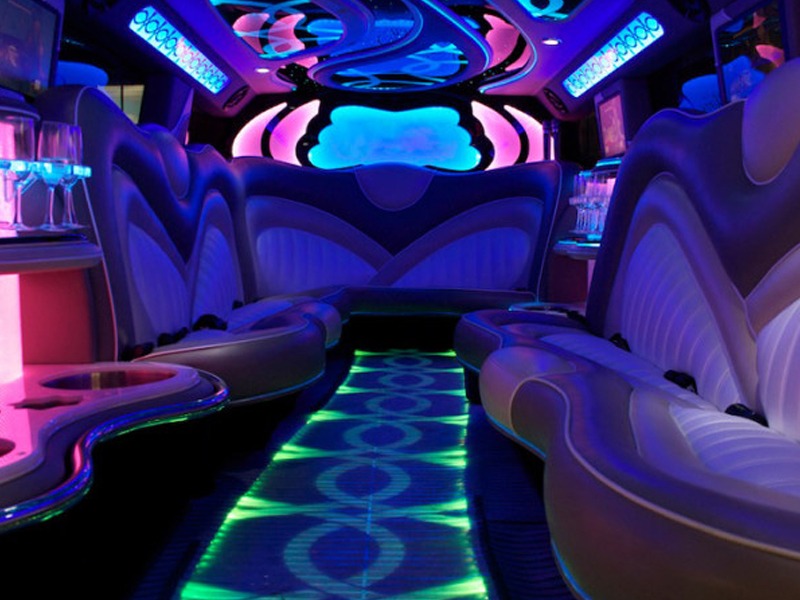
For a group that wants a bold and sociable start to a celebration, our featured choice is the Hummer H2 Stretch Limousine. A chauffeur is the only way to book it, so the group can sit together in a stretched interior while a driver handles the road and the stopping point. It suits a group that wants its arrival to be noticed and remembered.
Other choices suit other groups. A Rolls-Royce Phantom offers a calm and formal arrival for a smaller party, a Chrysler 300 Gullwing Stretch Limousine suits a sociable crowd and a van keeps a larger group together in one vehicle. The fleet page lays the options side by side, so compare them against your plan.
Once the timetable is settled, send the request with the pickups, the venue time and the return plan. The Hummer H2 Stretch Limousine page sets out what applies to your date. Each quote follows the date, the hours and the route, and the final figure is confirmed in writing before anything is agreed. We are glad to assist your party in arriving as one.
Frequently asked questions
What is the gaokao?
The gaokao is China's national higher education entrance examination. It is taken at the end of senior high school and is used in university admissions across the country. The exam is held over several days in early summer, and it is an important event for students and families, who often mark the period with quiet support rather than a large celebration.
Is graduation in China the same as an Australian formal?
They share a purpose, which is to mark the end of a stage of study with family and classmates. Graduation often involves a ceremony, a yearbook or academic gowns and a family meal. An Australian Year 12 formal is usually one evening built around dinner, dancing and the arrival at the venue, so the shape of the day is quite different.
Do students under 18 need a chauffeur for a graduation or formal?
Yes. Anyone under 18 rides in the back of a chauffeured car, with a professional driver at the wheel. No student takes the wheel of a hired car on the way to or from a celebration, and the rule covers every leg of the day, including short trips between home, the photographs and the venue.
Are the alcohol rules the same for a school celebration?
Under-18s are not to consume any alcohol in a vehicle, and that holds from morning until night. Schools set their own expectations, and families should follow those alongside our plan. A short talk with young people about why the rules matter usually works better than a list read out at the last minute.
Do families in China all mark these occasions in the same way?
No. China has many regions, languages and communities, and families bring their own customs to the end of school. Some host a large gathering, while others keep the day quiet and personal. Asking the school how the day usually runs is a respectful way to learn what is expected of guests and families.
Can a family book the featured Hummer H2 Stretch Limousine for a celebration?
Yes, you can ask for it. The Hummer H2 Stretch Limousine is chauffeured only, so the students ride together while one of our drivers handles the route. It is our featured choice for a bold group arrival. Give the booking staff your collection points, the function time and the homeward arrangements, and they will check the date is free.
Ready when you are. Send us the date, the times and where you are going, and we will confirm the Hummer H2 Stretch Limousine for your night.
Book NowCall 0468 011 118