

Book the Ducati 1199R. Pick your dates and book the Ducati 1199R online, or call us and we will sort it with you.
Book NowCall 0468 011 118The Macleay Valley Way follows the river country of the mid north coast, and its bends rise and fall with the land and the water. Some are wide and easy, others tighten around the flats and the creek lines. A bike that feels right on a motorway can feel clumsy here, and a bike built for tight twisties can tire you on the longer legs. This guide sets out how to match a machine to the valley road, so that the ride feels relaxed, controlled and rewarding from the first bend to the last.
Everything to know before you book, from the licence rules to the bond, is on our Sydney motorbike hire page.
What a river valley road asks of a bike
A valley road is shaped by the water. The Macleay Valley Way follows the river, so the bends rarely stay the same for long. You move from a sweeping curve along the flats to a tighter turn where the land pushes toward the water, then back into an open stretch. The bike has to change direction easily, hold a steady line through the wider arcs and settle quickly when the road tightens.
The surface matters as much as the shape. Valley roads collect leaves, bark and the occasional patch of mud from farm vehicles, and the shaded sections stay damp after rain. A predictable bike with a settled chassis gives you the confidence to read those changes before you commit to a bend.
Think about the whole ride, not just the corners. Long legs between towns test comfort, and short loops near the river test agility. The best bike for this valley is one that handles both without asking you to change your approach every few kilometres.
Hire basics before you choose
Our bikes are self-drive from Drive Tribe in Parramatta, and the hire runs for a three day minimum, which suits a valley loop well. Each rider needs a full motorcycle licence held for at least three years, and must be 25 or over on every bike. Choose the bike with those conditions in mind, and let our team confirm the details before you book.

Nimble steering for the tighter river bends
Where the valley tightens, quick and precise steering makes the difference. A bike that turns in cleanly lets you place the wheel exactly where you want it, and keeps the line tidy through the turn. This is especially useful where the road follows a creek line and the corner exit is hidden by trees.
Build the feel gently. Take the first few tight bends at a moderate pace, notice how the bike responds to your inputs and how the front end loads when you brake. Once the response is familiar, you can carry a little more speed through the open arcs without feeling rushed.
Remember that every bend is a shared space. Farm vehicles, cyclists and the occasional local car use the same lane, so keep your eyes up and your line clear, and leave room for anything that appears around a blind corner.
Stable on the long open legs
Between the river sections, the road opens out and the bike spends long periods at a steady cruise. Here a stable chassis and predictable steering keep you relaxed, and a bike that tracks straight is less tiring over a full day. Look for a machine that holds its line without constant correction, since small inconsistencies add up over kilometres.
Adjustable suspension helps on mixed surfaces. The valley can carry patched sections and small bumps near the farm entrances, and a suspension that can be set to suit the load and the road smooths those irregularities. Set it before you leave the town, rather than fiddling with it on the bends.
Keep the pace inside the posted limit and let the open stretches reward a calm rhythm. Long legs are the best time to look at the river, the birds and the shifting light, provided you are still concentrating on the road.

The Yamaha MT-09 SP in the valley
The Yamaha MT-09 SP is a strong all-round choice for the Macleay Valley Way. It is an inline three performance naked bike, and its character is easy to manage on the tight river bends as well as on the steady runs between towns. Premium adjustable suspension helps keep the bike composed on the mixed surfaces, and the gold front forks and strong brakes give clear feedback when the road narrows.
The upright naked position gives you a clear view of the road and the verges, which is valuable on a valley road where wildlife and farm traffic can appear at the edges. Many riders also find it comfortable on longer legs, so the Yamaha suits a loop that combines river bends with open stretches.
For a rider who wants a single bike that copes with the whole valley and the coast beyond, the Yamaha is a balanced match. It is practical, controllable and forgiving enough to enjoy the bends without constant concentration.
The Ducati and the MV Agusta on the bends
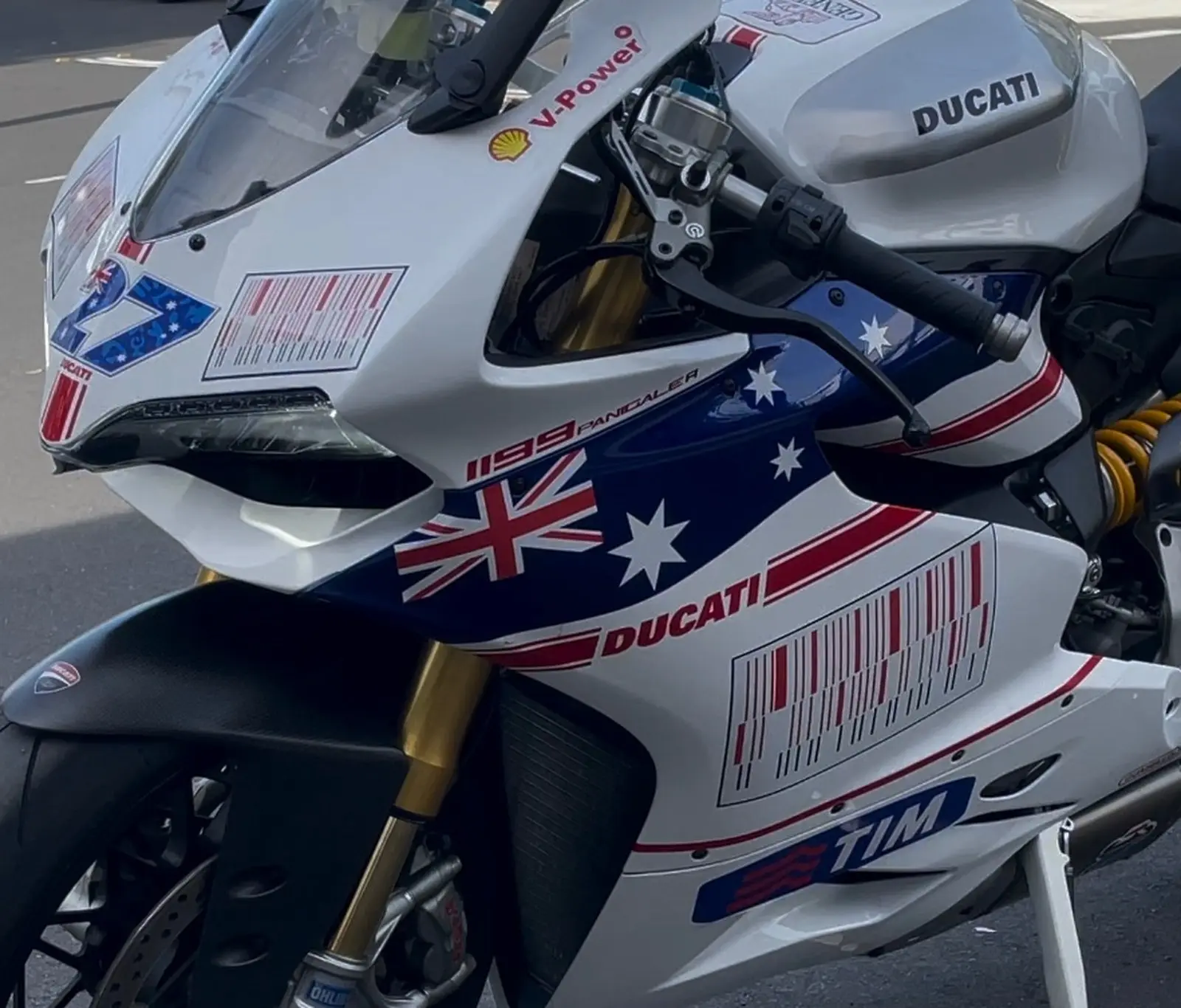
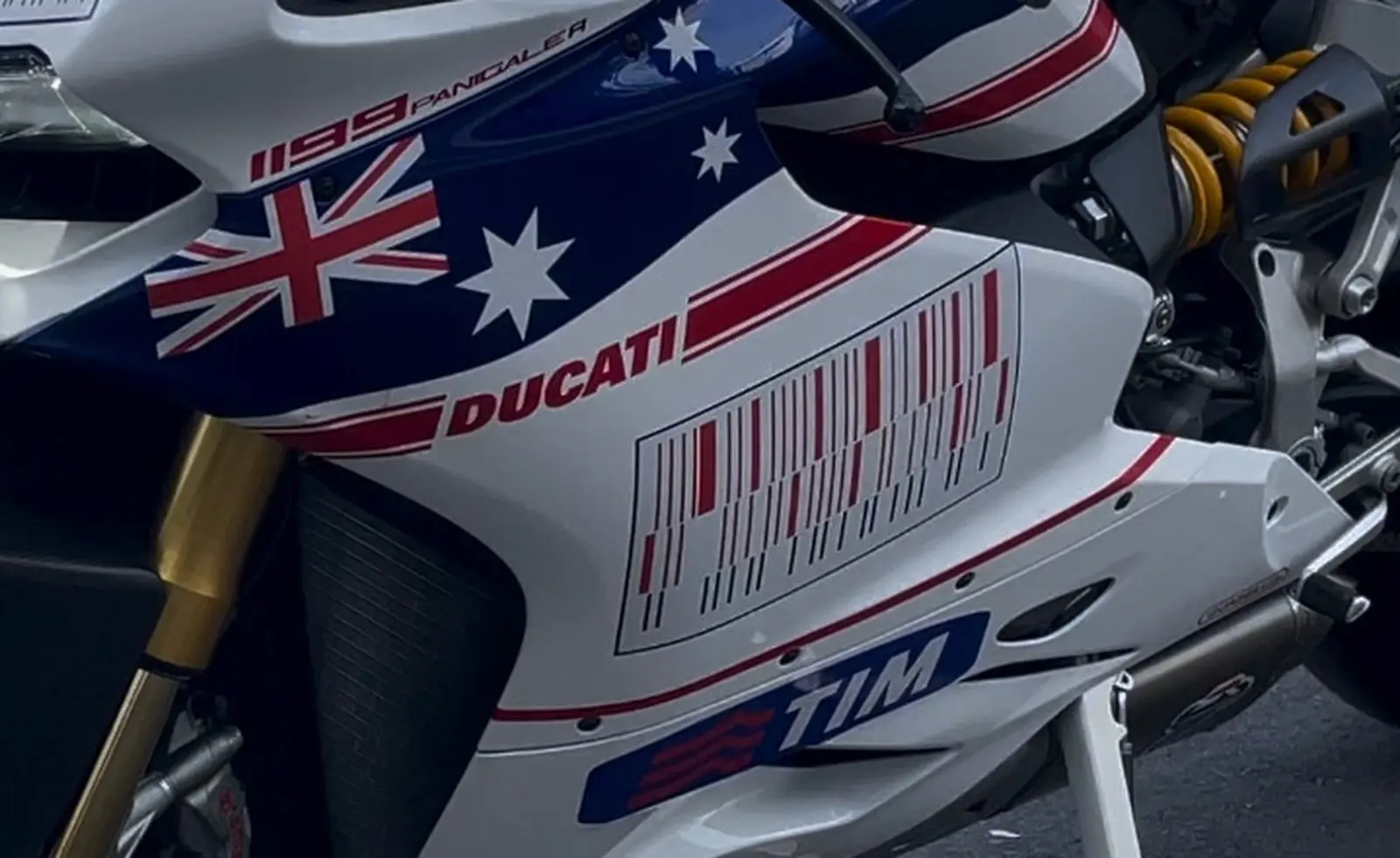
For an experienced rider who wants a sharper machine, the Ducati 1199R Panigale is a superbike for experienced riders. Its V-twin produces 143 kW and its gold front forks and black forged wheels give it a striking presence. On a valley road, that power calls for restraint, and the bike rewards a rider who keeps the throttle gentle through the shaded corners.
The MV Agusta F4 is a 998cc inline four with a performance exhaust and a pearl white finish with a red trellis frame. It offers a focused, precise feel that suits riders who want direct feedback through the bars on the tighter bends.
Both bikes reward judgement and patience. On a damp or leafy valley road, the best approach is to ride within your own limits and let the bike carry you smoothly through each bend rather than pushing for speed.

Want the Ducati 1199R for your date? Pick your dates and book the Ducati 1199R online, or call us and we will sort it with you.
Book NowCall 0468 011 118Fuel, food and the river towns
Fuel is worth planning on this route. Top up in Kempsey before you set off, and note the next station before each leg, since stations are spaced out along the valley. A motorbike tank is modest, and repeated bends and changing wind can use fuel faster than a straight cruise.
The river towns have simple cafes and bakeries that suit a relaxed break. A late breakfast or an early lunch makes a pleasant pause between the bends, and the stop is a chance to check the bike, the tyres and the weather. Ask locals which places are open that day, because hours change with the season and the day of the week.
Build the stops into your plan rather than waiting until you are tired. A short break every hour keeps your concentration fresh for the tighter sections, and it keeps the whole day relaxed.
Gear, fatigue and the valley weather
Gear should suit the valley's changing moods. A thermal layer helps on the cool river mornings, a breathable outer layer keeps you comfortable in the afternoon heat, and a light waterproof stays handy for sudden showers. Gloves that keep your grip sure and footwear that protects the ankle are the foundation of any valley ride.
Fatigue creeps in on a relaxed valley loop. The gentle pace and the views can make the kilometres pass unnoticed, and that is when attention drifts. Stop regularly, stretch your back and hands and be honest about how alert you feel before the next tight bend.
Mist can lie over the river in the early morning. Slow before the misty patches, use your lights and keep your visor clean. If the visibility drops, pull over somewhere safe and wait for it to lift rather than riding blind into a bend.
Seasons, traffic and the best riding window
Winter and autumn are the most comfortable seasons on the valley, with mild days and fewer visitors. Spring brings farm activity and breezy afternoons, while summer is warm and humid, with heavy storms and a flood risk on low crossings. Choose the season to suit your riding and plan the timing around the weather.
Traffic on the valley road is lighter than on the coast highways, though farm vehicles and occasional heavy trucks share the lanes. Weekends and school holidays bring more visitors, while midweek riding is usually calmer. The best window for most days is early morning to late morning, when the air is cool and the road is calm.
Check road conditions with Transport for NSW before you leave, since closures and flood damage can appear after heavy rain. Keep a second route in mind so that a closure does not force a rushed decision on the bends.
Booking the Yamaha for the river bends
If you want one bike for the tighter river bends and the steady runs between towns, the Yamaha MT-09 SP is the bike we would suggest first. Its inline three performance character, premium adjustable suspension and strong brakes make it a practical companion on the valley road.
Choose the date, plan the fuel and food stops and think about how many days you want to spend on the valley. Our team is happy to talk through the route, the overnight stops and the conditions to expect before you commit, so the trip starts with a clear plan.
Use the link below to book the Yamaha MT-09 SP for your valley ride. A cool morning among the river bends, a steady run through the open country and a relaxed lunch in a river town is a rewarding way to see the mid north coast, and the right bike makes every bend feel natural.
Frequently asked questions
Which bike is easiest on the tight river bends?
A bike that turns in cleanly and keeps a predictable line suits the tight bends best. Quick, precise steering helps you place the wheel exactly where you want it, especially where the road follows a creek line and the exit is hidden by trees. The Yamaha MT-09 SP is a strong all-round choice for this kind of valley riding.
How do I handle leaves and debris on the bends?
Watch the edges of the road for leaves, bark and mud from farm vehicles, particularly after rain. Brake before the patch rather than on it, keep your inputs smooth and avoid leaning toward the verge. Shaded sections can stay damp, so ease off early and wait until the surface looks reliable before you lean the bike over.
Is the valley road comfortable on a long day?
Yes, with regular stops. The open legs between towns reward a steady rhythm and a stable chassis, but comfort depends on the riding position and how often you stretch. Build a break in every hour, keep the pace inside the posted limit and let the river views break up the kilometres.
What should I do in river mist?
Slow down before the misty patches, use your lights and keep your visor clear. If the visibility drops below what you are comfortable with, pull over somewhere safe and wait for the mist to lift. Mist often clears within the first hour, so a short wait is usually worth the time.
Can I stop at the river towns for a break?
Yes, the river towns have simple cafes and bakeries that suit a relaxed pause. Park carefully, keep the bike off soft verges and check the tyres and the weather before you move on. Ask locals which places are open that day, since hours vary with the season.
How should I prepare for a summer valley ride?
Start early to beat the heat, carry plenty of water and watch for storms and flood risk on low crossings. Never ride through standing or moving water, and turn back if a road looks submerged. Closures can appear quickly after heavy rain, so keep the plan flexible.
Ready when you are. Pick your dates and book the Ducati 1199R online, or call us and we will sort it with you.
Book NowCall 0468 011 118