
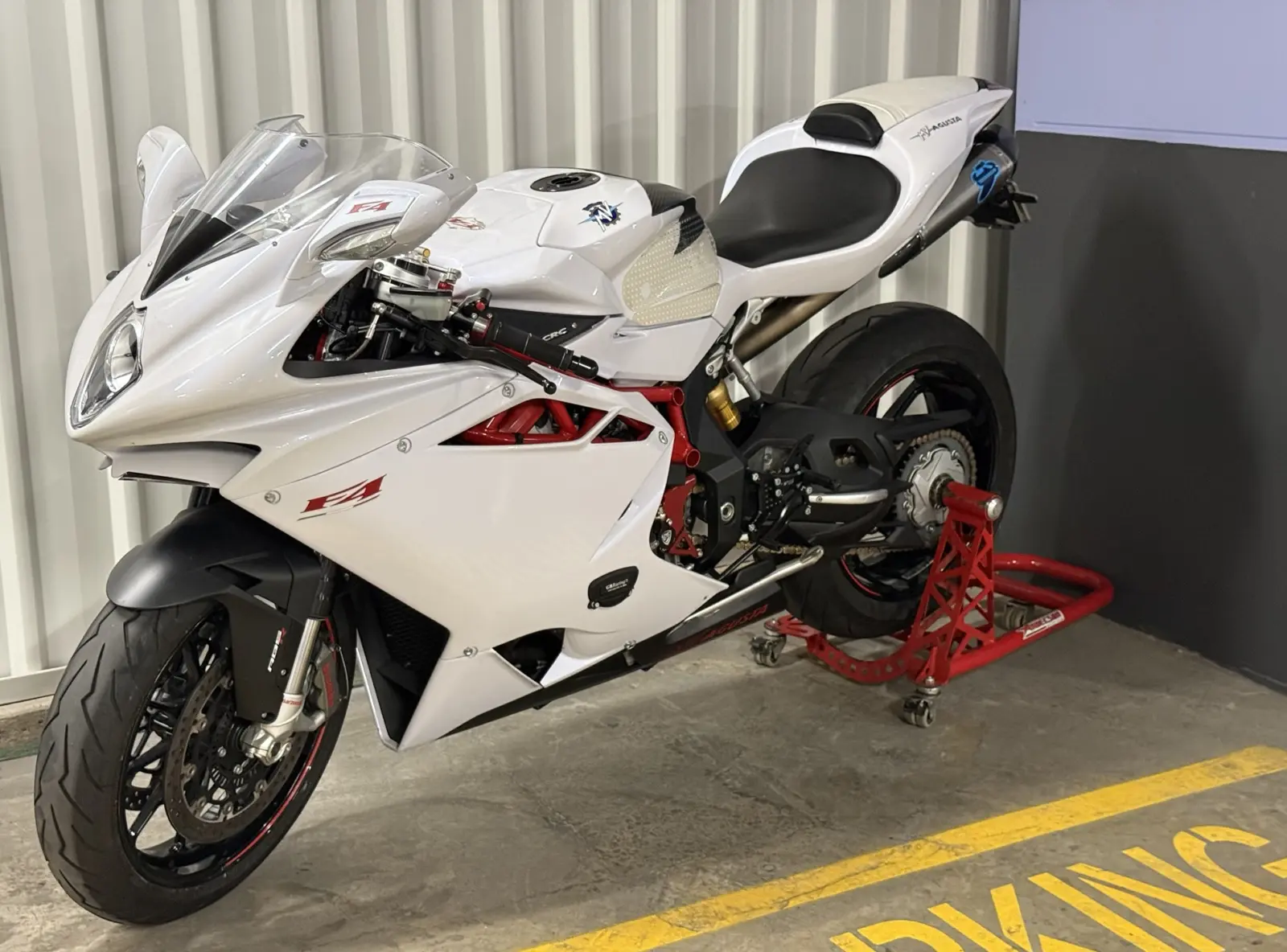
Book the MV Agusta F4. Pick your dates and book the MV Agusta F4 online, or call us and we will sort it with you.
Book NowCall 0468 011 118Low speed is where a big four-cylinder machine asks the most of its rider. Crawling through a car park, setting off from a stop or creeping along a quiet road, the engine and clutch need careful handling, and a cold engine can be less forgiving than a warm one. This guide covers how the MV Agusta F4 behaves at idle and walking pace, the practice you need before riding it in traffic and where to build that skill safely.
Everything to know before you book, from the licence rules to the bond, is on our Sydney motorbike hire page.
Why low speed matters on a big four
Most of the crashes riders describe at low speed happen during the first few metres of a ride, in a car park or at a junction. The bike is heavy relative to its speed, the balance is delicate and every input is magnified. A powerful inline four is at its most demanding when you are barely moving, because the engine wants to be used at higher revs than the road allows.
The F4 has a strong, responsive engine with a character that shines at speed. At walking pace it can feel lumpy or abrupt if the clutch and throttle are not coordinated. Learning to balance the bike at slow speed is therefore not a minor skill. It is the foundation for every other part of the ride.
Think of low-speed work as the first lesson, not a chore to rush through. Spend time making slow turns, U-turns and stops, and notice how the bike responds to small changes in throttle and clutch. Those small observations will serve you in traffic and at every slow junction on the road.
Idle and cold starts
Allow the engine to settle before you pull away. A cold engine often runs at a slightly higher idle, and the throttle response can feel sharper than it does once everything is warm. Let the bike idle for a short time, check the gauges and then move off, rather than starting and immediately rolling into traffic.
Cold starts also change how the clutch feels. Oil is thicker when cold, and the bike may need a little more care to find the bite point smoothly. Keep your revs steady, feed the clutch in progressively and avoid holding the bike on the clutch for long periods at a standstill, since that builds heat in the friction plates.
Once the engine is warm, the bike becomes more predictable. Idle becomes steadier, the throttle response becomes more linear and the clutch engages more consistently. Even so, respect the first few kilometres of a morning ride as a time for gentle inputs and early observation.
Clutch control at walking pace
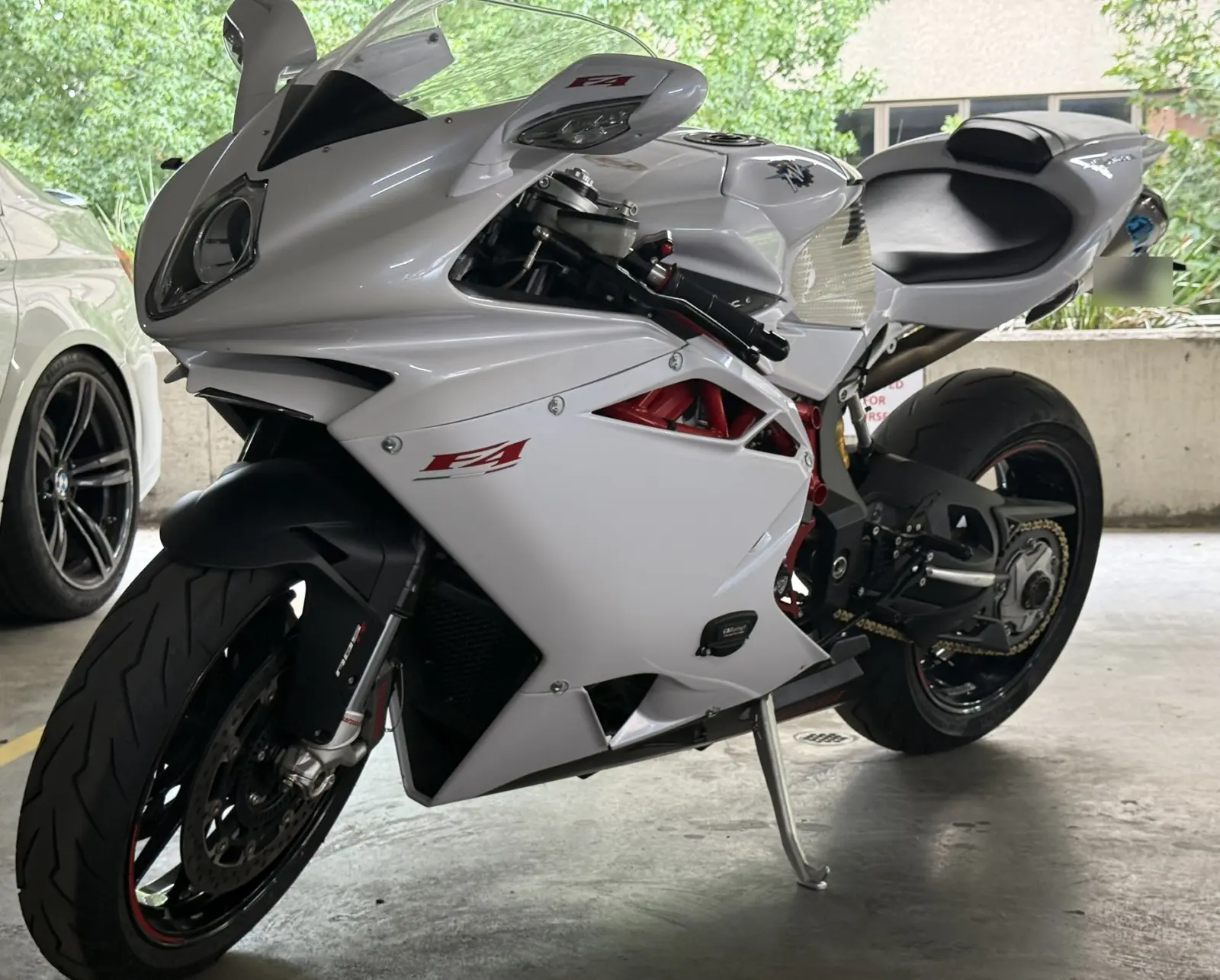
Good clutch control is the heart of low-speed riding. Bring the lever to the bite point smoothly, hold the bike steady with a small amount of throttle and release the clutch progressively as the bike begins to move. Practise the same action every time, so it becomes automatic when a car pulls out in front of you.
Common mistakes include dropping the clutch too quickly, which causes a jerky start, and holding the bike on the bite point, which wears the clutch and makes the bike harder to control. Use the rear brake and front brake together for stops, and keep your feet ready to put down if the bike begins to lean.
Slow turns demand balance and a relaxed grip. Look where you want the bike to go, keep your head up and let the front wheel follow your eyes. A tense grip on the bars makes the bike wobble, while a gentle hold lets the motorcycle settle on its own line.
Safe places to practise low-speed skills
An empty car park with a clean, level surface is the best place to learn. Get the owner's permission first, avoid areas with kerbs or drains that you could catch on, and keep your practice runs short. Set out a few cones or markers if you have them, and practise tight turns in both directions.
Do not practise on a shared path unless it is signed for motorcycles, and do not ride along a river bike path if motorcycles are not permitted there. Many paths are for pedal cycles and pedestrians only, and a rider who wobbles at walking pace can cause a serious problem for someone walking or cycling nearby.
A quiet, low-traffic road early on a weekday can also work, provided you keep to the speed limit and choose a stretch with good visibility. The aim is to build a feel for the bike in conditions you can control, not to test your nerves in a busy street.
Seasons and the best hours to practise
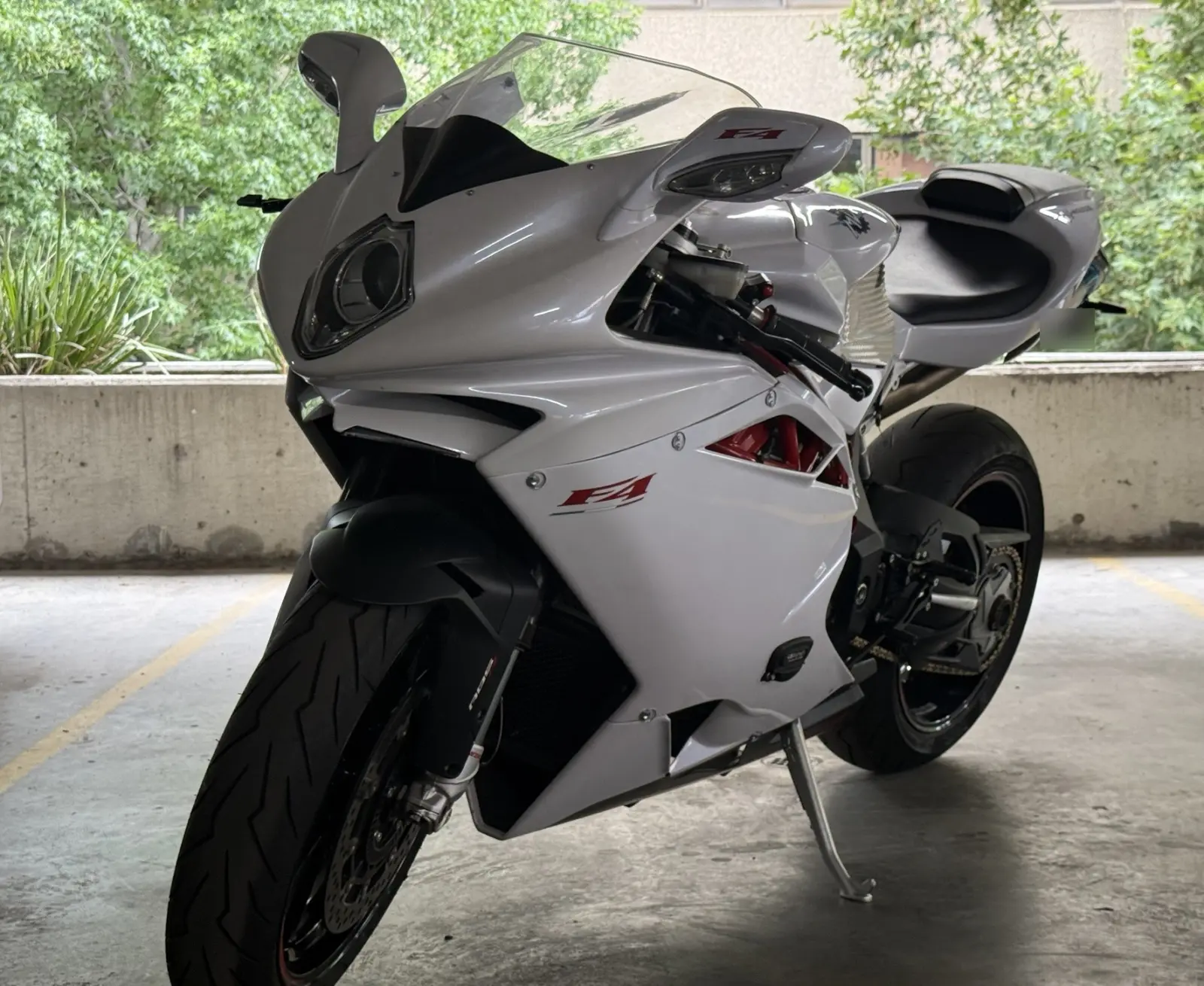
Autumn and spring are the best seasons for low-speed practice. The temperatures are comfortable, the surfaces are usually dry and the engine warms up at a steady pace. You can spend a relaxed hour at a quiet car park without the discomfort of extreme heat or cold.
Summer heat can soak into the asphalt and make a car park feel hotter than the air. Practise early in the morning or late in the afternoon, drink water regularly and avoid long sessions in direct sun. Heat also makes you tire faster, and tired riders lose the fine control that low-speed work demands.
Winter mornings are cold, and the bike and rider both need time to warm up. Start with a longer idle, dress in warm layers and wait until the surface is dry before attempting tight manoeuvres. Frost or damp leaves can make a car park surprisingly slippery at walking pace.
- Early morning: cold engine, so allow a longer idle before moving.
- Midday: warmer surfaces, but busier car parks and more people about.
- Late afternoon: cooler air and a settled engine, though low light can hide kerbs.
- After rain: check the surface for slick patches before you practise.
Want the MV Agusta F4 for your date? Pick your dates and book the MV Agusta F4 online, or call us and we will sort it with you.
Book NowCall 0468 011 118Fuel, food and rest on a practice day
Fuel up before you start the practice session, so you do not have to manoeuvre into a busy service station with the bike still learning its balance. Plan the fuel stop for a quiet time of day, and choose a station with a level approach and space to pull up safely.
A light meal keeps your concentration sharp for the slow-speed work that follows. Take a break between practice sessions, stretch your arms and shoulders and rehydrate. Low-speed control needs steady hands, and tired arms make the bars feel heavier and the balance less certain.
Rest stops are good opportunities to review what you have practised. Think about which movements felt smooth and which felt awkward, and adjust your approach for the next session. A short, honest review often does more for your confidence than another hour of repetition.
The F4 character once you are up to speed
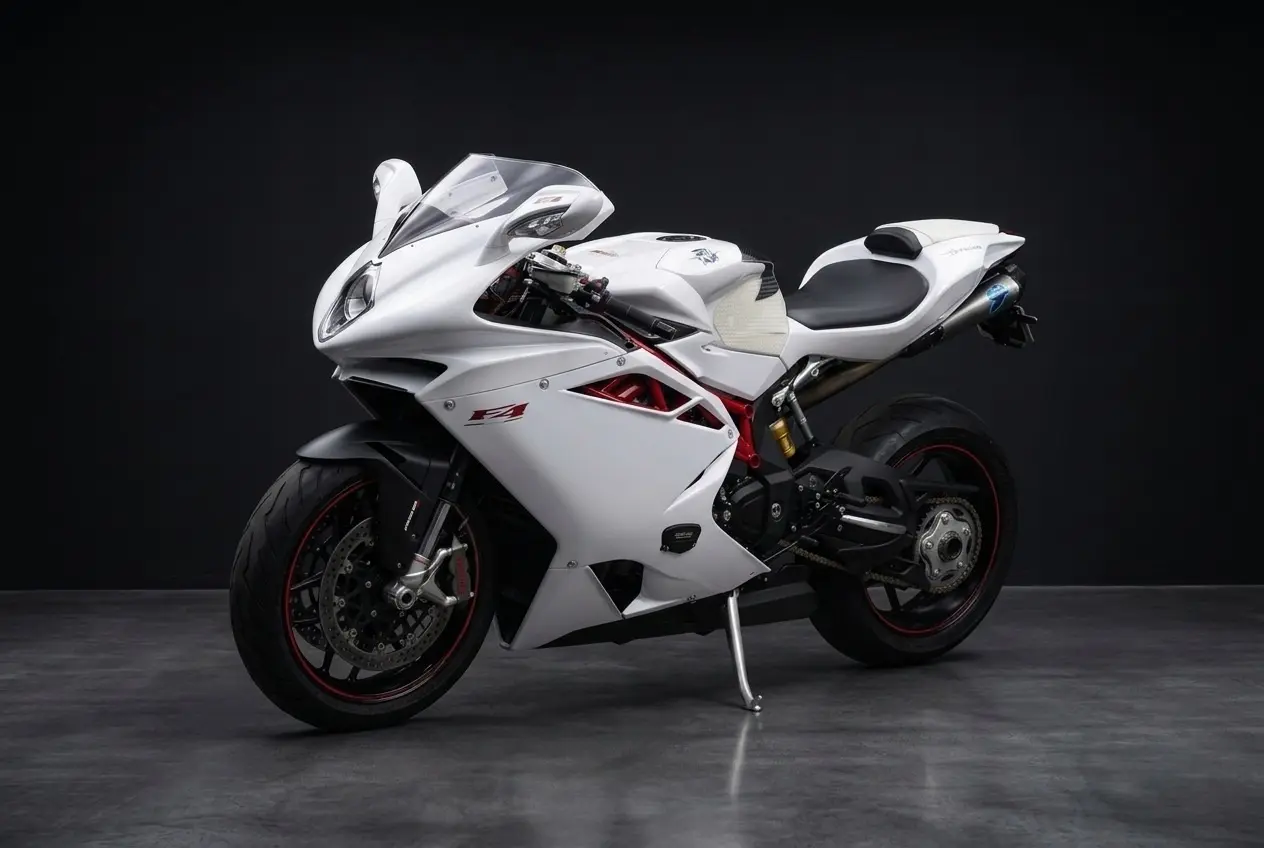
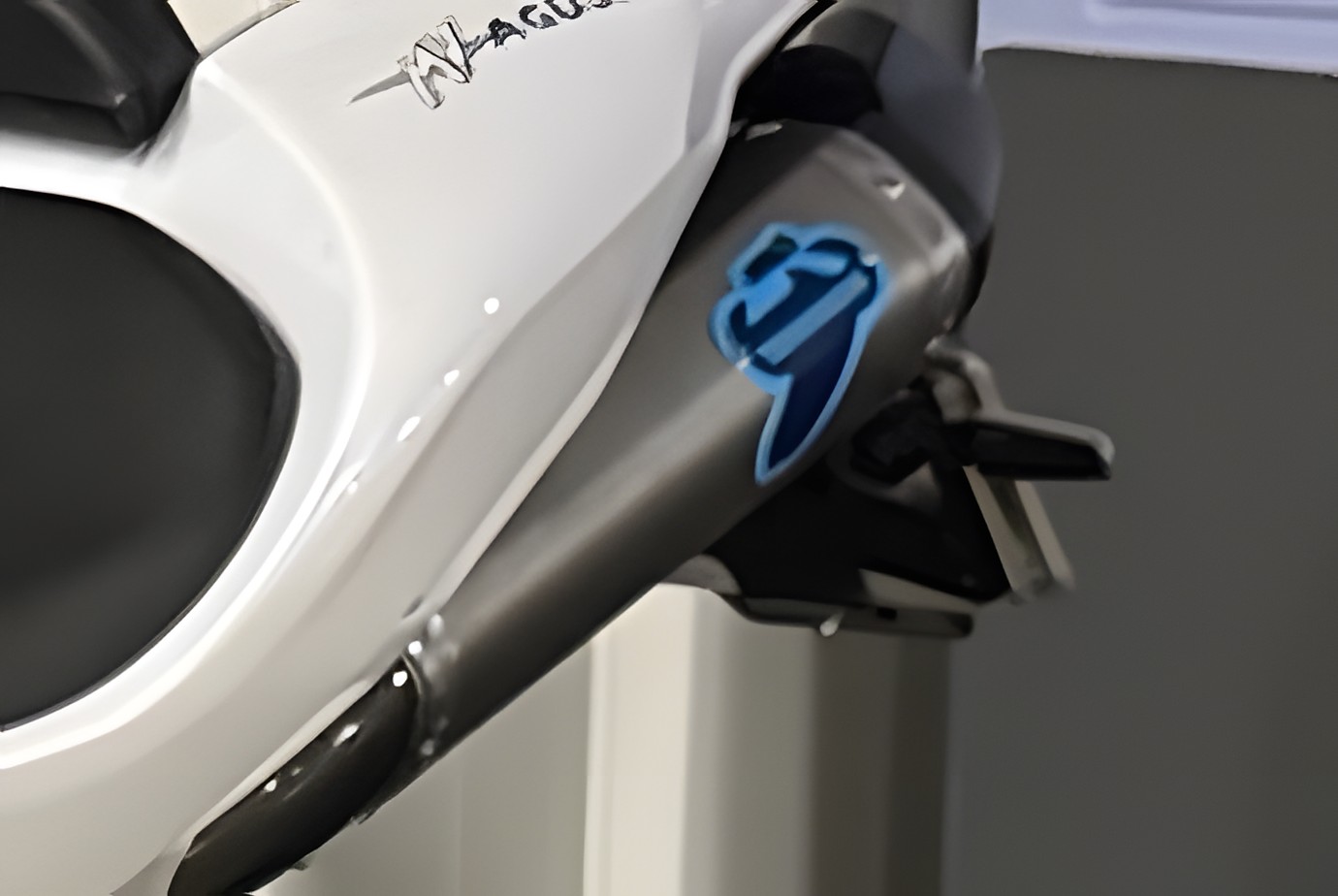
The MV Agusta F4 is at its best once the road opens up. The 998cc inline four pulls cleanly through the rev range, and the performance exhaust gives the bike a distinctive note that many riders enjoy. The pearl white finish with a red trellis frame makes the F4 a standout machine on any road.
That character is exactly why low-speed skill matters. A bike that responds keenly at speed rewards smooth inputs and punishes sudden, jerky ones at walking pace. The more comfortable you become with the clutch and the throttle at slow speed, the more you can enjoy the F4 when the road allows it.
If you prefer a bike that is more forgiving in town, the Yamaha MT-09 SP is a relaxed option with premium adjustable suspension and strong brakes. The Ducati 1199R is the choice for experienced riders on open roads. Match the bike to your confidence and the places you plan to ride.
Hire notes to plan around
Our bikes are self-drive, collected from our Parramatta base on a three day minimum. To ride, you need a full motorcycle licence held for at least three years and must be 25 or older for every bike. Where the bike is kept overnight, it must be in a locked garage or secure off-street parking between 9pm and 6am.
A three day hire gives you room to practise on the first day, ride on the second and enjoy a more relaxed third day. That structure suits riders who want to build their low-speed skills before heading onto busier roads. Plan your days so that you are not rushing from practice to traffic.
Be realistic about your current confidence. Low-speed handling on a large four is a skill that takes time, and there is no shame in asking our team for advice. If you feel unsure at any point, stop, take a break and reassess before continuing.
Before committing to the route, see what Transport for NSW says about closures and works.
Build the skill, then book your F4
Low-speed confidence turns a powerful machine into an enjoyable one. Spend time in a quiet car park, respect the cold start and keep your inputs gentle until the bike feels like an extension of your own body. Those hours pay off every time you ride into traffic, pull up at a junction or manoeuvre out of a tight space.
Check the weather, pack water and a warm layer, and tell someone your plans before you ride. Keep your phone charged and save our contact details before you leave. A calm, prepared approach keeps every practice session productive and safe.
When you are ready, use the Book Now option on the MV Agusta F4 page and bring your licence, your gear and a clear plan. We look forward to seeing you ride away from the depot with the confidence to enjoy one of the most characterful bikes on the road.
Frequently asked questions
Why does the F4 feel awkward at walking pace?
A big, powerful four is heavy relative to its speed, and its engine wants higher revs than slow traffic allows. Small mistakes with the clutch and throttle become more noticeable at low speed. Practise in a quiet car park, keep your inputs gentle and build the feel slowly. The awkwardness usually fades with time and repetition.
Is it safe to let the engine idle before I move off?
Yes, a short idle is sensible, especially on a cold morning. It lets the engine settle, lets you check the gauges and gives the oil time to circulate. Keep the idle brief rather than extended, and avoid holding the bike on the clutch at a standstill for long, since that generates heat.
What is the best way to start on a cold morning?
Allow the engine a short period to settle, then pull away with steady revs and a gentle clutch release. Expect the clutch to feel a little different until the bike warms. Take the first few kilometres slowly, look well ahead and avoid sharp throttle openings until the engine is running smoothly.
Where can I practise slow manoeuvres safely?
An empty car park with permission, a clean and level surface and no kerbs or drains nearby is ideal. Avoid shared paths unless they are signed for motorcycles, because many are for pedal cycles and pedestrians only. Set out simple markers, practise slow turns in both directions and keep sessions short.
Does the MV need a warm engine to run well?
It runs best once warm, with steadier idle and more predictable throttle response. Cold running can feel rougher, so give the engine time before asking for much from it. Once the bike is warm, the low-speed behaviour becomes smoother and the clutch engages more consistently.
Can I practise low-speed skills on the way to a ride?
It is better to practise in a dedicated, quiet place before you join traffic. Riding slowly through busy streets while still learning the bike adds pressure at the worst possible time. If you do need to ride slowly on a route, choose a quiet road, keep a generous gap and keep your concentration on the bike.
Ready when you are. Pick your dates and book the MV Agusta F4 online, or call us and we will sort it with you.
Book NowCall 0468 011 118