
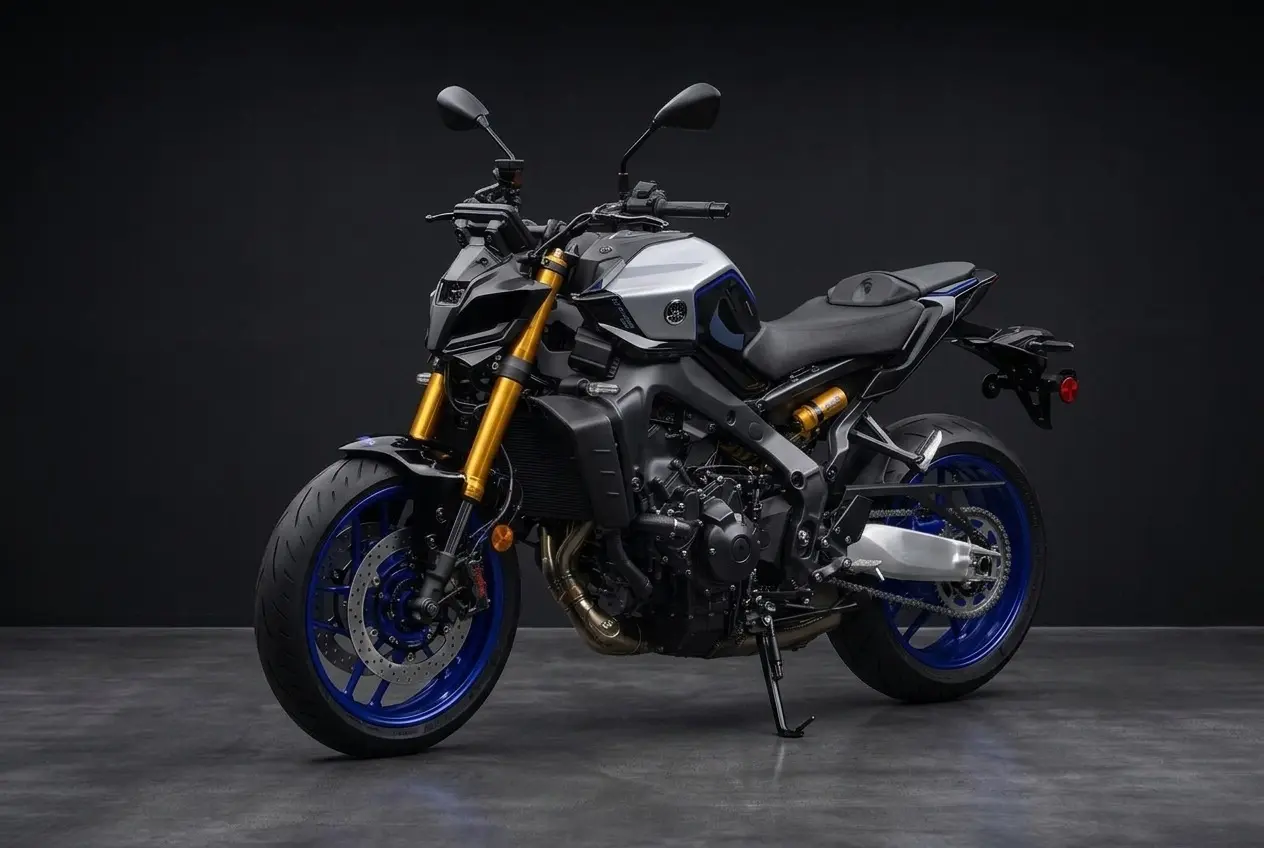
Book the Yamaha MT-09 SP. Pick your dates and book the Yamaha MT-09 SP online, or call us and we will sort it with you.
Book NowCall 0468 011 118The lagoon coast country around Taree has a quiet charm that changes with the calendar. In autumn the water is calm, the air is mild and the road feels like it belongs to the locals. Winter brings cooler mornings and clean light across the flats, while summer fills the beach towns with holiday traffic and warm afternoons. This guide looks at when the coast ride is at its best, what each season asks of the rider and how to choose the right window for your trip.
Still choosing a bike? Start with our guide to motorcycle hire in Sydney, which sets out the licence, age and pillion rules.
Why timing matters on the lagoon coast
The lagoon coast is shaped by water. Lakes, creeks and low-lying flats sit beside the road, and the moisture from these waterways affects the air and the surface throughout the year. A ride that feels pleasant in one season can feel quite different in another, so the calendar matters as much as the route.
Traffic is the second factor. Holiday periods bring caravans, families and visitors heading for the beaches, and the towns can become congested at weekends and during school holidays. A quieter month lets you focus on the road rather than the cars around you.
Weather completes the picture. Morning mist, afternoon wind and occasional sudden showers all influence how a day unfolds. Knowing what each season typically brings helps you pick a window that suits your skill and your plans.
Autumn: mild air and calm water
Autumn is often the most comfortable time to ride the lagoon coast. The temperatures are mild, the water is still warm enough to make the view inviting and the traffic eases once the summer holidays have finished. The mornings can carry a fresh chill, but the afternoons tend to be pleasant for a relaxed run.
The road in autumn can carry leaf litter at the edges and damp patches where the morning dew lingers in the shade. Look for these changes, particularly around the drainage points and the shaded sections near the water, and keep your inputs smooth through them.
Autumn also brings clearer air, which makes the distant lagoon and the tree line stand out. Keep your visor clean, because the low sun can create glare when it lights the water at the right angle.
Winter: cool mornings and clean light
Winter on the lagoon coast is mild by southern standards, but the mornings can be cold and damp, particularly in the low ground near the lakes. The light is often clean and bright, and the view across the flats can be spectacular once the mist lifts. Quiet roads make winter an attractive time for a rider who is comfortable in cooler weather.
Frost is rare on the coast itself, though the wind coming off the water can feel sharp. Dress in layers, warm your hands before you leave and allow the bike to settle through the first kilometres. The surface may hold moisture in the shade long after the open sections have dried.
Winter weekdays are the quietest time to ride. A steady pace, regular stops and a warm lunch make the most of the short days, and you should plan the return before the light fades.
Summer: holiday traffic and warm afternoons
Summer brings the most energy to the coast. Beaches fill with holiday makers, the towns buzz and the roads carry a heavy load of cars, caravans and cyclists. Warm afternoons are pleasant on the beach, but they can make the ride uncomfortable in the middle of the day.
The best summer plan is to ride early in the morning or late in the afternoon when the traffic is lighter. Be aware that the late afternoon can bring afternoon storms in the hinterland, and the surface can become slippery when the first rain falls on hot tarmac.
Keep your speed low through beach towns, because visitors may step onto the road or pull out from parking spots without warning. Patience is the most useful tool during a summer holiday ride.
The quiet months and the road character
Between the peaks, the lagoon coast reveals its most relaxed character. Gentle sweepers, long views across the water and small villages make for an easy, rewarding ride. Choose the quieter months if you want to enjoy the scenery without the bustle of the holiday crowds.
The roads are generally sealed and well used by local traffic, including farm vehicles and delivery trucks on some stretches. Keep an eye on the edges of the road where gravel or leaves can gather, and give heavier vehicles a generous margin.
Riders should check road conditions with Transport for NSW before leaving, because roadworks and closures can change the route without much notice.
Wildlife at dawn and dusk
Wildlife is active on the lagoon coast in the cool hours, and kangaroos, wallabies and birds may move near the verges and the water. Dawn and dusk are the most active periods, so slow down and keep scanning the edges of the road when the light is low.
Birds take flight from the water's edge without much warning, and their movement can be a sign that something else is nearby. Treat sudden movement near the road as a reason to ease off, and keep your eyes moving between the verge and the road ahead.
Plan your ride so you are on the main roads before the light fades. Riding in the fading light is harder for you to see animals and for drivers to see you.
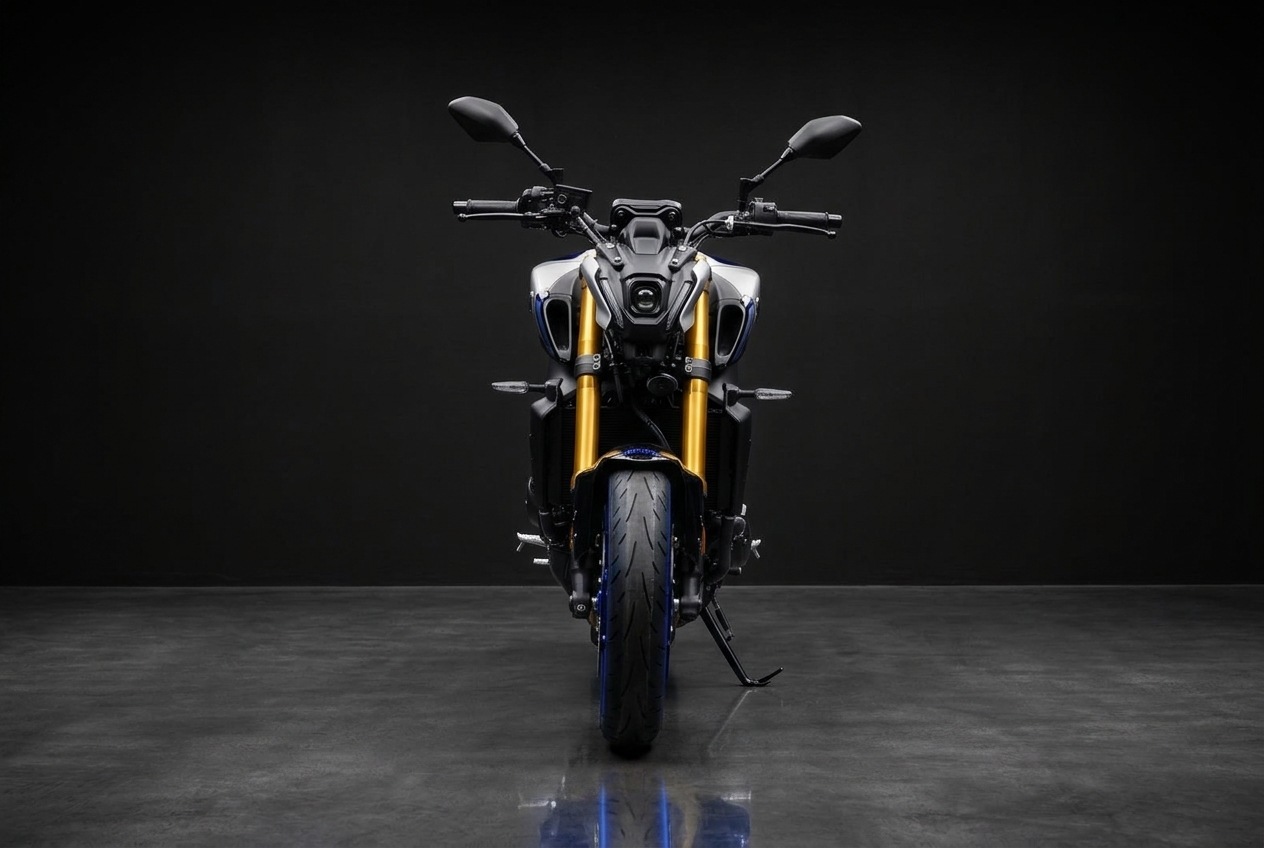
Want the Yamaha MT-09 SP for your date? Pick your dates and book the Yamaha MT-09 SP online, or call us and we will sort it with you.
Book NowCall 0468 011 118Planning a two-day coast loop
A three-day stay gives you the chance to spread the lagoon coast over two comfortable rides, which is often more enjoyable than a single long day. Use the first day for a relaxed run out from Taree, with a lunch stop by the water and time to watch the light change across the lake. Save the second day for a slightly longer loop, once you have settled into the rhythm of the road and the bike feels familiar.
Choose your overnight base with the season in mind. In summer, a base close to the beach means you can ride early before the traffic builds, and in winter a base inland may offer more shelter from the sea wind. Think about where you can park the bike securely at the end of each day, since the rules on overnight storage apply throughout the trip.
Keep a flexible plan for the weather. If the second morning is cold or wet, a shorter loop or a rest day in town is a sensible choice. Riders who build a little slack into the schedule tend to enjoy the coast more and feel less pressure to ride when conditions are poor.
Finally, keep a simple note of what each day taught you. Perhaps the morning mist sat longer than expected, or the holiday traffic was lighter on the Tuesday than the Saturday. Those observations make your next visit to the lagoon coast even easier to plan, and they turn a single trip into a useful guide for the seasons ahead.
Fuel, food and the stops along the coast
Fuel stops are straightforward in the towns around Taree and Old Bar, though the gaps between them can be longer on the quieter stretches. Top up before you leave and keep a margin in the tank for detours or unexpected delays.
Food stops are easy to find in the towns, with cafes and bakeries that suit a relaxed lunch. In summer, arrive early to find a parking spot, and in winter, choose a sheltered table near a window so you can enjoy the view while you warm up.
Keep stops short when the traffic is heavy. A brief pause to stretch and check the bike is enough to keep you alert for the next leg.
Gear for the seasons on the coast
Gear should suit the season you ride in. In autumn and winter, a jacket with wind protection, a warm base layer and gloves for the chill make the ride comfortable. In summer, a ventilated jacket with armour, a light waterproof for sudden showers and boots that cover the ankle are the practical choices.
A visor with good anti-fog and glare control makes a difference across all seasons. Keep it clean, carry a microfibre cloth and check your visibility before each stop.
Hydration and sun protection matter on warm days. Drink water regularly and wear a helmet that keeps your head comfortable in the heat.
The Yamaha MT-09 SP on the lagoon coast
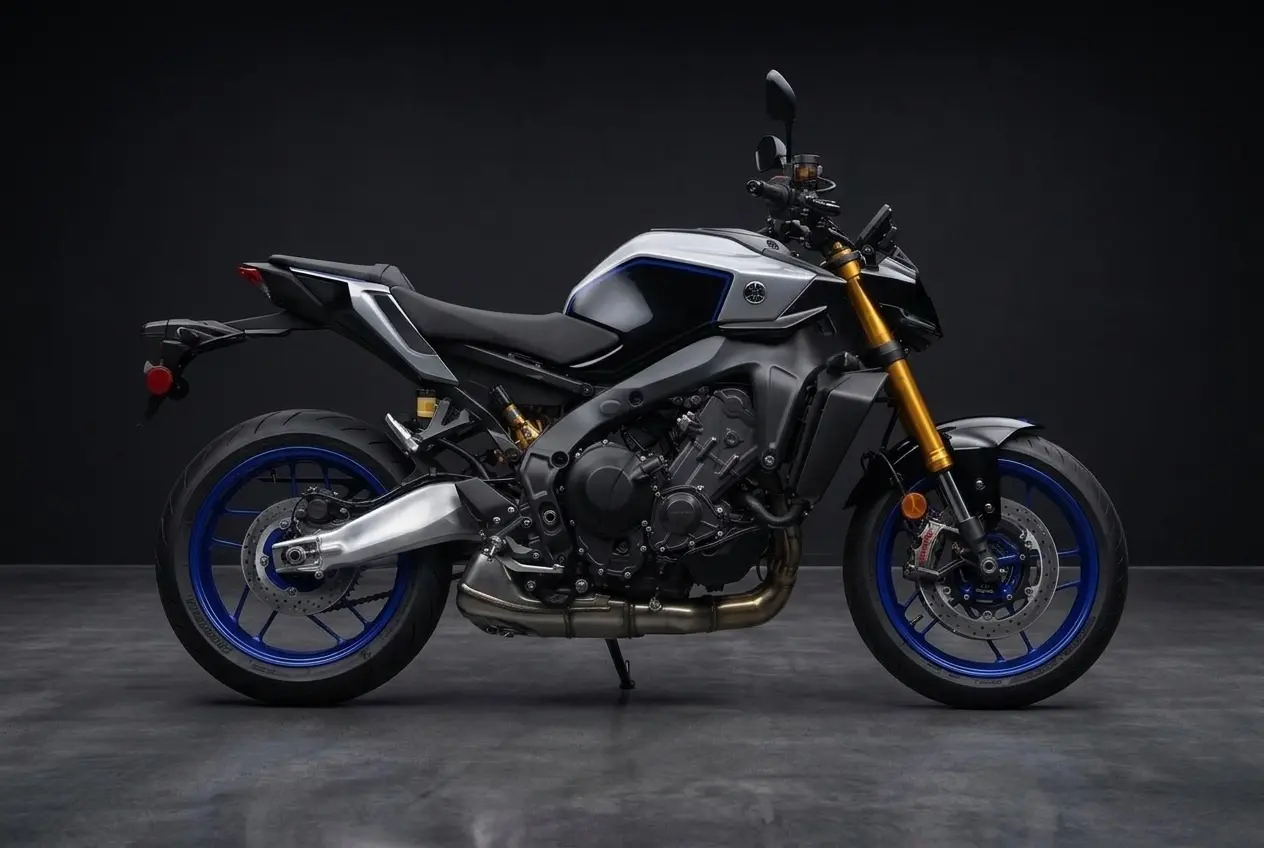
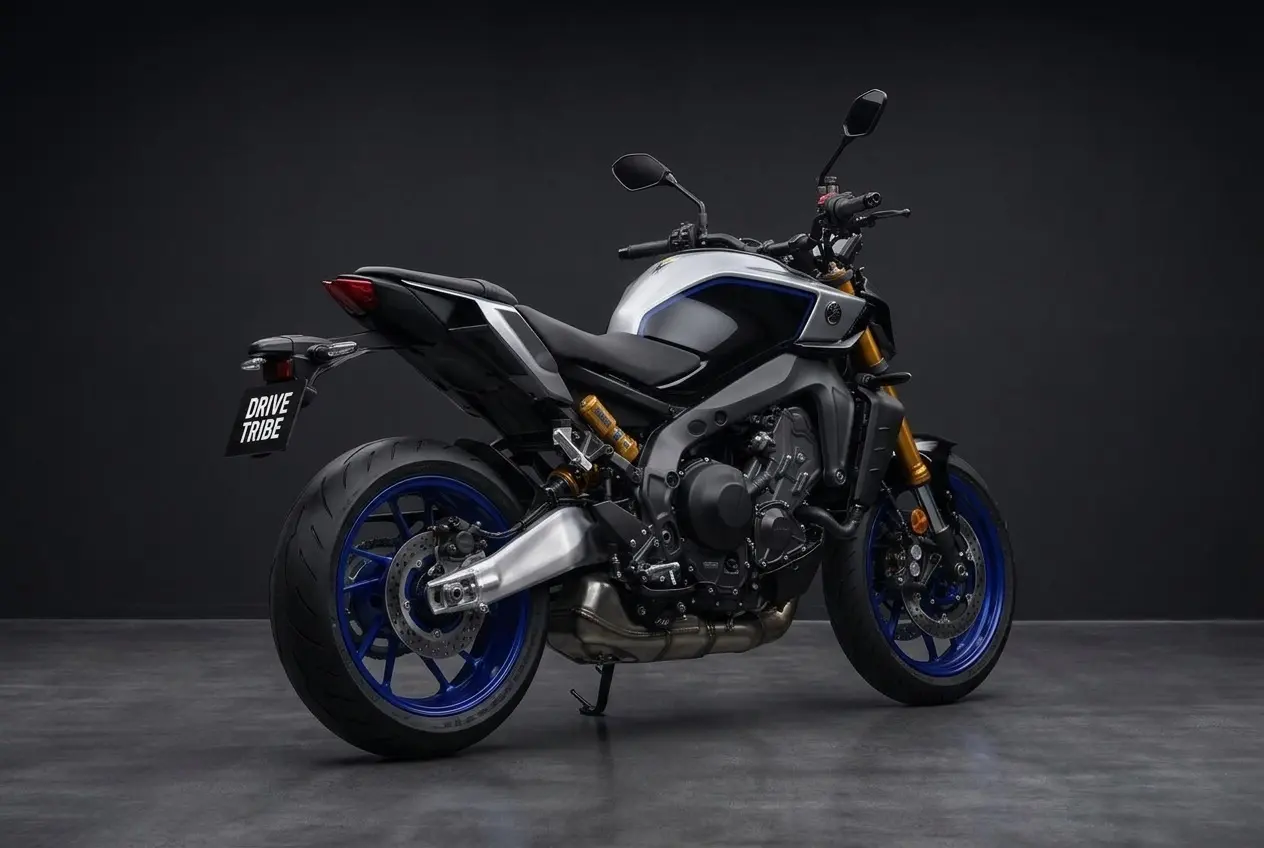
The Yamaha MT-09 SP is a performance naked bike with an inline three engine, premium adjustable suspension, gold front forks and strong brakes. Its brakes give a firm stop for the coastal traffic, and its adjustable suspension lets you tune the bike to the road surface you find on each stretch. It suits a rider who enjoys the feedback of a responsive machine.
Hire terms are simple to plan around. You ride the bike yourself after collecting it from Parramatta, and you commit to at least three days on the road. Your licence must be a full motorcycle licence that has been held for three years or longer, and you must be 25 or older. Bikes must be kept in a locked garage or secure off-street parking between 9pm and 6am, and trackers are fitted to every bike.
When you have chosen your season, book the Yamaha MT-09 SP and plan your lagoon coast ride. The full fleet page lists the other bikes if you want to compare them.
Frequently asked questions
What is the best month to ride the lagoon coast?
Autumn and late winter often give the best balance of mild weather, calm water and quieter roads. Autumn offers warm days and cool mornings, while late winter brings clear light across the flats. Avoid peak holiday weeks if you want quiet roads, and check the forecast on the day you plan to ride.
Are the summer beach towns busy?
Yes, especially at weekends and during school holidays. Visitors, caravans and cyclists share the roads, and parking can be tight. Ride early or late in the day to avoid the heaviest traffic, keep your speed low through the towns and give pedestrians plenty of room.
Is the lagoon coast road suitable for a first long ride?
It can be a good choice, because the roads are mostly sealed, the corners are generally open and the traffic is lighter outside holiday times. Build your confidence gradually, watch for leaves and damp patches and ride within your ability. Turn back early if conditions look uncertain.
How cold does it get on winter mornings near the lagoon?
Winter mornings can be cool and damp in the low ground, while the coast itself is usually milder. Frost is uncommon near the water, but a sharp breeze can make the air feel colder than the thermometer suggests. Dress in layers and let the bike and yourself warm up before you ride faster.
Should I worry about afternoon storms in summer?
Afternoon storms can develop in the hinterland during summer, and they can bring slippery roads when the first rain falls on hot tarmac. Plan your ride to finish before the afternoon storms build, and wait somewhere safe if one approaches. Check the forecast before you leave.
What should I do if I see a kangaroo near the road?
Slow down immediately, cover the brakes and keep the bike upright. Animals often travel in groups, so expect more than one. Avoid swerving sharply, because a sudden change of direction can be more dangerous than a controlled stop. Keep your eyes on the animal and the road until you are clear of the area.
Ready when you are. Pick your dates and book the Yamaha MT-09 SP online, or call us and we will sort it with you.
Book NowCall 0468 011 118