

Book the Rolls-Royce Phantom with a chauffeur. Send us the date, the times and where you are going, and we will confirm the Rolls-Royce Phantom for your night.
Book NowCall 0468 011 118Sydney is wide, and a formal committee can be spread across more of it than anyone expects. Members may live on opposite sides of the city, commute in different directions and have no shared route home. Turning that spread into one calm, on time evening takes a clear plan. This guide walks a Sydney committee through the decisions that matter most, from the first pickup to the closing photo.
Mapping where the committee actually lives
The first job is to see where people actually live. A committee list gives names, but it does not show the distance between homes, the sensible roads between them or whether two families are close neighbours. Ask each member for a general area rather than a full address at this stage, so the map can be drawn without sharing private details more widely than necessary.
Once the areas are marked, look for natural clusters. Two or three groups often emerge, each with a sensible run to the venue. Clusters make it easier to plan a route that feels fair, because nobody is asked to travel a long way out of their way while another member has a short ride from home.
Keep the map simple. A sketch on a shared page, with pins or labels, is enough. The aim is a picture the whole committee can read in a minute, and that picture becomes the foundation for the timetable and the choice of vehicle that follow.
Choosing a pickup order that works across the city
Pickup order decides how long the night takes. Some committees start with the closest cluster and finish with the furthest, while others do it the other way around. The better choice depends on the traffic at that hour and where the venue sits relative to each cluster, so test both options against the clock before settling on one.
Build the timetable from the venue backwards. Set the arrival time, then add the time needed for each leg and a buffer for the roads. A timetable that works on a calm Sunday morning may not work on a Friday evening, so check it at the time of day the formal will actually run rather than at a quieter hour.
Give the driver the final order in writing, with a note on any access points that differ from the usual. Our chauffeur planner lets the committee set the stops in order and send them together, which keeps the request clear and the timings visible to everyone who needs them on the night.

Peak hour traffic and the committee timetable
Peak hours are the quiet enemy of a formal timetable. Roads that carry commuters in the late afternoon can slow sharply, and a route that crosses several busy corridors can take far longer than the distance suggests. Committees should plan the pickup window around the hour the traffic peaks, not around the time printed on the invitation.
A sensible approach is to split the timetable into two parts. The pickups happen in the busiest traffic, so they need the widest window, while the run to the venue may need a smaller margin once the group is together. Give the pickups more room than feels necessary, since a single delay early on can ripple through every stop that follows.
Ask the driver to check the approach on the day and to share any change early. A driver who can see the traffic can move the order of stops or adjust the route without the committee needing to make a series of calls. Trust the professional on the road, and keep the committee's energy for the event itself.
One vehicle or several
Deciding between one vehicle and several is one of the biggest choices a committee makes. One vehicle keeps the group together and gives a single timetable to manage. Several vehicles can suit a committee that is spread across distant areas, but they bring more coordination, more handovers and more chances for one car to fall behind the others.
Think about the photos as well. A single vehicle creates one arrival that the whole committee can share, while several cars arriving at different moments can break the momentum of the entrance. The committee should decide early what the arrival should look like, and then choose the transport that delivers it.
If you are leaning towards one vehicle, the Mercedes-Benz Sprinter 415 CDI Minibus is a practical option for larger groups, and its details are set out later in this guide. Check the luggage and the pickup order against the brief before you decide, so the vehicle fits the plan rather than forcing the plan to change.
Chauffeur rules and the rules for younger riders
Chauffeur rules are not a detail to leave until the end. Students under 18 always travel chauffeured, which means one of our drivers is at the wheel and the students ride as passengers. Self-drive is open only to adults, and each car has its own minimum driver age shown on its page, so no committee should plan a trip around a student driving.
No alcohol is permitted for anyone under 18 in any of our vehicles, and the school's own formal rules apply to the whole trip. A committee should put these points in writing and share them with families, so the expectations are clear before anyone steps into a car on the night.
Adults who ride along should appear on the rider list, so the driver knows who is on board at every stop. They should also be briefed on the same expectations as the students, including arrival, conduct and the return arrangements. A short briefing sheet is an easy way to make that happen without a long meeting.
Getting staff and parents on board early
Staff and parents bring experience to a committee, and their support makes the transport plan stronger. Bring them in early, while the brief is still open, so their concerns can shape the plan rather than arriving as objections after the booking is made. A short briefing that answers the key questions is usually more effective than a long document.
Name a single point of contact for parents who have questions about the transport. Ask that person to keep the answers consistent, so families hear the same details whether they ask a teacher, a committee member or another parent. Consistent answers build trust and reduce the number of follow up calls the committee has to handle.
Share the final plan with parents a few days before the formal, including the pickup window, the return arrangements and how the shared budget is split. A clear note removes most of the worry that surrounds a big night, and it lets families plan their own evening with confidence that the transport is sorted.
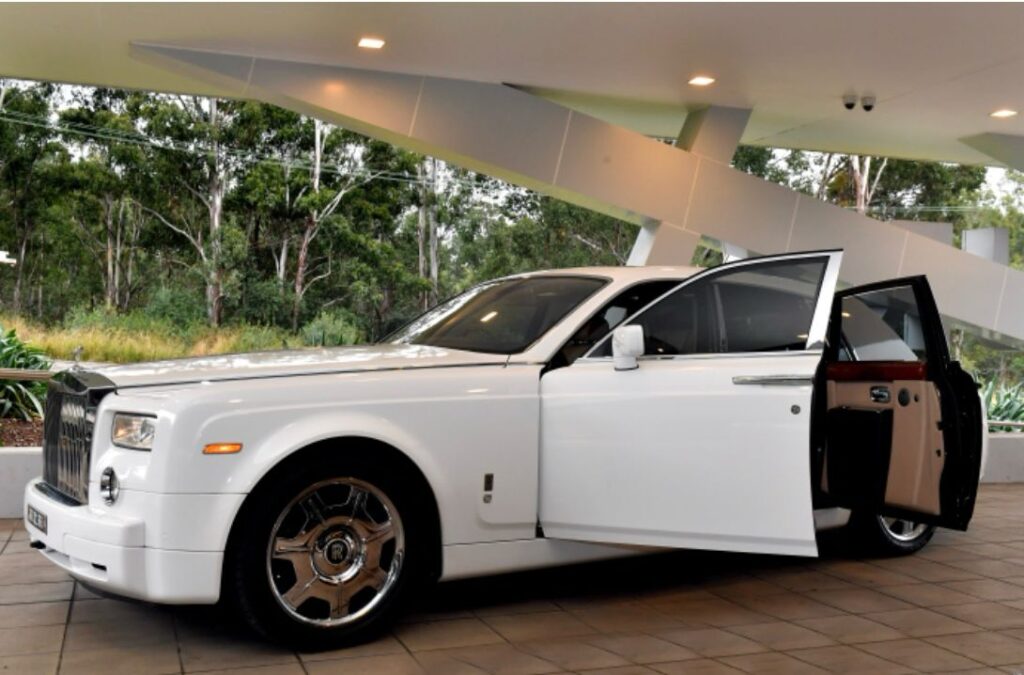
Want the Rolls-Royce Phantom for your date? Send us the date, the times and where you are going, and we will confirm the Rolls-Royce Phantom for your night.
Book NowCall 0468 011 118Weather and the committee's back up plan
Sydney weather can turn quickly in the warmer months, and a committee should have a plan for rain, wind and heat. A sudden shower can make a photo stop unpleasant, and a hot afternoon can wilt the outfits before anyone reaches the venue. Build a short back up plan with the driver and agree on what changes if the conditions do.
Decide in advance which photo locations have shelter and which do not. A covered spot near the entrance or a short walk from the car can save the evening if the sky clouds over. The driver can help by suggesting a sheltered place to wait, so the group is not left standing in the rain on the footpath with the photos still to take.
Keep a basic kit for the group: umbrellas, tissues, a small first aid pack and water. These are simple items, and they make a real difference when something unexpected happens. A committee that thinks about the weather early tends to have a far calmer night, because the answers are already in the plan.
Signing off the plan before the night
Before anything is confirmed, the plan should be signed off by the people responsible for the event. That usually means the committee, the staff adviser and, where the school requires it, the principal's office. Sign off protects the committee, and it gives the transport plan the same standing as every other part of the formal.
Put the plan on one page: the rider list, the vehicle, the pickup order, the arrival and return times, the chauffeur arrangements and the contact details. A single page is easy to approve, easy to share and easy to check on the night. Keep a dated copy so that any question can be answered quickly.
Once the sign off is complete, confirm the booking in writing and send a copy to the committee. Note the date of confirmation, the name of the person who made the booking and any changes agreed along the way. A clear record makes it simple to answer questions after the event and closes the planning stage neatly.
A Sydney committee checklist
Use this checklist to test the plan against the realities of a Sydney formal before it is confirmed. Each point is quick to check, and together they cover the issues committees most often discover too late, usually when the car is already due at the kerb.
Keep the checklist with the one page plan so both are easy to find. Many committees tick the items off across several meetings rather than in a single rush, which leaves time to resolve anything that needs a second look before the date arrives.
The goal is a plan that works on the night, not just on paper. Checking the route at the right hour, the rider list against the vehicle and the weather against the photos turns a good idea into a dependable evening. A committee that does this work early earns the calm it deserves on the day.
- Map the general areas where committee members and riders live.
- Test the pickup order at the hour the formal will actually run.
- Confirm the arrival time, the return time and the venue entrance.
- Check that every student under 18 is booked on a chauffeured trip.
- Add any staff or parents travelling to the rider list.
- Agree a weather plan and a sheltered spot for photos.
Closing the committee plan with the featured Sprinter
Once the plan is signed off, the final decision is the vehicle that brings the committee together. The right choice is the one that suits the rider list, the pickup order and the arrival the committee has pictured. Choose it last, after the logistics are settled, so the vehicle supports the plan rather than dictating it.
Our featured car for Sydney committee transport is the Mercedes-Benz Sprinter 415 CDI Minibus. It is chauffeured only, which keeps every student a passenger, and it suits groups who want to travel together from the first pickup to the final drop. The car page sets out the details, and the driver can talk through the plan with the committee's contact.
Browse the fleet page to compare the other vehicles, then send your pickup plan through the chauffeur planner. Before the committee confirms the night, we invite you to look at our featured Mercedes-Benz Sprinter 415 CDI Minibus as the vehicle that brings the whole committee to the door together.

Frequently asked questions
How do we handle members who live on opposite sides of the city?
Map the general areas first, then look for clusters that make a sensible run to the venue. Test two or three pickup orders against the clock at the hour the formal will run. Our chauffeur planner lets you set the stops in order and send them as one request, so the driver can see the whole route and suggest the best approach.
Should the committee use one vehicle or several in Sydney?
One vehicle keeps the group together and gives a single timetable, which suits most committees. Several vehicles can work when the members are spread far apart, but they need more coordination and more handovers. Decide what the arrival should look like first, then choose the number of vehicles that delivers it without adding unnecessary complexity.
What time of day should we test the route?
Test it at the hour the formal will actually run, not at a quiet time that flatters the plan. Peak hour traffic can change the timing considerably, especially on the crossings and the main roads into the city. Ask the driver to check the approach on the day as well, since they can see live conditions and adjust.
Who signs off the transport plan for a school committee?
The committee should sign off the plan first, with the staff adviser following. Where the school requires it, the principal's office may also need to approve the arrangements. Put the plan on one page, including the rider list, the vehicle, the pickup order and the contact details, so the approvers can review it quickly and clearly.
Can parents or staff ride along in the vehicle?
Yes, if they are part of the plan. Add them to the rider list so the driver knows who is on board at each stop. They should also be briefed on the same expectations as the students, including arrival, conduct and the return arrangements. A short briefing sheet makes this simple without requiring a long meeting.
What if the weather turns on the night?
Agree a back up plan with the driver before the night. Choose photo spots with shelter where possible, and keep umbrellas, tissues and water in the vehicle. The driver can suggest a sheltered place to wait if the conditions change, so the group is not left standing in the rain while the schedule slips away.
Ready when you are. Send us the date, the times and where you are going, and we will confirm the Rolls-Royce Phantom for your night.
Book NowCall 0468 011 118Want a car nobody else will arrive in? See the Private Signature Collection: rare chauffeured wedding and formal cars, by appointment.