
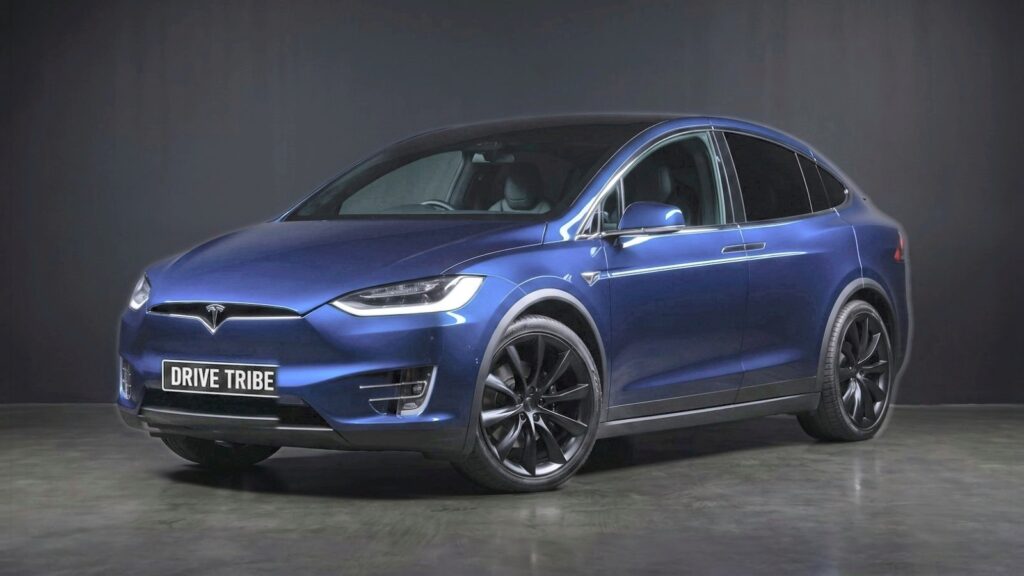
Book the Tesla Model X P100D 2017. Pick your dates and book the Tesla Model X P100D 2017 online, or call us and we will sort it with you.
Book NowCall 0468 011 118Few cars split an enthusiast room quite like the Porsche Taycan. Ask a car lover about it and you will hear about the silent acceleration and the way the chassis settles through a fast sweeper. Ask an owner and you will hear about charging plans, tyre wear and the strange, pleasant feeling of driving a car that never needs an oil change. The Turbo S sits at the top of the range, and owning one in Australia means living with its strengths and quirks every day. This article looks at that ownership reality in general terms.
Why the Taycan Turbo S draws a crowd
The Taycan carries a particular kind of weight in Australian car circles. It was among the first fully electric cars from a traditional performance brand to be taken seriously by people who grew up loving engines, gearboxes and the howl of a naturally aspirated engine climbing towards redline. The Turbo S is the most focused version of the family, so its appeal rests on a clear promise: serious performance delivered without a single combustion cylinder. For many buyers that promise is the whole point.
Part of the fascination is how the car arrives in the conversation. People ask about the acceleration before they ask about the seats, and the first question is almost always whether an electric car can feel as engaging as a petrol sports car. The honest answer depends on what you value. The Taycan offers a low centre of gravity, very quick responses and a chassis that feels planted through corners, yet its character is quieter and more instant than anything with a combustion engine.
Owners often describe a second layer of appeal: the design. The Taycan's profile carries clear Porsche DNA, while the four-door body and wide stance give it a presence that suits city streets and coastal runs alike. The interior is built around the driver, with screens that can feel dense at first but a driving position that feels deliberate. That mix of recognisable Porsche touches and genuinely new engineering is what keeps people coming back long after the first test drive.
Living with an electric Porsche day to day
Day to day, the Taycan feels less like a special occasion car and more like a very capable sedan that happens to be extraordinarily quick when asked. Pulling away from the lights is smooth and silent, and the ride can be set firmer or softer depending on the road. Owners tend to find the routine changes quickly: no fuel stops, no oil checks, and a dashboard that shows remaining range in plain figures rather than the guesswork of a fuel gauge.
The practical side deserves honest attention. Luggage space suits a couple and a weekend away, and many families find it handles a few bags and a pram, though a larger load may call for a different vehicle. In some body styles the sloping roofline can limit rear headroom, so taller passengers should sit in the back before committing to a long trip. Owners who regularly carry bulky sporting gear usually plan their journeys around that space.
Cabin comfort is a genuine strength. The seats hold you well through fast corners, and the cabin is quiet enough that conversation stays easy at highway speed. Wind noise and tyre roar still exist, as in any car, and the suspension can make low-speed bumps on older city streets noticeable. None of this is a dealbreaker, but it is worth knowing before you choose a car for long daily commutes or a family road trip.

Charging at home, at work and on the road
Charging is the topic that separates the Taycan conversation from the petrol one. Most owners do the bulk of their charging at home overnight, using a wall unit installed by a licensed electrician. A home setup means the car starts each day with a full battery and removes the weekly trip to a service station. The installation is a one-off job, but it needs planning around switchboard capacity, where the car is parked and any body corporate rules.
Public fast charging is a different experience. High-output stations can add a large amount of range in a short stop, which suits road trips well, although charging speed drops as the battery fills and varies with temperature. Owners learn to plan stops around a coffee or lunch rather than relying on a quick top-up. The car's own navigation can show station locations, but availability and reliability differ from place to place, so checking ahead is wise.
Workplace and apartment charging is improving but still uneven. Many buildings in Sydney have limited parking power, so anyone living in a unit should confirm what is possible before committing to the car. Hotels and shopping centres increasingly offer chargers, which helps on day trips, though a charger shared between many users may not be free when you arrive. Patience and a flexible plan go a long way.
A sensible charging routine usually mixes three sources: home charging for daily needs, fast public chargers for longer journeys, and slower destination chargers when the car is parked for hours. Once that rhythm settles in, most owners find the car needs far less attention than they expected, and charging becomes one of the quiet pleasures of ownership rather than a source of stress.
Australian roads, distances and the everyday test
Australia asks a lot of any car. Long highway distances between regional towns, variable road surfaces and hot summers all test a vehicle in ways that inner-city driving never reveals. The Taycan handles these conditions with confidence, although its climate system and battery management work hardest in extreme heat. Owners who drive long distances in summer often precondition the cabin while the car is still plugged in, which keeps the battery working efficiently.
Sydney traffic is its own challenge. Stop-start driving is kind to electric cars because regenerative braking recovers energy when slowing, which is one of the quiet joys of living with a battery vehicle. Tight parking, narrow residential streets and steep driveways demand more care, and the low nose and wide wheels mean kerbs and speed humps need attention. A slow, deliberate approach makes city life far more relaxed.
Long weekend drives along the coast or into the hills show the Taycan at its most relaxed. Planned charging stops and a steady pace make the trip feel effortless, while a spirited run on a winding road shows what the chassis can do. Owners who treat these drives as occasions often end up loving the car most in these moments, when the road is open and the only sound is the tyres and the wind.
Servicing, tyres and the maintenance picture
One of the most persuasive arguments for an electric Porsche is what it does not need. There are no oil changes, no spark plugs, no timing belts and no exhaust system to rust. Routine maintenance focuses on brakes, cabin filters, suspension checks, battery cooling fluid and tyres. Because regenerative braking does much of the slowing, brake pads can last far longer than on a petrol car, although the discs still need regular inspection.
Tyres deserve particular attention. The Taycan is heavy and quick, so tyre wear, especially at the rear, can be faster than owners expect. Performance tyres wear quickly under hard use, and replacing them is a planning item rather than a surprise. Owners often keep a simple record of tread depth and book replacements ahead of time, so a set does not arrive as an emergency on a busy week.
Servicing a high-performance electric car should be done by technicians familiar with its high-voltage system and software. Keep the service history complete, because a documented record helps at resale and makes warranty questions easier to settle. Owners who buy used should ask for every invoice and check that software updates were applied at the right times. A tidy file is one of the best things a Taycan can come with.
Insurance and the paperwork that comes with a performance EV
Insurance is one of the least glamorous parts of ownership and one of the most important. A high-performance electric car is valuable, specialised and expensive to repair, so insurers look closely at the vehicle, the driver and where the car is kept. Owners should expect questions about parking, annual distance, modifications and whether the car is used for business, and should answer every one accurately, because a small error can complicate a claim.
Repair work is where specialisation matters most. Body panels, sensors and battery-related components often need specialist facilities, and some repairers are better equipped for this than others. Before buying, it is worth asking an insurer or broker which repairer network they use and how long a typical claim takes. A long wait for a specialised part can leave a car off the road for weeks, which matters far more than most buyers expect.
Policy wording differs widely, so read the excess, glass cover, tyre cover and any charging equipment exclusions carefully. Some owners add cover for their home charger and cable, while others prefer to rely on the car's own protection. Comparing policies every year and asking the same questions each time helps you keep the car properly protected without paying for cover you do not need, and it gives you a clear picture before a claim ever happens.
Want the Tesla Model X P100D 2017 for your date? Pick your dates and book the Tesla Model X P100D 2017 online, or call us and we will sort it with you.
Book NowCall 0468 011 118Resale, depreciation and how owners think about the long term
Resale is where many buyers hesitate. Electric performance cars have been through fast changes in value, and battery health, software versions and the wider used market all influence what a car is worth later. Rather than guessing at the future, owners should look at the evidence: how many similar cars are for sale, how long they stay listed and what condition their batteries are in.
Battery health deserves a clear record. Buyers now ask for diagnostic reports, and a documented battery state gives both seller and buyer confidence. Keeping the car charged in moderate ranges, avoiding long periods at full charge while parked and using preconditioning sensibly all help. None of these habits is complicated, but together they show a car that has been looked after from the first day.
Long-term owners tend to think about the Taycan as a relationship rather than a transaction. They plan a few years ahead, keep software current and notice how their charging habits evolve with their routines. For buyers who expect to keep a car for many years, the right question is not only what it will be worth later but how much enjoyment it will deliver across that time, and whether the car still feels special on an ordinary Tuesday.
How few there are, and what that means on the road
A Taycan Turbo S is a rare sight in most Australian suburbs, and that rarity shapes ownership in small ways. Owners notice when another one passes, and conversations at the charging bay often turn to the car itself. Scarcity brings a sense of shared interest, though it also means fewer people nearby to ask for advice when something unusual happens. Owner groups and specialist workshops become valuable sources of knowledge.
Rarity also affects parts and expertise. Not every workshop works confidently on high-voltage systems, and a car with an unusual fault may wait for the right technician or a part to arrive. Owners who value independence often seek out specialists who can diagnose faults and advise on repairs, rather than relying on a single dealership for every question. Building that network early saves stress later.
For the wider community, the presence of a small number of premium electric cars says something about how the market is changing. Buyers are looking for quick, quiet, well-built vehicles, and manufacturers are responding with ideas that would have seemed unlikely a decade ago. The Taycan shows that a performance car can be electric without losing the emotional pull that made the category so appealing in the first place.
Driving one versus owning one: the difference that matters
A test drive is a brief moment, while ownership is a long series of ordinary days. The Taycan impresses on a short drive, with sharp steering and an immediate response to the accelerator. Ownership asks different questions: how the car behaves in traffic, how it handles a wet school run, and how you feel about plugging it in every night. Those answers often matter more than the first thrill, and they are worth testing before any decision.
Many owners say the surprise is how quickly the car becomes normal. The silent launch stops feeling strange, the absence of engine noise becomes restful, and planning a trip around charging becomes routine. Others miss the sound and ritual of petrol cars and keep one for weekends. Both reactions are valid, and it helps to know which one fits your life before you commit to anything.
If you are weighing a Taycan against a petrol performance car, make a list of the trips you take most often, the parking you have and how you would feel about a longer charge on a Sunday evening. A realistic picture of daily life is far more useful than any headline, and it is the best way to decide whether the car will reward you week after week.
Experiencing something similar in Sydney
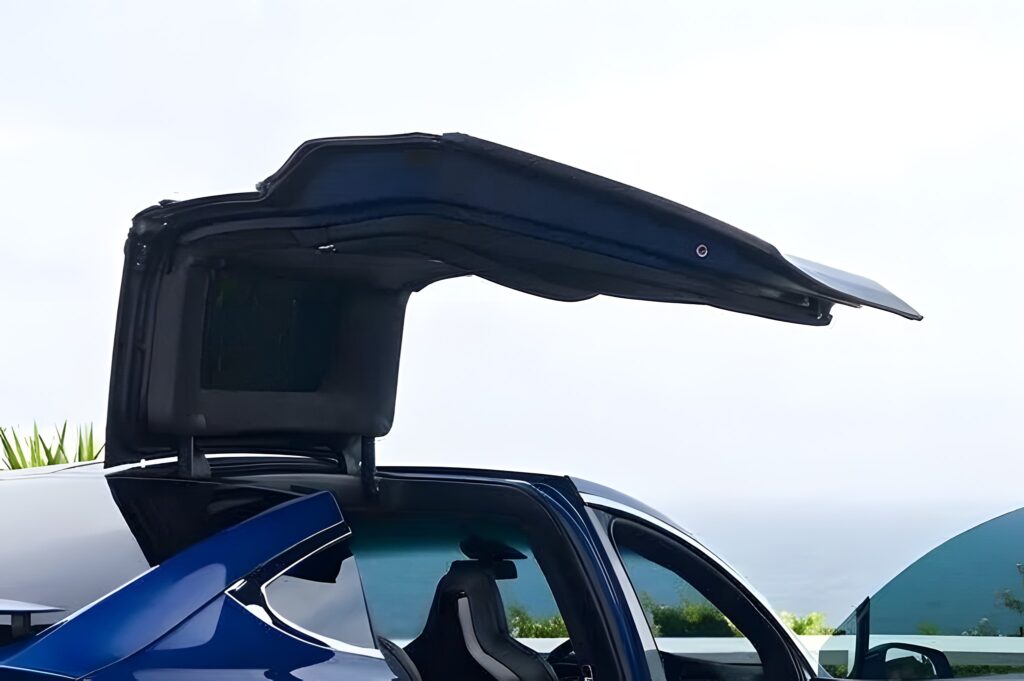
If the Taycan has caught your attention but full ownership feels like a big step, there are ways to experience a similar combination of electric performance and refinement in Sydney first. Our Tesla Model X P100D 2017 is the closest experience we offer to a fully electric, performance-minded drive, and it gives a practical sense of what living with a quick, quiet car feels like on city streets and open roads.
Chauffeured hire lets you focus on the road ahead, the view and the sound of the car without managing parking or charging yourself. Self-drive is also available where the car allows, with the minimum driver age shown on its page. Either way, you get a clear sense of how an electric car behaves in Sydney traffic and on a longer run, which is exactly the information an ownership decision needs.
Plan the day around the drive you want, whether that is a coastal run, a dinner in the city or a quiet trip to see how the car handles real conditions. When you are ready, open the Model X page linked above, check the options that suit your plans and confirm the details by quote. Take your time, ask questions and let the experience inform the decision that suits you best.
Frequently asked questions
Is a Porsche Taycan Turbo S practical for daily driving in Australia?
For many owners it is, provided the home charging and the daily routine suit an electric car. Daily driving is smooth and quiet, and the car handles city traffic well. Luggage space and rear headroom depend on the body style, so it helps to sit in the car and check your usual loads before deciding. Long trips work well with a planned charging stop.
Can you charge a Taycan at home in Sydney?
Yes, most owners charge at home overnight using a wall unit installed by a licensed electrician. Before installation, check your switchboard capacity, where the car will park and whether your building has body corporate rules that affect the work. Apartment owners should confirm what is possible with their building before committing to the car.
How often does an electric Porsche need servicing?
An electric car has no oil changes, spark plugs or timing belts, so routine work focuses on brakes, cabin filters, suspension, battery cooling fluid and tyres. The exact schedule is set by the manufacturer and should be followed. Work on the high-voltage system should be carried out by technicians trained for it.
Is insurance more complicated for a high-performance electric car?
It can be, because these cars are valuable, specialised and sometimes costly to repair. Insurers ask about parking, annual distance, modifications and business use. Ask an insurer or broker which repairers they use and how long a typical claim takes, and read the wording on excess, glass, tyre and charging equipment cover carefully.
How many Taycan Turbo S cars are on Australian roads?
Exact figures are not something we can quote reliably, but the Taycan Turbo S is a relatively rare sight compared with petrol luxury cars. Owners often notice each other on the road and at charging stations. Rarity also means fewer local specialists, so many owners build a small network of trusted workshops early.
Does Drive Tribe have a Taycan for hire?
The Taycan is not the featured car in this article, so we do not present it as one of our cars here. The closest experience we offer in Sydney is the Tesla Model X P100D 2017, which can be chauffeured or self-driven by drivers aged 20 and over. Visit the car page for current options, and confirm details by quote.
Ready when you are. Pick your dates and book the Tesla Model X P100D 2017 online, or call us and we will sort it with you.
Book NowCall 0468 011 118