

Book the MV Agusta F4. Pick your dates and book the MV Agusta F4 online, or call us and we will sort it with you.
Book NowCall 0468 011 118Old bridges have a character that modern crossings rarely match. Stone arches, timber decks and iron railings mark the roads that carried early settlers across the country's creeks and rivers, and many of them still sit on quiet country roads that suit a relaxed motorbike ride. The catch is that a historic crossing can be narrow, uneven and slippery in ways a newer bridge is not. This guide covers the route south-west from Parramatta, how to read a crossing before you ride over it and the timing and parking that keep the day easy, with the MV Agusta F4 as our recommended bike.
Still choosing a bike? Start with our guide to motorcycle hire in Sydney, which sets out the licence, age and pillion rules.
Why a historic crossing makes a good destination
Few things mark the history of a district as clearly as its bridges. An old crossing shows how the land was opened up, how heavy loads were carried and how much effort went into building something that would last. Riding out to one turns a simple morning into a small lesson in local history, and it gives the ride a clear, interesting goal.
Quiet country roads leading to these crossings are a pleasure to ride. Traffic is light, the bends are generally gentle and the scenery opens out with every kilometre. The journey itself becomes part of the reward, rather than something to be endured on the way to a single point.
Approach the crossing as a piece of history rather than a hurdle to be cleared. The best rides here are slow, observant and respectful of the structure, because old bridges have been built for very different traffic from the cars and bikes that use them today.
The route south-west from Parramatta
From Parramatta, the route heads south-west through the outer suburbs, then onto the motorway network toward the country roads of the Macarthur region. The early stretch carries signals, merges and buses, so keep your line steady, watch the mirrors and signal early. Once the traffic eases, the road settles into a calm rhythm and the built-up areas fall away behind you.
The country roads near the crossing are generally sealed and well made, but their edges can carry gravel, leaf litter and the occasional patch of repair. Traffic is light on most days, though farm vehicles and trucks appear without much warning. Keep a comfortable gap, watch for vehicles turning into driveways and allow plenty of room on the blind rises.
Check road conditions with Transport for NSW before you set out, since flooding, roadworks and bridge restrictions can change at short notice. Save the route on your phone or print it, and note the turns carefully, because country signage is sometimes sparse.
Reading an old bridge before you ride over it
Stop well before the crossing and look at it properly. Note the width of the deck, the height of the railings and the condition of the approaches. Many historic bridges are narrower than the road that leads to them, so you may need to slow right down and settle your line before the structure begins.
Check the surface carefully. Timber decks can be slick when wet and may have gaps or loose boards, metal grates can feel loose under the tyres and worn stone or concrete can carry grit and dust. Look for painted lines, which can turn very slippery when damp, and for any signs of recent repair or subsidence that could catch you out.
If the crossing looks uncertain, do not ride it. Choose another route or come back on a drier day. A bridge that is unsafe to walk across is certainly unsafe to ride across, and no view is worth taking a chance on a broken deck or a slippery timber surface.
Riding over the crossing safely
Ride onto the crossing at a steady, moderate speed and avoid braking on the deck itself. Brake before the bridge, settle the bike, then roll through the crossing with smooth, even throttle. Sudden inputs on a timber or metal surface can upset the bike, so keep your movements gentle from the first metre to the last.
Keep your line central and stay clear of the railings, which may be low or set close to the edge of the deck. Look ahead, not down at the surface, and keep your eyes on the far end of the crossing so you are ready for any oncoming vehicle. On a narrow crossing, expect the lane to be tight and make sure you have room to stop if needed.
Where a bridge is single lane, check for give-way signs or signals and follow them. Oncoming traffic may already be on the structure, so slow down, look for the signal and wait until the path is clear before you move forward. Patience at a single-lane crossing is part of the courtesy of country riding.
Road character, corners and weather hazards
The country roads leading to the crossing are a mix of gentle sweeps, open paddocks and shaded sections under trees. The corners tend to be easy to read, but the shade can keep surfaces damp long after the open road has dried, and that is where leaves and moisture can cause a slide. Slow down before the shaded bends and keep your inputs smooth.
Rain changes the whole character of an old bridge crossing. Wet timber, painted lines and metal grates can become very slippery, and puddles can hide grit and potholes on the approaches. Reduce speed early, brake gently and give yourself plenty of room. A wet crossing deserves a slow, careful approach even when the road before it seems fine.
Stay on the sealed road throughout the ride. If the approach to the crossing becomes a rough track or unsealed surface, stop and turn around. Our road bikes are built for sealed surfaces, and a historic crossing is not worth the risk of a loose or broken approach.
Best time of day, season and quiet weekday rides
Autumn and spring are the most pleasant seasons for a historic bridge ride. The mornings are mild, the grass is green or golden and the roads are generally quiet. Winter can bring frost and cold mornings, with damp timber and shaded surfaces staying slippery for longer. Summer is hot, but an early start keeps the ride comfortable.
Start after 6am, when the roads are calm and the light is clean. Aim to reach the crossing mid-morning, when the surface has dried and the sun is up enough to warm the bike and the rider. Weekdays are the quietest time to ride these roads, because farm traffic and weekend visitors are both lighter.
Fuel and food are simple on the route, although stations can be spaced widely in the country. Fill the tank in Parramatta before you leave, and top up in a larger town on the way if your fuel plan calls for it. Pack water and a light snack, and plan a country cafe or a picnic spot beside the river for a relaxed lunch after the crossing.

Want the MV Agusta F4 for your date? Pick your dates and book the MV Agusta F4 online, or call us and we will sort it with you.
Book NowCall 0468 011 118Parking near the crossing and keeping the bike secure
Choose a sealed, legal spot that does not block a gate, a driveway or the approach to the bridge. Avoid parking on the roadside edge of the crossing, where the surface can be narrow and vehicles need every centimetre to pass. Keep the bike upright on firm, level ground and make sure it cannot roll when you walk away.
Lock the bike with a disc lock or chain and take your helmet, gloves and jacket with you when you walk to the crossing. Keep valuables out of sight and pack light, so you can move carefully along the bank or the path. Check the bike when you return, looking for any change in the surface or the position of the stand.
If you plan to walk across the old structure, check first whether it is open to pedestrians. Many historic bridges are closed to foot traffic, and it is better to admire them from a safe viewing point than to step onto a deck that is not designed for it.
Wildlife, cold air and fatigue on the country roads
Wildlife is most active at dawn and dusk, and the country roads near creeks and river flats are where kangaroos, wallabies and birds may cross. Keep your speed controlled at the beginning and end of the day, scan the verges constantly and treat any movement near the road as a warning. Near water, be ready for ducks or waterbirds to cross as well.
Cold air settles in the low country and along the creek lines. Dress in layers, with a thermal base, a windproof outer and gloves that keep your hands working. Warm up gently before you move off, and be cautious on the shaded approaches to the crossing where frost or dampness can linger.
Fatigue can creep in on a long, quiet ride. The steady pace and the concentration needed on old crossings can wear you down. Take a break before you turn for home, drink water and eat something light. If you feel drowsy or your reactions slow, stop until you feel clear again.
Alcohol, riding within your ability and calm progress
Never ride after drinking alcohol. A quiet country lunch can tempt you toward a glass of wine or a beer, but the ride home should always be taken with a clear head. Leave the bike parked and make other arrangements if you plan to enjoy a drink, and make that decision before you sit down to eat.
Ride within your ability on old and narrow crossings. Take your time, choose the line that feels comfortable and keep the speed low enough that you can stop smoothly if a vehicle appears. There is no prize for speed on a quiet country road, and a slow, deliberate approach keeps both you and the bridge in good order.
A relaxed pace also helps when things go unexpectedly. If the crossing is closed, the surface is wet or a farm vehicle slows the road, accept the change and enjoy the detour. A ride that adapts gently is always more rewarding than one that is forced.
Hire details and the MV Agusta F4 for a country crossing
Bikes are self-drive and hired from Parramatta, with a three day minimum hire. Every rider must hold a full motorcycle licence that has been held for at least three years, and must be aged 25 or over on every bike. Please confirm these conditions before you book, since they apply to every hire.
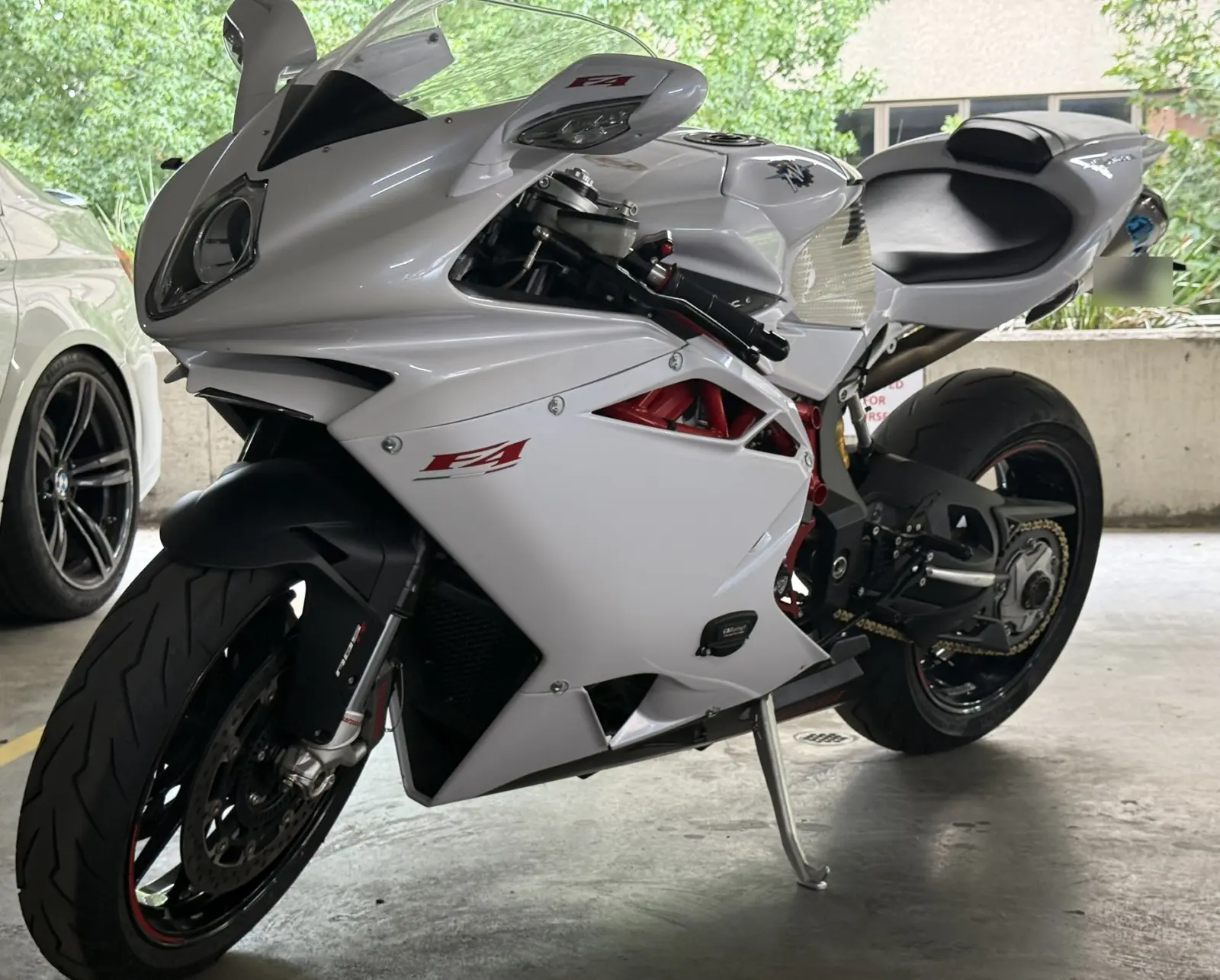
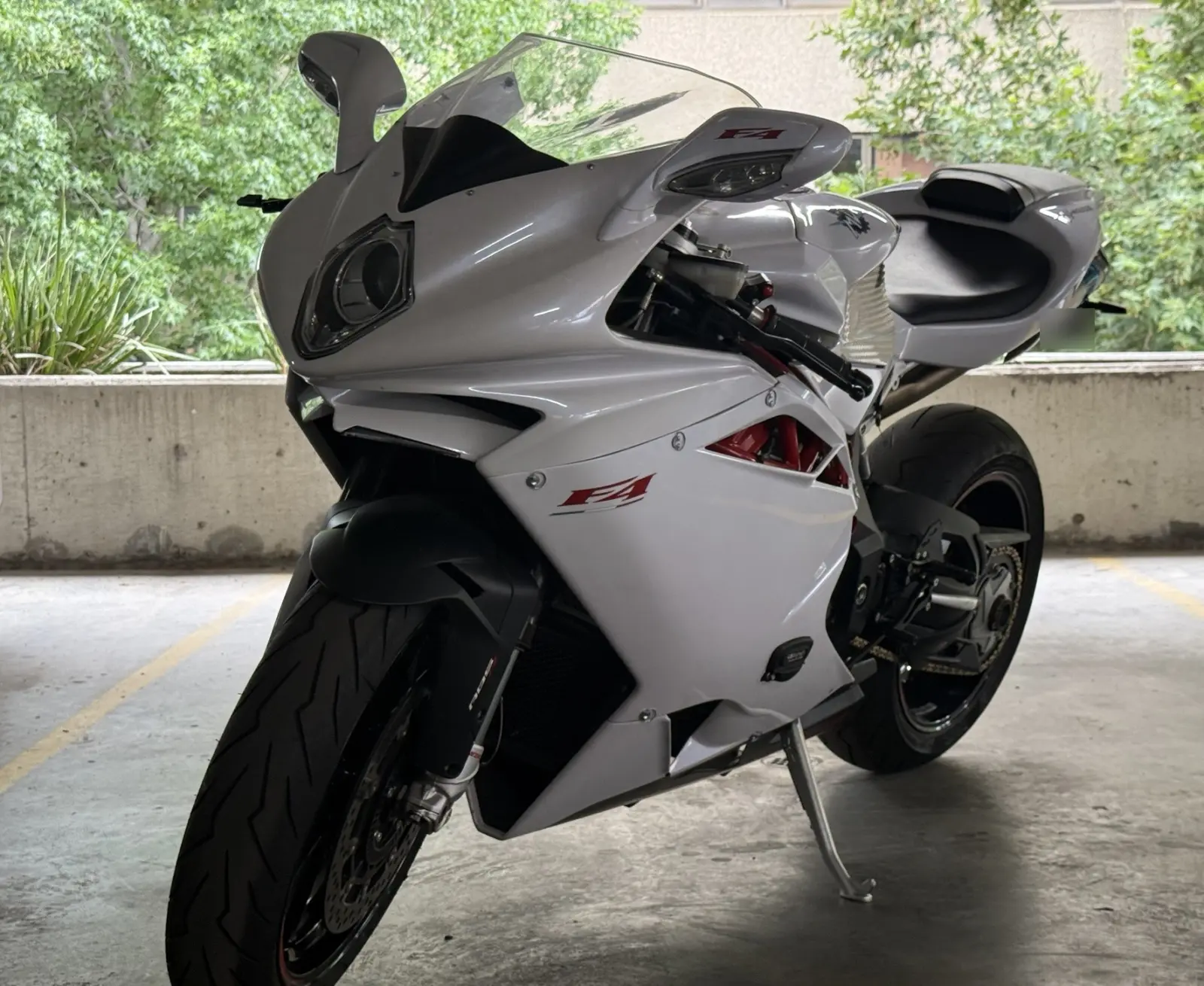
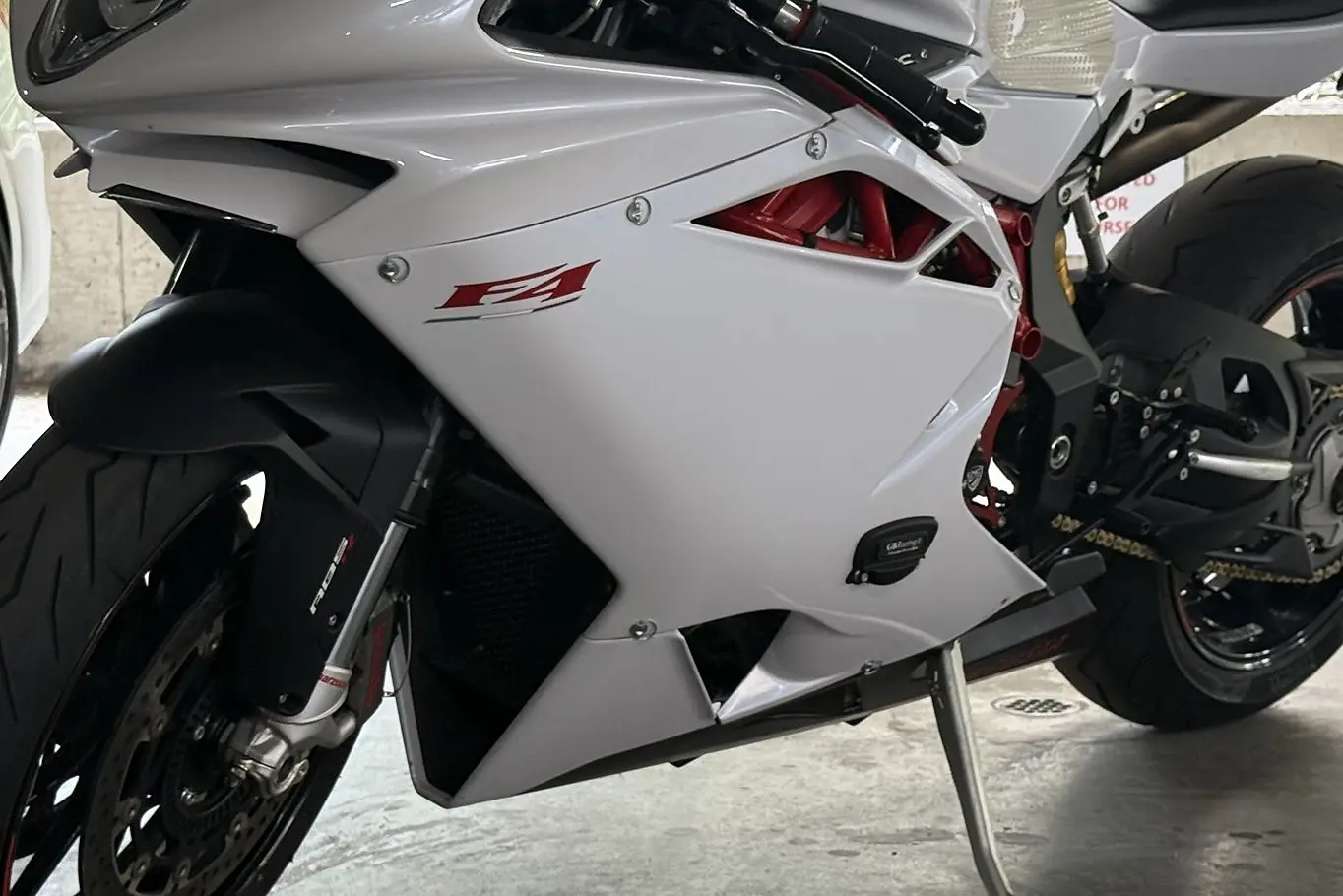
For a quiet country ride to a historic crossing, we recommend the MV Agusta F4. Its 998cc inline four produces 143 kW, and the pearl white finish over a red trellis frame gives it a striking presence on the country road. It is a single-seater, which suits a solo ride, and it rewards a calm, controlled approach to old surfaces and narrow crossings.
When the next quiet weekday arrives, book the MV Agusta F4 through its fleet page and plan a slow, observant ride to the crossing. We would be glad to help you map the route and the timing so the day feels relaxed from the first kilometre to the last.
Frequently asked questions
Is it safe to ride across an old timber bridge?
It can be, provided the deck is sound, dry and free of loose boards or gaps. Approach slowly, brake before the bridge rather than on it and keep your movements smooth. If the timber is wet or looks worn, do not ride across it. Find another route or come back on a drier day, because a slippery timber surface can catch you out quickly.
What should I do at a single lane bridge?
Look for give-way signs or signals and follow them. Oncoming traffic may already be on the structure, so slow down, check the signal and wait until the crossing is clear before you move forward. Keep a steady, patient approach, and do not try to squeeze past a vehicle that is still on the bridge.
Are there rules for riding over historic crossings?
The general rules of the road apply, along with the posted limits and any signs or restrictions on the structure itself. Some older crossings carry weight or width restrictions, so check the signs and the road authority information before you ride. If a crossing is closed, respect the closure and choose another route.
Can I walk out onto an old bridge for a photograph?
Only if it is open to pedestrians. Many historic bridges are closed to foot traffic because their decks, railings or supports are not designed for people on foot. Admire the structure from a safe viewing point and avoid climbing barriers or stepping onto closed sections.
What should I do if the road to the crossing turns to gravel?
Stop and reassess before you commit. Our road bikes are built for sealed surfaces, so do not take them onto a gravel or unsealed approach, however tempting the crossing looks. Turn around, or choose a different route with a sealed approach, and enjoy the country from the road you know.
What is the best time of year to visit a historic crossing?
Autumn and spring are the most comfortable seasons, with mild mornings and quieter roads. Winter brings frost and damp that can make old timber and shaded approaches slippery, while summer is hot but manageable with an early start. A weekday in autumn or spring is usually the most relaxed choice.
Ready when you are. Pick your dates and book the MV Agusta F4 online, or call us and we will sort it with you.
Book NowCall 0468 011 118