
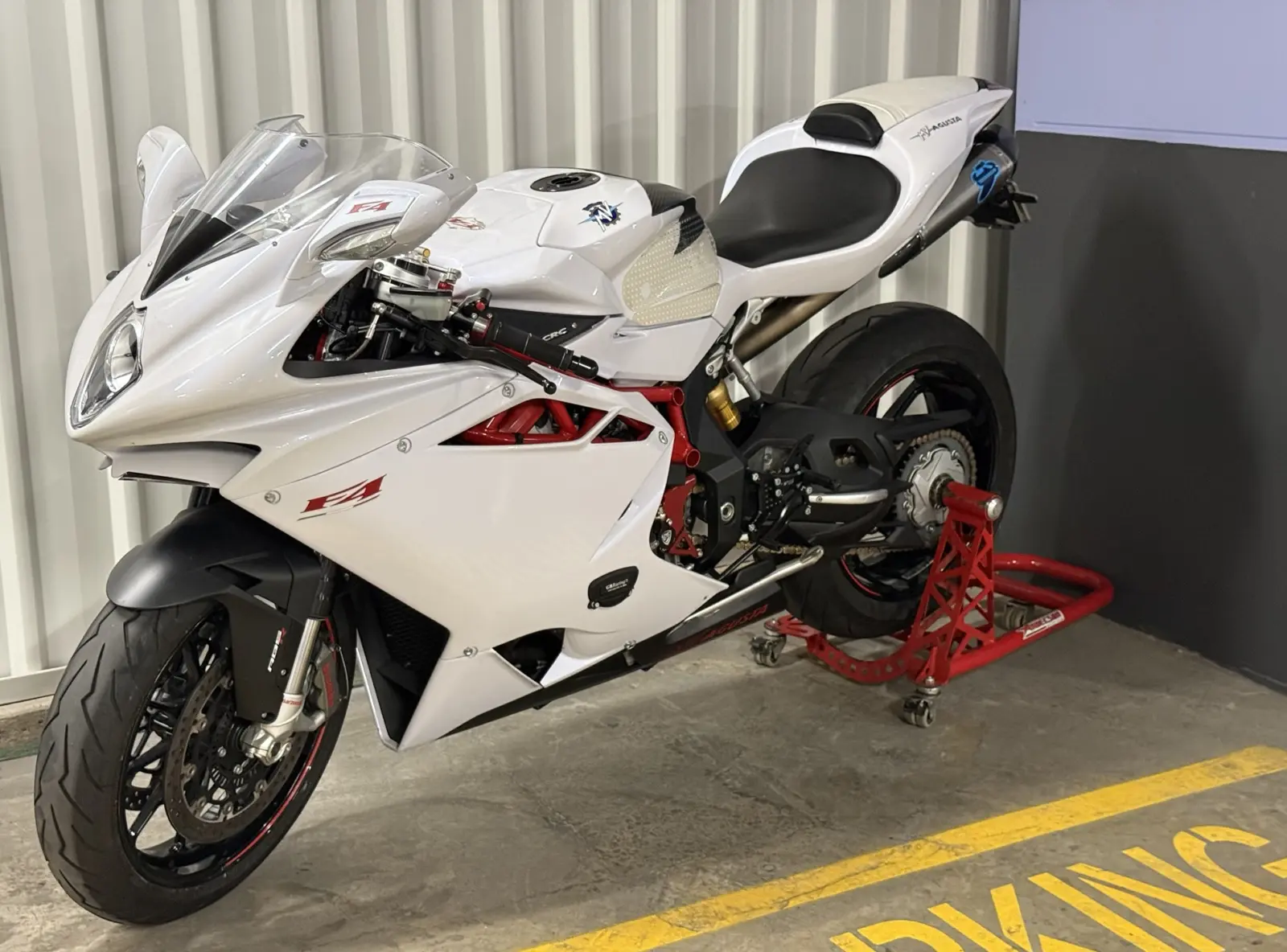
Book the MV Agusta F4. Pick your dates and book the MV Agusta F4 online, or call us and we will sort it with you.
Book NowCall 0468 011 118A speed hump is a small obstacle with a big effect on a motorbike. Two wheels meet a raised section of road, the weight shifts suddenly and a rider who arrives too fast or leans too hard can be thrown off balance in an instant. Raised pedestrian crossings catch riders out in the same way, often in busy streets where attention is already split. The good news is that the technique is simple once you know it. Here is how we approach humps and crossings on the MV Agusta F4, from the first sign to the far side.
Still choosing a bike? Start with our guide to motorcycle hire in Sydney, which sets out the licence, age and pillion rules.
What a speed hump does to a motorbike
A speed hump is designed to make drivers slow down, and it works well on cars because a car's four wheels meet the rise in a controlled, balanced way. A motorbike has only two wheels, so the hump acts differently. The front wheel lifts and drops, the weight pitches forward and back, and the rear wheel follows through a sharp change in angle that can unsettle the whole machine.
The biggest risk is arriving with the bike already leaning or braking hard. A hump that is crossed upright and at a steady speed feels like a simple bump. The same hump taken mid-brake or mid-lean can make the front tyre skip, the rear step out or the rider's hands jerk on the bars. Understanding that difference is the first step toward riding humps well.
Humps also vary. Some are gentle and wide, others are steeper and narrower, and some are raised crossings that span the full width of the road. Look at each one as you approach, rather than assuming it will feel the same as the last.
Reading the hump before you reach it
Warning signs and painted markings are your early clues. Look for the striped or chevron pattern on the approach, the change in road colour at the crossing and the tapering edges that show where the hump starts. These cues tell you that the road is about to rise, and they give you time to adjust your speed well before you reach it.
Pay attention to what the traffic is doing too. Cars slowing sharply, brake lights flashing ahead and drivers easing their pace all signal a hump or crossing ahead. If a vehicle in front lurches over the hump, expect the same effect on the bike and give yourself a larger margin.
Scan the surface for loose material, drips and fresh paint. Humps often collect dust and grit at their edges, and the painted zones of raised crossings can be slippery in the wet. A quick look at the surface before you commit lets you choose the cleanest line.
Approach speed and braking before the hump
Slow down before the hump, not on it. Use the front and rear brakes gently in a straight line, and bring your speed down to a level you can comfortably hold as the road rises. Once the bike is settled and upright, you can coast or roll gently over the hump without fighting the weight shift.
Be careful not to brake too late and too hard. A sudden grab on the front brake as you reach the rise can compress the forks and unsettle the bike, and that is a common reason riders feel a hump is more dangerous than it is. Brake early, release the lever as the front wheel reaches the top and let the bike roll smoothly.
Keep your eyes on the far side of the hump rather than on the wheel. Looking ahead helps you keep the bike upright and lets you see any pedestrians, cyclists or vehicles that may be crossing or turning near the far edge.
Crossing upright with a steady throttle
Crossing a hump upright is the key skill. Keep the bike straight, your body relaxed and your weight balanced over the middle of the bike. Avoid leaning into the hump, which can throw the bike toward one side, and resist the urge to tense your arms, because stiff arms transmit every bump straight into the bars.
Use a gentle, steady throttle as you cross. A small amount of drive helps the bike stay settled through the rise, while a sudden blip or a snatch can upset the balance. On the MV Agusta F4, with its 998cc inline four, keep your inputs progressive so the bike remains calm and predictable even in town.
Do not change your line halfway across. Choose the cleanest line on the approach and hold it through the hump, so you are not making a sudden adjustment at the moment the bike is most unsettled.
Raised pedestrian crossings in town
Raised pedestrian crossings are usually wide, flat-topped humps with painted zebra stripes or a change in surface colour. They are designed for people, so expect them to be busy. Slow for the crossing, watch for people stepping out and be ready to stop completely if someone starts to cross ahead of you.
Pedestrians may not expect a motorbike to slow for them, and some may step out without looking. Keep your eyes on the footpaths and on the people near the kerb, not only on the road surface. A calm, slow approach gives everyone more time to react and keeps the crossing safe for all users.
Never ride over a raised crossing while someone is on it, and do not try to pass vehicles that have stopped for pedestrians. Wait until the crossing is clear and proceed at a walking pace until you have fully crossed.
Wet days, paint and cold mornings
Paint is a hidden hazard on humps and crossings. Road markings can be very slippery when wet, and the raised paint on a crossing can become greasy in the first rain after a dry spell. Treat any painted zone as a slick surface, and avoid braking or leaning on it.
Before you ride in wet weather, check the road conditions with Transport for NSW, since heavy rain can cause flooding, local closures and hazards on busy city streets. Check again on the morning of the ride and plan a slower route if needed.
Cold mornings bring frost and dew to the tops of humps, especially in shaded streets. Ease over the hump gently, keep your speed low and remember that a cold tyre takes a little longer to grip. A steady, patient approach is the best answer to a cold start.
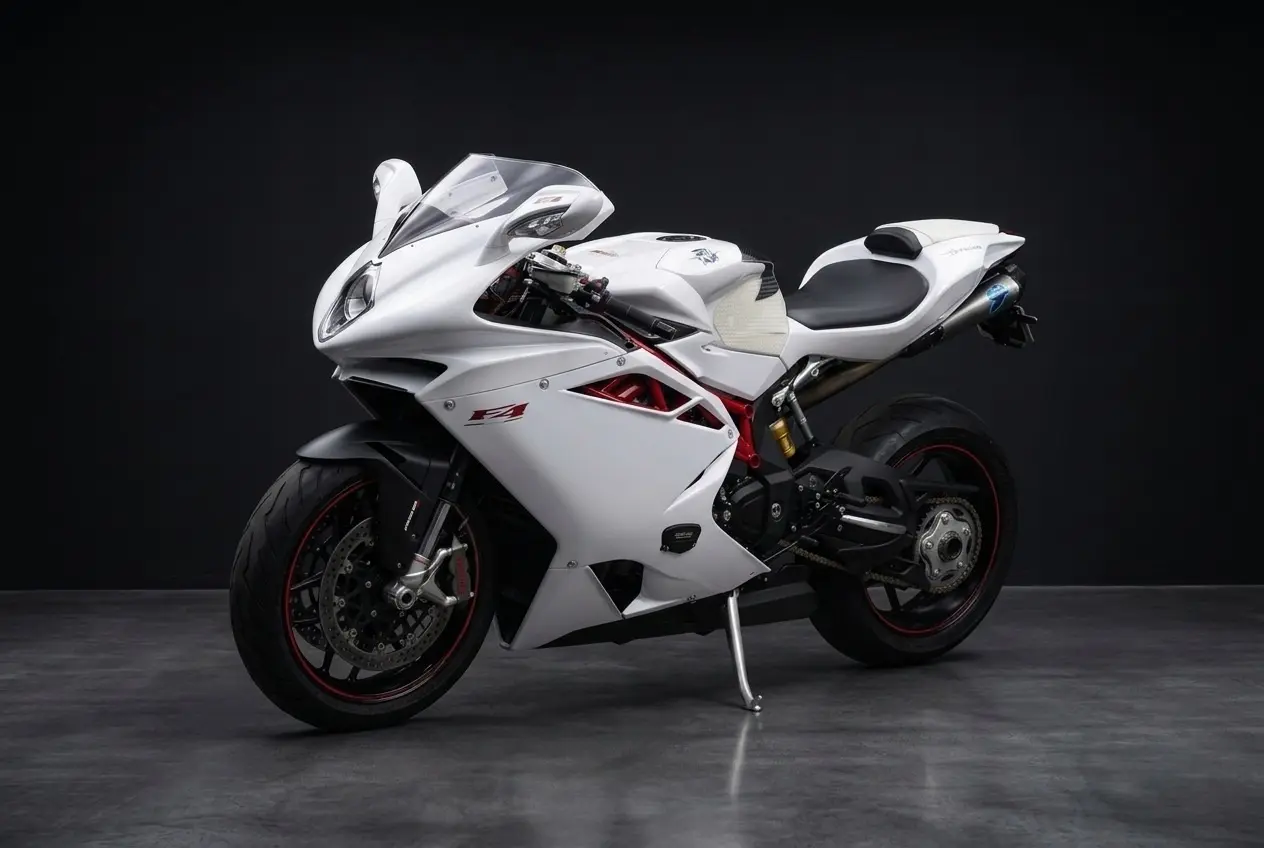
Want the MV Agusta F4 for your date? Pick your dates and book the MV Agusta F4 online, or call us and we will sort it with you.
Book NowCall 0468 011 118Best time of day and season for city riding
Autumn and spring are the easiest seasons for riding around humps and crossings. The temperature is comfortable, the surfaces are generally dry and the traffic is steady without the extremes of summer heat or winter frost. Summer afternoons can bring heat and sudden storms, which make paint and road markings slippery, and winter mornings can leave frost and damp patches in shade.
Mid morning and mid afternoon are usually calmer, with fewer school run vehicles and less commuter pressure. Early morning and late afternoon bring heavy traffic, pedestrians and a lot of stopping and starting near schools and shops. Weekend mornings can be quieter, though markets and cafes may bring crowds to the crossings.
Plan fuel and food around the busy streets. Fill up on the outskirts before you enter the town centre, and choose a cafe or bakery away from the busiest crossing for a short break. Water and a light snack in your pack will keep you alert without weighing you down on the bike.
Keeping your focus in busy streets
Humps and crossings rarely arrive on their own. They sit among parked cars, shop doorways, buses pulling out and cyclists weaving around them, so your attention has to be spread across the whole street rather than fixed on the road surface. Scan the kerbs, the doorways and the gaps between parked vehicles as you approach, because a door opening or a driver stepping out is the most common surprise in town.
Lane position matters as well. Ride where you are visible to drivers coming the other way and to those pulling out from side streets, but do not hug the parked cars or the kerb, where a sudden door or a cyclist can leave you no room. A position a little clear of the parked line gives you space to react and keeps your options open if the hump ahead turns out to be busier than expected.
Give yourself a clear head before you enter the busy part of the route. Many city riders feel rushed at the start of a run, and that rush carries straight into the approach to every hump. Take a breath, settle your grip and let the first hump set the pace for the rest of the street. A calm rhythm through the first crossing usually carries through the whole ride.
Hire rules for the MV Agusta F4
Bikes are self-drive from our Parramatta base on a three day minimum hire. The rider must hold a full motorcycle licence for at least 3 years and be aged 25 or over on every bike, and the MV Agusta F4 is a single-seater, so there is no passenger on this bike. Please keep these points in mind when you plan a city ride with friends.
Before you collect the bike, ask us about any part of the route you are not sure of. We are happy to talk through the humps, crossings and school zones you may meet, and we would rather answer a question at the depot than see a rider hesitate in traffic.
Ride within your ability and keep alcohol well away from any riding plan. City riding asks for constant attention, and a clear head is the best tool you have.
Booking the MV Agusta F4 for city riding
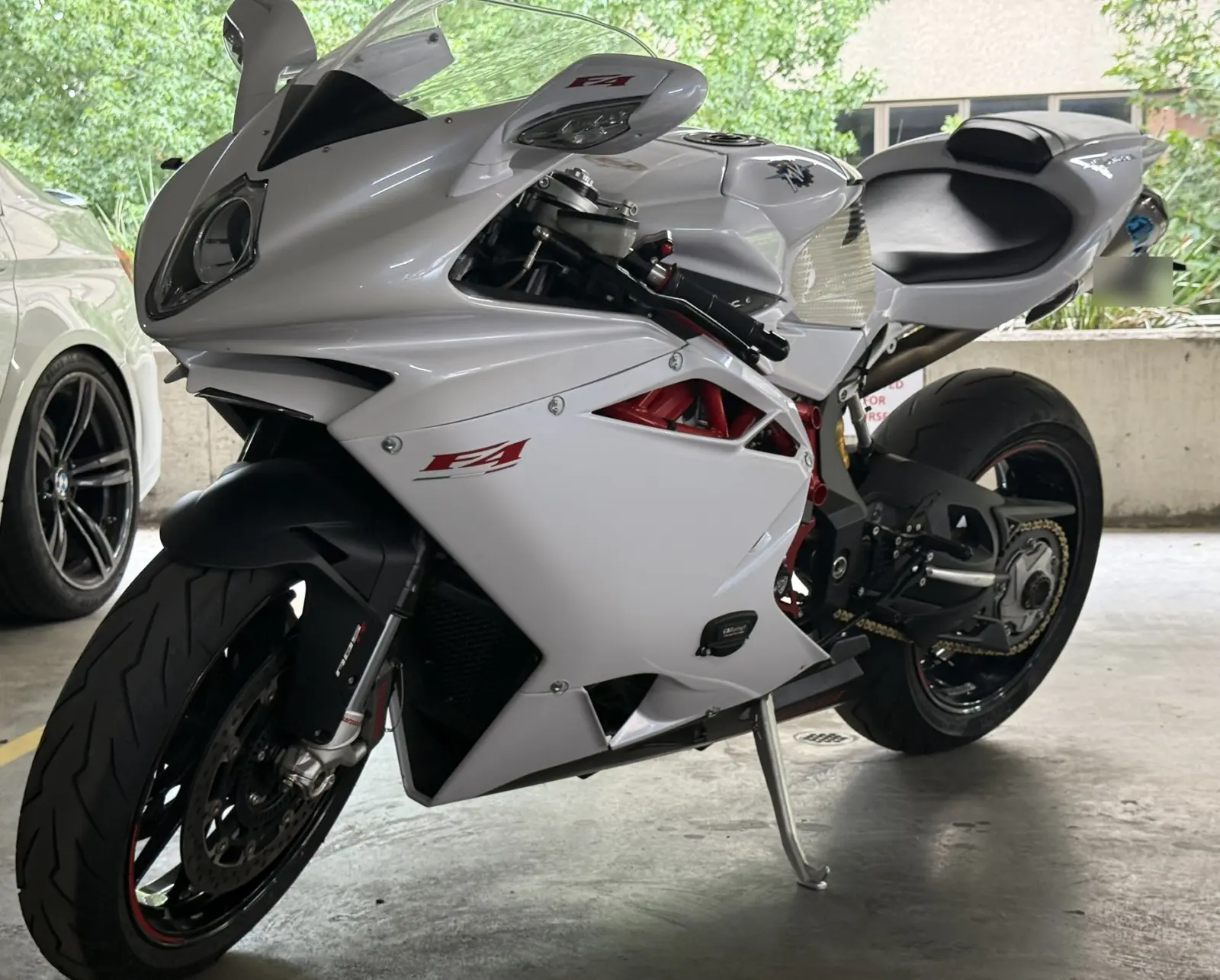
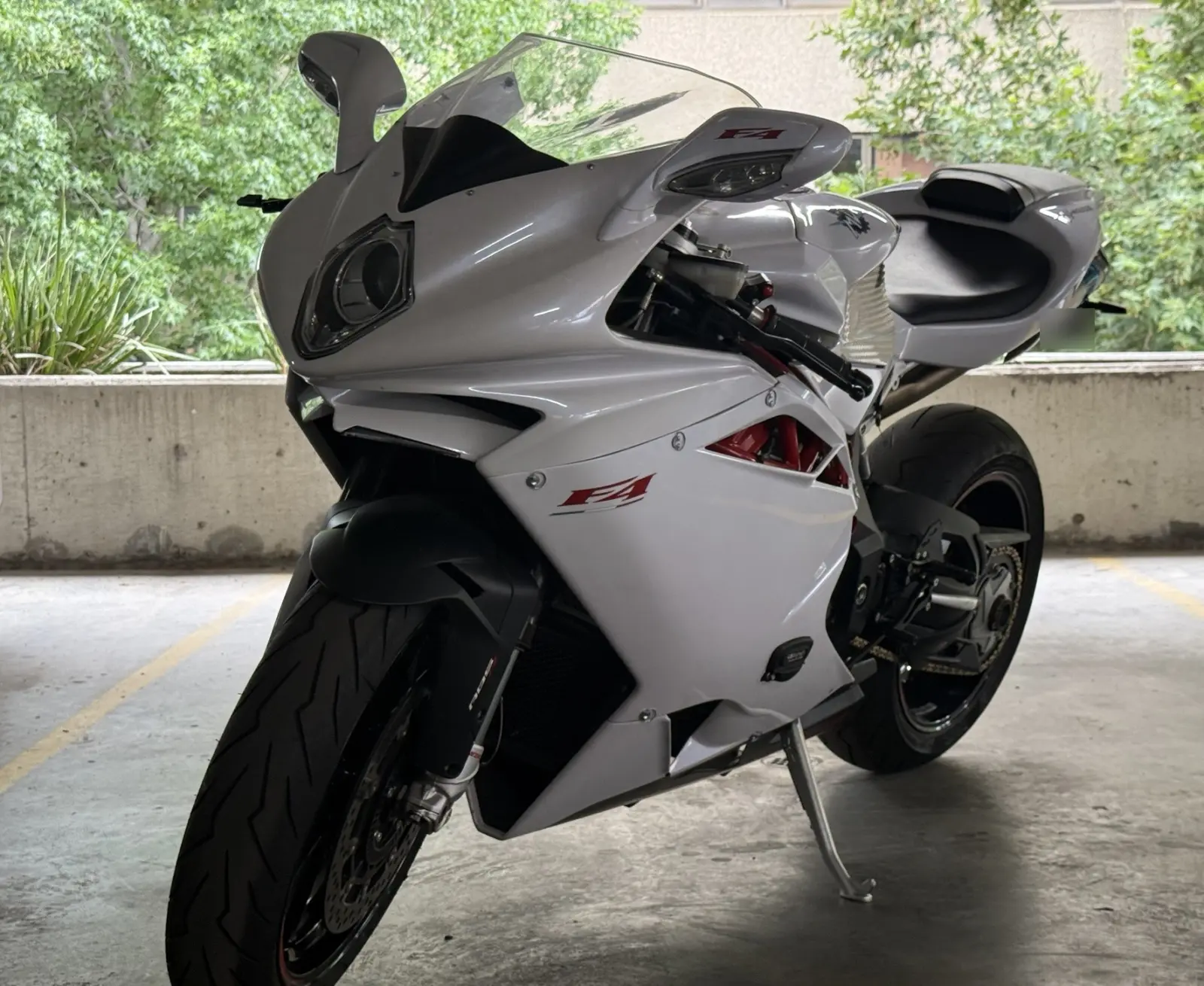
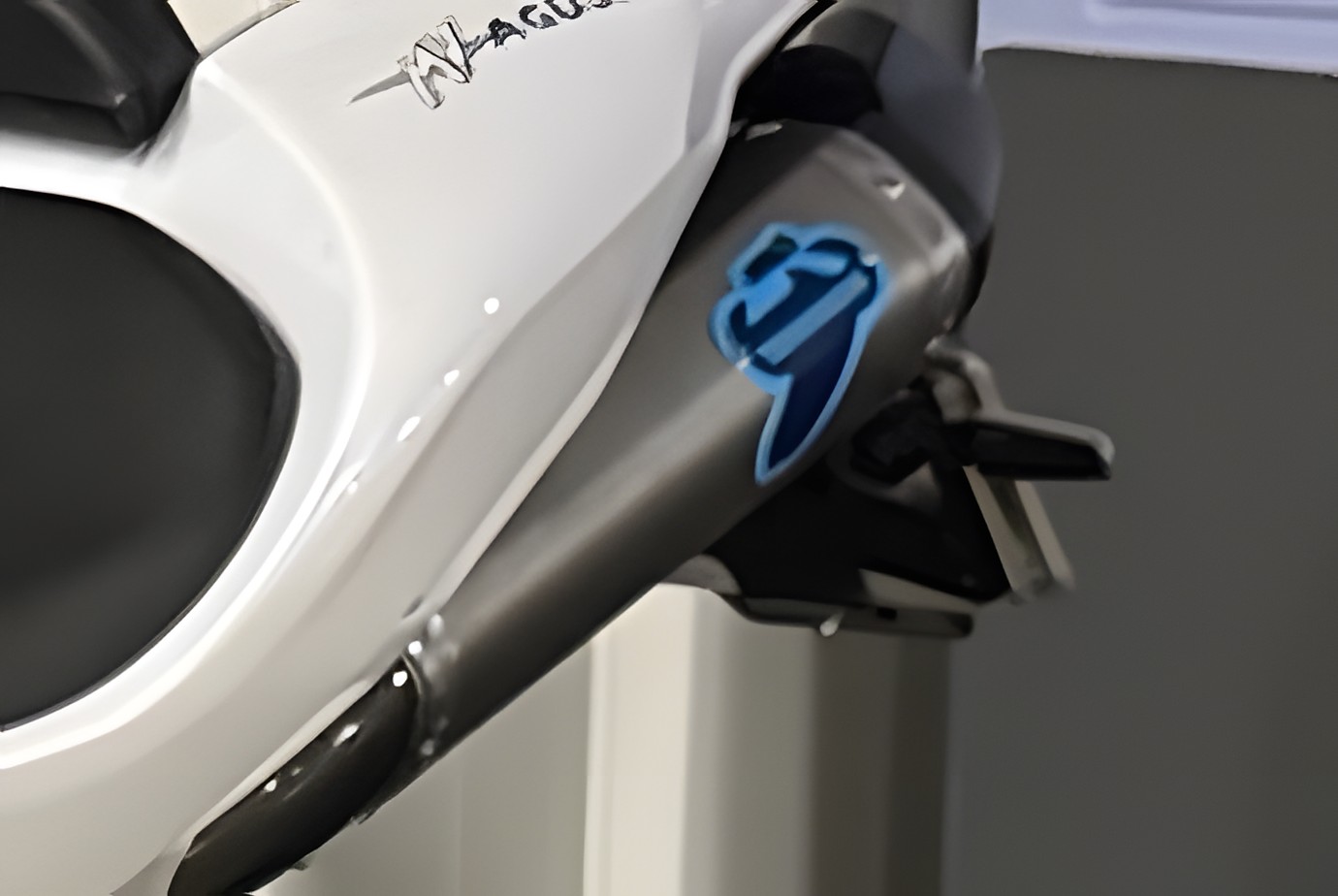
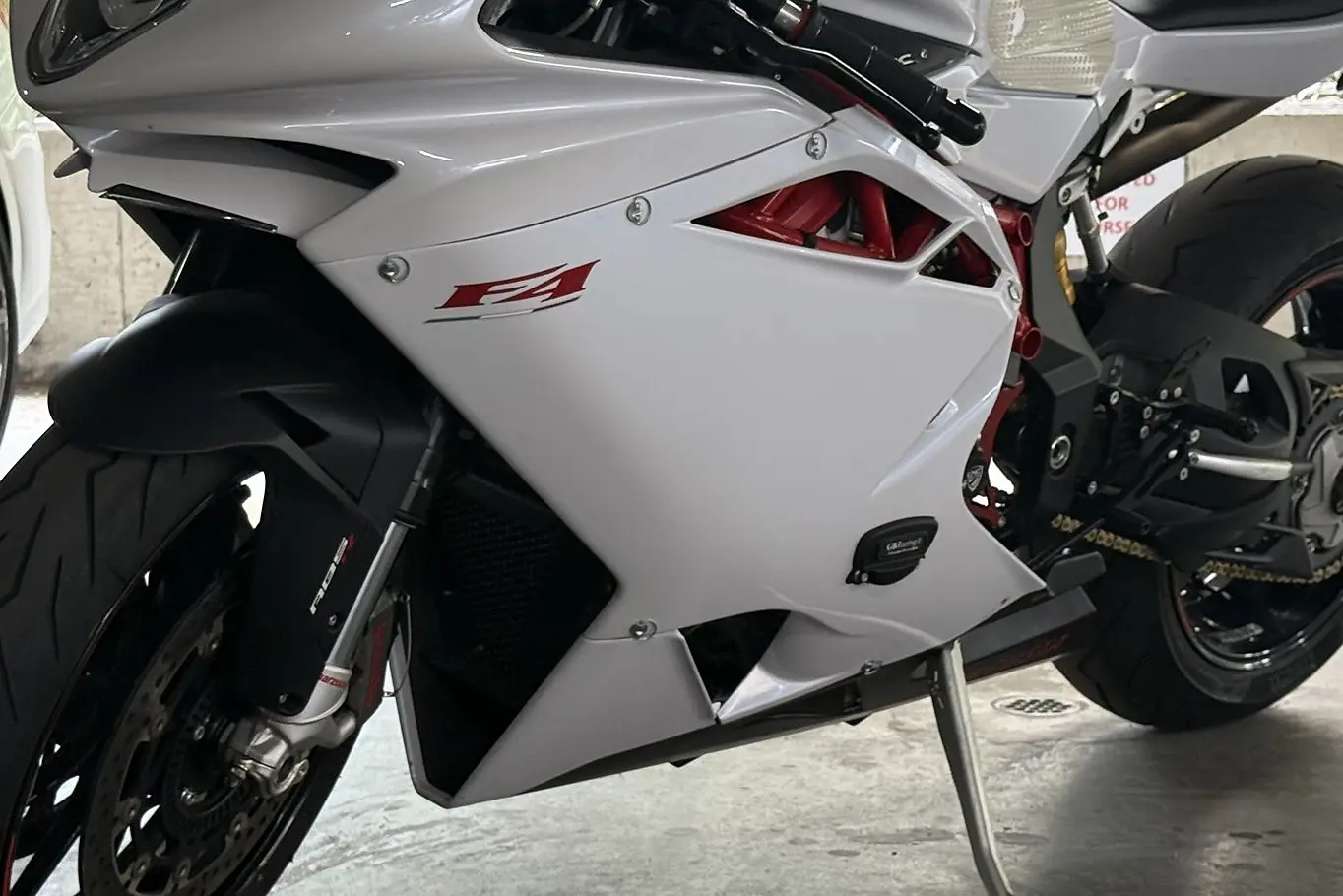
The MV Agusta F4 is a 998cc inline four with a performance exhaust, and its pearl white paint and red trellis frame stand out on any street. In the city, its strength is controllability rather than outright speed. Keep your inputs smooth through humps and crossings, and the bike will reward you with a calm, composed ride.
Riding in town also asks for patience. The posted limit is your guide on every street, and in school zones or busy shopping precincts a slower pace is the right choice. A rider who builds a steady rhythm through humps and crossings will find the city far more relaxed than they expected.
When you are ready to take a bike with real presence into the city, book the MV Agusta F4 and we will help you plan collection and your route. Read the humps early, keep the bike upright and ride with care.
Frequently asked questions
Should I stand up on the bike to cross a speed hump?
Standing is not necessary for a typical speed hump, and it can make the bike harder to control. Sit in a relaxed, balanced position, keep your arms loose and let the bike roll over the rise at a steady speed. Taller or steeper humps may feel more unsettling, so slow down further and keep your weight centred. The aim is a calm, upright crossing rather than a dramatic movement.
Can I brake while crossing a hump?
It is best not to. Brake before the hump, then release the lever as the front wheel reaches the top. Braking on the rise can compress the front forks, unsettle the bike and make the rear feel light. A gentle, steady roll over the hump keeps the bike composed and is far safer than a sudden grab on the brakes.
How do I cross a raised pedestrian crossing safely?
Slow down well before the crossing, watch the footpaths and the kerbs, and be ready to stop completely if someone steps out. Never ride over the crossing while people are on it, and do not overtake a vehicle that has stopped for pedestrians. Once the crossing is clear, proceed at a walking pace until you are fully across, then build your speed again as the road allows.
Are painted road markings dangerous on a motorbike?
They can be, especially when wet. Paint on humps and crossings can become greasy, and the surface may offer less grip than the surrounding bitumen. Treat painted zones as slick, avoid braking or leaning on them, and cross them upright and gently. A wet paint patch that feels fine on a car can be far more slippery on two wheels.
Do speed humps affect the suspension?
A hump taken at a steady, upright speed is much kinder to the bike than one taken with the brakes applied or the bike leaning. Repeated hard crossings are harder on any suspension, so the simplest approach is to slow early and roll over smoothly. If the bike feels unusual after a hump, stop somewhere safe and let us know.
Is a city ride with humps and crossings tiring?
It can be, because constant slowing, stopping and watching for pedestrians demands steady attention. Fatigue creeps in faster in town than on open roads, so take a short break every so often, drink some water and stretch your arms and shoulders. A rested rider reads humps and crossings far better, and a tired one is more likely to misjudge the approach.
Ready when you are. Pick your dates and book the MV Agusta F4 online, or call us and we will sort it with you.
Book NowCall 0468 011 118