

Book the Ducati 1199R. Pick your dates and book the Ducati 1199R online, or call us and we will sort it with you.
Book NowCall 0468 011 118Spring is the season when rural roads come alive, and not always in the way a rider hopes. Grass grows fast after the winter rain, young animals start to roam, and kangaroos, wallabies and livestock move to the verges to feed. A Ducati 1199R or any other bike on a quiet country road needs a different kind of attention in this season. This guide covers why animals become more active, when they are most likely to appear, and how to adjust your speed, scanning and position on rural roads.
New to riding with us? Our page on motorbike hire in Sydney covers the bikes, the rider rules and how pick-up works.
Why spring brings more animals onto rural roads
Spring changes the countryside quickly. Winter rain brings grass up through the paddocks, and the verges along rural roads become a food source for animals that spent the cold months keeping to the scrub. Kangaroos, wallabies and wombats move out to graze, and the green edges draw them closer to the bitumen than they were a few weeks earlier.
Breeding plays a part as well. Many young animals are old enough to roam by spring, and they wander with less caution than their parents. A young kangaroo or a wombat may appear at the roadside with no warning, and a mob that was quiet on your last ride can gather near a dam or a creek crossing as the weather warms.
For a rider, the lesson is simple. Spring is the time to expect animals rather than be surprised by them. The sections below cover the species you are most likely to see, the hours when they move, and how to adjust your speed, scanning and lane position to leave a margin for the unexpected.
Kangaroos and wallabies: the most common hazard
Kangaroos are the most common large animal on rural roads across much of New South Wales. They are most likely to appear on the verge in the early morning and the late afternoon, when they feed close to the edge of the road. Then they cross in a sudden burst, often without looking at the traffic. The animal you see first is rarely the only one nearby.
Wallabies behave in a similar way, but they are smaller and can be harder to spot in long grass or scrub at the roadside. A wallaby may stop near the edge of the bitumen and then decide at the last moment to cross, so treat any animal close to the road as a live threat until it is clearly past. Watch the shoulder and the crossing points with equal care.
Kangaroos in a group often cross one after another, and the second or third can come from a side the first one did not. If you see one crossing, slow further and hold your position until the road ahead is clear again. A sudden change of direction on a bike is more dangerous than most animals, so the answer is to slow early rather than swerve late.
Wombats, emus and livestock: the less obvious crossers
Wombats are stocky and surprisingly quick over short distances. They cross rural roads at night and in the early morning, and their dark shape can blend into the road shoulder, which makes them difficult to see until you are close. Slow down when you see a dark mound at the verge, and keep your gaze on the edge of the bitumen rather than only the middle of the lane.
Emus and other large birds can appear on open paddocks and cross roads without much regard for traffic. Cattle and horses are a different hazard. They may be grazing on the verge, pushed through a gap in a fence, or standing on the bitumen in the shade. Livestock on the road can be unpredictable, and the sound of a bike may not move them at all.
Gates and fences are good indicators that animals are close. A line of cattle along a fence, a gap in the wire or a grid across the road all suggest livestock near the verge. Treat these as signs to lower your speed before you reach them, and be ready to stop safely if an animal strays onto the road ahead.
Dawn and dusk: the hours of greatest risk
Dawn and dusk are the hours of greatest wildlife activity on rural roads. Animals feed in the cooler hours and move to water as the sun rises or sets, so the road edges are busiest at those times. The first light of morning and the last light before dark both ask more of a rider than the middle of the day does.
Riding at dawn is not banned, and the first hour after sunrise often gives you a quiet, clean road with excellent views. The catch is that the low sun shines straight into your visor and can hide animals on the verge. Keep your visor clean, look for movement in the shadows on the grass, and slow right down when the sun sits directly ahead of you.
Dusk is the more demanding period. Riding at dusk and after dark is not banned, but low light makes it harder to see animals before they are close. Plan the route so that the final stretch falls in good light, and if you must ride in the dark, reduce your speed to match what your headlight shows you.

Adjusting speed, scanning and lane position
Your riding should change as soon as you see animals near the road. Lower your speed before you reach the danger zone rather than braking hard when the animal appears. A steady, controlled reduction in speed works far better than a sudden stop, and it keeps the bike stable if an animal moves in front of you.
Scanning is the second adjustment. Look as far ahead as the road allows, then sweep the verges, the crossing points and the gaps in the fences. Keep your eyes moving rather than fixed on one point, and use the full width of the lane to see around bends. Your eyes should always be working out what might come out of the scrub next.
Lane position matters on a country road. Ride in the part of the lane that gives you the most room to react, usually the centre or slightly off the centre, depending on the road and its camber. Avoid riding tight to the edge of the bitumen, where the shoulder is soft and animals are more likely to appear without warning.
Braking, stopping distance and the superbike
The Ducati 1199R is a superbike built for experienced riders, and on a rural road the same skills that make it rewarding also demand restraint. A powerful bike can stop well, but only when the rider has seen the hazard in good time and reacts calmly. Build your riding around the distance you can see, rather than the distance the machine could cover.
Braking should be smooth and progressive. Use the brakes in a controlled way, and avoid locking the wheels on loose gravel or damp patches at the edge of the road. If an animal is on the road ahead, apply the brakes firmly but keep the bike upright, since a skid is much harder to recover from than a steady stop.
Stopping distance is the most important idea on a rural road in spring. Keep a gap that lets you stop within the distance you can see, and remember that a crossing animal can appear in the gap you have left. A slower approach through farming country costs very little time, and it gives you the margin you need when something moves in front of you.

Want the Ducati 1199R for your date? Pick your dates and book the Ducati 1199R online, or call us and we will sort it with you.
Book NowCall 0468 011 118Road surfaces, grass and cattle grids
Spring surfaces can change within a few kilometres. Grass and weeds push up through cracks at the edge of the road, dew settles on the bitumen in the morning, and the shoulder can be loose after winter rain. Stay away from the shoulder when you can, and assume that any patch of green or any damp area on the road may be slippery.
Gravel from farm vehicles often spreads across the bends, and the wheels of heavy trucks leave a loose margin that can catch a rider who leans too far. Look through each bend and read the surface before you commit. A clean line through a corner is worth more than speed, and the surface can change within the space of a single corner.
Cattle grids are common on rural roads, and they can be slippery when damp. Approach them upright, keep the bike steady, and avoid braking on the grid itself. Cross smoothly at a low speed, and do not try to change direction while you are on it.
Visibility, alertness and the dusk lights
Good visibility is part of the plan. Keep your visor clean, check your headlight and tail light before you leave, and switch your lights on early when the sun is low. Being seen by a driver pulling out from a farm gate matters just as much as seeing the animal on the verge.
Fatigue reduces the ability to spot animals. On a long rural ride your eyes tire and your attention wanders, particularly on straight roads with few landmarks. Stop every hour or so, stretch, drink water and let your eyes refocus on the distance. A brief break often brings the verges back into sharp focus.
Never ride after drinking alcohol. Your reaction time and judgment are most valuable on a rural road at dawn or dusk, and alcohol strips away both. If you are unsure whether you are alert enough, stop, rest and assess how you feel before you carry on.
Best time of day, fuel stops and road character in spring
The best time to ride rural New South Wales roads in spring is the middle part of the day, once the dew has lifted and the animals have moved back into the shade. Late morning and early afternoon usually bring the quietest roads and the lowest risk of a sudden crossing. Plan the start for after the first hour of sunrise, and aim to be heading home before the evening feeding time begins.
Fuel stops on country roads are spaced widely. Smaller towns may have a single station, and it may close early or shut on weekdays. Fill up before you leave the larger centre, carry water and a snack, and never start a long run on a low tank. For lunch, a bakery or cafe in a larger town usually offers more choice than the small villages along the way.
Road character changes in spring. Farm traffic, tractors, trucks and livestock trailers share the road with cars, and local drivers are often watching the paddocks rather than the road ahead. Weekend tourist traffic is lighter on rural roads than on the coast, but country towns can be busy at festival times. A weekday ride gives you quieter roads and fewer surprises.
Conditions change, so confirm the road is open and clear on Transport for NSW before you ride.
Riding the Ducati 1199R on quiet rural roads
Hire is self-drive from our Parramatta base, with a minimum period of three days. The rider needs a full motorcycle licence that has been held for at least three years, and must be 25 or older on each bike. Overnight, the bike stays locked in a garage or in secure off-street parking between 9pm and 6am, so plan your stops with that in mind.
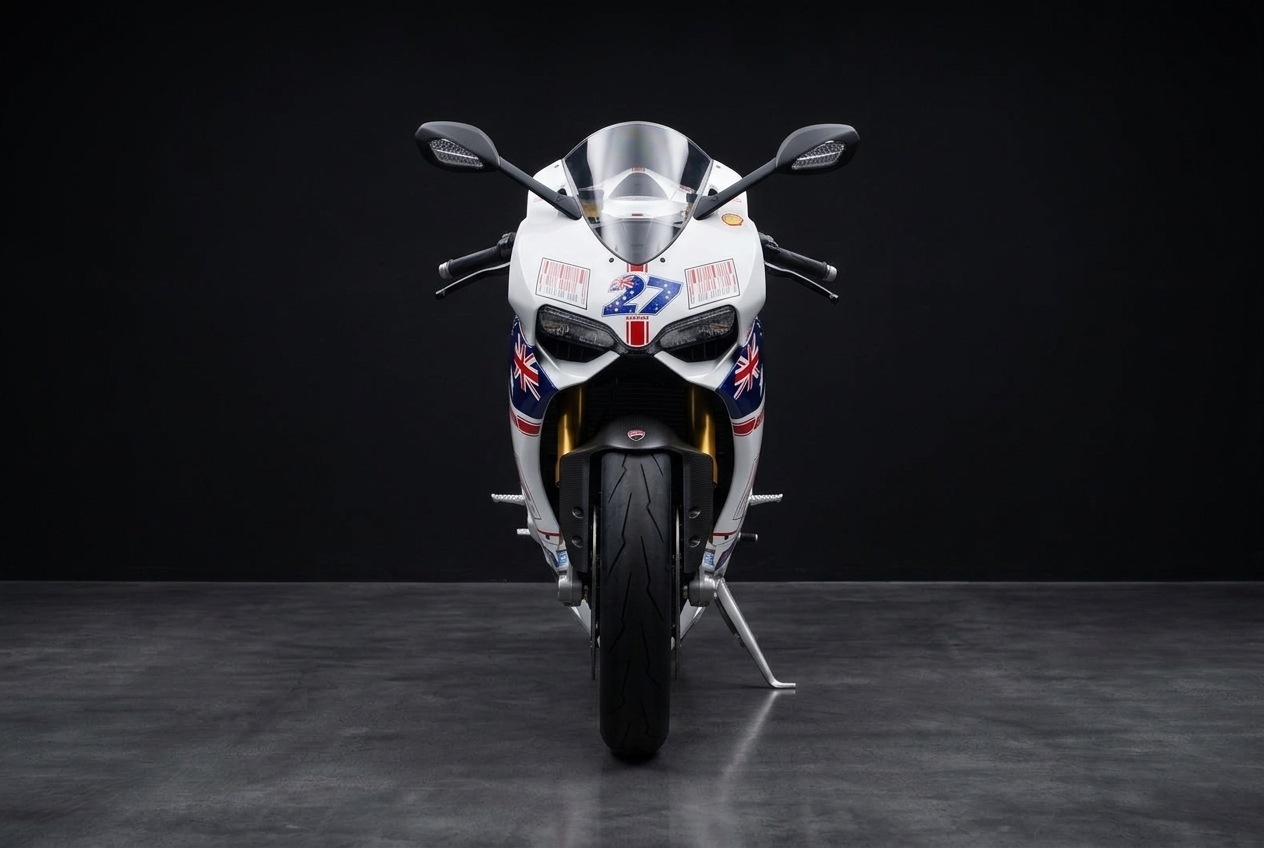
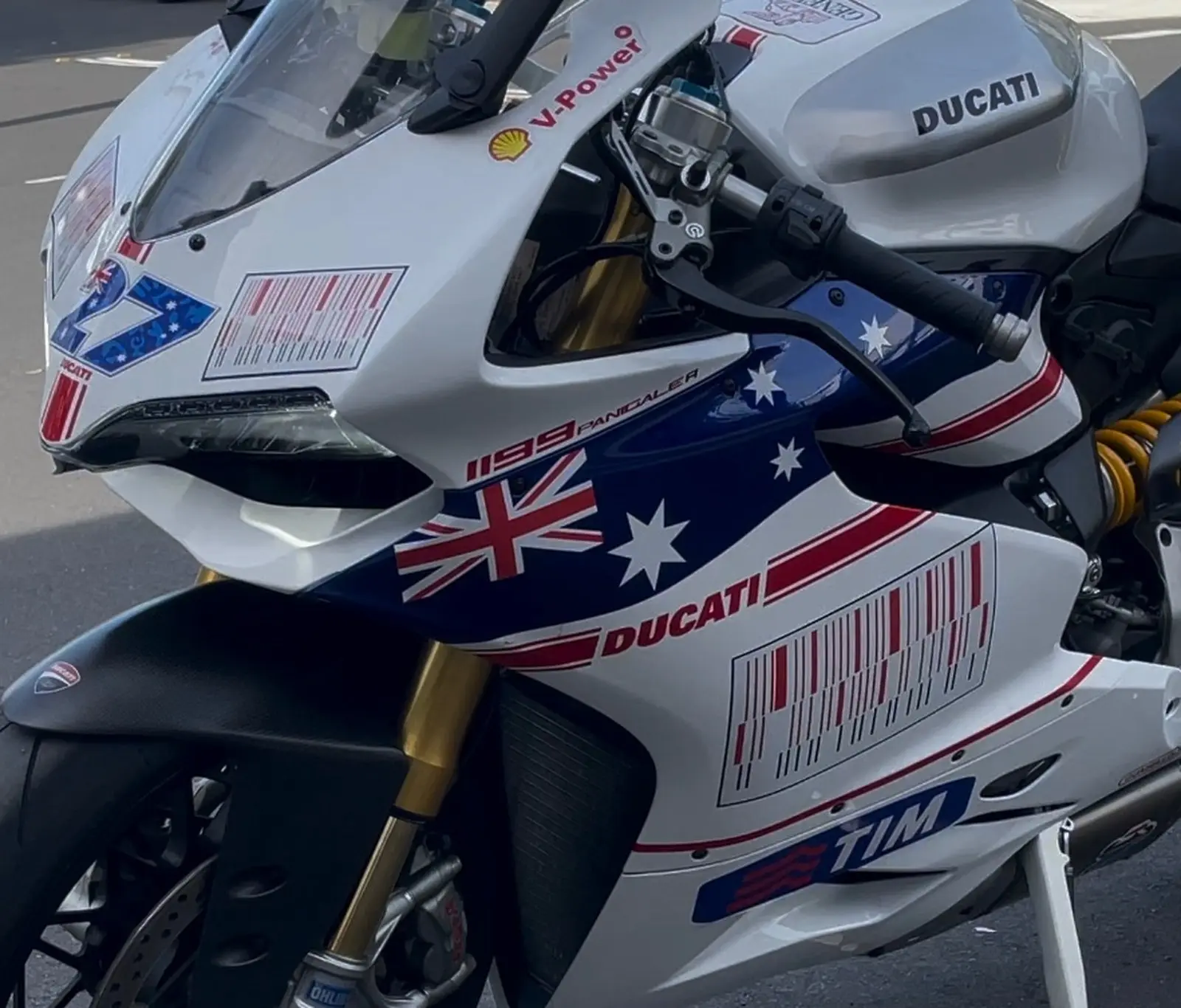
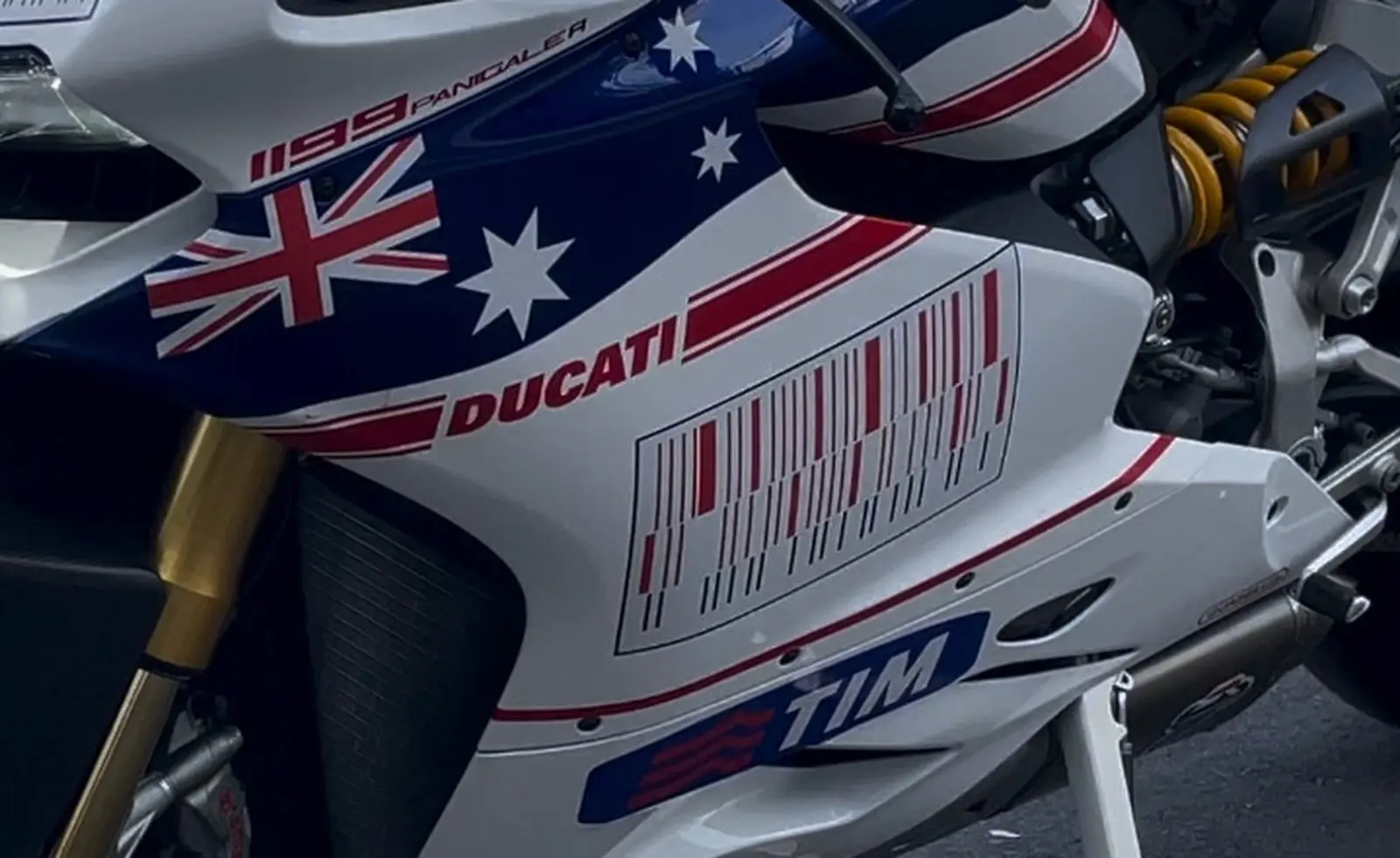
The Ducati 1199R is a machine for riders who have earned their time on a serious bike. Its V-twin produces 143 kW, and the gold forks, black forged wheels and Australian flag livery make it an unmistakable presence on a quiet road. On rural roads in spring, the bike is at its best when the rider uses that power with restraint and a clear view of the road ahead.
Plan your spring ride around the animals, the light and the surface, and let the bike do the rest. The link below takes you to the Ducati 1199R page, where you can book a day that suits your experience and the season.
Frequently asked questions
Which animals are most likely to cross rural roads in spring?
Kangaroos and wallabies are the most common crossers, especially at the start and end of the day. Wombats are also frequent, and their dark shape can be hard to see at the roadside. Emus, cattle and horses appear on farm country as well. Treat every animal near the edge of the bitumen as a possible crossing, and slow down wherever you see fences, gates or grazing paddocks close to the road.
What speed is safe on a country road with animals about?
There is no single figure that suits every road. The right pace is the one that lets you stop within the distance you can see, with room to spare for an animal that appears in the lane. Reduce speed on the sections where the verges are grassy or the fences show livestock nearby, and ease off further at dawn and dusk. Always ride to the conditions in front of you, not the posted limit alone.
What should I do if I hit an animal?
Stop safely as soon as you can, well clear of traffic, and check yourself and the bike before you do anything else. If a person is hurt, call emergency services. For an injured animal, contact local wildlife rescue or the police for advice rather than approaching it on the road. Take photographs of the scene if it is safe to do so, and make sure the bike is safe to ride before you continue.
Is it sensible to ride early in the morning in spring?
Yes, provided you adjust for the low light. The first hour after sunrise can be quiet and beautiful, but the sun is low and can hide animals in the shadows on the verge. Keep your visor clean, look carefully at the shadows, and slow down when the sun sits directly ahead. Riding at dawn is not banned, and many riders prefer the cooler air and quieter roads of the early hours.
How do I spot a wombat at the roadside?
Look for a dark, low shape near the edge of the bitumen or in the grass beside the road. Wombats are heavy, stocky animals that can blend into the shoulder, especially at dawn and dusk. Slow down when you see a mound or a dark patch at the verge, and keep your eyes on the edge of the road rather than only the middle of the lane. A little extra scanning makes a big difference.
Is the Ducati 1199R right for quiet country roads?
The Ducati 1199R suits experienced riders who want a powerful, focused machine on quieter roads. Its engine rewards a smooth, measured approach, and it is best ridden with restraint on open country roads where animals may appear. It is not a bike for a rider still building confidence on rural surfaces. If you are unsure about your experience, speak to our team before you book and plan a route that matches your ability.
Ready when you are. Pick your dates and book the Ducati 1199R online, or call us and we will sort it with you.
Book NowCall 0468 011 118