
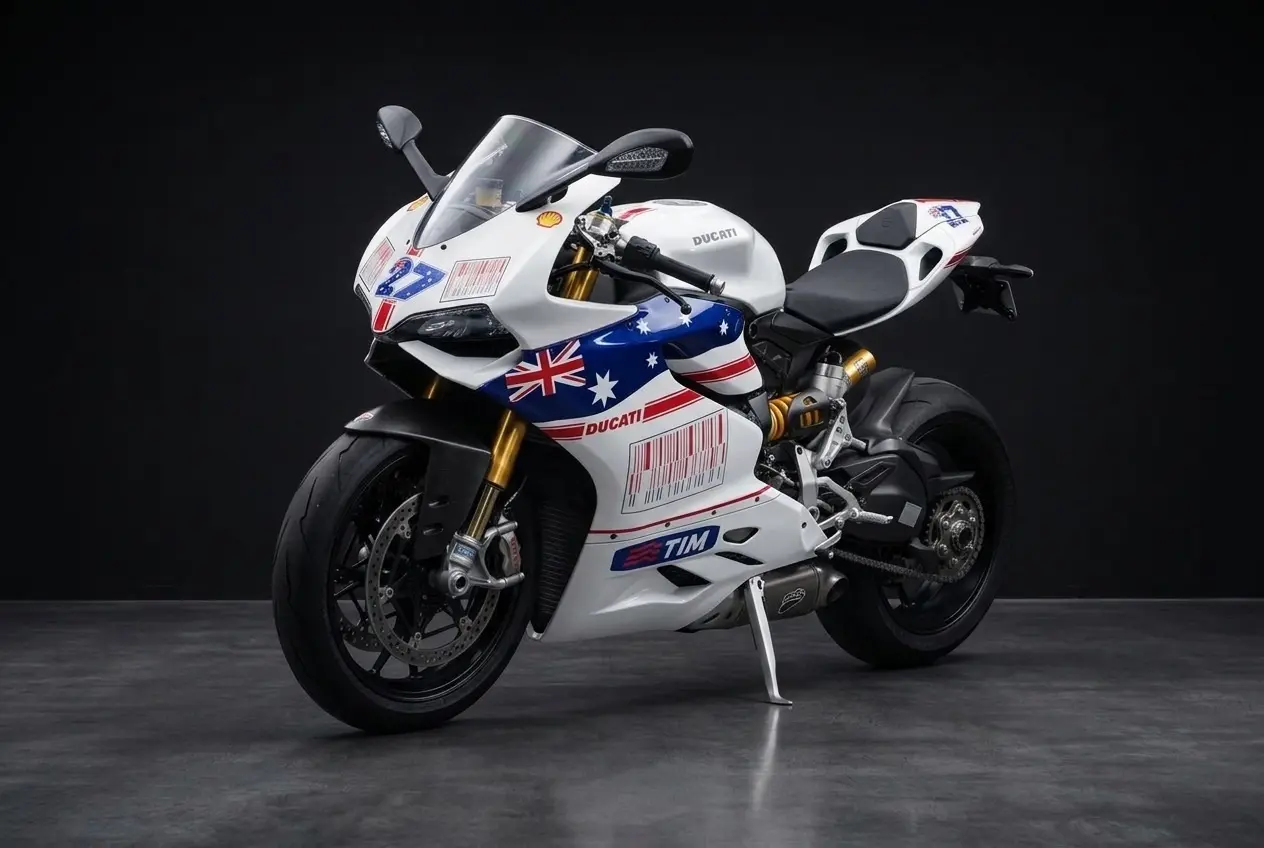
Book the Ducati 1199R. Pick your dates and book the Ducati 1199R online, or call us and we will sort it with you.
Book NowCall 0468 011 118Every bike corners on the weight it carries, and that weight includes the rider, the gear in the panniers and any passenger. The tyres do not know who is sitting on the seat, they only feel the load pressing down through the contact patch. Understanding how load changes tyre behaviour, suspension feel and the lean angle you can comfortably hold helps any rider ride inside the grip available. This guide explains the physics in plain terms and shows how to adjust your riding to match.
For the bikes we hire, who can ride them and how a hire runs, see motorbike hire in Sydney.
Why load changes the way a bike corners
When a bike leans into a corner, the tyres generate grip by pressing against the road through a small patch of rubber. The amount of grip available depends on how hard that patch is pushed down, how the rubber is warmed and how the surface behaves beneath it. Add weight to the bike and the contact patches carry more load, which changes how the tyres respond to lean, steering input and braking.
Load does not reduce grip in a simple, linear way. Tyres grow more stable up to a point, then the benefit fades as the rubber is compressed further and the contact patch deforms. For most riders on most roads, the practical result is that a fully loaded bike feels heavier to turn in, slower to change direction and more deliberate through the transitions between corners.
This does not mean a loaded bike is unsafe. It means the margin you need is different, and the way you enter, hold and exit a corner should respect the extra weight. Once you understand what the bike is telling you through the handlebars and the seat, the changes become easy to read and easy to manage.
Where the weight sits: rider, gear and luggage
The position of the load matters as much as its size. A rider who sits forward and tucks in keeps their weight close to the centre of the bike, which helps the front and rear tyres share the work evenly. A rider who sits back, or who carries luggage high or far behind the seat, shifts the balance and can make steering feel vague in the first part of a turn.
Keep heavy items low and close to the bike's centre wherever you can. A soft bag strapped securely to the seat or a set of panniers balanced left and right will feel very different from a single heavy item clipped on one side. Check the straps and mounts before you leave, and recheck them after the first kilometre, because loads can settle as the bike warms up.
Passengers change the picture more than anything else. A passenger adds a large amount of mass well behind the rider, sitting on the part of the bike that is already carrying the luggage. Talk through the change with your passenger before you start, ask them to sit still and lean with you, and expect the bike to feel heavier to steer at low speeds.
Tyre pressure, temperature and grip
Tyre pressure is one of the simplest levers a rider has. A tyre that is too soft has a larger, less stable contact patch and can feel sluggish, while one that is too hard can skate over a surface and feel nervous at the edge of the grip. Check the pressures recommended for the bike and the load you are carrying, and check them when the tyres are cold, before you ride.
Temperature matters as much as pressure. Tyres grip best once they are warm, and a cold morning can leave the rubber firm and less willing to bite. Ease into the first few kilometres with modest lean angles and gentle throttle inputs, and let the tyres come up to temperature before you ask them for more grip.
Watch for changes after a long run. Warm tyres can read a different pressure from cold ones, so a check at the start of the day and a quick look after a long stop will tell you whether the set-up still suits the load. A rider who keeps an eye on these small details finds the bike much more consistent through the bends.
Suspension set-up for the load you carry
Suspension is the part of the bike that absorbs the extra load first. Preload, damping and rebound all affect how far the bike sinks under weight and how quickly it recovers, and a set-up that suits a light rider on their own may feel too soft or too firm when a passenger or heavy luggage is added. The Yamaha MT-09 SP has premium adjustable suspension, so its settings can be tuned for the load on the day.
If you adjust preload, do it in small steps, and check the sag with the bike loaded as you will ride it. Sit on the bike in your normal position, then have someone help you measure how far the suspension compresses. Make changes gradually, and ride the bike around a quiet block before you commit to a longer route.
Settings that feel good on a flat road can feel different on a hill. Downhill bends put more weight on the front, while climbs shift load toward the rear. Think about the terrain you are about to ride and whether the set-up will hold the bike steady through the corners you expect to meet.
Entering and exiting corners with a loaded bike
A loaded bike rewards a smooth, deliberate entry. Set the speed on the straight, let the bike settle upright and then begin the lean with a steady, progressive input. A late or sharp steering movement asks more of the tyres than they can give when they are already carrying extra weight, so avoid snatching the bars at the turn-in point.
Braking needs the same care. More weight means the front tyre is loaded more heavily under the brakes, and that can increase the effect of a hard grab. Use the front brake progressively on the approach, and keep the bike upright until the speed is where you want it. Avoid braking when the bike is at full lean, because the weight transfer then becomes harder to control.
The exit is where a loaded bike shows its character. Add throttle gently as the bike comes upright, and let the power build through the corner rather than snapping open. A smooth exit keeps the rear tyre loaded evenly and helps the bike track cleanly toward the next section of road.
Want the Ducati 1199R for your date? Pick your dates and book the Ducati 1199R online, or call us and we will sort it with you.
Book NowCall 0468 011 118Hill roads such as Bells Line of Road
Bells Line of Road is a useful place to practise these ideas, because it combines long sweeping bends with tighter corners and changes in surface and camber. The road climbs and falls through hilly country, and the sections you ride will ask different things of the tyres and the suspension. Treat each change as a prompt to check your load and your lean, rather than as a surprise.
Surface quality varies along the road, and patches of repair or worn seal can reduce grip for the bike and the load. Approach these sections with a gentle line and avoid braking on them. Where the road is wet, or where leaf litter collects on the outside of a bend, the extra weight will make any slip harder to catch, so ease off earlier.
The road to Wisemans Ferry offers a different challenge, with bends that follow the contours of the land and open stretches where traffic can build quickly on weekends. Use the open sections to test how the bike feels with its load, and save the tighter bends for when you are confident the set-up is right. Check road conditions with Transport for NSW before you leave, as works and closures can change a route at short notice.
The Ducati 1199R and the feel of a loaded bike
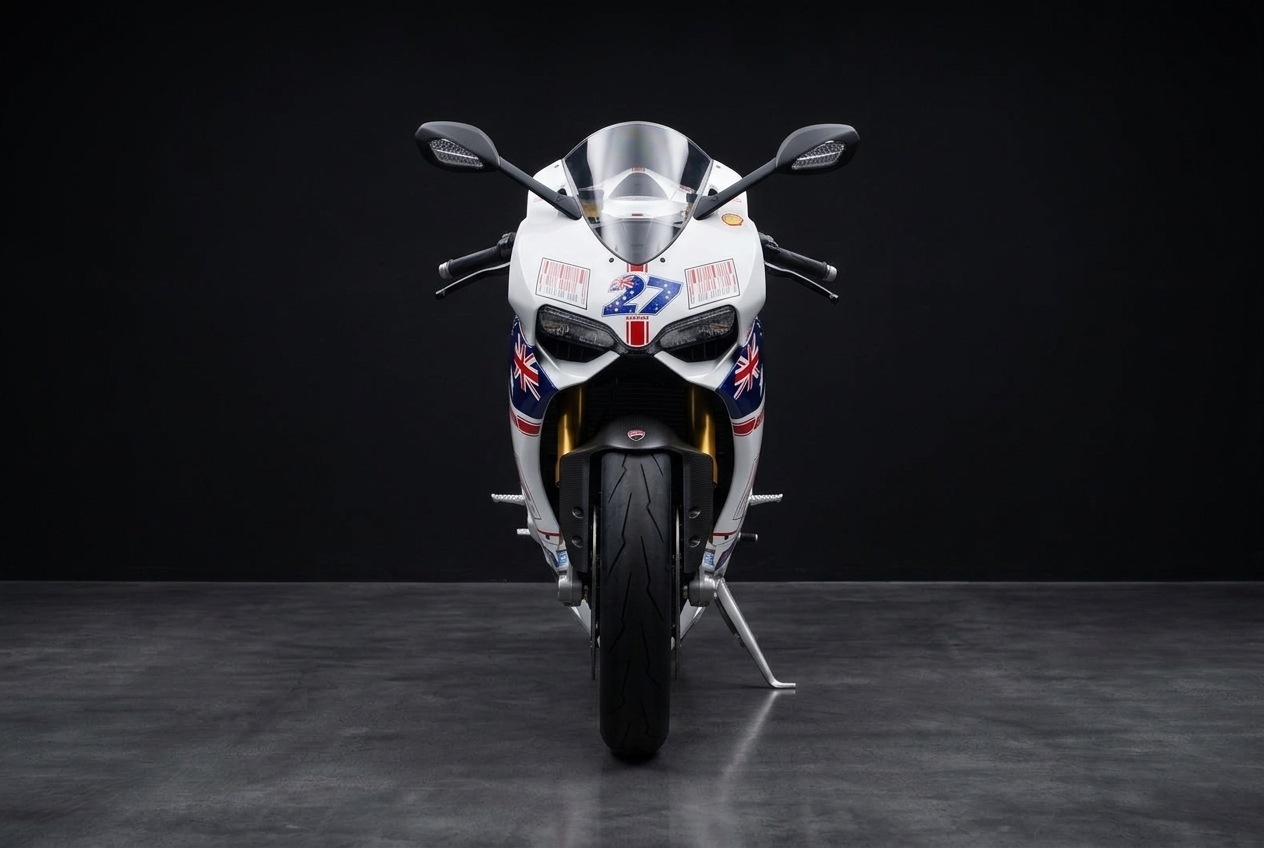
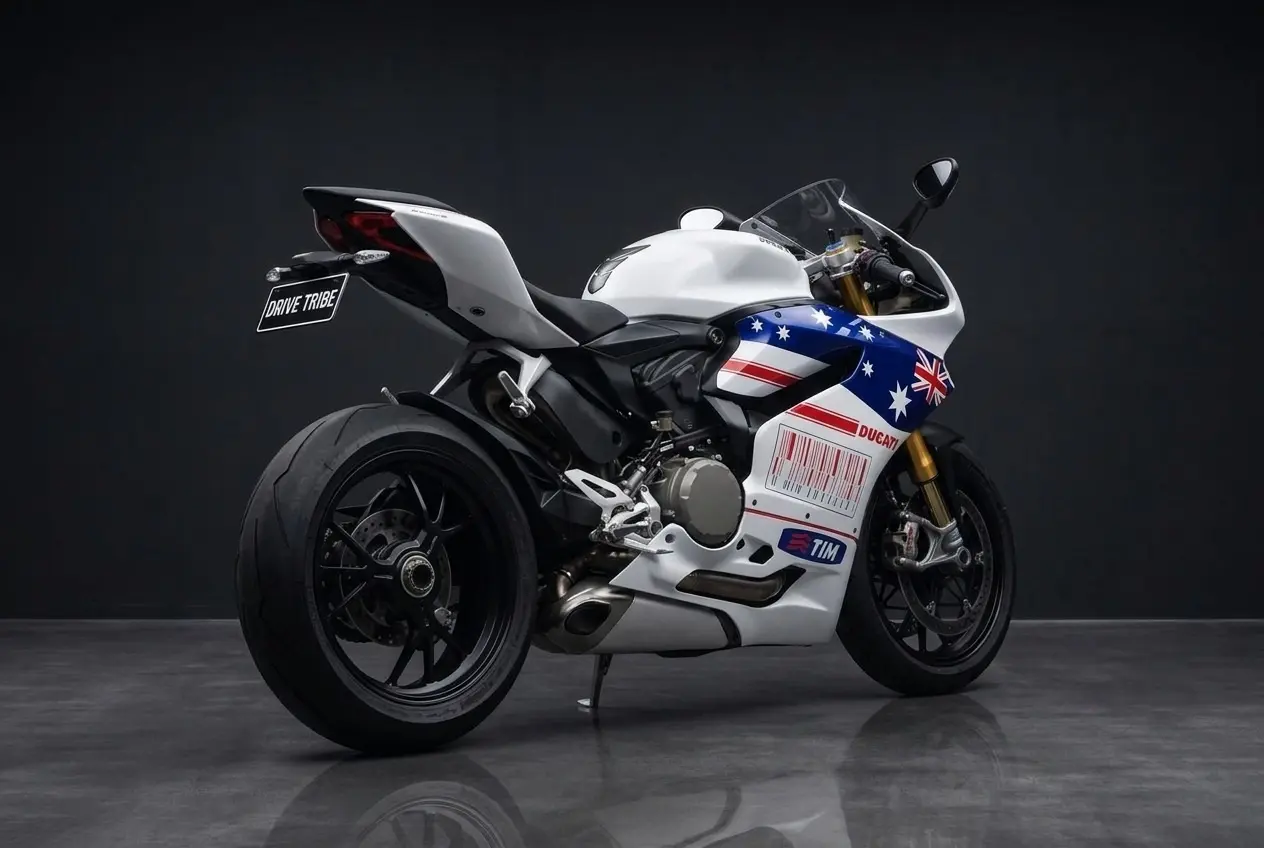
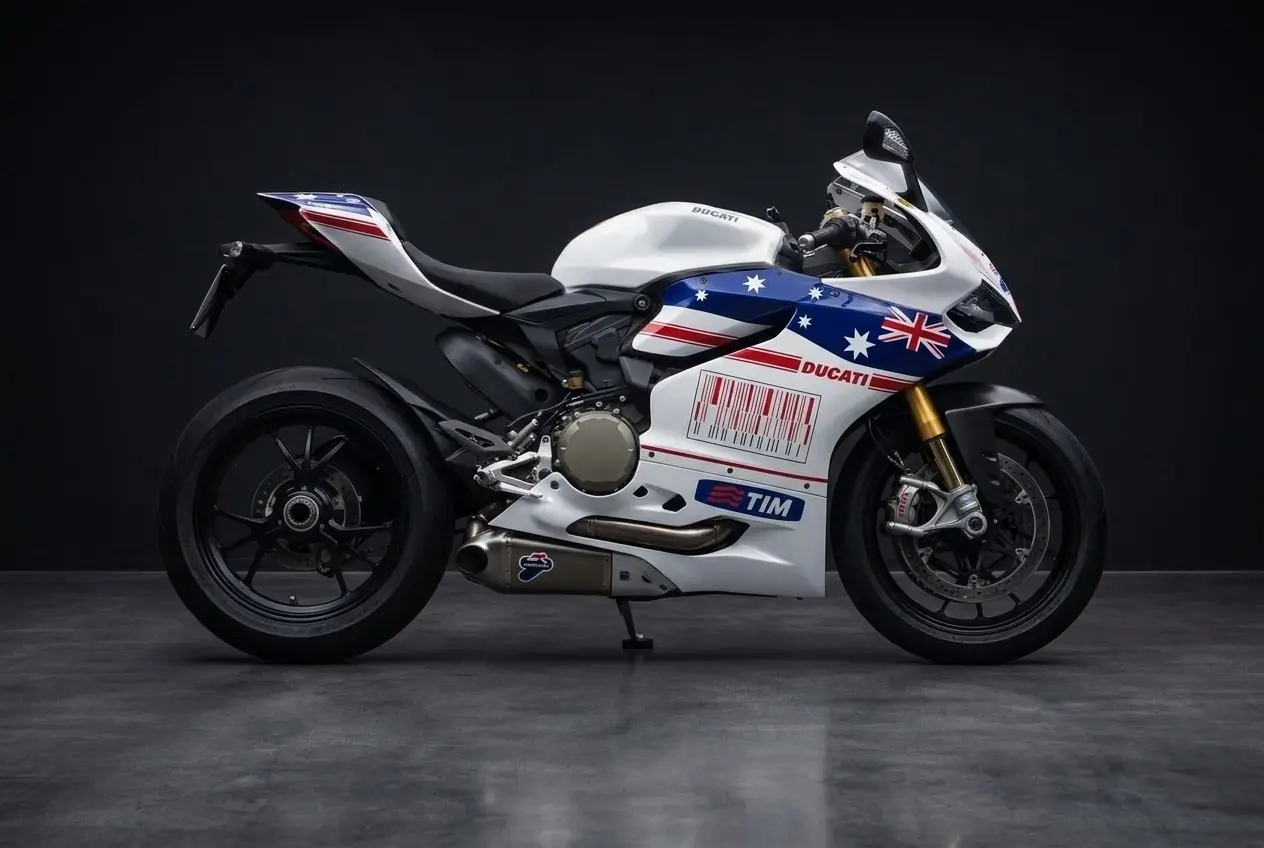
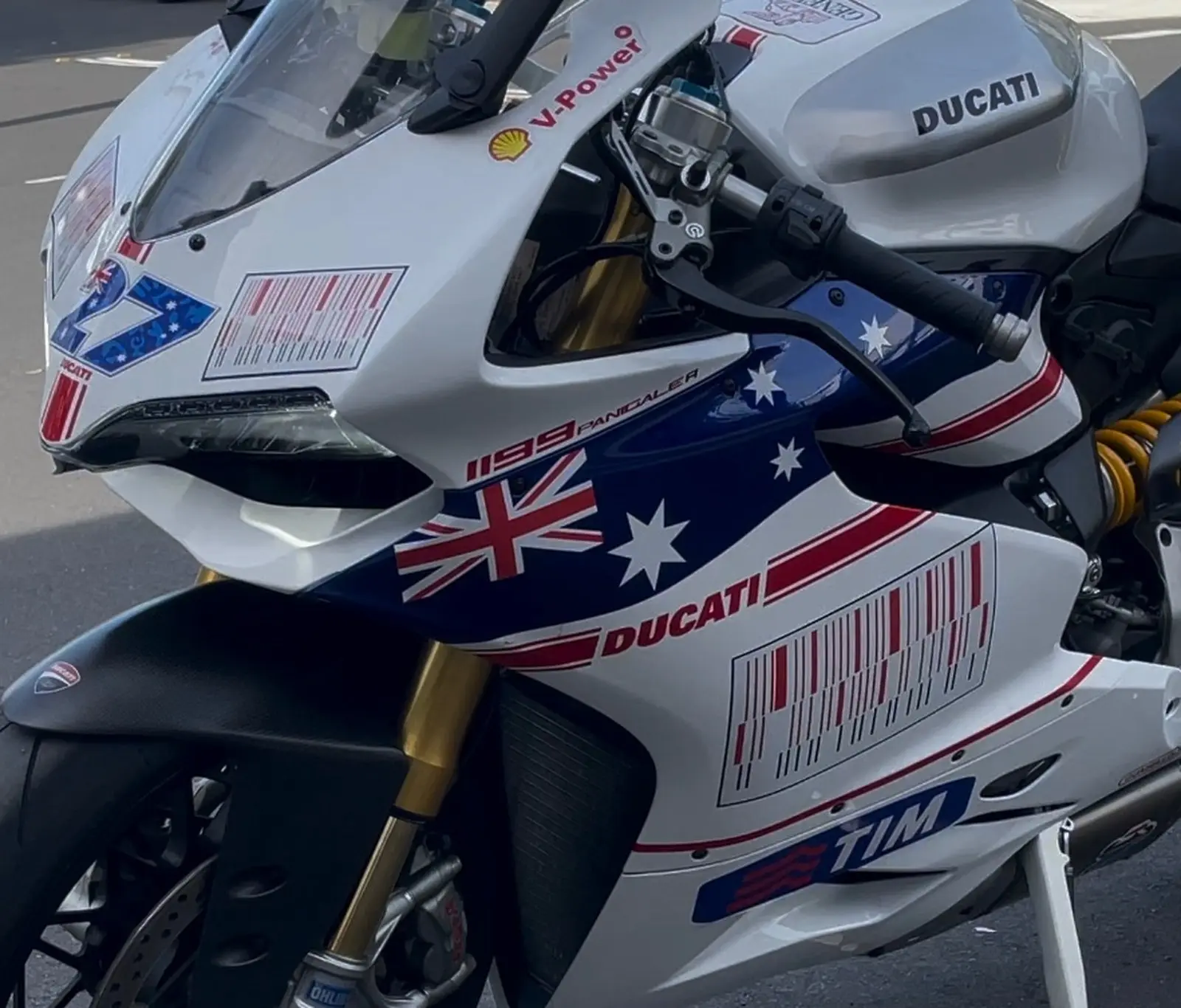
The Ducati 1199R Panigale is a superbike for experienced riders, and its character is built around precise steering and strong, focused power. Its V-twin produces 143 kW, and a rider who understands how load shifts the front and rear tyres can use that power with confidence. Riders who are new to the bike should expect the steering to respond sharply to small inputs, and to feel the difference when weight is added or moved.
Gold front forks and black forged wheels give the bike a sporting, planted look, and the bike rewards a rider who keeps their weight balanced and their inputs calm. Load is not a reason to avoid the bike, but it is a reason to take the first few corners slowly, learn how the set-up feels and then build up your pace as you gain confidence.
The MV Agusta F4 offers a similarly focused experience, with its 998cc inline four and performance exhaust, but the principles in this guide apply to every bike we rent. Whichever bike you choose, the approach is the same: respect the load, let the tyres warm and make every input smooth. Our fleet index at /our-fleet/ compares the three machines.
Best time of day, season and planning fuel
Mid morning to mid afternoon is the most comfortable window for riding with a loaded bike. The tyres have had time to warm, morning dew has cleared from the shaded bends, and the traffic is usually lighter than at the weekday peaks. Starting once it is fully light gives you a good view of the road surface and time to check the set-up before any challenging bends.
Autumn and spring suit a loaded bike best, because temperatures are steadier and tyres warm more predictably. Winter mornings can leave the surface cold and damp, which reduces grip for every rider, and summer afternoons can bring heat and heavy holiday traffic on the hill roads. Plan your longest section for the mild part of the day.
Fuel range changes when you carry extra luggage, because the bike can use more fuel at higher loads and the stops may be further apart on quieter routes. Fill the tank before you leave the outer suburbs, choose a food stop at a sheltered pull-off, and avoid long stretches with little fuel in reserve. A short break also lets you recheck the straps and the pressures before you ride on.
Gear, fatigue and the hire terms that apply
Protective gear matters on every ride, and it matters even more when you are learning how a loaded bike feels. A well-fitted helmet, a jacket with armour, gloves, boots that cover the ankle and motorcycle trousers all help.
Fatigue reduces the feel you have for the tyres and the bike, so take a break every hour or so and stretch your back and wrists. Cold mornings and wet surfaces demand a gentler approach, and wildlife on the hill roads is most active around dawn and dusk. Slow down when the light is low, and be ready to stop if the bike feels unsettled.
Hiring from us means self-driving from our Parramatta base, on a minimum of three days. To take a bike out you need a full motorcycle licence that you have held for a minimum of three years, and you must be at least 25 years old. Gear can be hired by the day for each rider or brought from home, a helmet replacement fee applies if a helmet is lost or damaged, and the seat behind the rider on the Yamaha MT-09 SP is open to one passenger aged 16 or over, while the Ducati and the F4 carry only their rider. Use the Book Now button on this page to reserve the Ducati 1199R, and begin with a short, gentle run to learn how it carries its load.
Frequently asked questions
Does rider weight really change how a bike corners?
Yes, because the tyres carry the total weight of the bike, rider, gear and any luggage. More load changes how the tyres grip, how the bike steers and how the suspension moves through a bend. The effect is usually noticeable at the turn-in and on braking, so take the early corners gently to learn how the bike feels with its load.
What tyre pressure should I use when carrying luggage or a passenger?
Use the pressures recommended for the bike and the load you are carrying, and check them when the tyres are cold. Too soft a tyre can feel sluggish and unstable, while too hard a tyre can skate and feel nervous at the edge of grip. Recheck after a long stop, since warm tyres can read differently from cold ones.
Should I change the suspension for a heavier load?
On an adjustable bike such as the Yamaha MT-09 SP, small changes to preload can help the set-up suit the weight you carry. Make adjustments gradually, measure the sag with the bike loaded and test the result on a quiet road before a longer ride. If the bike still feels unsettled, slow your pace until you have time to think it through.
How should I brake when the bike is carrying extra weight?
Use the front brake progressively on the approach, and keep the bike upright until the speed is where you want it. More weight loads the front tyre more heavily under braking, so avoid grabbing the lever. Avoid braking at full lean, because the weight transfer becomes harder to control and can unsettle the bike through the corner.
How does a passenger change the way a bike steers?
A passenger adds mass well behind the rider, so the bike can feel heavier to steer at low speed and the suspension sits lower under the extra load. Talk through the plan before you set out, ask your passenger to sit still and lean with you, and keep your inputs gentle through each corner. Start with a short run on quiet roads, and build up only once the bike feels settled.
Where is the best place to practise riding a loaded bike?
Start on a quiet, sealed road with good sight lines and open bends, and keep the tyres warm before you attempt anything technical. Once the set-up feels right, move to hill roads with a range of corners. Never take a loaded bike onto unsealed or gravel surfaces, since our road bikes are meant for sealed roads only.
Ready when you are. Pick your dates and book the Ducati 1199R online, or call us and we will sort it with you.
Book NowCall 0468 011 118