
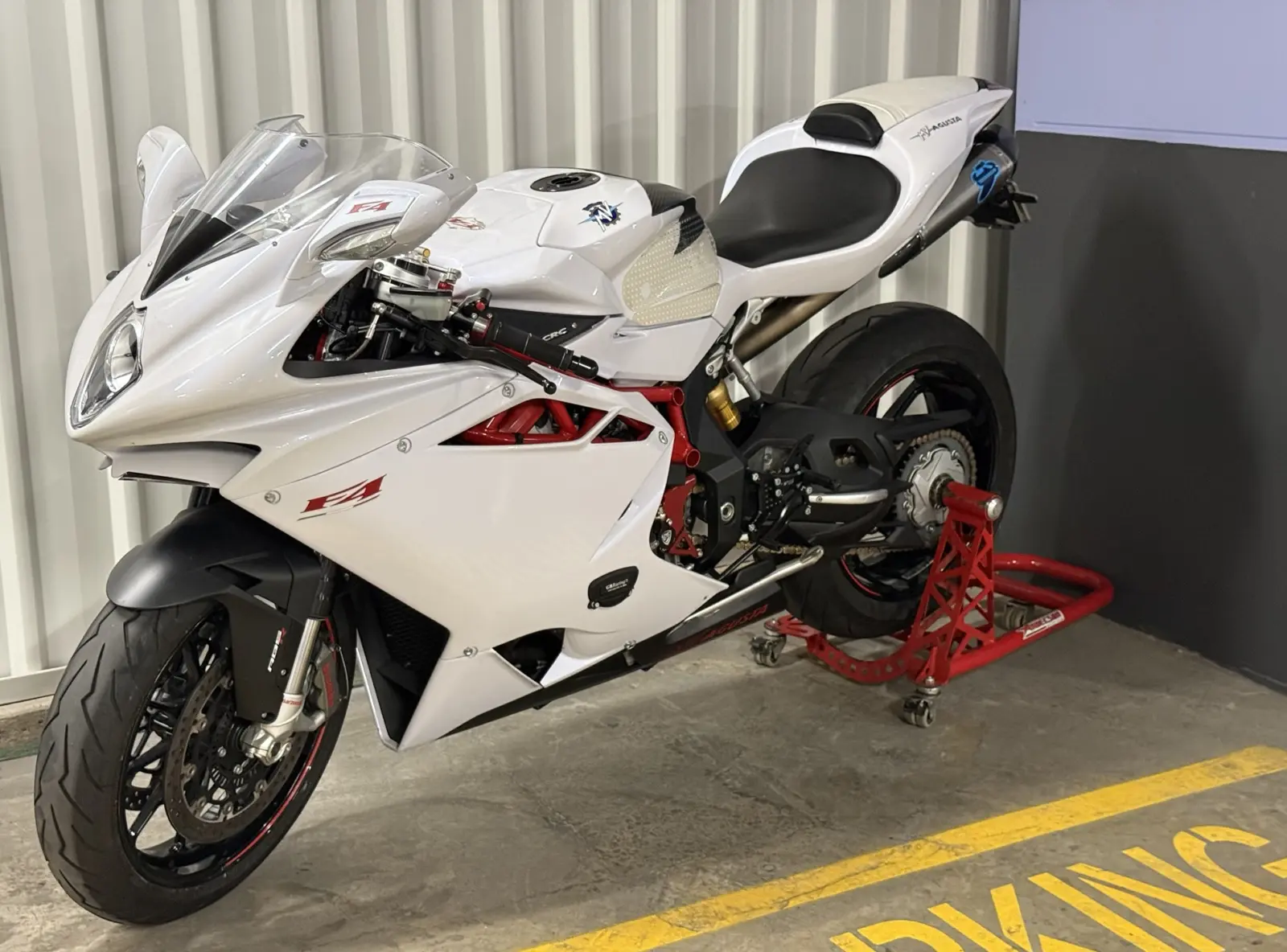
Book the MV Agusta F4. Pick your dates and book the MV Agusta F4 online, or call us and we will sort it with you.
Book NowCall 0468 011 118A long country ride takes its toll on the arms long before it tires the legs. Every crack in the seal, broken edge and ridge at a driveway passes through the bars and into your hands, wrists and shoulders. Used well, your elbows act as natural shock absorbers, letting the bike move beneath you while the upper body stays calm. The skill is simple to describe and takes patience to master: relax, bend and let the bike do its work.
New to riding with us? Our page on motorbike hire in Sydney covers the bikes, the rider rules and how pick-up works.
Why bumps hurt more than you expect
Bumps are easy to underestimate on a sealed road. A crack in the seal, a ridge where two surfaces meet or a dip where the road has settled can feel harmless at walking pace and jarring over a long country run. The shock travels through the tyres and frame, then lands in your hands, wrists and shoulders. Over several hours, that steady jolting becomes tiredness that quietly clouds your judgement.
Stiff arms make bumps worse. When the elbows lock and the grip tightens, the upper body cannot move with the bike, and every impact travels straight back through the arms. A rider who braces for every bump often feels worn out by lunchtime, while a relaxed rider covers the same stretch with energy to spare and a clearer view of the road ahead.
The answer is not to fight the road. It is to let your body absorb what the bike cannot. Relaxed elbows, a light grip and soft shoulders act as a flexible link between you and the machine. Learning to use that link is one of the most practical skills a rider can develop, and it pays off on every long day in the saddle.
The elbows as natural suspension
Think of your elbows as the first stage of your personal suspension. When they are bent and loose, they rise and fall gently with the bike, soaking up sharp inputs before they reach your shoulders. Keep them out to the sides in a natural position rather than tucked tight against your body, so they have room to move. The bike handles the big movements, and your arms take care of the small ones.
Start by checking your posture at a stop. Sit upright and let your arms reach the bars comfortably, then bend the elbows slightly. You should feel that your upper body can move without the bars twisting in your hands. If your elbows feel locked or your shoulders creep toward your ears, relax them deliberately and breathe out until the tension drains away.
Practise the movement on a quiet, smooth road before you attempt it on rougher surfaces. Notice how the bike feels when you keep your elbows soft through a dip, compared with holding them rigid. The difference is clear, and once you have felt it, you will find yourself returning to that relaxed position without thinking about it.
Grip, wrists and the light touch
Your grip is the next link in the chain. A white-knuckle hold transmits every vibration straight into the bars, and it makes the front end feel nervous over broken patches. Hold the grips firmly enough to keep control, but no tighter. Picture holding a small bird without crushing it, and you will have roughly the right pressure.
Keep your wrists relaxed and straight. Bent wrists and a rigid forearm stop the arms from working as shock absorbers, and they tire quickly on a long day. Let the wrist move gently with the bars, and avoid pushing or pulling on the handlebars to correct small movements. Small, relaxed inputs keep the front wheel tracking where you point it.
Use the same light touch on the controls. The clutch, brake and throttle all respond better to smooth, relaxed pressure than to sharp, forceful squeezes. A relaxed hand is also a warm hand, and that matters on cool mornings, when stiff fingers make every control harder to feel accurately.
Shoulders, back and how you sit on the bike
Shoulders carry a surprising amount of tension on a long ride. Many riders hunch forward into the wind, lift their shoulders when concentrating and forget to breathe. Each time you notice that tension, drop your shoulders, roll them back gently and take a slow, full breath. The motion reminds your upper body that it is allowed to move with the bike.
Your back supports everything else. Sit up with a natural curve in your lower back, keep your head level and let your core do its share of the work. A slouched rider loses the ability to move freely, and a rigid rider cannot absorb the bumps. The aim is an alert, balanced posture that feels comfortable for hours, rather than a stiff pose you hold for minutes.
Change your position on long days. Stretch your back at each stop, shift your weight slightly on the seat when it is safe to do so and check that your posture has not drifted during the day. Small adjustments prevent the slow build of stiffness that can make the last hour of a ride harder than the first.
Reading the surface ahead
Reading the road lets you prepare your body before each bump arrives. Look ahead for the signs of a rough patch, such as a change in the colour of the seal, a line of repairs, a shimmer of heat on the bitumen or a shadowed dip. Anticipation turns a jolt into a gentle movement, because your arms and shoulders are ready before the impact.
Some surfaces need a different response. Broken edges near the shoulder call for a steady line and a position away from the worst of the break. Ridges across the road are best crossed slowly and at a steady angle rather than at a sharp lean. Tar patches can feel slippery when hot or wet, so ease the pressure on the controls before you cross them.
Our bikes stay on sealed roads, and we do not recommend unsealed or gravel roads for them. If a road turns into loose surface, turn around and find the sealed route instead. Even on a sealed road, a rough patch can be more demanding than a loose one, so respect every change in the surface and keep your pace in line with what you can see.
Best time of day and season on country roads
Country roads reward a mid-morning start, after the frost has cleared and the day has begun to warm. Riding in the cold before the sun is up is not part of our plan, so start after first light and once the frost has lifted from the shaded bends. Aim to finish the long open stretches before the afternoon heat and glare build.
Season changes the way bumps feel. Autumn and spring give comfortable temperatures and the most reliable grip. Summer heat softens tar and can make the bumps feel harder after hours in the sun, while winter frost and shade can hide a rough patch until you are on it. Choose a day with stable weather and plan your rest breaks around the conditions.
Traffic on country roads varies. Local farm vehicles, trucks and tourist caravans share the lanes, and weekends bring more visitors to the small towns and lookouts. Expect slower vehicles on the climbs and through the towns, and give trucks room, since their wheels can throw loose material toward the edge of the lane. Patience keeps the long day enjoyable for everyone.
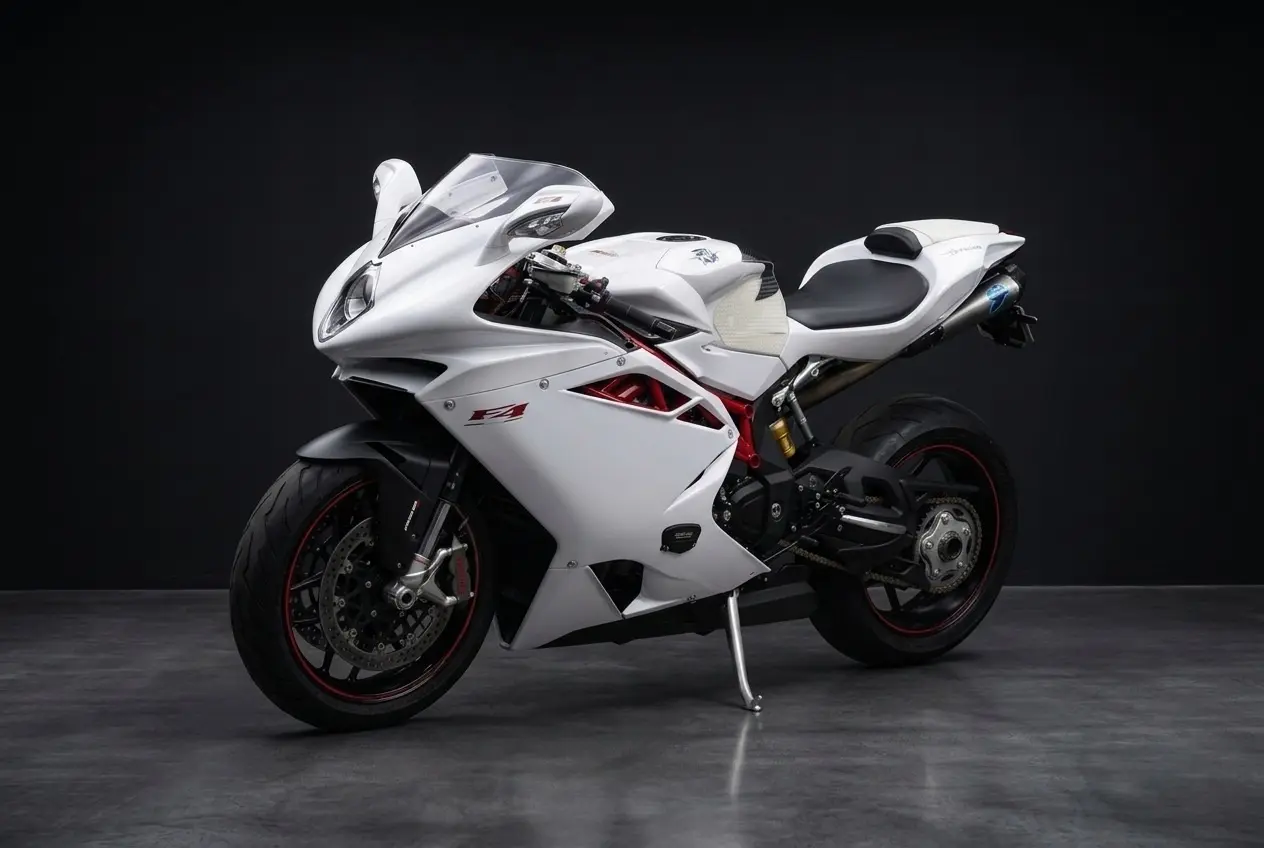
Want the MV Agusta F4 for your date? Pick your dates and book the MV Agusta F4 online, or call us and we will sort it with you.
Book NowCall 0468 011 118Fuel, food and rest on the long run
Fuel is part of riding comfortably over a long distance. Top up before you leave the last large town, then refuel at each sensible opportunity. A long search for fuel adds stress to tired arms and shoulders, so build in a margin. Check the next fuel point on your route card before you set off again.
Food and water help your muscles stay relaxed. Eat something light before the ride and carry water for the stretches between towns. Dehydration tightens the body and makes bumps feel sharper, so drink little and often. A short break in a sealed, clear spot lets you shake out your arms and loosen your shoulders.
Rest breaks are where your body resets. Stop every hour or so, step off the bike, stretch your fingers, wrists, elbows and shoulders, and look over the bike for anything unusual. A few minutes of movement does far more for arm fatigue than pushing on through the stiffness.
- Top up before leaving the last large town
- Eat light food and carry water
- Stretch arms and shoulders every hour
- Rest only in clear, sealed spots
Cold, wet weather and arm fatigue
Cold makes arms stiff and fingers less responsive. On winter mornings, tight forearm muscles pass more shock to the bars, and cold hands feel the controls less precisely. Wear insulated gloves that fit well, keep your sleeves covered and give your body a few minutes to warm before you push the pace.
Wet weather demands even softer inputs. Painted lines, leaves and damp tar patches can make a bump feel like a skid, so keep the grip light and your elbows relaxed as you ride through. Rain also makes the bars feel slippery, and a tight hold can make you react in a rush. Gentle, deliberate movements are the safest response.
Fatigue in the arms and shoulders can cloud judgement too. A rider whose arms are aching may begin to tense up for longer, rougher stretches, and that tension is what makes bumps feel dangerous. If your arms or shoulders start to ache badly, stop, rest and shake out the tension before going on.
Safety, the hire terms and a long day
A long country ride asks for steady concentration, sensible pacing and gear that suits the conditions. Wildlife is active on verges at dawn and dusk, so slow near bush edges and scan the roadside. Alcohol has no place in any part of the day, before or during. Check road conditions with Transport for NSW before leaving, since closures and roadworks can change a route overnight.
Riders need a full motorcycle licence that has been held for three years or more, and must be 25 or older. Between 9pm and 6am the bike is kept locked in a garage or in secure off-street parking, so plan your overnight stop with that in mind. Should we think a rider is acting unsafely, we can bring the hire to a close.
Our kit hire is a per-person daily extra, and you are welcome to use your own instead. A full-face helmet, armoured jacket and pants, gloves and boots that protect your ankles form the foundation. Dress for the coldest part of the day, since the wind on open roads chills quickly, and sort your gear before you leave the depot.
Taking the MV Agusta F4 on the open road
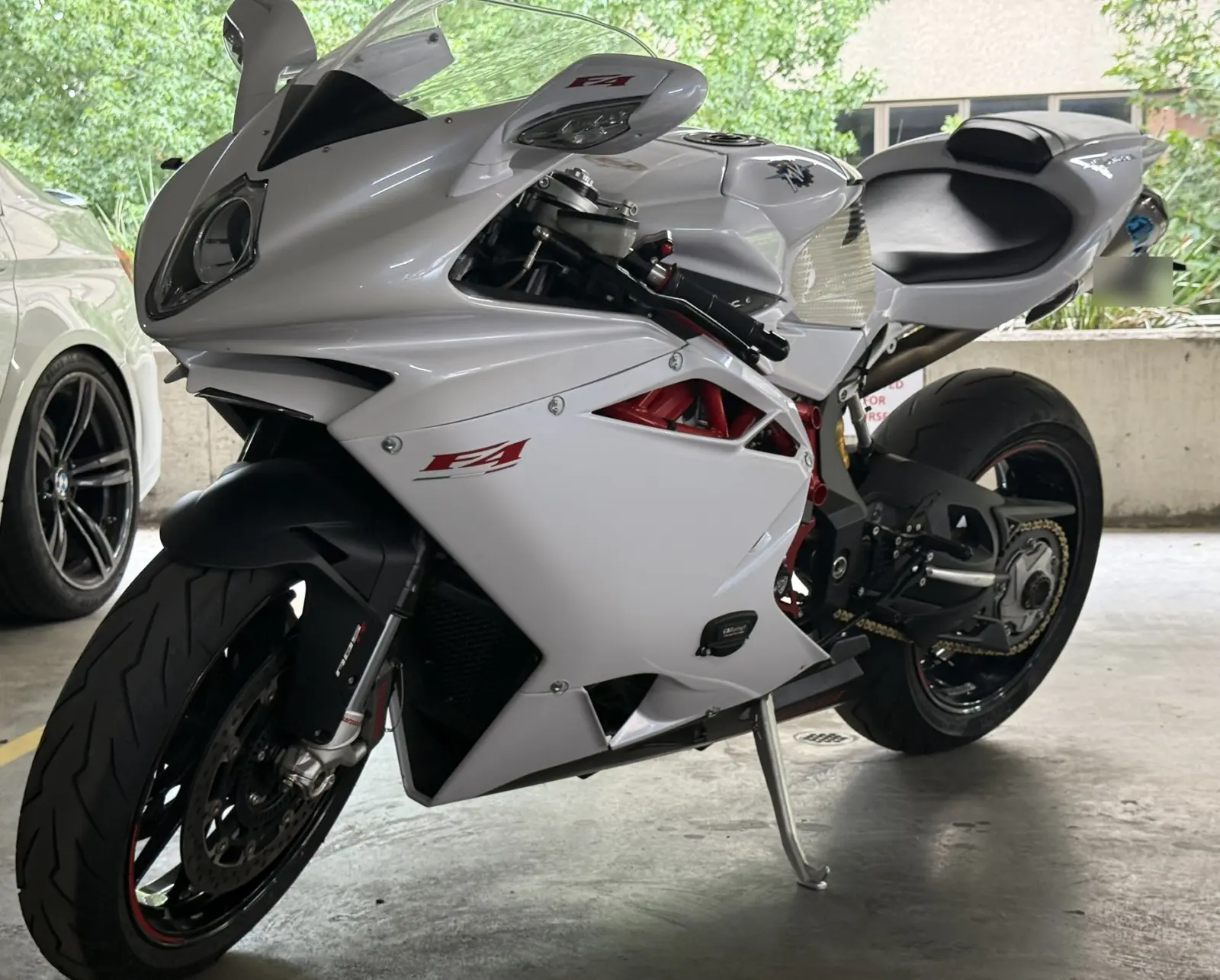
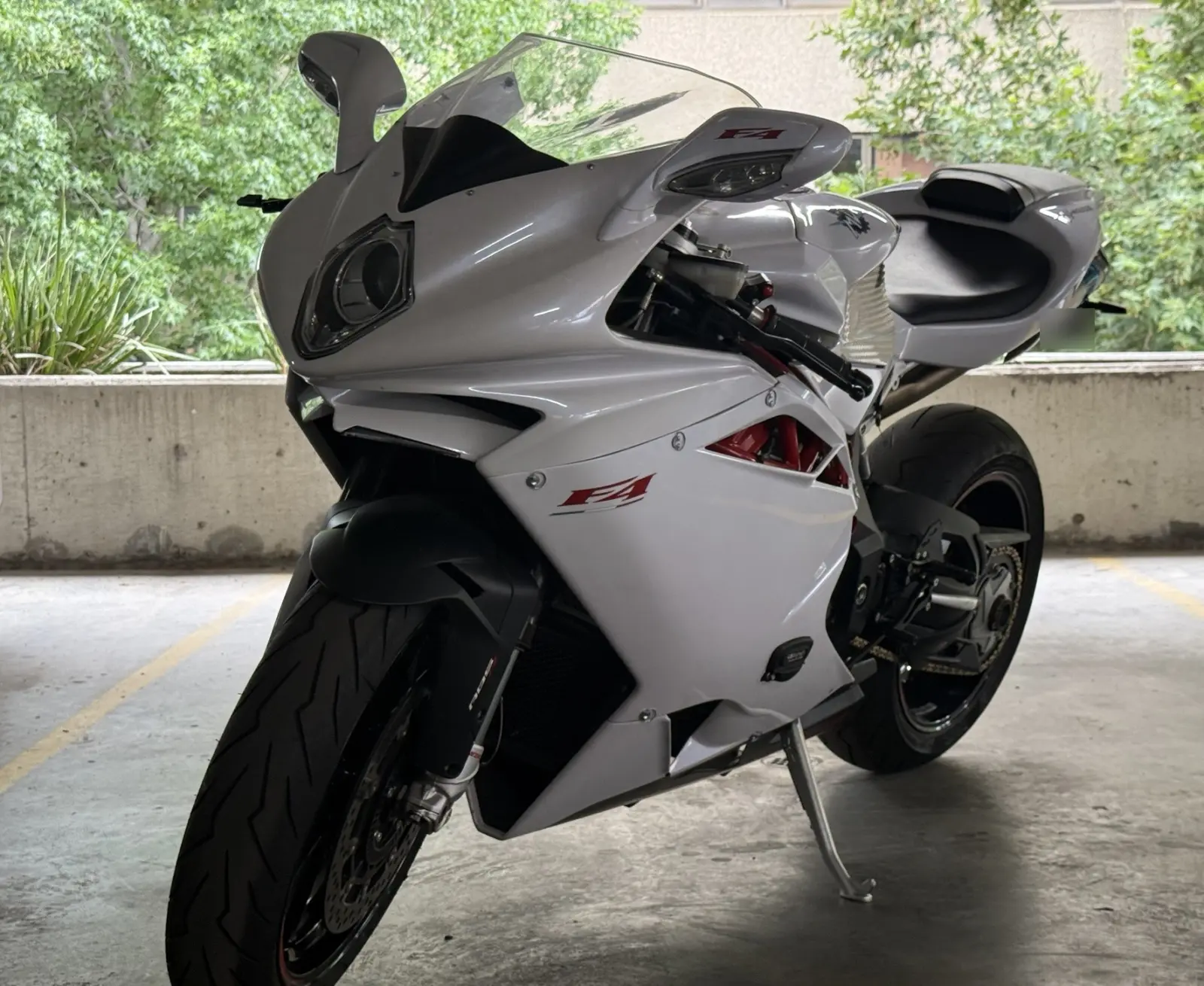
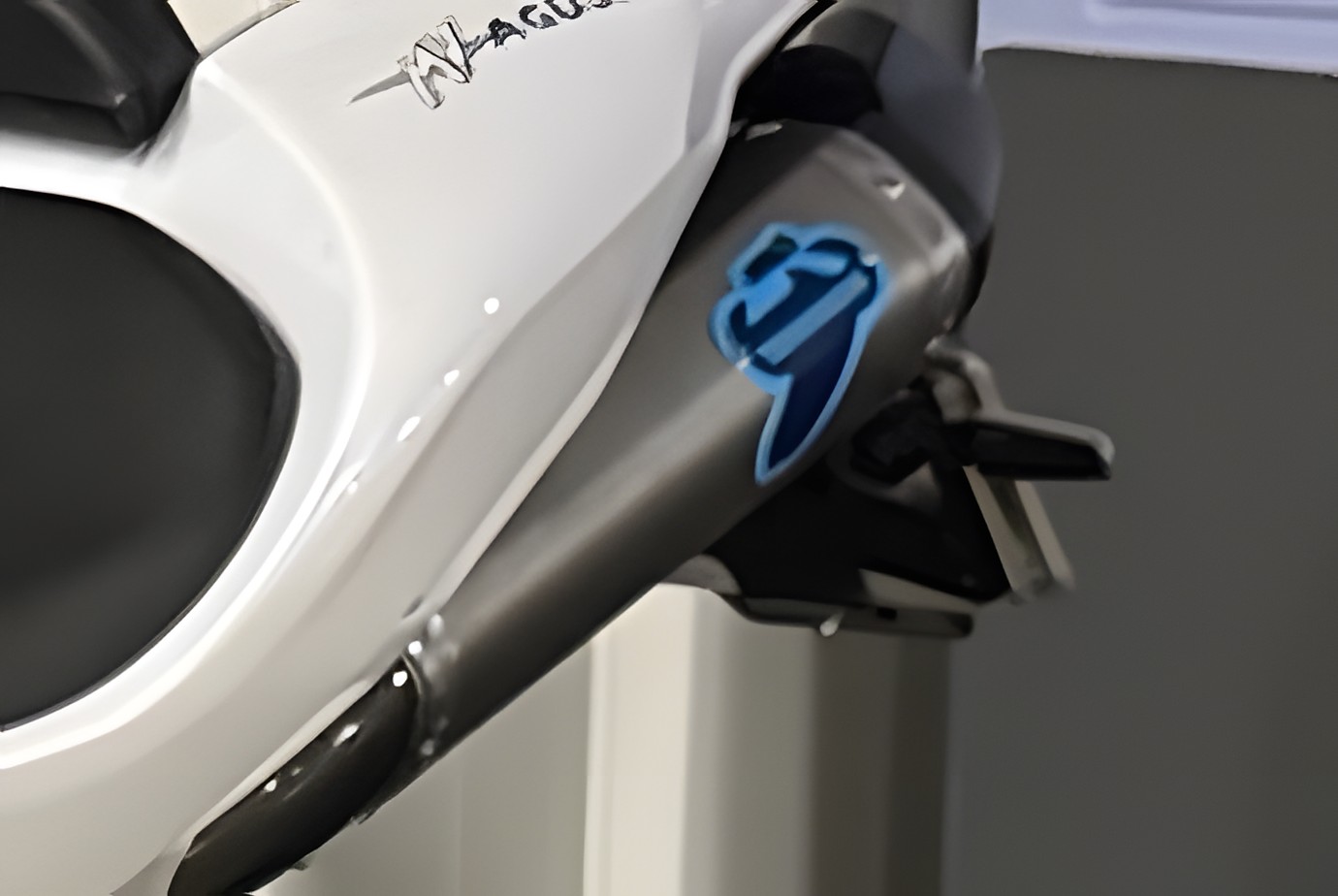
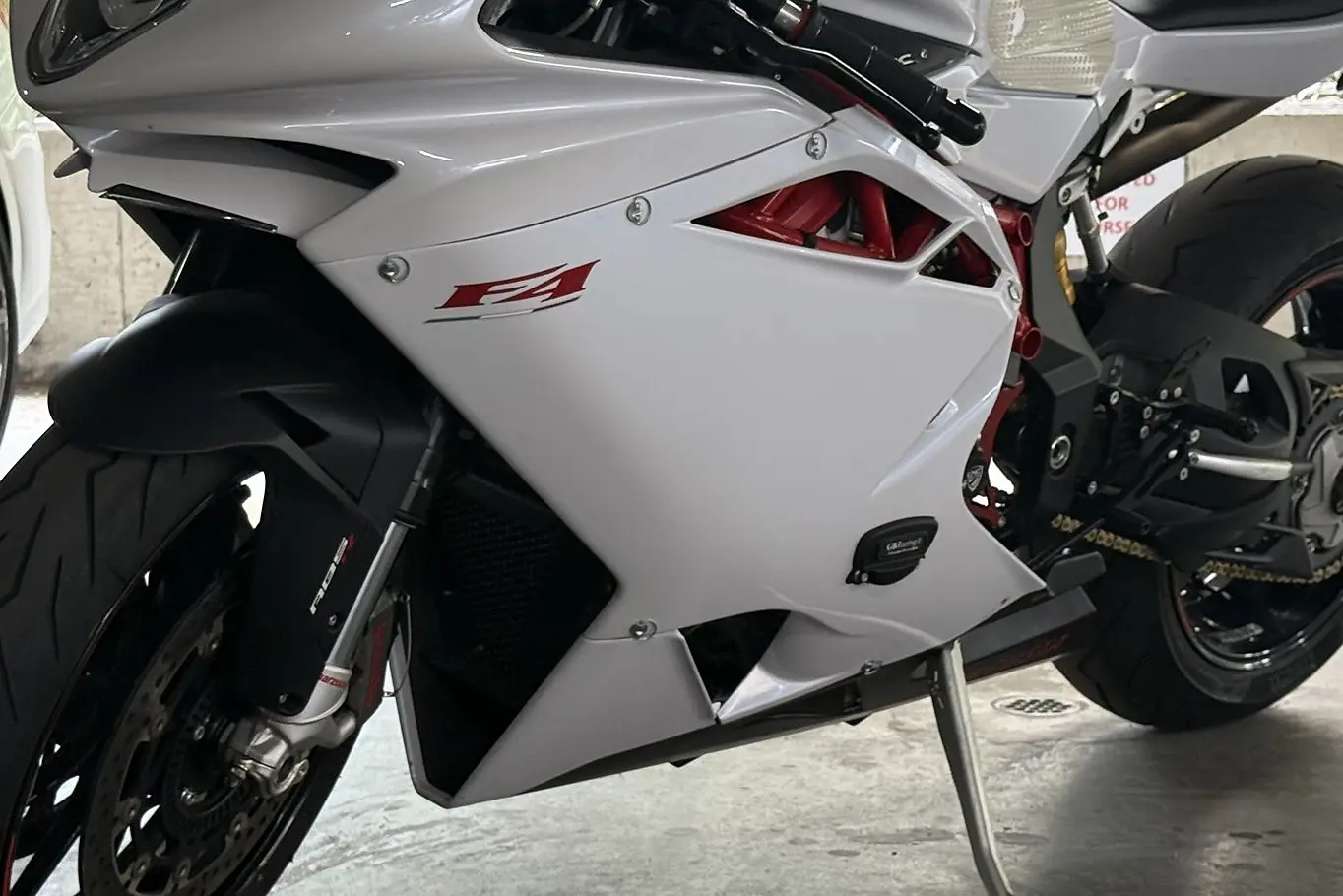
The MV Agusta F4 is a focused machine for a rider who values precision. Its 998cc inline four and tuned performance exhaust make it an exciting companion on the open road, and its pearl white finish with a red trellis frame stands out at every stop. On a long day the bike rewards a relaxed upper body, because tension travels straight into the bars.
A long run on the MV is a lesson in restraint. Keep your elbows soft through the broken patches, your grip light on the bars and your eyes well ahead. The bike responds well to smooth, deliberate inputs, and a rider who stays relaxed finishes the day as fresh as they started it. Keep the pace calm and let the road come to you.
When you are ready to ride long country roads, we would be glad to have you join us. Visit the MV Agusta F4 page, confirm your licence and plan your route with us. Breathe out, relax your arms and enjoy every kilometre of the country ahead.
Frequently asked questions
Why do my arms ache after a long country ride?
Most arm ache comes from holding tension for hours. Gripping the bars tightly, locking the elbows and lifting the shoulders all push shock straight into the arms. Relax the grip, bend the elbows slightly and drop the shoulders at every stop. Stretch your forearms, wrists and shoulders during breaks. If the ache is severe, shorten the day and rest properly before the next ride.
Should I stand on the pegs to absorb bumps?
Some riders shift their weight to the pegs on rough patches, which can help the body move with the bike. It is a technique to use gently and only where the road and traffic allow it. On a long country run, a relaxed seated position with soft elbows and a light grip is usually the more reliable approach. Do not stand up in traffic or on surfaces you cannot read clearly.
How tight should my grip be on the bars?
Firm enough to keep control and no tighter. A useful test is to hold the grips with a light, steady pressure that lets you move the bars slightly. If your knuckles are white or your forearms are burning, you are holding too hard. Relax your hands, keep your wrists straight and let the bike move a little beneath you.
Which of your bikes suits a long country day best?
The Yamaha MT-09 SP is a versatile choice for long days, with premium adjustable suspension, strong brakes and a naked riding position. It is the only bike in our fleet that takes a passenger. The MV Agusta F4 is a focused machine for experienced riders who enjoy precision. Choose the bike that matches your experience and the kind of day you want.
What should I do if a bump catches me mid-corner?
Stay relaxed and do not grab the brakes or stiffen up. Let your elbows absorb the movement, keep the throttle steady and look through the bend to the exit. If the bike feels unsettled, ease off gently rather than making a sudden correction. Once you are through, slow down, check the surface and take a moment to settle before continuing.
Can I ride unsealed roads to reach a scenic view?
No. Our bikes are road bikes, and we do not recommend unsealed or gravel roads for them. Loose surfaces can cause a sudden loss of grip, especially on corners. If a viewpoint can only be reached by a loose track, admire it from the sealed road or choose another destination. The sealed roads of the region still offer plenty of memorable scenery.
Ready when you are. Pick your dates and book the MV Agusta F4 online, or call us and we will sort it with you.
Book NowCall 0468 011 118