

Book the MV Agusta F4. Pick your dates and book the MV Agusta F4 online, or call us and we will sort it with you.
Book NowCall 0468 011 118Dubbo sits more than 400 kilometres from the Sydney CBD, and on a motorbike that distance is less a single ride than a series of short legs. The towns are spaced far apart, the services are not always open, and a half-empty tank can become a worry long before the next station appears. A good fuel plan turns the run into something you can enjoy. Here is how we would plan the long way out to Dubbo on the MV Agusta F4, with the stops, the gaps and the habits that keep you rolling.
Everything to know before you book, from the licence rules to the bond, is on our Sydney motorbike hire page.
Why the Dubbo run is a fuel planning exercise
The run west to the Central West is one of the longest day rides you can do from Sydney, and most of the distance is spent between towns rather than inside them. The first hour takes you through built-up areas where fuel is everywhere. After that the gaps lengthen, the towns become smaller and the service stations can be few and far between. The planning starts before you leave the driveway, not when the warning light comes on.
We think of the trip in legs rather than kilometres. Each leg starts at a fuel point and ends at the next one you are happy to reach. Once you break the route into legs, the question changes from how far is Dubbo to can I comfortably get to the next town. That small shift makes a big difference to how relaxed you feel on the bike, especially on a warm afternoon when the road is shimmering ahead.
Check the road conditions with Transport for NSW before you leave, and again on the morning of your ride. Closures, works and heavy vehicle traffic can change the time you need for each leg, and a plan that works on paper may need adjusting on the day. Build a little slack into every leg so a slow queue or a detour does not turn into a fuel scare.
Working out your range before you leave
Start with the bike itself. Read the owner's handbook for the fuel capacity and the approximate range you can expect, and then treat those figures as a guide rather than a promise. Riding style, speed, wind, temperature and load all change how far a tank will take you, and a bike ridden hard in the hills will drink more than one cruised gently along a flat highway.
Learn how your fuel gauge behaves before you rely on it. Many riders find the gauge is slow to show a change, so it is a good idea to note the odometer reading at each fill and calculate your own average. Over the first hour, you will get a feel for how the bike uses fuel, and you can adjust your stops accordingly. Keep that note in your tank bag or on your phone.
Check the fuel level at pickup and again before you ride out. If you are not sure about any aspect of the fuel system, ask us before you leave. A few minutes of questions at the depot are far better than discovering a problem on a quiet road with no services in sight.

The first leg: the city to the mountains
The first leg runs from the Sydney suburbs up through the western fringe and over the mountains. Fill up before you leave the built-up areas, when the choice of stations is wide and convenience is easy to find. From there, the road climbs into the Blue Mountains, and the stretch through the mountains has long climbs and tight bends that burn fuel faster than the flat highway that comes later.
Lithgow is the natural place to top up on the first leg. It is a larger town with a good range of services and a clear run in and out, roughly 150 kilometres from the city. Stopping there gives you a fresh start for the next section and a chance to check the bike, the tyres and your gear before the country opens up. Do not skip it just because the tank still looks half full.
Food is simple on this leg, because the Blue Mountains townships have cafes and bakeries that are open through the day. Pick a spot where you can park the bike safely and step away from the road for a few minutes. A short break here resets your concentration for the long, quieter miles ahead.
Through Bathurst and the central tablelands
Beyond Lithgow the country starts to open up, with broad paddocks, rolling hills and a sense that the day is finally getting somewhere. Bathurst is the next major town on the way, and it is a comfortable place for a second fuel stop and a proper break. The roads here are mostly sealed and well used by farm vehicles and trucks, so pay attention to the traffic around you and keep a good gap in front.
The highway through the tablelands has long straights, gentle sweepers and the occasional tighter bend where a hill comes up close to the road. The surface is usually good, though edges can be rough and loose grit may collect where trucks have been braking. Ride to the surface you can see, keep your speed moderate into the bends and avoid braking hard in the middle of a corner.
Watch for wildlife as the afternoon wears on. Kangaroos and wombats move at dawn and dusk, and sheep or cattle may stray near the roadside. Slow down on the approach to open paddocks and scan the verges before each bend. A rider who is alert to the countryside is a rider who gets home safely.
Closing the gaps between the larger towns
The longest stretch of the trip sits between the larger centres in the central west, and this is where a fuel plan earns its keep. Check where the next service station is before you leave the previous one, and do not assume that a small village will have fuel open when you arrive. On weekdays and early in the morning, some stations close or have limited hours, so the safest approach is to fill up at every town that offers fuel and that you pass comfortably.
Use the half-tank rule as your guide. When the gauge drops to half, look for the next fuel point and make it your stop. If you reach a long empty stretch with a quarter tank left, you are on the back foot. A sensible plan keeps you away from that situation entirely, and leaves you with the calm of knowing you can reach the next stop without stress.
Carry water, a small snack and a warm layer, because a long gap between towns is also a long gap between shelter. If the bike breaks down or you run low on fuel, stay visible, move the bike safely off the road if it is possible, and call for help. Do not push the bike along the shoulder of a busy highway, and do not try to walk a long distance to find fuel.
Want the MV Agusta F4 for your date? Pick your dates and book the MV Agusta F4 online, or call us and we will sort it with you.
Book NowCall 0468 011 118Orange, Dubbo and the flat final leg
Orange is a useful stop for a long break before the final push, with a good spread of cafes and fuel options and a town feel that makes a rest easy. From there, the road to Dubbo is a long, mostly straight ride that rewards a relaxed pace and a steady throttle. The distance can make the final leg feel longer than it is, so keep your breaks short and your attention sharp.
Dubbo itself has the services you would expect from a major regional centre. Fill up before you head back, since the return leg is a long one and the first part of it may pass through the same gaps you crossed on the way out. Plan the return with the same care you gave the outward run, and remember that the sun will sit lower in the sky on the way home.
On a flat, straight road the bike can feel deceptively calm. Keep your eyes moving, check your mirrors regularly and be ready for slow trucks and farm vehicles pulling out. Fatigue creeps up on a long straight, so take a break every hour or so and stretch your back and shoulders.

Best time of day and season for the trip
An early start gives you the best of the day on the long run. Leaving before the sun is high keeps the temperature comfortable and the traffic light, and it gives you time to reach Lithgow and Bathurst before the afternoon heat builds. Early mornings can be cold and misty in the valleys, so pack a warm layer, and keep your speed sensible while the light is still low and the road may be damp.
Autumn and spring are the most comfortable seasons for the Central West run. The temperatures are mild, the country is green or golden, and the air is clear for the long views. Summer is hot in the afternoons, with the sun bouncing off the tar and the air shimmering, so start early and take shaded breaks. Winter brings frost in the low country and cold mornings on the tablelands, so plan extra layers and a slower start.
Weekends bring more tourist and leisure traffic to the mountains and the larger towns, and the stations and cafes can be busier at lunchtime. A weekday run can be quieter, though trucks are present throughout the week. Eat a proper lunch in one of the towns rather than relying on the roadside, and plan your fuel and food stops so you are never forced to ride on an empty tank with a hungry rider behind the handlebars.
Fatigue, heat and riding within your ability
A long day is demanding. The combination of constant concentration, vibration, wind and sun can drain you faster than you realise, and fatigue is one of the biggest risks on a long highway. Take a break at least every hour, drink water before you feel thirsty, and stop if your eyes feel heavy or your attention begins to wander. Good riders know their limits and respect them.
Wear full protective gear every time, including gloves, boots and a jacket with good ventilation. The heat in summer can be intense, and a jacket that keeps the wind out can also trap warmth, so choose gear that suits the season. A helmet that fits well and is checked before each ride will make a real difference on a long day, when small annoyances can turn into distractions.
Never ride after drinking alcohol. Ride within your ability at all times, and keep a margin for the unexpected. On a long highway, the temptation to press on is strong, but a cautious pace and regular stops will get you to Dubbo in better shape and leave you with more energy for the scenery.
Hire rules and planning the trip
Our bikes are self-drive and hired from our Parramatta base, and the minimum hire is three days. A run to Dubbo and back is a good fit for a longer hire, which gives you time to ride out, enjoy the country and come home without rushing. Overnight, the bike must be kept in a locked garage or secure off-street parking between 9pm and 6am, so plan where you will stop and how you will keep the bike safe.
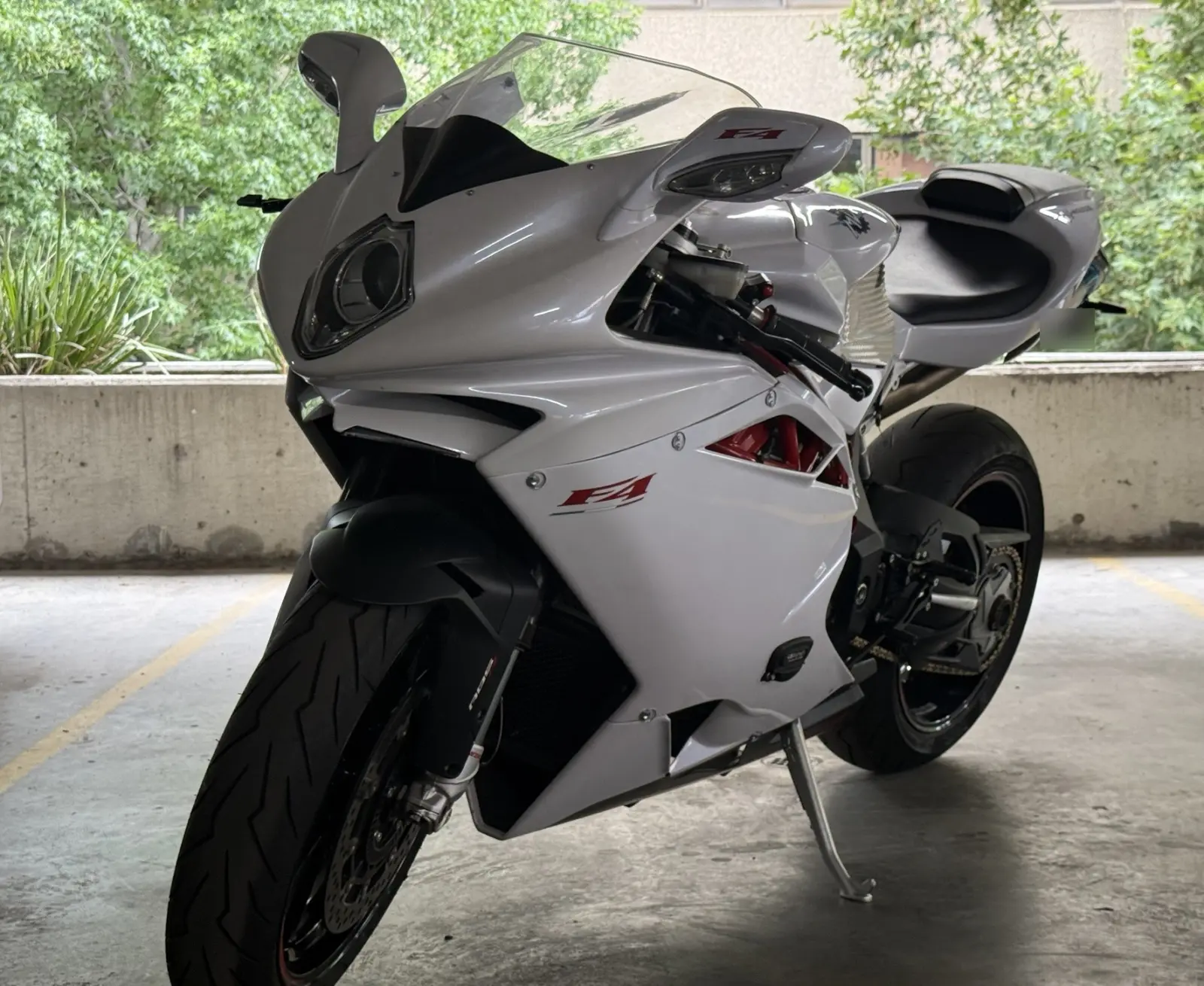
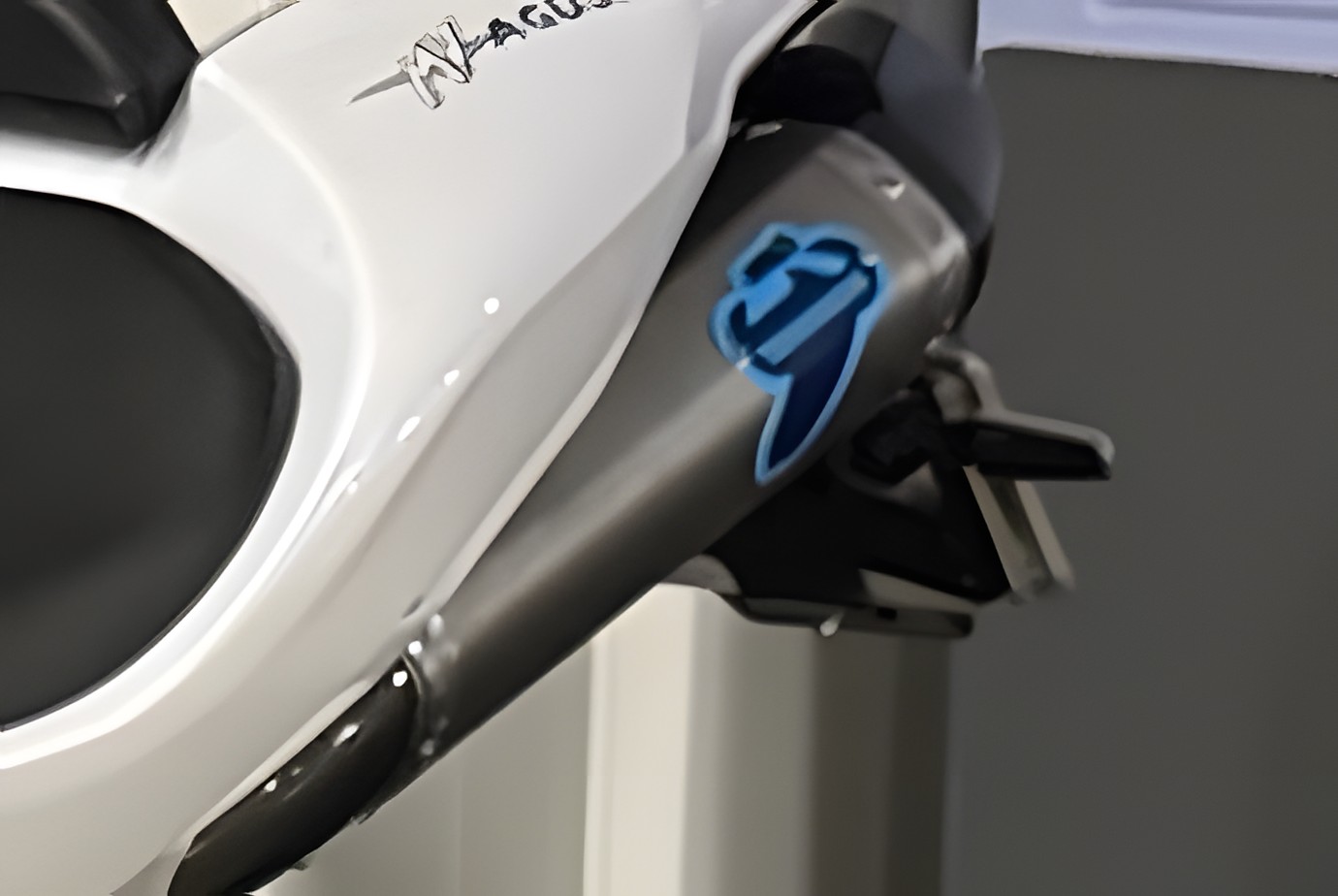
The MV Agusta F4 is a 998cc inline four with 143 kW, finished in pearl white with a red trellis frame and a performance exhaust. It is a striking bike for a long run, and its power is best used with a calm hand on the throttle and a plan for every fuel stop. When you are ready to plan your trip west, book the F4 on our page, and set your fuel stops before you leave the depot.
Frequently asked questions
How far is it from Sydney to Dubbo on a motorbike?
Dubbo is more than 400 kilometres from the Sydney city centre, so it is a full day of riding rather than a quick trip. The exact distance depends on the route you choose and where you start in the city. Plan the ride in legs, with a fuel stop at each town you pass comfortably, and allow extra time for breaks, traffic and any road works along the way.
How do I know how far my bike will go on one tank?
Start with the fuel capacity and approximate range in the owner's handbook, then track your own figures. Note the odometer reading at each fill, and calculate your average over a few tanks. Riding style, speed, wind and load all change the result, so treat the figure as a guide and stop well before the tank is empty.
Is it safe to run low on fuel between towns?
It is not something to plan for. If the fuel is low, stop at the next station you can reach, and avoid long gaps by filling up at every town with services. If you do run dry, move the bike safely off the road where possible, make yourself visible and call for help. Never walk along a busy highway with the bike, and never try to push it along the shoulder.
Do fuel stations stay open all day in the country?
Not always. Some small villages have limited hours, and weekday or early morning services can be closed or quieter. The larger towns on the route are the most reliable choice for a fill-up. Check the opening times if you can, and do not count on a village station being open when you arrive, especially on a public holiday or a Sunday.
What is the best season for the Dubbo run?
Autumn and spring offer the most comfortable riding, with mild temperatures, clear air and pleasant country scenery. Summer afternoons can be very hot, so start early and take shaded breaks. Winter mornings can bring frost and cold air on the tablelands, so plan extra layers and a slower start. Whatever the season, check the road conditions before you leave.
Should I stay overnight in a country town on the way?
A longer trip with an overnight stop can make a long run more relaxed, and it gives you time to enjoy the towns along the way. Choose a secure place to leave the bike overnight, and plan your stops so that you arrive at each town with daylight to spare. Check the road conditions for the next leg before you set off the following morning.
Ready when you are. Pick your dates and book the MV Agusta F4 online, or call us and we will sort it with you.
Book NowCall 0468 011 118