

Book the MV Agusta F4. Pick your dates and book the MV Agusta F4 online, or call us and we will sort it with you.
Book NowCall 0468 011 118Limestone walls, a creek cut deep into the land and a road that rewards a clean line: that is the Bungonia Gorge run from Goulburn. The country south of Sydney changes character once you leave the Hume corridor, and the hills around the gorge offer a mix of descents, lookouts and quiet bends. It is a longer haul than our city runs, so this guide covers the approach, the road, timing, fuel, safety and the bike that makes the descent a pleasure.
For the bikes we hire, who can ride them and how a hire runs, see motorbike hire in Sydney.
Getting to Goulburn before the gorge
Most riders will not start in Goulburn. Our bikes are collected from Parramatta, so the first part of the adventure is a long run south on the Hume Highway. Expect close to three hours of steady highway riding, with trucks, shifting crosswinds and long straights that make concentration harder than it looks. Plan your morning so you are not hurrying through the outskirts of the city.
The highway is a good place to settle the bike and find your rhythm. Keep a comfortable following distance behind heavy vehicles, and pass only when the road ahead is clear for the full distance. Stop at a service area whenever you need to, because it is far better to take a break early than to push through tiredness on a long straight.
Goulburn itself is a practical place to refuel and regroup before the gorge road. Check your tyre pressures, your fuel range and your gear once you arrive, and make sure you know the way out of town before you leave. The turn-off toward the gorge is a good point to reset your mind, because the riding from here is quieter and more demanding.
The limestone country around the gorge
Limestone changes everything about this landscape. The rock is pale, the cliffs are sharp, and the creek has cut a channel through the ground over a very long period. The vegetation is drier and more open than the coastal bush, with stands of trees on the ridge lines and grassy slopes below. It makes a striking backdrop as you approach the gorge road.
Because the terrain is open, the wind can catch you on exposed stretches, especially along the ridges. Lean into gusts gently, keep a light grip on the bars and avoid sudden corrections. On the descents the views open up and it is tempting to look at the scenery, so hold your attention on the road and pick the line you want through each bend.
Caves and karst features are part of the area's appeal, and NSW National Parks manages the reserve around the gorge. Respect marked tracks and signs, leave gates as you find them, and keep your bike on the formed road or in the car park rather than on the grass. Good manners protect both the landscape and the access that riders depend on.

Road character: bends, descents and the gorge road
The gorge road is where the bike earns its keep. Expect a sequence of bends that tighten and open, with the occasional fast sweeper followed by a change of direction you cannot see until you are committed. Surfaces vary, and some corners have a camber that pushes you wide if you enter too hot. Set your speed on the approach and let the road reveal itself gradually.
Descents need particular care. Engine braking and brake pressure both matter, so use the gears to control speed rather than relying on the brakes alone. Brake before the turn, then roll on smoothly once the bike is settled. Avoid braking while leaned over, because the front can lose its composure on a changing surface.
Sightlines are generous in some parts and poor in others. Treat every blind crest as potentially occupied, and be ready to slow for a vehicle that has drifted over the centre line. Riding this road well is less about pace and more about reading the next hundred metres, a skill that improves with every bend you complete.
Lookout tracks and walking breaks
The lookouts above the gorge are the reason many riders stop, and they are worth the pause. Pull into a designated car park, switch off the engine and walk the short track to see the drop. Take your helmet and keys with you if you leave the bike, and keep valuables out of sight in your luggage.
Walking tracks in the reserve vary in length and surface. Some are gravel and uneven, so wear proper boots rather than the soft shoes you might bring for a café stop. Stay on the marked trail, keep an eye on the weather and set a time to return to the bike before the light begins to fade.
Lookout breaks also work as a stretch and a drink. Long rides on open country take more out of you than city riding, and a short walk resets your legs and posture for the next section. Use the time to check your fuel, your tyre pressures and your route notes so the second half of the day runs smoothly.
Surface, gravel and dust at the edges
Gravel is the hazard to keep in mind here. Loose stone collects in corners where vehicles brake, on the outside of bends and along the edge of unsealed approaches. Look for the pale scatter across the lane, and slow before the corner rather than inside it. A sudden tilt on loose stone can end a ride in seconds.
Dust is another factor on dry days. Passing trucks and other vehicles can throw up a cloud that cuts visibility, so give them space and never ride in their wake. If dust hangs across the road, ease off and wait for it to clear, because it hides the surface you are relying on.
A wet road in the limestone country can be slick because of damp shade under the trees and the residue that gathers along the edges. When the road is damp, adjust your speed and expect a change in grip without warning. Ride the surface you can see, and do not assume the next section will match the last one. Calm inputs and a patient approach are your best protection.
Traffic, tourists and weekend crowds
Traffic on the gorge road is light for most of the week, but weekends bring visitors heading to the lookouts and families on day trips. Expect slow cars, caravans and people walking on the verge near the car parks. Plan your timing so you are not on the road at the busiest hours, and keep your speed steady when you pass parked vehicles.
Motorcycle groups are a regular sight on fine weekends, and they tend to ride in a tight line. If you ride in a group, keep a safe gap, avoid overtaking on blind crests and make sure the rider in front knows where you are. Be courteous at the car parks, because the spaces are shared and the area is busy around midday.
Weekdays are calmer, and the road can feel almost empty for long stretches. That quiet is one of the great pleasures here, so if your schedule allows, choose a midweek ride and enjoy the open country. Patience with slower traffic costs very little and keeps the road safer for every rider on it.

Want the MV Agusta F4 for your date? Pick your dates and book the MV Agusta F4 online, or call us and we will sort it with you.
Book NowCall 0468 011 118Best time of day and season
Autumn is an excellent season for this ride. Days are usually clear, the air is crisp and the landscape takes on warm colours. Spring is also good, though it can bring afternoon winds across the ridges. Aim to start early so you have the best light and the calmest conditions before any gusts build.
Winter brings cold mornings and frost in low spots, and shade on the descents can stay icy longer than you expect. Dress in layers and take extra care in the first hour of the day. Dusk arrives early in winter, so plan the return with enough daylight in hand. Wildlife is most active at dawn and dusk, so slow down whenever the light is low.
Summer is hot and dry, and the open country offers little shade. If you ride in the heat, leave early, carry water and take frequent breaks, because hot conditions tire the body faster than you expect. Afternoon storms can roll over the ranges quickly, so check the sky before you leave and have a plan to shelter if the weather turns.
Fuel, food and the long ride home
Fuel planning matters more on this route than on a city run. Top up in Goulburn before you head toward the gorge, and treat the distance back as a range challenge. Do not assume you will find a station on the way out or back, because the stretches between towns can be long. Keep a margin in the tank rather than planning to the last litre.
Food options are modest in the countryside, so pack something simple, such as fruit, a muesli bar and plenty of water. Goulburn offers a wider choice for a proper meal before or after the ride. Eat a substantial lunch if you can, because a long afternoon on the bike is tiring and low energy makes concentration harder.
Choose rest stops where the bike sits well off the road and where you can see approaching traffic. Keep stops short and purposeful, and make sure you are rested before the final stretch. The return trip often feels longer than the outbound leg, so a planned break near the midpoint keeps the ride fresh and the final kilometres under control.
Safety for a longer, remote run
A long ride into quieter country calls for proper preparation. Wear a helmet that fits well, a jacket with impact protection, gloves, long pants and boots that support the ankles. Carry a warm layer for the descent, because the temperature drops quickly when the sun goes down and the wind picks up across the ridges.
Fatigue is the biggest risk on a long day. Stop at least once every hour, drink water and stretch your shoulders and wrists. A tired rider misjudges corners and reacts more slowly to hazards. Never ride after drinking alcohol, and if you feel drowsy, pull over somewhere safe and rest before you continue.
Wildlife is a real concern in rural areas, especially at dawn and dusk. Kangaroos and other animals move toward the verges as the light fades, so slow down on the approach and scan the edges constantly. Ride within your own ability, keep your fuel range in mind, and turn back early if conditions look unsafe.
It pays to check Transport for NSW for closures and roadworks before you point the bike out of Parramatta.
Hire rules and the MV Agusta for the descent
Three points shape this trip. Our bikes are self-drive and hired from our Parramatta base, with a three day minimum. You need a full motorcycle licence that you have held for at least three years, and you must be 25 or over on every bike. Overnight the bike must be kept in a locked garage or secure off-street parking between 9pm and 6am, so plan where you will stay in Goulburn.
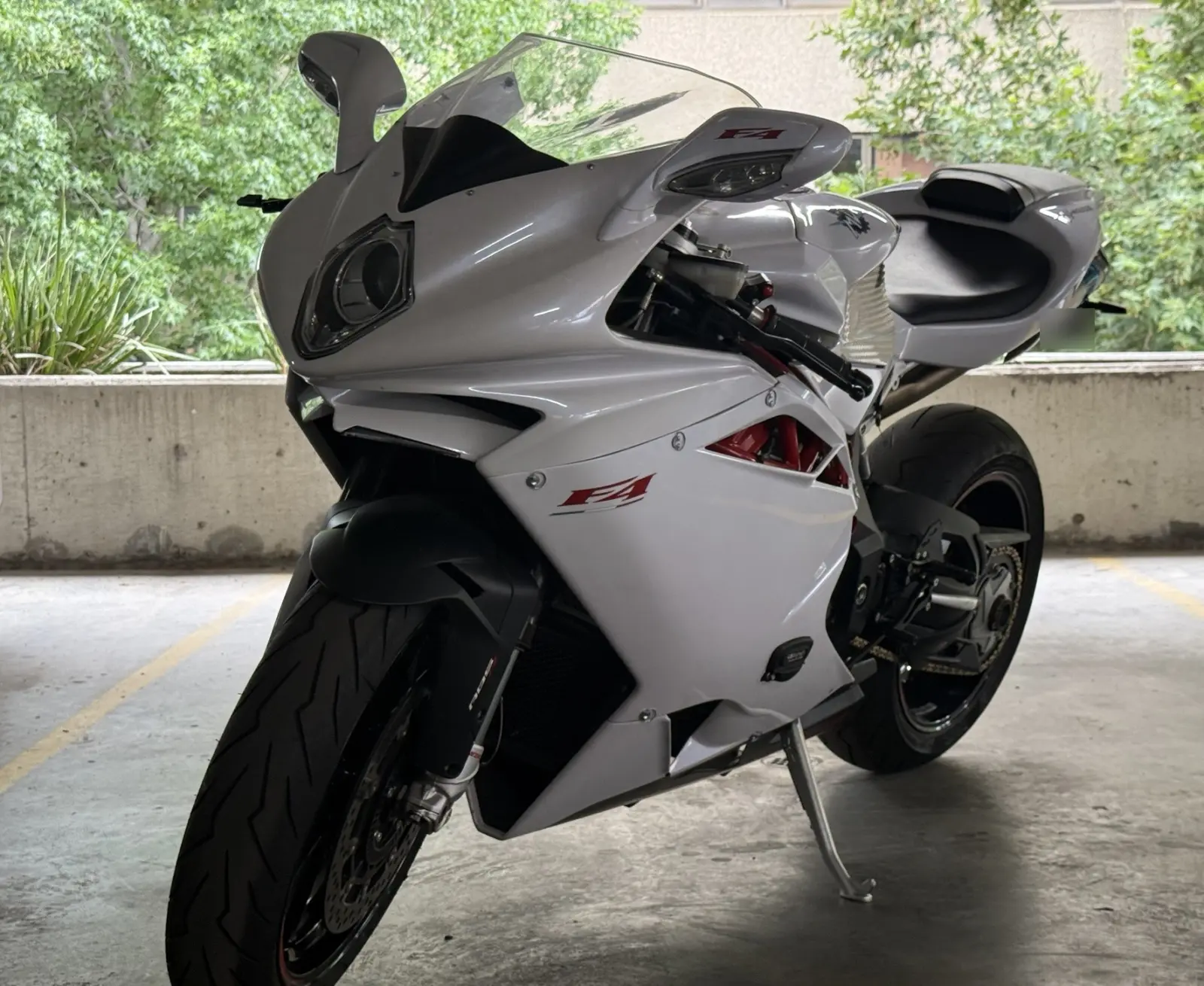
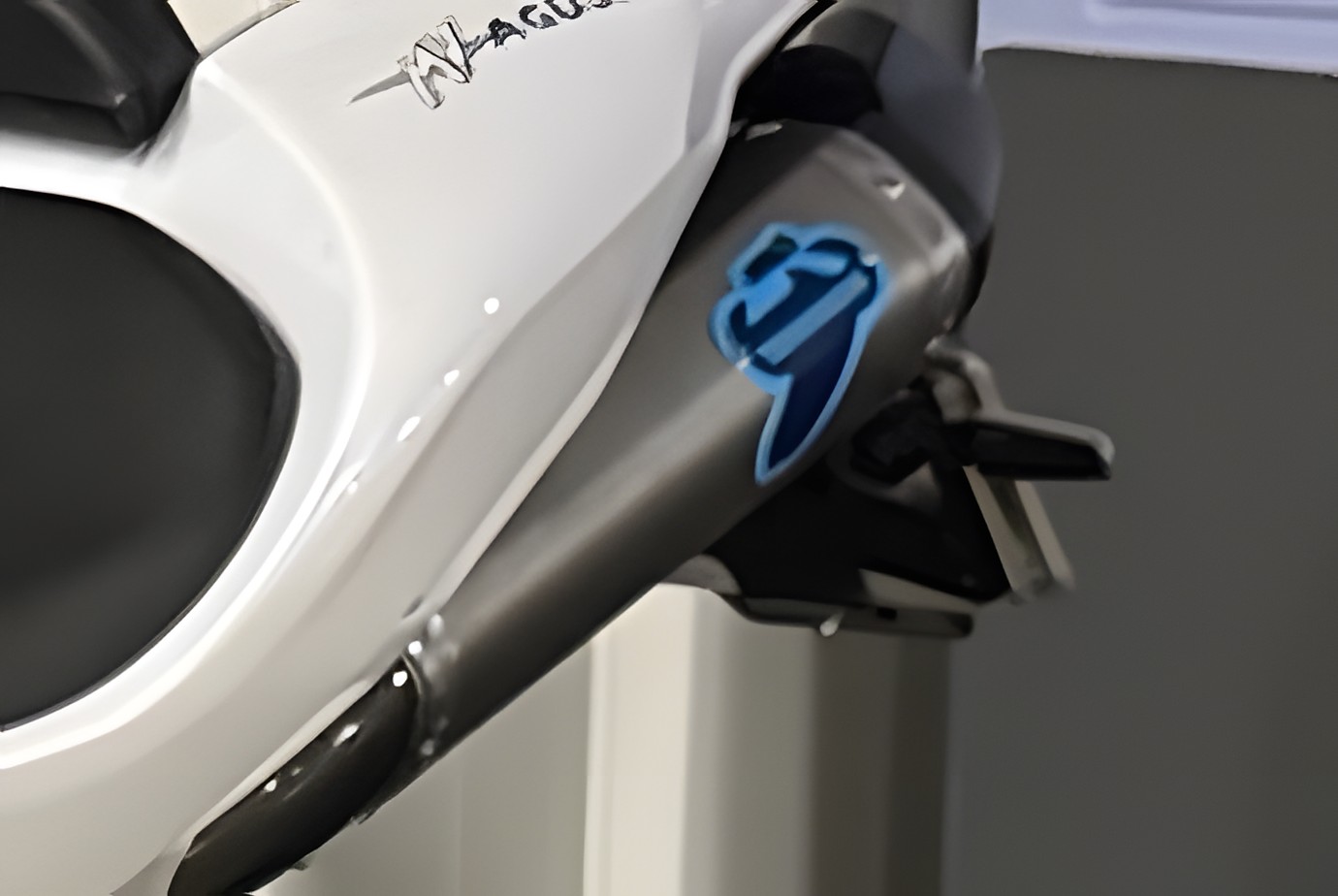
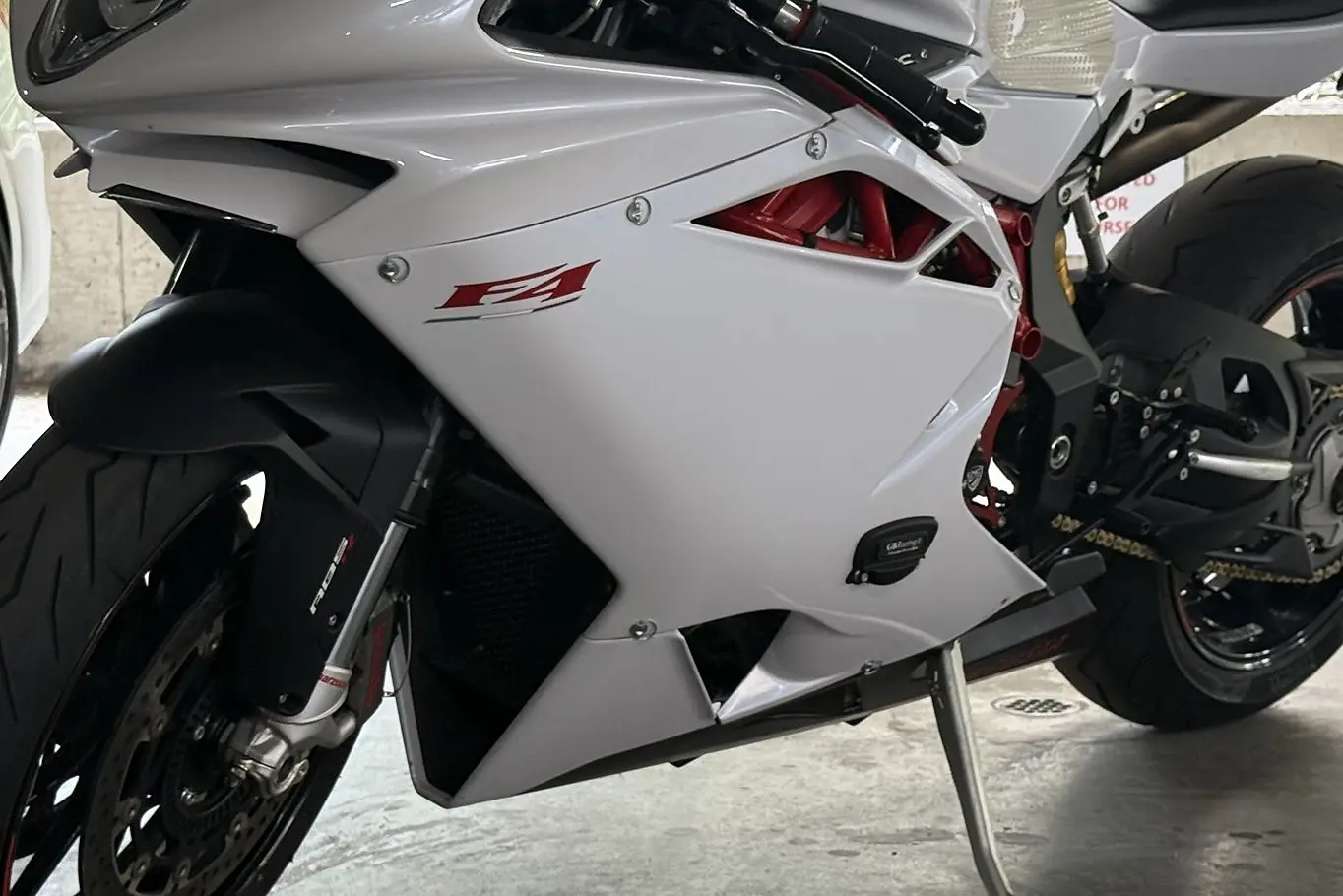
The MV Agusta F4 suits the descents well. It is a 998cc inline four with 143 kW, finished in pearl white with a red trellis frame and a performance exhaust. Its focus suits a long day of corners better than a relaxed cruise, and it rewards riders who keep their inputs precise on the gorge road.
Ready to ride into the limestone country? Plan your run from Parramatta, check the forecast and allow time for the long highway section. You can look at the MV Agusta F4 details and book the bike for your day. We will see you at the start of a gorge ride you will remember.
Frequently asked questions
How far is Goulburn from Parramatta for a day ride?
Goulburn is a long run from Parramatta, roughly three hours of highway riding on a good day. That makes the gorge a better fit for a full day or an overnight stay than a quick return trip. Build in breaks, fuel stops and a margin for weather and traffic, and avoid planning a tight schedule on the way back.
Is the gorge road suitable for a less experienced rider?
The road asks for a steady pace, good observation and calm braking on descents, so it suits riders who are comfortable with rural bends and changing surfaces. If you are still building experience, start with shorter local runs and sharpen your riding skills before tackling this route. Take the descents slowly and never push past what you can see clearly.
Can I ride the MV Agusta F4 in the wet?
Wet roads demand slower entries, gentler throttle inputs and more space to stop. The limestone country can be slick in damp shade and on residue at the edges, so treat the road with respect. If rain is forecast, consider moving the gorge run to a drier day, because a calm, dry road makes the experience much better.
What gear should I bring for a long ride to the gorge?
Bring a helmet that fits, a jacket with impact protection, gloves, long pants, boots and a warm layer for the descent. Carry water, a small snack and rain protection, because a long day in open country can turn cold and wet quickly. Dress for the coldest part of the day rather than the warmest, and check your kit the night before.
Where can I stop for food near the gorge?
Food options in the countryside are limited, so pack something simple and plan a proper meal in Goulburn before or after the ride. Opening hours vary, especially outside the peak season, and some stops close early in the afternoon. Check before you rely on any particular stop, and keep a little food in your luggage for the return leg.
Where should I park the bike when I stay the night?
Choose a stop where you can park the bike securely and easily. Look for a well-lit car park, check the route from your accommodation and make sure you have time to unload gear before dark. Good planning avoids last-minute stress after a long day in the saddle, and it means the bike is settled for the morning run.
Ready when you are. Pick your dates and book the MV Agusta F4 online, or call us and we will sort it with you.
Book NowCall 0468 011 118