

Book the Yamaha MT-09 SP. Pick your dates and book the Yamaha MT-09 SP online, or call us and we will sort it with you.
Book NowCall 0468 011 118The shoulder seasons, late autumn and early spring, are an underrated time to ride toward the Snowy Mountains. The snow has not yet settled, the crowds are thinner than in the ski months and the high country is starting to show its character again. The catch is that conditions change fast in these months, with cold mornings, gusty afternoons and the occasional surprise. This guide covers how to approach the mountains in the shoulder seasons with a clear plan and an open mind.
Everything to know before you book, from the licence rules to the bond, is on our Sydney motorbike hire page.
Why the shoulder seasons suit the mountain approach
Shoulder season is the gap between the holiday rush and the deep cold, and it gives riders a quieter version of the mountain country. The approach roads carry less holiday traffic, the cafes and fuel stations are easier to access and the landscape shifts from brown to green or from green to gold depending on the month. For a rider who wants room to breathe, the shoulder is often the most rewarding time to visit.
The weather is the variable that matters most. A still morning can be frosty and bright, and by mid-afternoon a westerly wind can push across the tablelands with real force. Clouds can build over the high ground in minutes, and a clear sky above the coast does not guarantee a clear sky in the mountains.
This guide assumes a plan built around those shifts. We focus on the approach rather than the summit, and on the decisions you make before and during each leg of the trip.
The approach from Canberra and the Monaro
Many riders reach the mountains by the Monaro Highway, which runs south from the Canberra direction through open grazing country toward Cooma. It is a sealed road that carries a steady mix of cars, caravans and freight, and the long straights can encourage a rider to settle into a high cruising pace. Hold back. The open country hides changes in the wind and the surface, and a comfortable rhythm is easier to keep at a moderate speed.
The Monaro is wide open in places, and the wind can pick up quickly across the paddocks. Sit relaxed, keep your grip soft and expect small corrections when a gust catches the bike. Overtaking requires care on the rural sections, so wait for a long, clear sight line and make sure the way ahead is genuinely free before you commit.
Expect the air to cool as you climb toward the high country. Cold air is the first hint of what the mountains have in store, and it is a good moment to check your layers and gloves before the bends begin.

Changing conditions across a single day
Shoulder season days can change dramatically from the morning to the afternoon. A frosty start can give way to a warm, pleasant middle of the day, and then cloud and wind can arrive by late afternoon. Build your plan around that pattern, leaving the high country for the warmer hours and the descents for the more settled part of the day.
Shaded bends can hold frost or damp well after the open road has warmed. A bend that looked dry from a distance may still be cold underneath the trees, and the surface can be slippery where moisture has pooled in the shadows. Approach shaded sections with a light touch on the throttle and brakes, and treat any unfamiliar patch as slippery until you have ridden through it.
A simple habit helps here: check the forecast in the morning, check it again at your first stop and make a clear decision about turning back if the afternoon looks unsettled. Flexibility is the single most useful tool in shoulder season.
Surface, bends and the approach roads
The approach roads to the high country are generally sealed and well built, though they vary in character. Some sections are smooth and wide, while others narrow and climb through bends that ask for a steady line. Look through each corner, keep the bike settled and roll on the throttle as it comes upright.
Watch for loose gravel at the edges of the road, particularly near repair work and at the exits of bends. Stay on the sealed surface and turn back if the road changes to gravel or dirt, because our road bikes are not for unsealed roads. A patient choice of route is always better than a risky shortcut.
Keep an eye on the traffic in the mountain approaches as well. Trucks and caravans slow the pace on the climbs, and drivers may stop suddenly at lookouts and turn-offs. Ride at a pace that lets you stop safely whatever happens ahead.

Fuel, food and warmth along the way
Fuel is an important part of a shoulder season plan. Fill up in the larger towns before you start the climb, and keep a reserve for the return trip. Cold air and headwinds both increase fuel use, and a stop that is further than expected can be a real inconvenience in the cold.
Cafes and bakeries along the route are a good place to warm up. A hot drink and a simple meal can restore your energy and your hands, and they give you a chance to check the forecast again before you ride on. Keep the meal light, since a heavy lunch can make the climbs feel tiring.
Rest at least once every hour. Step off the bike, stretch, drink water and check your gloves and grip. A short stop in a sheltered spot is a simple way to keep your concentration sharp on a cool, changing day.
Best time of day and the season
The best time to ride the approaches in shoulder season is mid-morning, once the frost has cleared from the low ground and before the afternoon wind builds. Plan your climbs for that window, and aim to be on the descents before the afternoon weather can change.
Autumn and spring differ in their quirks. Late autumn brings colder mornings, shorter days and the first real chill of the mountain winter. Early spring brings clearer skies but can still bring frost and gusty afternoons. Pack for both extremes, and check the forecast closely in the week before you leave.
Weekdays are quieter than weekends in the shoulder months, and the approach roads and lookouts are more relaxed on a midweek ride. Weekends bring visitors heading to the mountains for walks, cafes and scenery, and the car parks at the lookouts can fill quickly.
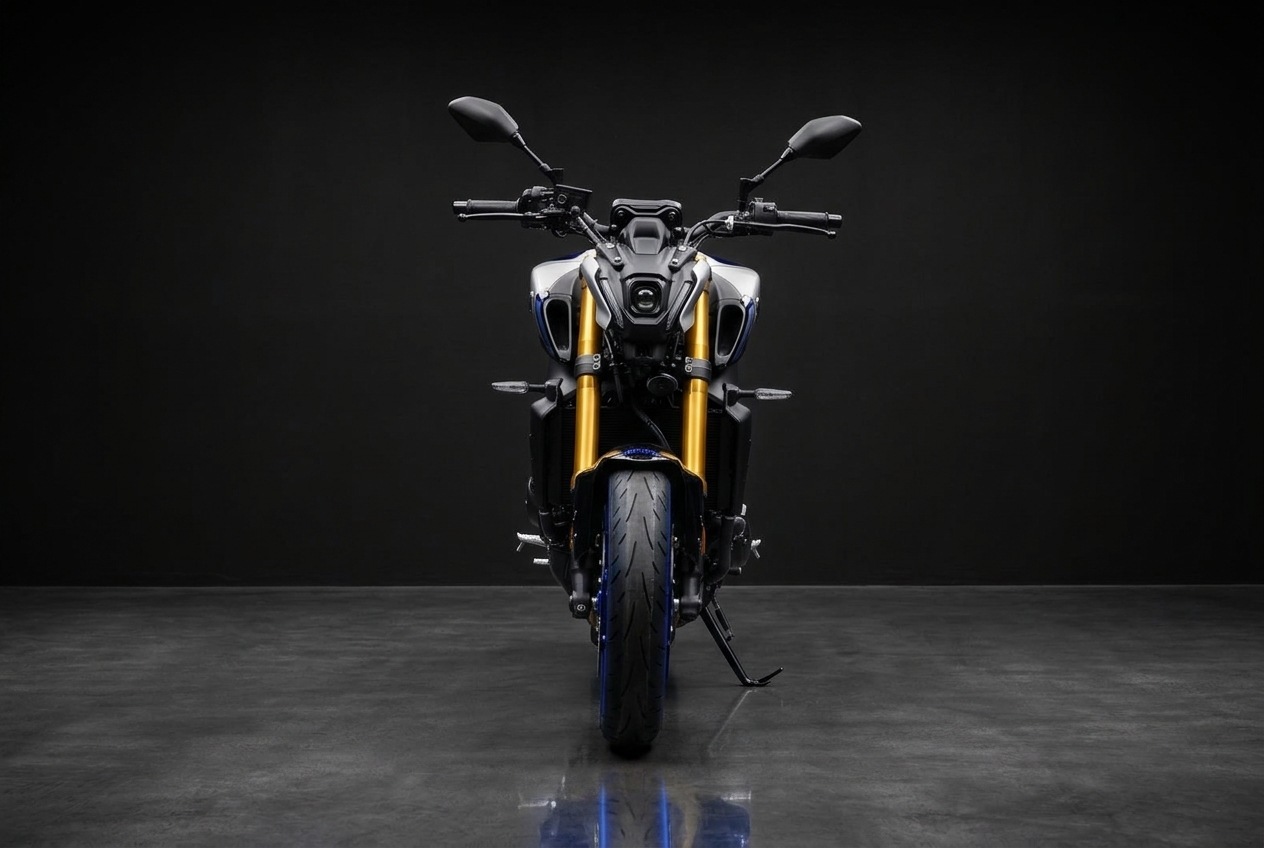
Want the Yamaha MT-09 SP for your date? Pick your dates and book the Yamaha MT-09 SP online, or call us and we will sort it with you.
Book NowCall 0468 011 118The checks before you leave
A careful pre-ride routine pays off in the high country. Before you leave home, work through the short list below and set the bike up properly, so that you are not making adjustments on a cold roadside.
Once the list is done, put the bike in a state you trust. A machine that is set up well for the day is far easier to ride when the weather shifts, and it leaves your attention free for the road.
- Check the tyre pressures with the tyres cold, and look for cuts or uneven wear.
- Confirm the brakes feel firm and the lights and indicators work.
- Set the suspension to suit your weight and the surfaces you expect.
- Pack a warm layer, a waterproof top and a spare pair of gloves in a sealed bag.
- Check your fuel plan and confirm the stops along the route.
- Look at the forecast for the whole day, not only the start.
Gear, fatigue and wildlife in the shoulder months
Gear for the shoulder seasons should cover a range of conditions. A certified helmet, protective gloves, boots that cover the ankles and a jacket and trousers with armour form the core of a safe ride. A windproof mid layer and a neck tube are worth carrying, because the wind on the high ground can feel sharp through an open jacket.
Fatigue creeps up on the cold, long approaches. The effort of holding a steady line in the wind drains energy, and tiredness can slow your reactions before you notice. Take a break at least once an hour, eat before you are hungry and turn back if concentration begins to fade. Ride within your ability at all times, since shoulder season conditions can test even experienced riders.
Wildlife is active on the rural approaches at dawn and dusk. Kangaroos and wallabies move onto the verges where grass is green, and wombats can appear without warning. Slow down near farmland and the bush edges, scan the verges and brake firmly and steadily if an animal crosses. Keep alcohol well away from the bike until the ride is finished.

Hire rules for a mountain approach
Bikes are hired from our Parramatta base for a three day minimum, which suits a relaxed mountain trip with time to reassess the weather. Every rider needs a full motorcycle licence held for at least three years and must be 25 or over on every bike. Each night the bike must be kept in a locked garage or secure off-street parking between 9pm and 6am, so plan where it will rest when you stay overnight in the mountains.
Before you head off, check current road conditions with Transport for NSW so a closure or roadworks does not catch you out.
Book the Yamaha for a shoulder season approach
For the shoulder season approach, the Yamaha MT-09 SP is our first recommendation. Its premium adjustable suspension lets you tune the set-up to the surface, its strong brakes give you confidence on cool descents and its inline three engine suits a steady, deliberate pace through changing conditions.
If a shoulder season trip toward the Snowy Mountains sounds like the ride you need, reserve your dates and come and see the bike for yourself. You can view the Yamaha MT-09 SP page or the full fleet to compare the options, and we will help you plan a flexible, well-prepared approach to the high country.

Frequently asked questions
Is the shoulder season a good time to ride to the Snowy Mountains?
Yes, many riders find the shoulder seasons the most rewarding time for the approach. The roads are quieter than in the ski months, the cafes are easier to reach and the landscape changes with the seasons. The catch is that conditions can shift quickly, with frosty mornings, gusty afternoons and sudden cloud over the high ground. Plan flexibly, check the forecast often and be ready to turn back if the weather turns.
How do I handle wind on the Monaro?
Sit relaxed, keep a soft but firm grip on the bars and expect small corrections when a gust catches the bike. Avoid overtaking in gusty conditions unless the sight line is long and clear. Hold a steady, moderate pace rather than a high cruising speed, and stop in a sheltered spot if the wind is wearing you down. Patience is the best response to strong crosswinds on open country.
What should I check before a mountain ride?
Check the tyre pressures when the tyres are cold, confirm the brakes and lights work and set the suspension to suit your weight. Pack a warm layer, a waterproof top and a spare pair of gloves in a sealed bag. Check your fuel plan and look at the forecast for the whole day. A short routine before you leave makes the rest of the ride far more predictable.
Can I ride the shaded bends in the morning?
Shaded bends can hold frost or damp well into the morning, so approach them with care. Keep the throttle smooth, avoid sudden braking and treat any unfamiliar patch as slippery until you have ridden through it. Waiting for the sun to reach the road is a sensible choice on the coldest days, and it gives the surface time to dry.
Where should I refuel on the way up?
Fill up in the larger towns before you start the climb, and keep a reserve for the return trip. Cold air and headwinds increase fuel use, so a stop that is further than expected can be a real inconvenience in the cold. Check your fuel plan before you leave the lower country, and carry a little water and a snack in case the next stop takes longer to reach.
What should I do if the weather turns during the ride?
Slow down early, give vehicles ahead more room and stop in a sheltered, safe spot if visibility drops or the wind becomes hard to manage. Wait for conditions to improve before you carry on, and do not ride through cloud or rain on steep, unfamiliar surfaces. Turning back is always a sensible decision in the shoulder season, and the road will still be there another day.
Ready when you are. Pick your dates and book the Yamaha MT-09 SP online, or call us and we will sort it with you.
Book NowCall 0468 011 118