

Book the Ducati 1199R. Pick your dates and book the Ducati 1199R online, or call us and we will sort it with you.
Book NowCall 0468 011 118By the third hour of stop-start traffic, most riders notice the gear lever feeling different. Fatigue sets into the left foot, the clutch hand tires and the small inputs that felt effortless at breakfast start to feel clumsy. The Ducati 1199R rewards precise gear changes, so it pays to understand how the shifter behaves over a long urban day. This guide covers why the feel shifts, how to keep your changes clean and where to practise before the road gets busy.
New to riding with us? Our page on motorbike hire in Sydney covers the bikes, the rider rules and how pick-up works.
Why the shifter feels different after hours in traffic
The shifter is a simple lever, but it asks for a precise, repeatable movement. Every gear change depends on the position of your foot, the pressure you apply and the timing of your throttle and clutch. When you are stuck in traffic, those movements become repetitive, and small variations creep in without you noticing.
Fatigue plays a major part. Your foot becomes tired, your ankle loses a little of its precision and the lever can feel heavier or vaguer than it did at the start of the day. Riders often respond by pressing harder, which makes the change more abrupt and can unsettle the bike at low speed.
Heat also matters. A hot day in stationary traffic puts strain on your concentration and comfort, and the bike itself can run warmer than on open roads. Recognising these changes early lets you adjust your technique before the shifts become rough.
The shifter and footrest position
Set your footrest so that your foot sits comfortably in line with the shifter, with the ball of your foot able to press the lever without stretching. A position that is too far forward or too far back makes every change harder. Check the position at the depot and again after the first stop of the day.
Keep your heel and toes relaxed. Many riders grip the footrest tightly in traffic, which tenses the ankle and reduces the subtle feedback you need. A light, steady contact works better, and it leaves you ready to move the lever without a sudden jerk.
If the lever feels awkward, take a short break and check the position again. Small changes to the footrest or the lever can make a large difference to how the bike behaves over a long day, and they cost very little time to make.
Clean gear changes in stop-start traffic
Clean gear changes start with the throttle and clutch. Close the throttle, pull in the clutch smoothly, press the lever with a steady motion and release the clutch progressively as the new gear engages. The aim is a rhythm that feels unbroken, even when the traffic is moving in short bursts.
In slow traffic, the most common mistake is changing gear too often. Each shift adds wear and effort, and the bike may hunt between gears as you crawl along. Pick a gear that suits the speed, and only change when the engine needs it. Smooth, unhurried shifts are far better than frequent ones.
Downshifts require extra care when you are braking into a queue. Match the engine speed with a gentle throttle blip so the rear wheel does not hop, and keep the movements small. A tidy downshift at low speed is a sign of good control, and it is a skill that improves with repetition.
At a long red light, many riders rest the left hand and foot by selecting neutral, which spares them holding the clutch lever in for minutes at a time. Check that the neutral indicator is showing before you release the clutch, and only use neutral when the queue is genuinely stationary. Before the lights change, pull the clutch in again so the first shift away is calm and never a surprise.
Practising the shift before the busy road
An empty car park with a clean, level surface is the best place to refine your technique. Practise moving through the gears at walking pace, then at slightly faster speeds, and focus on the sequence of clutch, throttle and lever. Keep the sessions short so that your concentration stays sharp.
Avoid practising on a shared path unless it is signed for motorcycles, since many paths are reserved for pedal cycles and pedestrians. Choose a private area with permission, or a quiet public road with good visibility and light traffic. Make sure the surface is dry and free of debris.
End each practice session while you still feel fresh. If your foot aches or your timing begins to slip, stop and resume another day. Good habits form most easily when you finish a session feeling confident rather than worn out.

Seasons and the best hours for a long traffic day
Autumn and spring are the most pleasant seasons for a day spent in traffic. The temperatures are comfortable, and the air does not add to fatigue. These months give you the best chance of keeping your concentration and your shifts clean from the first hour to the last.
Summer heat can make stop-start riding exhausting. Dark asphalt absorbs the sun, and the bike and rider both run hotter in queues. Plan a long traffic day for the cooler parts of the morning, drink water at every stop and take shade whenever possible.
Winter mornings can be cold, and cold hands and feet make precise controls harder to use. Dress in layers and wait until the bike has warmed before tackling the busiest sections. Late morning is often the calmest time to ride through the city in cooler months.
- Early morning: lighter traffic and cooler air for fresh, clean shifts.
- Midday: heavier traffic, so keep the gear changes deliberate and few.
- Afternoon: fatigue builds, so take a short break before the final stretch.
- Weekends: different traffic patterns, with more visitors on the main roads.
Want the Ducati 1199R for your date? Pick your dates and book the Ducati 1199R online, or call us and we will sort it with you.
Book NowCall 0468 011 118Fuel and food for a traffic day
Fuel up before you join the heaviest traffic, and choose a station with easy access and a level approach. Stop-start riding uses fuel in a different way from open roads, and a full tank helps you avoid a hurried stop in a queue. Plan the stop for a quiet moment rather than a busy one.
Eat a light meal and take a proper break partway through the day. Your concentration and your left-foot control both depend on steady energy. A heavy lunch can make the afternoon feel sluggish, while small, regular snacks keep you alert through the stop-start rhythm.
Stretch your legs and ankles at each break. Rolling the ankle and easing the calf muscles helps the foot stay responsive on the lever. A few moments of movement make a noticeable difference to the next hour of riding.

The Ducati 1199R in the city
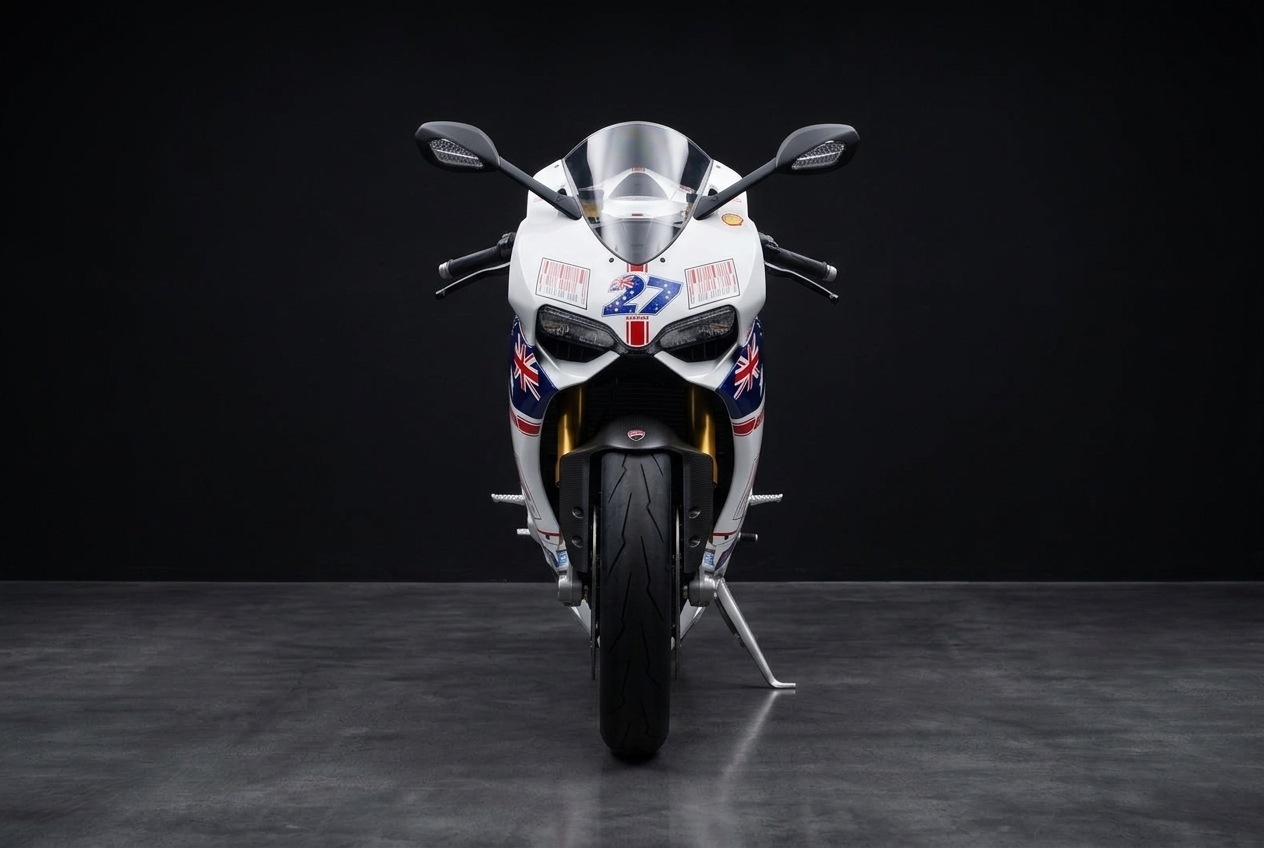
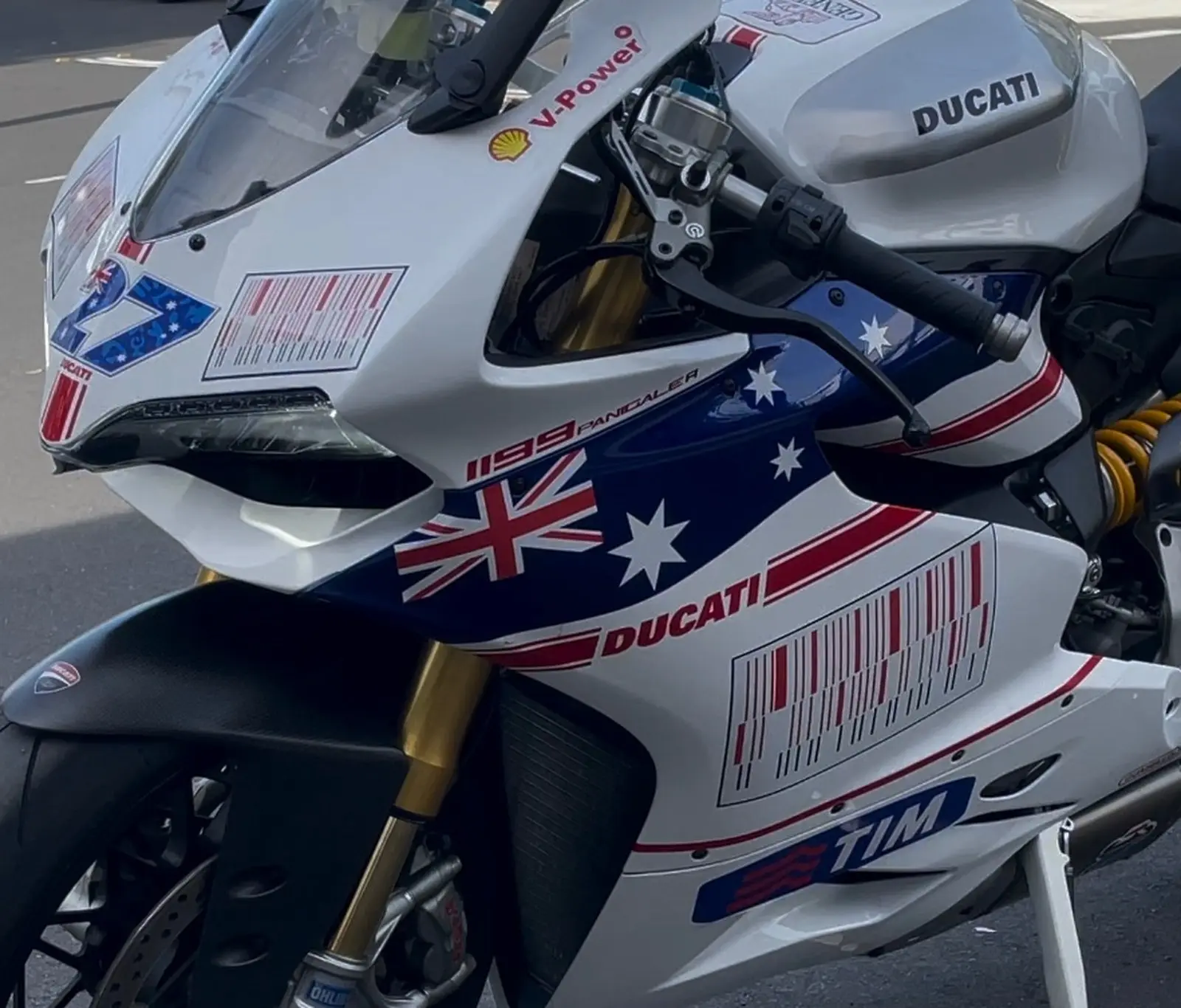
The Ducati 1199R Panigale is a superbike, and it is not an ideal city bike for a rider who is new to heavy traffic. The V-twin and 143 kW output are impressive on open roads, but they demand patience and smooth control when speeds are low. Gold front forks and black forged wheels make the bike stand out in any car park.
If you want a more relaxed city machine, the Yamaha MT-09 SP has a forgiving low-speed character and an inline three that pulls smoothly. The MV Agusta F4 offers a sharper feel with its inline four, and it rewards a rider who can judge the clutch and throttle carefully at walking pace.
Choose the bike that matches your experience and the kind of riding you plan. A superbike suits a rider who can handle the low-speed work with calm, precise hands, and it rewards the effort with a responsive, confident ride.
Hire notes before you ride into the city
Our bikes are self-drive and hired from Parramatta on a three day minimum, so a city-heavy day can sit comfortably within a wider plan. Every rider needs a full motorcycle licence held for three years or more, and must be 25 or over for every bike. Any overnight stay requires the bike to be kept in a locked garage or secure off-street parking between 9pm and 6am.
Use the first day to settle in and learn the controls before you tackle heavy traffic. Quieter roads and a short run around the depot area will tell you how the shifter and clutch behave. A calm start makes the busier days far more manageable.
Be realistic about the traffic you will face. Dense city streets, buses, delivery vehicles and pedestrians all ask for patience, and a rider who has not handled them before should choose a calmer route. We are happy to talk through the options before you collect the bike.
Check road conditions with Transport for NSW on the morning you ride, since works and weather can change a route overnight.
Ride smoother, then book the Ducati
Clean gear changes are a matter of rhythm, posture and patience. Practise the sequence, keep your footrest position comfortable and let the bike do the work rather than forcing each change. Over time the shifter becomes an extension of your foot, and the long day in traffic feels far less tiring.
Before you ride, check your gear, pack water and tell someone where you are going. Keep your phone charged, save our contact details and plan your breaks so that you are never rushing from one queue to the next.
When you are ready, use the Book Now option on the Ducati 1199R page and bring your licence, your gear and a clear plan for the day. We look forward to seeing you ride away with a bike that responds smoothly to every touch of the lever.
Frequently asked questions
Why does the shifter feel heavier later in the day?
Fatigue in the foot and ankle reduces precision, so the lever can feel vaguer or stiffer. Riders often press harder, which makes changes abrupt. Take a short break, stretch your ankle and check the footrest position. Small changes in technique usually restore a smoother feel.
Should I change gear less often in heavy traffic?
Usually yes. Frequent changes add effort and wear, and the bike can hunt between gears at low speed. Choose a gear that suits the pace of the traffic, and change only when the engine needs it. Smooth, unhurried shifts are far better than frequent, jerky ones.
How do I downshift cleanly when I brake into a queue?
Close the throttle, brake progressively and make the downshift with small, gentle movements. A brief throttle touch can match the engine speed so the rear wheel does not hop. Keep the lever press light and let the clutch release smoothly. Practise at walking pace until the sequence feels natural.
Can I practise shifting on a shared path?
Not unless the path is signed for motorcycles. Many shared paths are for pedal cycles and pedestrians only, and riding a motorcycle there can be unlawful. Choose an empty car park with permission, or a quiet public road with good visibility, and keep the practice short.
Is the Ducati 1199R a good city bike?
It is better suited to open roads than to dense city traffic. The power is impressive but demands patience at low speed, and the superbike riding position can be tiring in queues. A calmer bike may suit heavy city riding better, and a rider new to traffic should choose a more forgiving machine.
What helps most over a long traffic day?
Regular short breaks, a comfortable footrest position, light hands on the clutch and a relaxed grip on the bars. Drink water at each stop, stretch your legs and ankles, and plan your route around the busiest periods. A calm rhythm does more than any single technique.
Ready when you are. Pick your dates and book the Ducati 1199R online, or call us and we will sort it with you.
Book NowCall 0468 011 118