

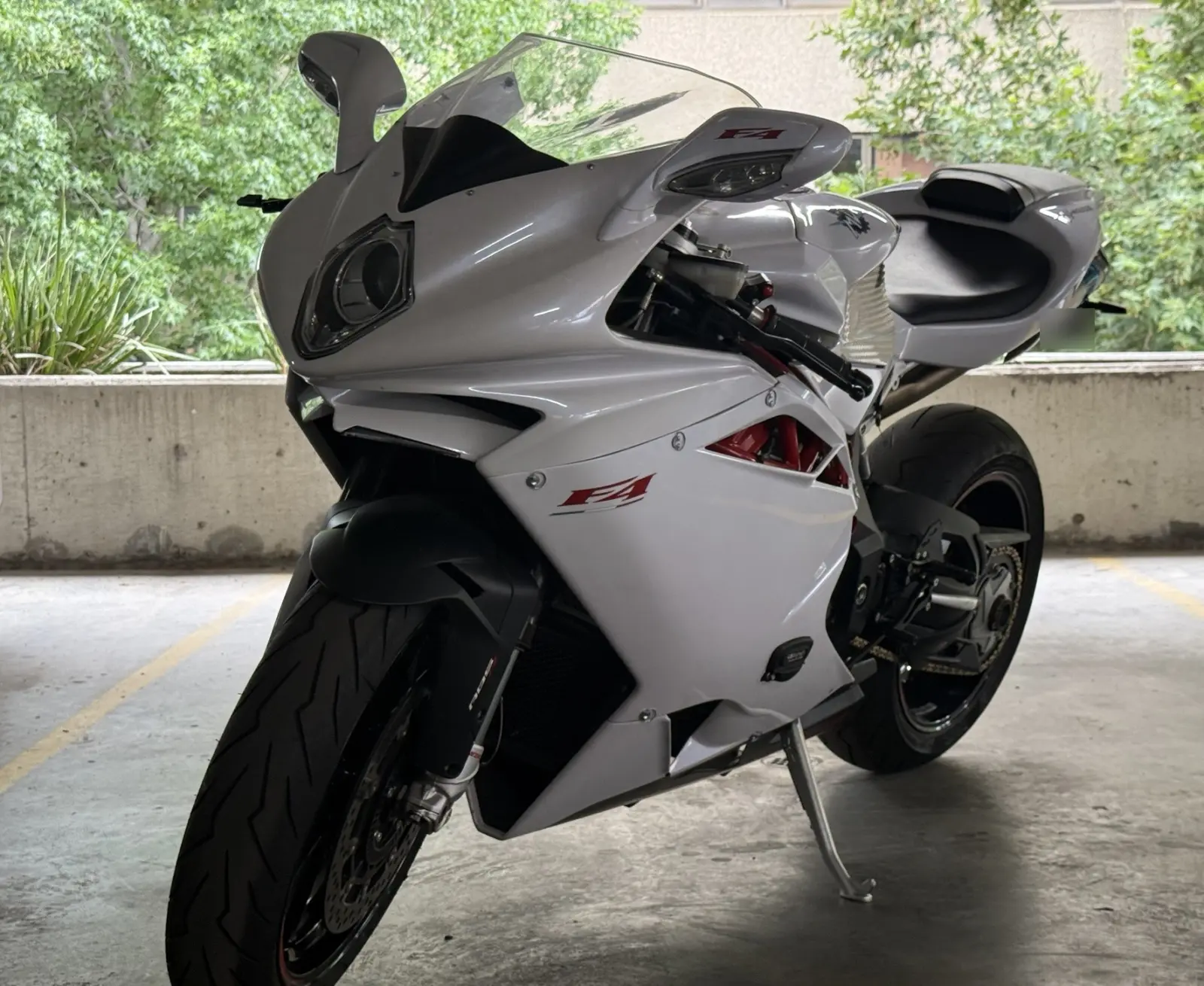
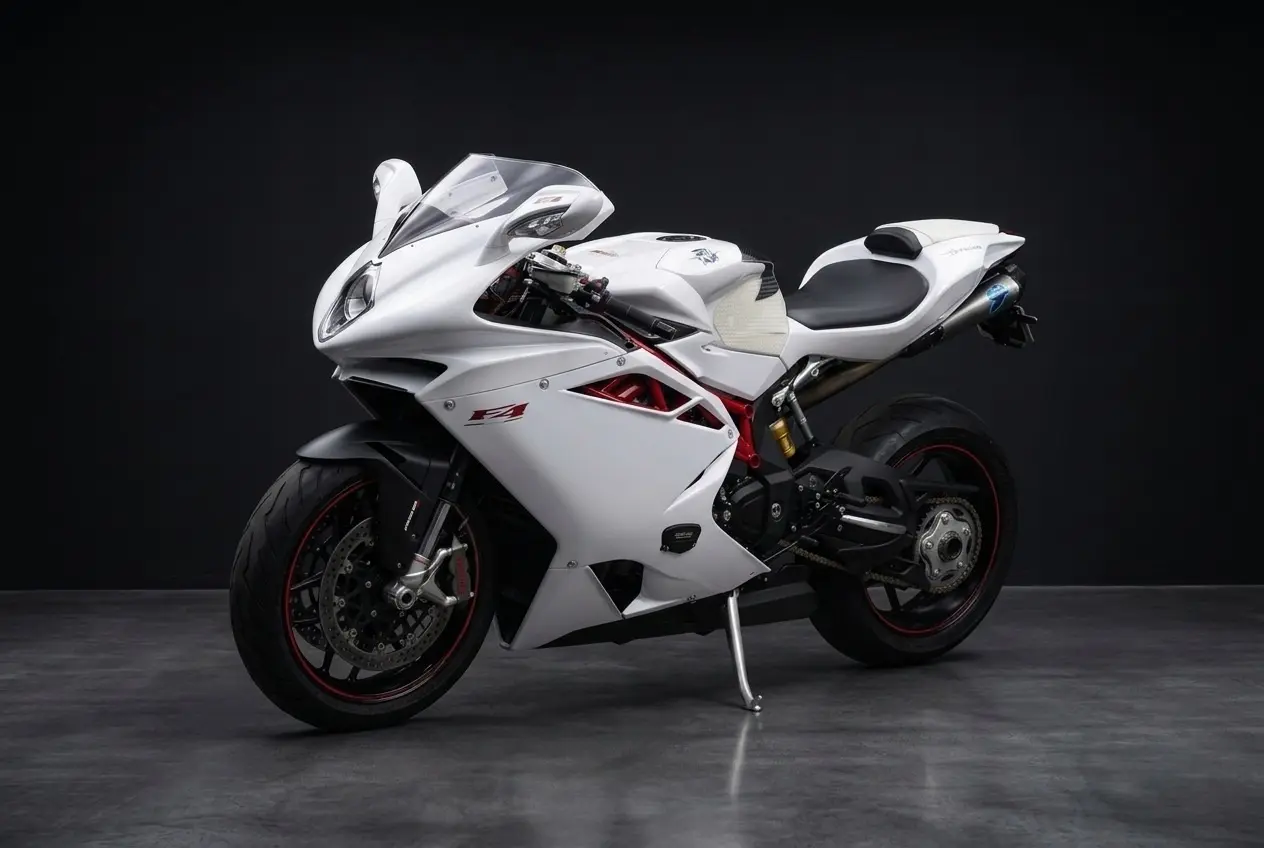
Book the MV Agusta F4. Pick your dates and book the MV Agusta F4 online, or call us and we will sort it with you.
Book NowCall 0468 011 118The descent off the escarpment on Bulli Pass rewards a rider who plans the brakes before the first bend. Long, steady gradients ask the brakes to work for minutes rather than seconds, and a rider who grips too hard early can arrive at the bottom with fading brakes and tired hands. The MV Agusta F4 is a capable machine for this kind of riding. This guide explains how to set up the descent, use the engine and the brakes together and keep the bike composed from top to bottom.
Still choosing a bike? Start with our guide to motorcycle hire in Sydney, which sets out the licence, age and pillion rules.
Before the escarpment: plan the whole descent
Good braking on a long descent starts well before the first bend. Take a moment at the top to look at the road, note where the corners tighten, and decide where you will scrub speed for each one. The descent is a sequence of decisions rather than a single event, and the riders who handle it best are the ones who have already made most of those decisions before the wheels start to turn downhill.
Check your own state too. A rider who has been climbing for half an hour may be warm, a little tired and slightly distracted, and that combination makes it easy to brake hard too late. Settle your breathing, relax your grip on the bars and make sure your gloves and jacket are fastened. A calm rider uses the brakes more smoothly, and that smoothness is what keeps them cool.
Finally, think about your destination at the bottom. The road eases onto the coastal plain, where traffic can slow suddenly, and you want the bike in a stable, cool condition when you reach that point. Riders who plan a short stop at the bottom often find it useful to let the brakes recover before carrying on.
Engine braking first, brakes second
The inline four in the MV Agusta F4 gives you a strong engine brake when you close the throttle and select a lower gear. On a steady gradient this is your first tool, because it holds speed without asking the brake discs to do all the work. Drop through the gears early on the approach to a bend, then let the engine slow the bike as you turn in. Use the lower gear to match your speed to the corner rather than relying on the brakes alone.
Engine braking is gentle, but it does not replace the brakes entirely. You still need to use the front and rear brakes to scrub speed when the corner is tighter than expected or when traffic appears ahead. The art is to use each tool in proportion. Let the engine do the constant work and the brakes handle the sharp moments, and you will find the descent far less tiring.
Avoid the common habit of holding the brake on continuously. A steady drag keeps the discs and pads hot, and it encourages fade just when you need the most stopping power. Instead, brake firmly, release, and let the bike roll before you apply pressure again.

Setting the speed for each bend
The descent is made of corners of different radius, and each one asks for a different speed. Look at the road ahead, identify the apex and the exit, and decide the speed you want to carry into the turn. Brake in a straight line where you can, because straight-line braking gives the most stopping power and keeps the bike stable. Save the lean for when the bike is settled and the speed is right.
A common mistake is to brake in the middle of a corner. The bike is then loaded through the front while leaning, which reduces the grip available and makes the bike harder to hold on line. Finish braking before you lean, roll on gently through the corner and open the throttle only when the bike is upright and the exit is clear. This habit keeps the tyres working efficiently and the brakes cool.
Watch for oncoming vehicles on the outside of bends, particularly where the road is narrow. Keep your line tidy and your speed controlled, and be ready to slow more if a truck is using more of the lane than you expected.
- Brake in a straight line before you lean
- Use a lower gear early and let the engine hold your speed
- Release the brake fully between corners
- Look through each bend to the exit before you commit
Recognising brake fade and what to do
Brake fade shows up as a softer lever or pedal, a longer stopping distance than you expect and a sense that the brakes are not biting as they did a few minutes earlier. It is caused by heat building up in the pads and discs. The fix is not to pump the brakes harder, which may make things worse, but to reduce the heat load: ease the speed back, use the engine more, and give the brakes a short rest.
If you notice fade, stop safely at the first suitable place, such as a wide shoulder or a turnout well clear of traffic. Let the brakes cool for several minutes before continuing. Do not hold the brake lever on while you wait, because that keeps the heat trapped. Check that the lever feels firm again before you ride on.
Heat is also a reason to ride the descent at a pace that suits the bike, rather than one that suits your ego. Riders who keep their speed moderate almost never see fade on this road, and they arrive at the bottom with the brakes ready for the next task.
Tyres, surface and the wet-weather margin
Road surfaces on steep descents can be patchy. Repair work, drainage grates and worn sections change the grip available from one corner to the next, and braking hard over them can unsettle the bike. Keep your braking gentle where the surface is uncertain, and give yourself extra room to react if the road shows signs of wear or water.
Wet weather changes the whole picture. Rain on the escarpment can run down the descent in sheets, and the first rain after a dry spell often brings oil and dust to the surface. Reduce your speed well before you need to, avoid sharp braking and be prepared for the bike to feel less planted when you lean. If the rain is heavy, consider waiting until conditions improve.
Fog and low cloud also appear on the escarpment at times, reducing visibility just when you need it. Turn on your lights and slow down further if the view ahead shortens. Visibility is part of braking, because you can only brake as early as you can see the hazard.
Want the MV Agusta F4 for your date? Pick your dates and book the MV Agusta F4 online, or call us and we will sort it with you.
Book NowCall 0468 011 118Gear, fatigue and riding within your ability
Good gear makes a real difference on a long descent. A certified helmet, an armoured jacket and trousers, gloves and sturdy boots protect you if the surface or traffic surprises you. Wear clothing that keeps you warm on cold mornings, because a chilled rider loses dexterity in the hands, and that affects the precision of your braking.
Fatigue creeps in quickly on a long descent. Your forearms, shoulders and neck tighten when you hold the bars tightly, and a tired rider makes sudden inputs. Stop at a safe point every hour or so, stretch your arms and hands, and drink water before you feel thirsty. Short breaks protect your judgement as much as the brakes.
Ride within your ability at all times, and never ride after drinking alcohol. The descent is a good place to test your smoothness, but it is not the place to prove a point. Keep an eye out for wildlife at dawn and dusk, when animals may move toward the verges, and remember that a sudden animal can force a change of line.
The hire terms that apply to this ride
A few hire terms matter before you set out. You need a full motorcycle licence that you have held for at least three years, and you must be at least 25 years old to ride our bikes. Hire is self-drive from our Parramatta base, and the minimum period is three days. Overnight, the bike must be kept in a locked garage or secure off-street parking between 9pm and 6am. Riders who plan a long day with a stop on the coast should factor that overnight rule into their itinerary.
Best time of day and season for the descent
Timing shapes how the descent feels. Early mornings are cool and the road is usually quiet, which gives you space to practise your braking technique. Mid-morning brings more traffic, particularly on weekends, when day-trippers and cyclists share the route. Late afternoons can carry glare on the escarpment, which makes judging the corners harder, so plan your descent for the morning or early afternoon where possible.
Seasons matter too. Autumn and spring offer mild temperatures and clear conditions, which suit a long, controlled descent. Winter brings cold mornings and the possibility of damp or shaded corners, while summer heat means the brakes will feel the load more quickly. In summer, aim for an early start and keep the descent moderate so the brakes stay cool.
For fuel and food, plan to fill up in the towns on the way to the escarpment rather than relying on the coast. Choose a village bakery or a cafe with easy, safe parking, and avoid stopping on the steepest section of the road. A relaxed break at the bottom lets the brakes cool and gives you time to reflect on the descent before the drive home.
Plan around the day by checking Transport for NSW for closures, roadworks and incidents first.
Taking the lesson back to the bike
Braking well on a long descent is a skill that improves with practice. Start on shorter hills, learn how the engine and brakes respond together, then carry that learning onto longer descents as your confidence grows. Pay attention to how the lever and the bike feel as the ride goes on, and treat any change as information.
The MV Agusta F4 rewards riders who treat braking as part of a smooth, planned ride rather than a last-second reaction. Its engine and brakes work well together when used with care, and a rider who respects heat and gradient will find the descent rewarding rather than stressful.
When you are ready to ride, book the MV Agusta F4 through its fleet page, or browse every bike on the fleet index. Our team will help you choose the right machine for your experience and plan a route that suits the day.
Frequently asked questions
How do I stop brake fade on a long descent?
Reduce the heat load before the brakes start to fade. Use a lower gear early so the engine holds your speed, brake firmly in a straight line and then release the lever between corners. Avoid dragging the brake through bends, because constant pressure keeps the discs hot. If you notice a softer lever or longer stopping distance, stop at a safe place and let the brakes cool before continuing.
Should I use engine braking on a steep road?
Yes, engine braking is one of your best tools on a long gradient. Select a lower gear before the bend rather than braking hard in the middle of it, so the engine holds your speed steadily. The brakes remain essential for sharp moments and unexpected traffic, but using both together keeps the discs cooler and gives you more control over the bike throughout the descent.
Is it safe to brake while leaning into a corner?
It is best avoided. Braking mid-corner loads the front tyre while the bike is leaning, which reduces the grip available and makes the bike harder to hold on line. Brake in a straight line before you lean, then roll on gently through the bend. Open the throttle only when the bike is upright and the exit is clear, and your tyres will work more efficiently.
What should I do if the road is wet on the descent?
Slow down well before you need to and avoid sharp braking or sudden throttle changes. Rain can bring oil and dust to the surface, especially after a dry spell, so expect less grip than usual. If the rain is heavy or visibility drops, consider waiting for conditions to improve. Riders who plan a wider margin in wet weather are much less likely to face an unplanned emergency stop.
How fit do I need to be to handle a long descent?
Fitness matters less than focus and comfort. A long descent asks you to hold the bars steadily, keep your core engaged and concentrate for a sustained period. Stop regularly, stretch your arms and shoulders and drink water. If you find your grip tightening or your concentration slipping, pull over and rest before you continue. Ride within your ability and let the road set the pace.
Can I ride the descent after a long day in the saddle?
It is better to avoid it. Fatigue reduces your judgement, slows your reactions and makes smooth braking harder. If you are tired, take a longer break before the descent, or consider a different route for the return trip. Never ride after drinking alcohol, and remember that an overnight stop in a locked garage or secure off-street parking may be part of your plan.
Ready when you are. Pick your dates and book the MV Agusta F4 online, or call us and we will sort it with you.
Book NowCall 0468 011 118