
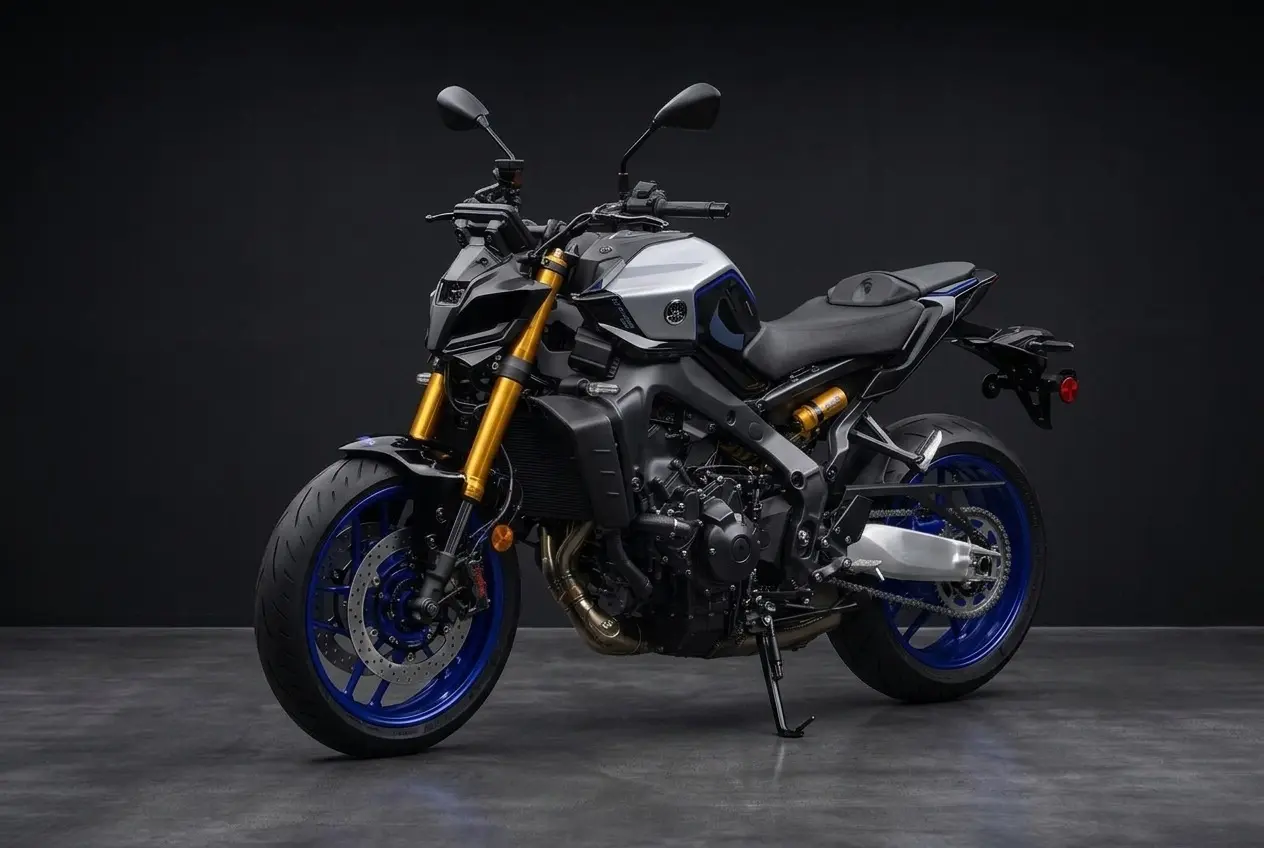
Book the Yamaha MT-09 SP. Pick your dates and book the Yamaha MT-09 SP online, or call us and we will sort it with you.
Book NowCall 0468 011 118Daylight decides more about a good motorbike weekend than most riders realise. The same route can feel generous in midsummer, when the evenings stretch on, and tight in midwinter, when the sun sets before the last fuel stop. Building your booking around the light means choosing dates, start times and routes that finish comfortably in daylight. Here is how we would plan a weekend hire around the seasons, with the Yamaha MT-09 SP as our suggested bike.
Still choosing a bike? Start with our guide to motorcycle hire in Sydney, which sets out the licence, age and pillion rules.
Why Daylight Should Shape Your Booking
Most riders start planning with the route and only later think about the clock. That order can cause trouble. A ride that looks comfortable on a map may stretch past the point where you are happy riding, once you add fuel stops, a lunch break and the slower pace of roads with bends. Starting with the daylight window gives you a firm boundary, and everything else fits inside it.
Daylight also affects how you see the road. Low sun can dazzle on a westerly run, and shadows can hide damp patches and debris until you are on top of them. Dusk brings wildlife out to the verges, and the light fades faster than most people expect. A plan that finishes well before the sun goes down gives you a much calmer ride.
Once you know the window, work backwards. Decide when you want to finish, allow a margin of at least an hour, then count the distance and stops that fit between the start and that finish point. The result is a plan that feels relaxed rather than rushed.
Summer Evenings: Long Light, Late Finishes
Summer gives you the most generous daylight of the year. Evenings stay bright well into the night, which makes it tempting to stretch a ride until the last possible moment. The temptation is real, but the heat is the bigger issue. Midday temperatures can be very high, and riding through the hottest hours tires you faster than the distance suggests.
A good summer weekend therefore starts early, works through the cooler morning, pauses in the middle of the day and returns in the late afternoon. That rhythm keeps you in the cooler part of the day for riding and leaves the long evening light for relaxing, eating and checking the bike. Summer afternoons can also bring storms in some regions, so keep an eye on the forecast.
Plan extra time for the return leg in summer. Traffic can build on warm weekend afternoons, especially on popular routes toward the coast, and a slow leg in heavy traffic can eat into the margin you thought you had.
Winter Days: Short Light and Early Finishes
Winter reverses the picture. Days are short, the sun is low for much of the day and dusk arrives early. A winter weekend ride needs a much tighter schedule, with the finish time set well before the evening chill arrives. The shorter window is also the reason many riders choose a single, focused route rather than a sprawling loop.
Cold mornings are a feature of winter riding, and they change the early part of the day. Frost can linger in shaded spots, and the air can feel bitterly cold on exposed roads. Many riders prefer to begin once the sun has warmed the road a little, which means a later start but a safer one. Allow time for a proper warm-up before you press on.
Choose winter routes with care. Shaded bends and damp surfaces can stay slippery long after the sun has come up, so ride with extra caution until the road has dried. If the forecast turns poor, shorten the plan rather than trying to fit the original route into fewer hours.
Autumn and Spring: The Balanced Windows
Autumn and spring give the most balanced daylight for a weekend ride. Days are long enough to cover real distance, but not so long that the midday heat becomes a problem. Temperatures are usually comfortable, and the light is clear, which makes the bends easier to read and the scenery worth a stop or two.
Spring brings fresh growth and, in some areas, showers that can make surfaces slippery. Autumn is often calmer, with steady weather and cooler mornings that warm up nicely by late morning. Both seasons suit a plan with a late-morning start, a relaxed lunch and a return before the light begins to fade.
These seasons are the easiest to plan for a first weekend. The margins are generous and the conditions are forgiving, so you can focus on the ride rather than the clock.
The Yamaha MT-09 SP on a Daylight Schedule
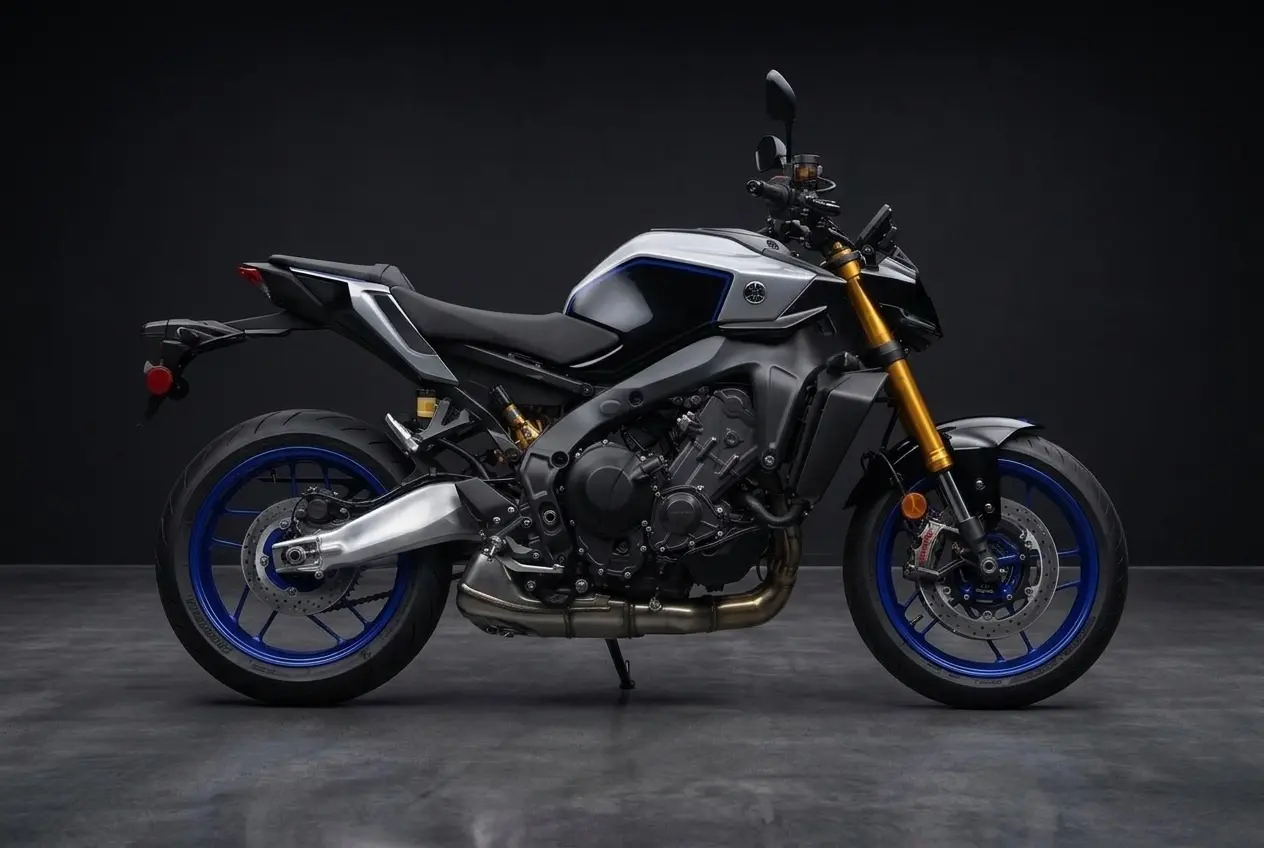
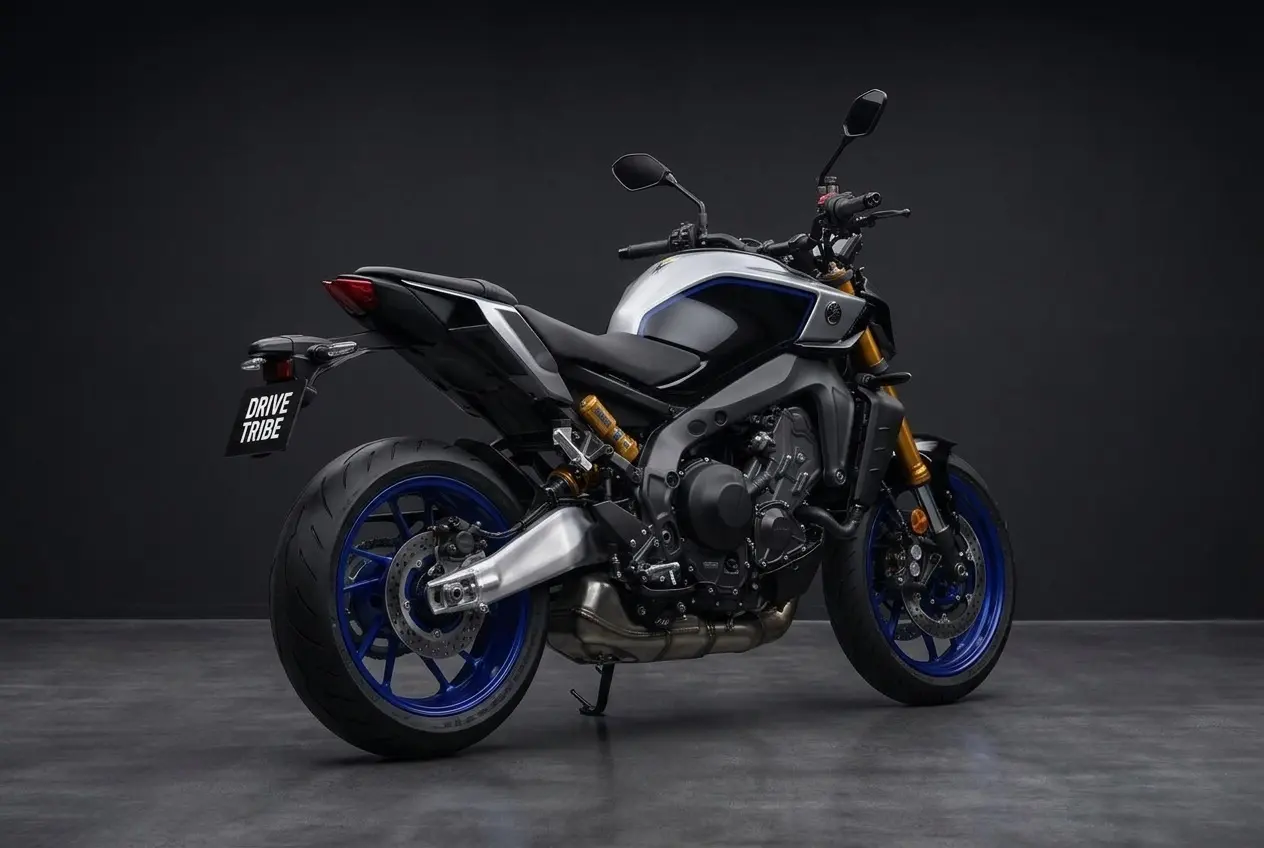
The Yamaha MT-09 SP is our suggested bike for a weekend planned around daylight. It is an inline three performance naked bike with premium adjustable suspension, gold front forks and strong brakes. Its engine offers enough performance to keep a long day interesting, while its open, approachable feel suits the steady, unhurried pace that a daylight plan encourages.
The adjustable suspension is useful when the light changes, because the surface often looks different in low sun than it does at midday. Take a few minutes before you leave to set the suspension for the conditions you expect, and revisit it if the road changes character. A bike that feels settled under you makes it easier to read the road in shifting light.
The strong brakes give you confidence on the approach to towns, where traffic can slow suddenly and the light may be dazzling. Brake early and progressively, keep the bike in a straight line before the bend and make sure you can see the road beyond the next corner before committing to a pass.
Road Character, Surfaces and Traffic
Different routes suit different daylight windows. Coastal roads are busy and bright, with long views and sea breezes that can gust unexpectedly. Inland roads are quieter but can have sharper bends, shaded sections and rougher edges where the surface has worn. Choose a route that matches the time you have, and avoid tight, shaded roads if you are riding toward dusk.
Surfaces vary across the weekend, and the light can hide changes in grip. Sealed bitumen is what our bikes are built for, and we recommend staying on sealed roads from start to finish. Check the surface before you commit to a bend, and treat a sudden change in colour or texture as a warning.
Traffic on weekend routes ranges from family cars and caravans to riders on sports bikes and the occasional heavy vehicle. Leave room for slower traffic, and avoid overtaking on bends or crests where the view ahead is limited.
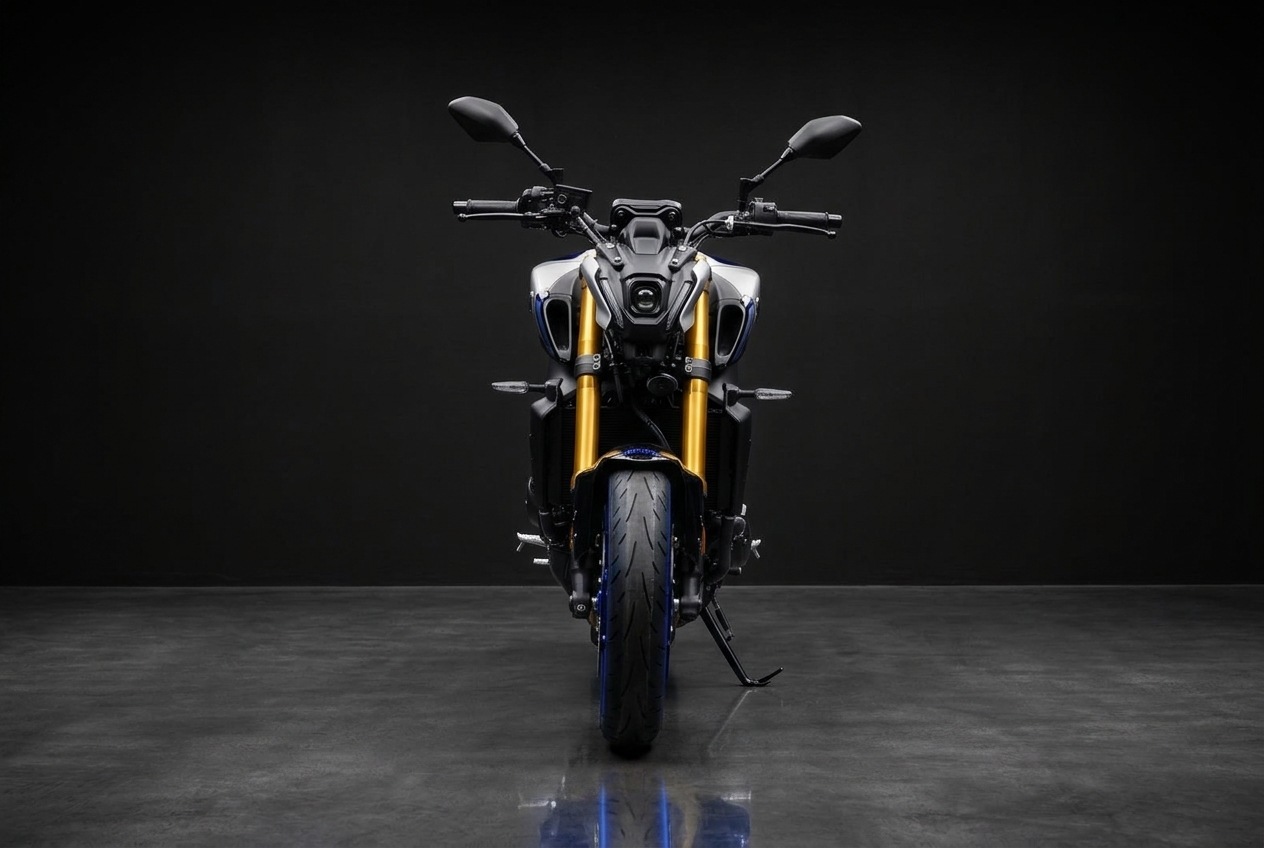
Want the Yamaha MT-09 SP for your date? Pick your dates and book the Yamaha MT-09 SP online, or call us and we will sort it with you.
Book NowCall 0468 011 118Weekend Crowds and Quiet Weekdays
Weekends bring crowds, particularly to lookouts, beaches and the cafes near popular scenic routes. Crowds can slow a ride and make parking harder, so build extra time into the plan for stops and for finding a space. Arriving early in the day is the simplest way to beat the crowds and enjoy the view before the car parks fill.
If your schedule allows, a weekday is often the best choice for a daylight ride. Traffic is lighter, the roads are quieter and it is easier to stick to your planned pace. Many riders who ride midweek find the bends more enjoyable because they can take their time.
If a weekend is your only option, choose a route that avoids the busiest spots at peak times, or plan the visit for early morning. Keep your pace steady and give other road users space. Patience on a busy weekend is part of riding well.
Fuel, Food and Stops for a Daylight Run
Fuel stops are the detail that most often trips up a daylight plan. Fill up before you head into any stretch with few services, and never rely on a station being open late in the day. A quick check of the tank at every stop helps you keep the plan on schedule without running low at the wrong moment.
Food stops should be planned around the light. A substantial lunch in the middle of the day keeps you fuelled for the afternoon, while a lighter snack can carry you through a short leg. Cafes in towns along the route are a good choice, and many have outdoor seating where you can rest and watch the day unfold.
Build in a short rest every hour or so. These pauses let you check the bike, stretch your legs and confirm the time, which is the most useful habit for a daylight plan. A break that starts late can push the finish past the light, so keep the stops short and steady.

Hire Terms and Safety in Changing Light
Three terms shape a weekend booking. Bikes are hired on a minimum of three days, so plan the weekend as a booking of at least that length. Each rider must hold a full motorcycle licence held for at least three years and must be aged 25 or over on every bike. Overnight, the bike must be kept in a locked garage or secure off-street parking between 9pm and 6am, which means the day should finish with the bike safely housed before that window.
Dusk is one of the most demanding times to ride. Light fades quickly, and wildlife becomes active at the roadside as the sun goes down. Slow your pace in those last hours, keep your visor clean and avoid glare on the bends. If the light is failing and you are not yet at your destination, stop somewhere safe rather than pushing on.
Fatigue and gear matter in every season. Wear a fitted helmet, a riding jacket with armour, gloves, long trousers and boots that protect your ankles. Stop when you feel drowsy, never ride after drinking alcohol and ride within your ability, especially when the light is changing.
Check Transport for NSW for live traffic and road conditions before the day begins.
Book Your Weekend Ride With Drive Tribe
The Yamaha MT-09 SP is the bike we would recommend for a weekend planned around daylight. It handles changing surfaces and varied light with composure, and it offers an engaging but relaxed ride across a full day. Set your start, your finish and your stops first, then let the bike carry you through the route.
You can compare the wider range by browsing our fleet. Think about the season, the daylight you have and the crowds you expect, and choose the bike that fits the plan you have built.
When you are ready, book the Yamaha MT-09 SP through our site and we will help you line up the weekend. A clear daylight plan turns a busy weekend into a relaxed ride you will want to repeat.

Frequently asked questions
What time should I start a weekend ride?
Start after the sun has warmed the road and the morning chill has eased, and ensure your finish is well inside the daylight window. In summer that can mean an early start to avoid the heat, while in winter a later start is usually safer. Work backwards from your planned finish time, allowing a margin for stops, traffic and the unexpected.
How do I avoid riding in the dark?
Set a firm finish time and build the route around it, with a margin of at least an hour. Count fuel and food stops into the plan, and check sunset times for the day you ride. If you are running late, shorten the route rather than pushing on. Stopping somewhere safe is always better than riding into poor light.
Is a summer weekend better than a winter one?
Summer offers long evenings but hot midday temperatures and sometimes afternoon storms. Winter brings short days and cold, damp mornings, but the roads can be quieter. Autumn and spring are often the most balanced for a weekend, with comfortable temperatures and generous daylight. Choose the season that matches the kind of ride you want.
How long should a weekend ride be?
A weekend ride should suit your experience and the daylight you have. Many riders enjoy a route of a few hours with regular stops, rather than a single long push. Allow time for lunch, a short walk and a relaxed return. A ride that finishes with energy left is far more enjoyable than one that ends in fatigue.
Are weekends busier than weekdays on scenic routes?
Yes, weekends usually bring more traffic, visitors and crowds to lookouts, beaches and cafes. Weekdays are generally quieter, which makes it easier to keep a steady pace. If a weekend is your only option, arrive early, choose less busy stops and build in extra time for parking and slower traffic.
What should I do if the forecast changes?
Check the forecast the night before and again in the morning, and be ready to adjust the plan. If rain or wind is expected, shorten the route, choose a drier road or postpone the ride to a better day. Flexibility is part of planning a safe weekend, and a shorter, calmer ride is always better than a difficult one.
Ready when you are. Pick your dates and book the Yamaha MT-09 SP online, or call us and we will sort it with you.
Book NowCall 0468 011 118