
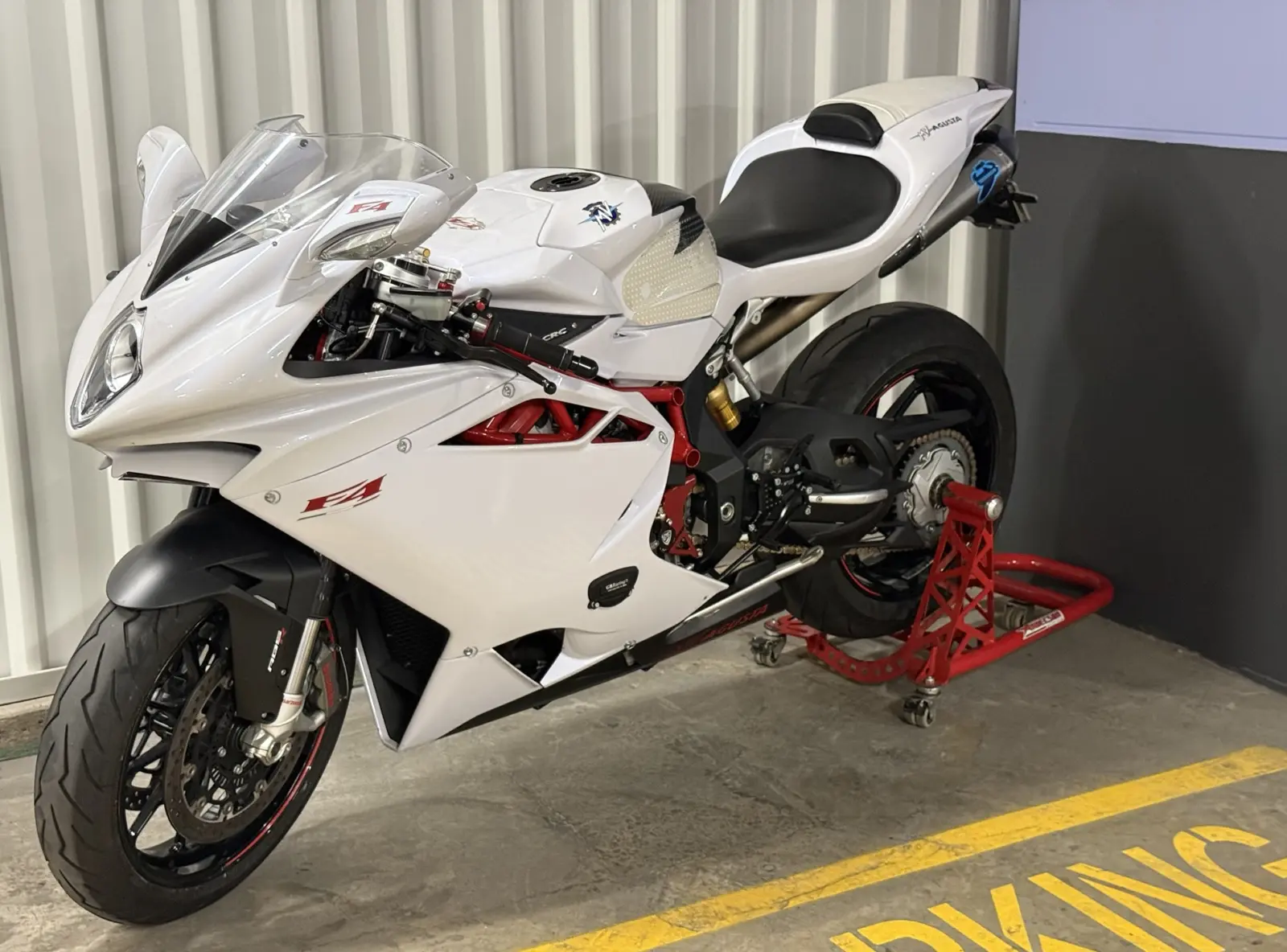
Book the MV Agusta F4. Pick your dates and book the MV Agusta F4 online, or call us and we will sort it with you.
Book NowCall 0468 011 118Night riding looks romantic in films, and the Pacific Highway seems to invite it, with its long ribbon of tarmac through forest and hill country. We do not recommend it, and we would rather you plan to finish by dusk, although no rule stops you riding after dark. Headlight glare, fatigue, wildlife and the way speed is easy to misjudge in the dark add up quickly. This piece explains why daylight is the sensible way to ride the highway, and how to plan a day that finishes well before the sun goes down.
Everything to know before you book, from the licence rules to the bond, is on our Sydney motorbike hire page.
Why we plan every ride to finish in daylight
A motorbike gives a rider very little protection, and every part of the ride depends on clear vision, steady concentration and quick reactions. The Pacific Highway is a long road, and the dark hours remove many of the cues a rider relies on, from the shape of the verge to the colour of the surface. Planning a ride to finish in daylight is the simplest way to keep the risk low.
Daylight also gives you options. If a tyre looks soft, a fuel gauge drops faster than expected or the weather turns, there is time to pull over, check the situation and make a sensible decision. At night every small problem becomes harder to solve, and a rider who is already tired is far less able to manage it. We would rather see you arrive late in the afternoon, rested and in one piece, than rush to beat the dark.
The same logic applies to the start of the day. We never begin a ride before 6am. Those boundaries are not there to frustrate riders. They keep every journey within the hours when the road, the light and your own alertness are at their most reliable.
Headlight glare and what it does to your eyes
Glare is one of the most underestimated hazards on a night ride. Oncoming headlights, high beams from cars behind and the reflections from wet tarmac can all fill your field of view at once. Your eyes take time to recover after a bright light passes, and in that moment the lane markings, the edges of the road and the shapes of other vehicles can disappear. A rider who is dazzled for even a second can drift out of line or fail to see a hazard in time.
The Pacific Highway has long stretches of divided road, but it also carries heavy traffic that changes lanes, passes and moves across the median in ways that make glare harder to predict. Trucks throw a lot of light forward and sideways, and vehicles coming up behind can fill your mirrors with a glow that masks what is really there. The effect is worse when the road is wet, because every light is reflected back into your eyes from the surface.
Glare is also tiring. Constantly squinting, adjusting your focus and trying to pick out the road from the reflections drains concentration quickly. Many riders notice their shoulders tensing and their grip tightening after only an hour of dazzle. Keeping your head up, looking to the left edge of the lane and avoiding the direct glare of oncoming headlights helps, but the simplest fix is to avoid the situation altogether by riding in daylight.
Judging speed and distance in the dark
In the dark your sense of speed and distance becomes unreliable. The usual reference points, such as fences, trees and roadside markers, become harder to see, so a rider can feel that they are moving more slowly than they really are. The reverse can also happen, with the road appearing to rush towards you when the light is poor. Either way, a rider who misjudges their pace may find the corners arriving sooner than expected.
The posted limit is set for good conditions in daylight, and it does not allow for the reduced visibility of night. Riding within the limit is not enough on its own at night. You have to ride to what your headlight shows you, and that is always a shorter distance than the road ahead. Any hazard that appears beyond the beam, a stalled vehicle or an animal on the verge, must be seen and reacted to in a much shorter window than in daylight.
Stopping distances stretch in the dark because the rider has less time to see a hazard and less confidence to brake hard. A slow, steady approach with an eye on the edge of the light is the safest method, but even that asks more of you than a daylight ride does. The honest conclusion is that the Pacific Highway at night asks a rider to do a great deal more with a much smaller margin for error, and that is a trade we do not think is worth making.
Fatigue after dark on a long run
Fatigue is the quiet partner of night riding, and it often arrives later than riders expect. The end of a long day, the hum of the engine and the steady rhythm of the road can slow your reactions without you noticing. Yawning, drifting focus and the feeling that the bike is wandering in the lane are all warning signs, and by the time they appear your ability to respond may already be reduced.
Long distances make fatigue worse. A rider who has been in the saddle since the afternoon may be physically tired, cold and mentally drained, with less capacity to deal with glare, traffic and wildlife. Many people also underestimate how much cold and wind affect the body on a motorbike, which can drain energy faster than a warm car journey. Taking a proper break every hour or so is far more effective than pushing on and hoping for a second wind.
The best protection is to plan the day so that you do not need to ride tired. Choose an overnight stop before dusk, eat a proper meal at a sensible time and go to bed early enough to be fresh the next morning. If you feel drowsy at any point, stop somewhere safe, step off the bike and rest. Never ride after drinking alcohol, and do not ride if you have taken medication that makes you drowsy. A rider who stops early always has the better chance of finishing the trip safely.
Wildlife, surfaces and the dark stretches
Wildlife becomes a much greater hazard after dusk. Kangaroos, wallabies, possums, cattle and other animals move onto the roads to feed, and many appear at the edge of the light without warning. The forest and hill sections of the highway are especially risky, because there is little open ground on either side and animals can cross from the scrub in a few strides. A rider who meets an animal at night has very little time to brake or swerve safely.
The surface can also be harder to read in the dark. Patches, joins, edge breaks and drainage dips may look similar in the beam, and a shadow can hide a change in the road that would be obvious in daylight. Our bikes are road machines and belong on sealed roads in good condition, so a surface that looks uncertain at night is a sign to stop rather than push on. Recognising a problem early is always easier in daylight.
Dark stretches of the Pacific Highway can also feel isolated, with long gaps between towns, limited fuel and food, and patchy phone coverage. If something goes wrong after dark, help may take much longer to arrive. Daylight gives you the chance to see the country, reach towns for fuel and food, and keep your phone within reach. Planning your stops in the light is the simplest way to keep the day comfortable and within your control.
Want the MV Agusta F4 for your date? Pick your dates and book the MV Agusta F4 online, or call us and we will sort it with you.
Book NowCall 0468 011 118Trucks, traffic and the hours of the night
Heavy vehicles are a constant feature of the Pacific Highway, and they become harder to read at night. A truck's lights can make it look further away than it is, its wide body can throw spray in wet conditions and its wake can push a light bike sideways in a gusty crosswind. Keep well back from heavy vehicles, avoid their blind spots and do not try to pass them on a dark stretch where the road ahead is hidden.
Traffic patterns change through the night too. Some drivers are tired, some are rushing to make a delivery, and others are simply hard to see. Your own visibility matters just as much, and a motorbike is small in the mirrors of a car that is looking for another car. Wearing bright gear and riding with a sensible gap helps, but the most dependable form of visibility is the daylight that lets other drivers see you clearly in the first place.
The traffic on a daytime ride is not without its challenges, but it is far easier to read. You can see gaps, judge speeds, watch vehicles beginning to move and make decisions with more time to act. That extra time is one of the most valuable things a rider can have, and it is a strong reason to keep the Pacific Highway a daylight road for your bike.
How we would ride the Pacific Highway by day
Daylight riding on the Pacific Highway is a rewarding experience. The road runs through green forest, coastal hills and river country, with views that change with every rise and bend. Autumn and spring are the most comfortable seasons, with mild temperatures and clearer light. Summer can be hot and humid on the northern sections, so start early in the cooler hours and take breaks in the shade. Winter brings cooler mornings and occasional wet weather, which calls for careful riding.
Plan your fuel and food stops in the towns along the route, and make sure you know your bike's approximate range before you set out. Larger centres have fuel stations and a range of cafes, while smaller towns may have fewer options, so top up whenever the chance arises. Lunch in the middle of the day gives you a welcome break and time to rest your eyes. Avoid heavy meals that make you drowsy, and drink water regularly, especially in warm weather.
Our simple advice is to finish the day before dusk, with time to settle into your overnight accommodation and put the bike in its secure garage. Check road conditions with Transport for NSW before you leave, and ride to the conditions you actually find on the day. Keep your speed matched to the traffic and the road, use the wider sections to settle into a rhythm, and take a break every hour to stretch and refocus.
- Start after 6am and finish well before dusk
- Map your fuel and lunch stops before you leave
- Choose an overnight stop that suits the day
- Take a break every hour and drink water
Gear and staying visible in daylight
Good gear is the foundation of a safe ride in any light. A fitted helmet, a riding jacket with armour, gloves, boots and motorcycle pants protect you from the elements and from the rare but serious fall. Bright colours and high-visibility panels help other drivers see you in traffic, particularly on the long divided stretches where a bike can be lost against the background. Make sure all your gear fits well and is in good condition before you leave.
Visibility is a matter of position as well as clothing. Ride where other drivers can see you, avoid lingering in the blind spot of a truck and keep a safe following distance. Use your lights as the law and the conditions require, and make sure your bike is set up and ready to be seen. A rider who is visible is far less likely to be caught out by a driver who has not noticed them.
Gear also keeps you comfortable, and comfort helps you think clearly. Layers are useful on the Pacific Highway, where a cool morning can turn into a warm afternoon, and wet-weather protection is worth carrying in the cooler months. A rider who is warm, dry and comfortable is more alert, more relaxed and more able to deal with whatever the road brings.
Hire terms and planning a daylight ride
Our bikes are self-drive from Parramatta, and a three day minimum applies to every hire. Each night the bike must be kept in a locked garage or secure off-street parking between 9pm and 6am, and every bike is fitted with a tracker. The rider must hold a full motorcycle licence for at least three years and be 25 or older. Those three rules shape how a Pacific Highway trip works, so build your overnight stop around them from the start.
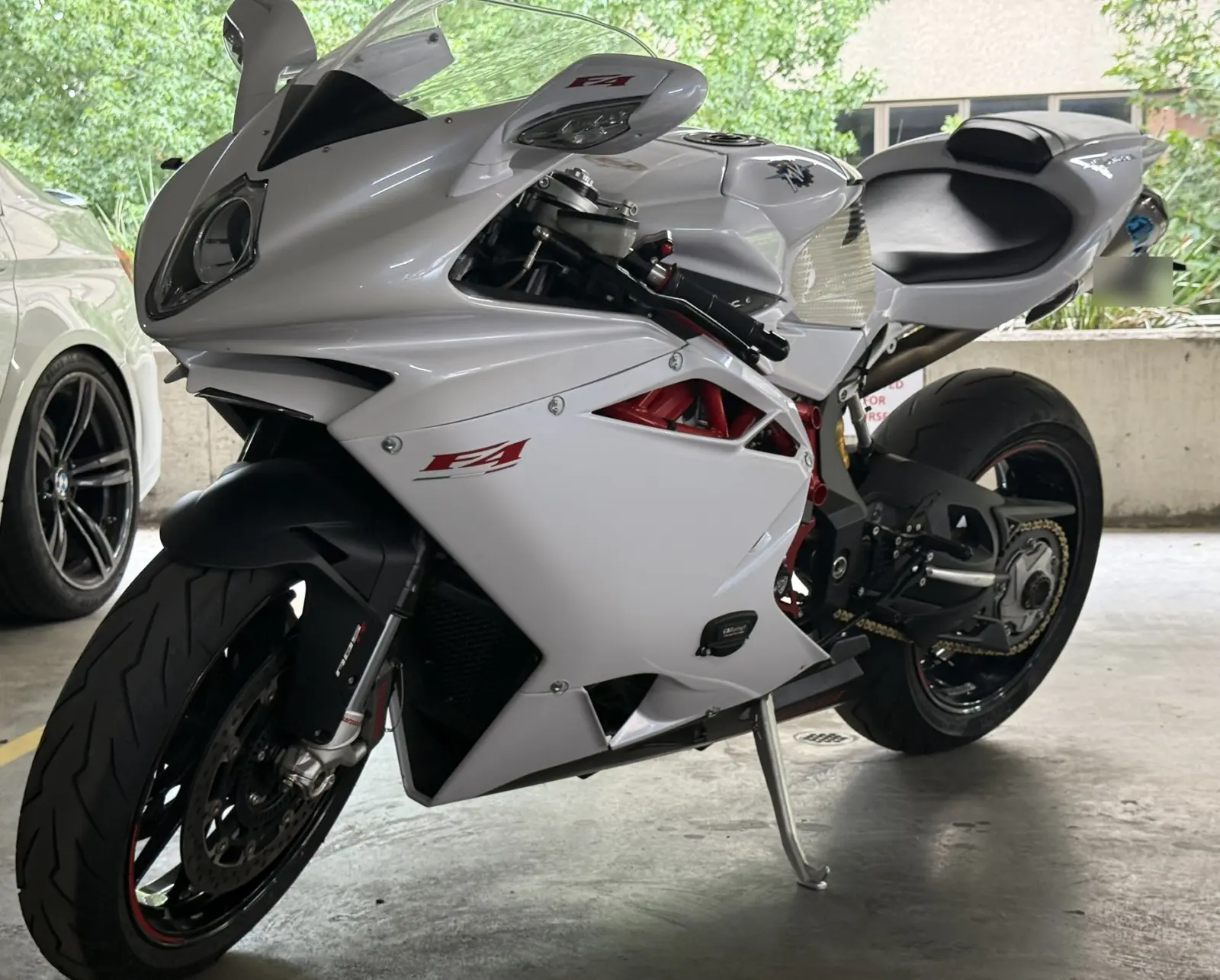
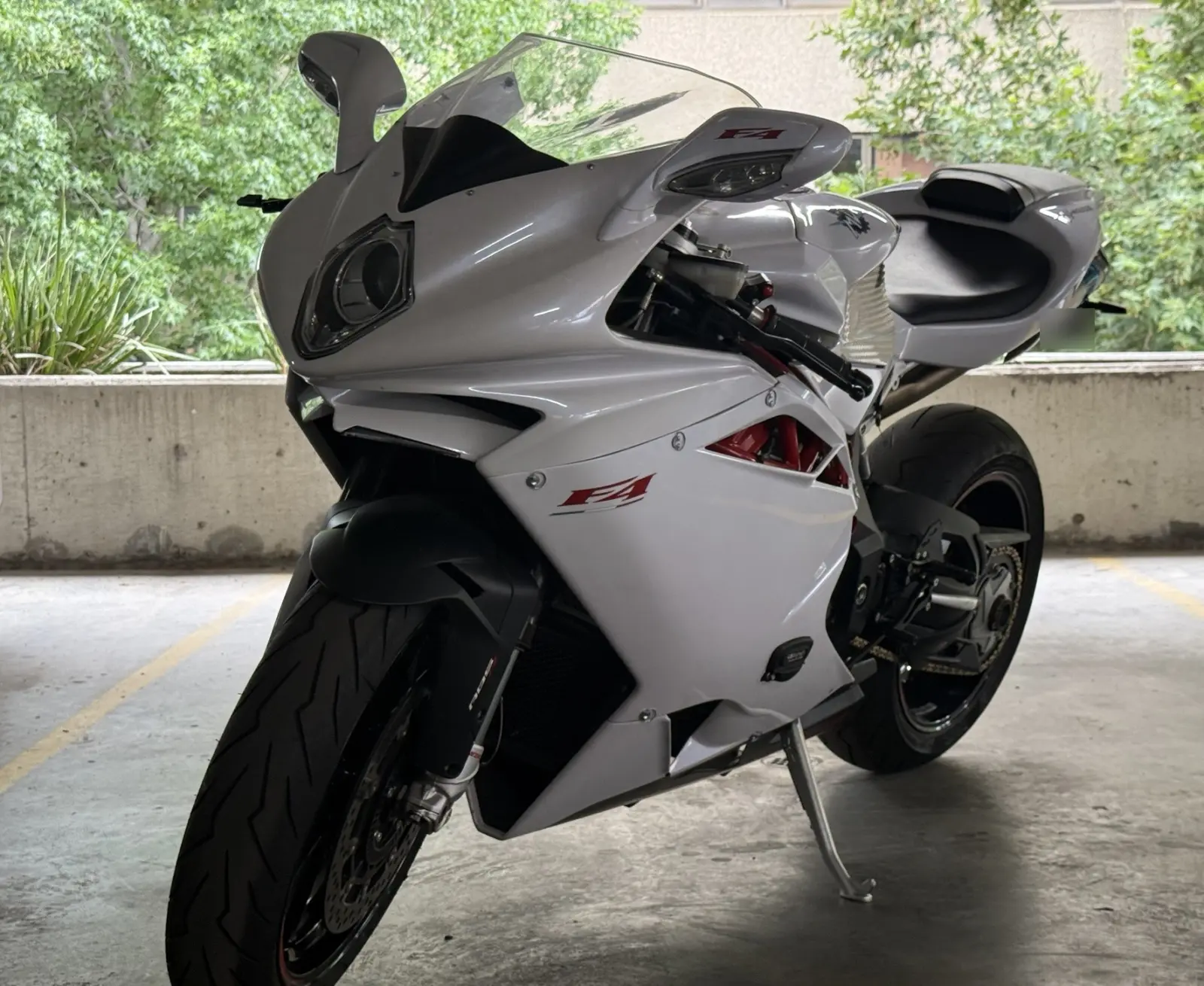
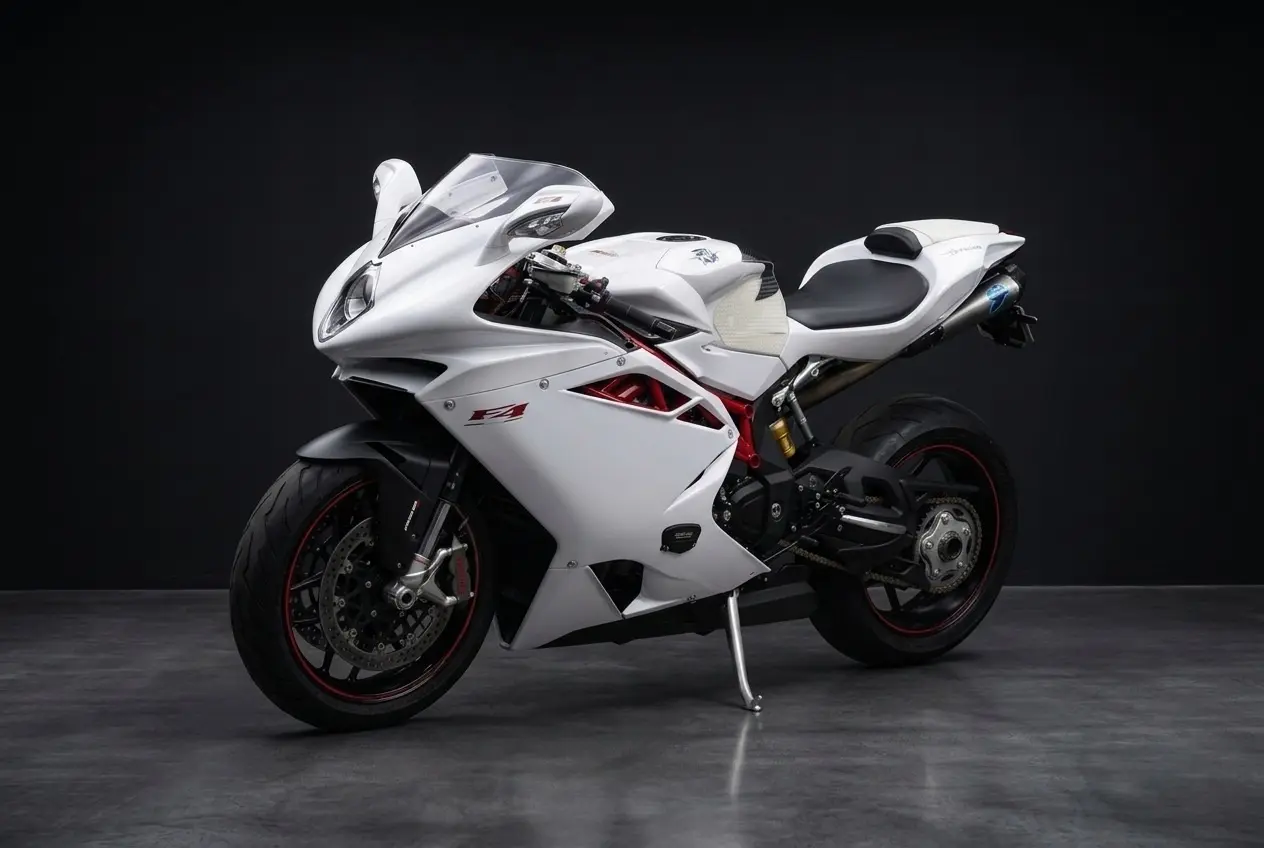
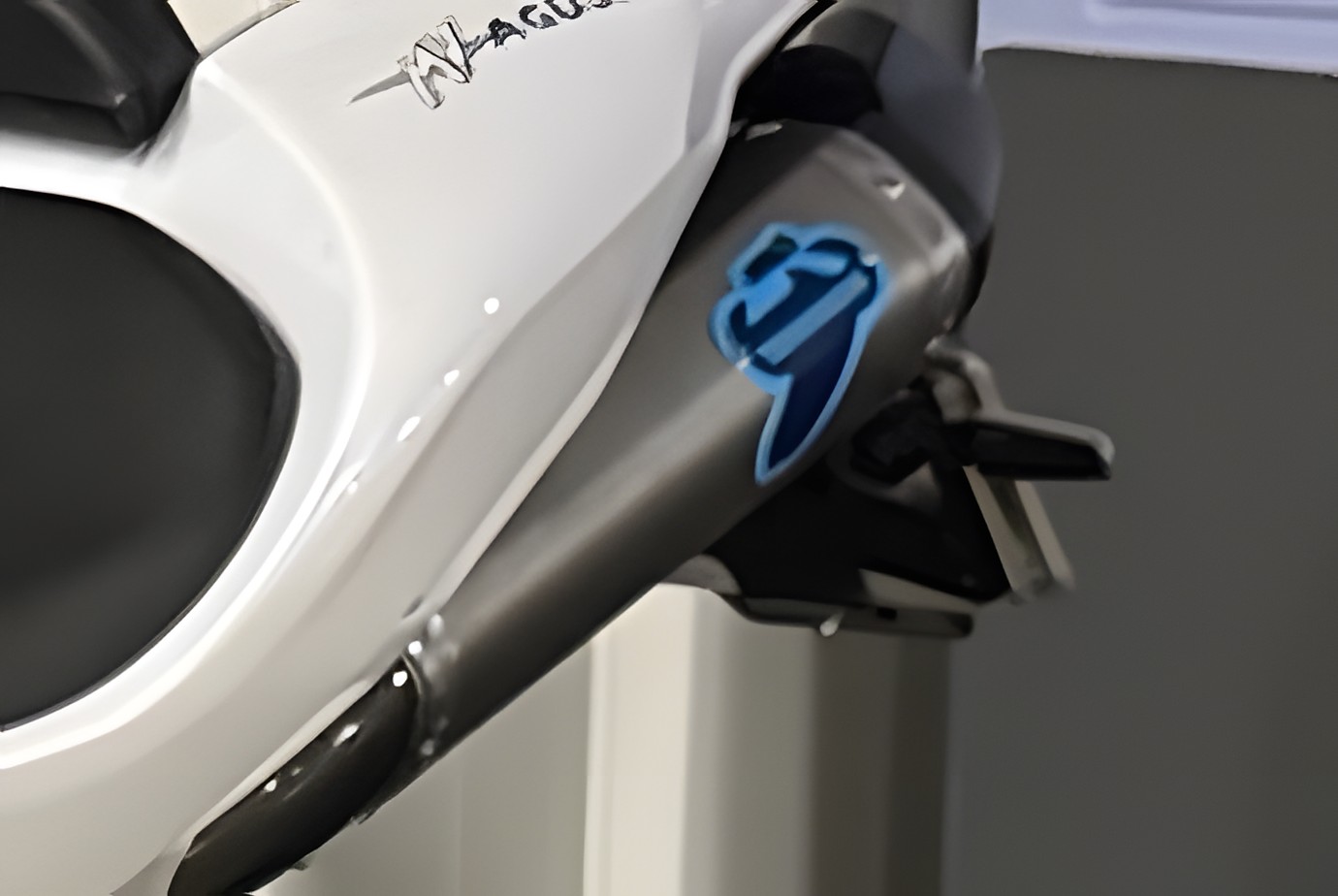
The MV Agusta F4 is our featured bike for a daylight run up the coast. It is a 998cc inline four with a performance exhaust, and it suits an experienced rider who wants a focused machine for long, sealed roads. Ride it within your ability, keep your attention on the road and let the day be measured by how well you arrive, not how quickly you get there.
If you are planning a ride up the Pacific Highway, we would be glad to help you map a daylight route with sensible stops and an overnight base. Tell us your experience, the dates you have and the towns you want to see, and we will talk through the options. Reserve your dates with us and we will prepare the F4 for a safe, unhurried journey.
Frequently asked questions
Is it safe to ride the Pacific Highway at night?
We do not recommend night riding on the Pacific Highway. Headlight glare, fatigue, wildlife and the difficulty of judging speed and distance in the dark all add up to a significantly higher risk than daylight riding. We plan every ride to finish before dusk. If your day runs late, stop at a safe town and continue in the morning rather than pushing on in the dark.
Why does glare matter so much on a motorbike?
Glare fills your field of view and makes your eyes slow to recover, so lane markings, road edges and other vehicles can vanish for a moment. On a motorbike there is little margin for that kind of lapse. Wet surfaces reflect headlights back at you, and trucks throw light forward and sideways. Keep your head up, look along the left edge of the lane and avoid staring at oncoming lights, though the best fix is simply to ride in daylight.
Does fatigue really matter more at night?
Yes. Fatigue slows your reactions, reduces your concentration and makes it harder to deal with glare and wildlife. Night riding adds mental and physical strain on top of the tiredness that builds through a long day. Warning signs include yawning, drifting focus and a feeling that the bike is wandering in the lane. Stop somewhere safe and rest if you notice any of these, and never ride after drinking alcohol.
Which Drive Tribe bike suits a daylight Pacific Highway run?
The MV Agusta F4 is our featured choice for a daylight run on the highway. It is a 998cc inline four with a performance exhaust, suited to an experienced rider who wants a focused machine for long sealed roads. The Yamaha MT-09 SP is a naked road bike alternative with premium adjustable suspension and strong brakes, and the Ducati 1199R suits a rider with plenty of superbike experience. Tell us about your background and we will help you choose.
What should I do if I am caught out after dusk?
Slow down, use your lights as the conditions require and look for the next safe place to stop, such as a town with fuel and accommodation. Avoid stopping on the highway shoulder if you can reach a rest area or a town instead. Keep a steady pace, watch carefully for wildlife at the edge of the light and check your fuel and your energy levels. Planning ahead is far better, but if you are caught out, stopping safely matters most.
Can I hire a bike for a night ride?
Our hire rules do not ban riding at dusk or after dark, but we do not recommend it on a highway like this one, and the bike must be locked in a garage or secure off-street parking from 9pm to 6am. We suggest planning each day so that you finish before dusk, with time to refuel, rest and settle into your overnight stop. A daylight plan is the safest way to enjoy the Pacific Highway, and we are happy to help you build one.
Ready when you are. Pick your dates and book the MV Agusta F4 online, or call us and we will sort it with you.
Book NowCall 0468 011 118