
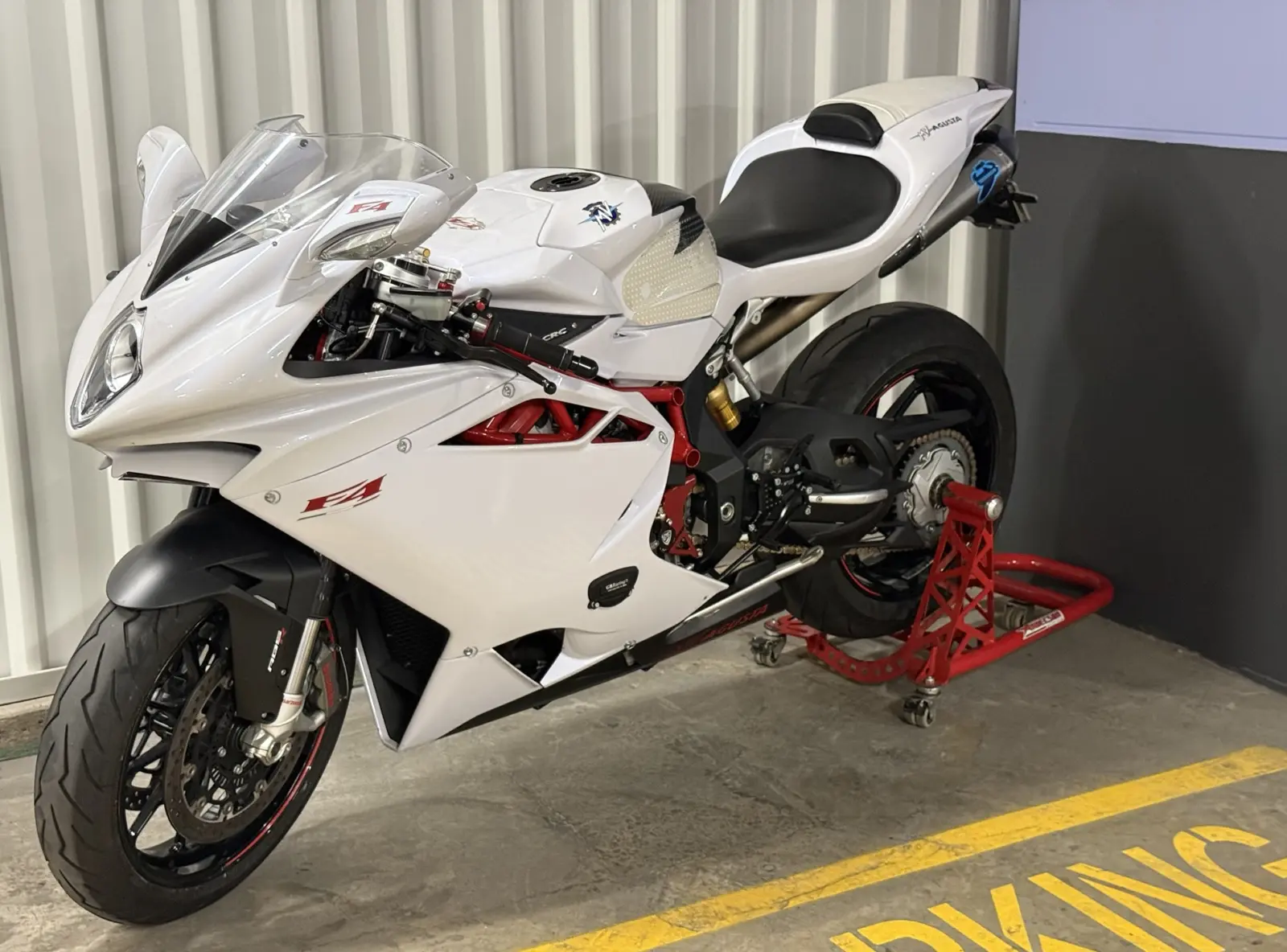
Book the MV Agusta F4. Pick your dates and book the MV Agusta F4 online, or call us and we will sort it with you.
Book NowCall 0468 011 118Newcastle sits where the Hunter River meets the Pacific, and on a clear winter morning its harbour lookouts reward the early rider with crisp air and wide views across the water. The city is a comfortable run north from Sydney on sealed motorway, with the last stretch bringing you to the coast and the headlands. This guide covers the timing, the lookouts, the parking, the cold coastal wind, the roads and the MV Agusta F4 we would choose for the day.
Everything to know before you book, from the licence rules to the bond, is on our Sydney motorbike hire page.
Why a winter morning suits Newcastle
Newcastle is a working harbour city where the Hunter River meets the Pacific, and in winter it offers something the summer crowds rarely see: clean, cold air, low sun on the water and lookouts that are often quiet well into the morning. The coast is exposed to the south-easterly wind, so the ride needs a little more planning than a summer trip, but the reward is a sharp, bright view over the harbour.
Winter suits a motorbike better than most people expect. Traffic on the motorway and in the city thins out on weekdays, the air settles after a frosty start, and the coastal roads dry quickly once the sun has been on them for an hour or so. The temperature drop is the main challenge, and layers plus good gloves solve it easily.
Think of the day as three parts: the run north, the harbour and headlands, and the quieter beaches on the way back. Each part suits a different pace. The motorway asks for calm, steady riding, the lookouts reward slow looking, and the coastal roads reward a rider who keeps smooth inputs through the corners.
The run north on the Pacific Motorway
The run from Parramatta to Newcastle takes about two hours on the Pacific Motorway, a sealed, divided road that carries a lot of freight and weekend traffic. Motorbikes are a common sight on it, but the mix of fast traffic and large gaps between trucks means you need to plan every lane change. Hold your line, keep a generous distance from large vehicles and check your mirrors often.
Winter mornings can begin with cold, damp air in the low ground and patches of fog near the water. Brake early and gently when the road is wet, and let the tyres warm before you push through the longer sweeps. Bridge decks and expansion joints can feel slippery when cold, so keep your inputs smooth as you cross them and avoid sudden corrections.
Stop once about halfway, at a service area or a town with a fuel station, and stretch your back and shoulders. Cold wind finds the gaps in your gear, so use the break to zip up the jacket, check your gloves and drink some water. The second half of the run is usually quieter, and you will arrive with your concentration still sharp.
The harbour breakwall and Nobbys Head
The harbour breakwall is one of the most striking walks in Newcastle, a long stone wall running out toward the surf with the lighthouse on Nobbys Head close by. On a clear winter morning the water inside the harbour is often calm, and the low sun throws light along the rock. You can walk the wall in a few minutes, but many people stay much longer to watch the boats and the tide.
Nobbys Head is a rocky promontory at the harbour mouth, with a lookout above the surf that gives you a view along the coast in both directions. The footpath is firm and generally level, but the rocks can be wet and slippery in the early morning, so wear sensible footwear. Keep an eye on the swell, since waves can wash over the lower rocks without much warning.
Parking near the headland is limited, so plan to arrive early or walk from a nearby street. Never leave your bike on a footpath or a verge where it blocks pedestrians or a driveway. A level spot on a quiet street close to the lookout is ideal, and it keeps the bike secure while you take the short walk out to the water.
Fort Scratchley and the headland lookouts
Fort Scratchley sits on a high point above the harbour entrance and was built in the nineteenth century to guard the port. It is a good place to stand in the cold morning light and look out over the water, with the city spread below and the open Pacific beyond. The site has interpretive displays, and the clear view across the harbour rewards the short climb.
Because the headland catches the wind, you will feel the cold more here than in the city. Wear a windproof layer and make sure your visor is clean, since sea air can leave the glass hazy in the morning. Choose a level section of road to park, away from the main lane, and walk up on foot if the ascent looks steep or damp underfoot.
Headland lookouts are the best place to plan the rest of the day. From the high ground you can read the swell, watch the traffic and decide where to ride next. A few minutes of looking is a good way to settle your nerves and clear your head before the coastal run begins.
Beaches and coastal lookouts to the east
The coast east of the city offers a string of beaches, rock platforms and lookouts that suit a slower, more relaxed ride. The roads run along the headland with curves, short climbs and views down to the surf. The sealed surface is generally good, though edges can hold sand, salt spray and loose leaves in the mornings. Ride with a comfortable margin and keep your eyes well ahead of the bike.
The beaches draw surfers, swimmers and walkers, and on a weekend morning the car parks fill quickly. Swim only between the patrolled flags when lifesavers are on duty, and never assume a calm surface means a safe swim. Watch for rips near the rock platforms, and keep your bike parked where it does not obstruct people carrying boards or towels.
Corner character along the coast varies a great deal. Some bends are open and smooth, while others tighten near the rocks and turn blind over small crests. Brake before the corner, roll on steadily through the apex and let the bike drive out of the bend. Riding this stretch calmly is far more rewarding than riding it quickly, because the views deserve your attention.
Parking and riding through the city centre
The city centre is compact and walkable, but the streets can be busy with buses, delivery vans and pedestrians. Ride at a steady pace, watch for cars pulling out from kerbside parking and keep your lane position clear of the light rail tracks and painted surfaces. Some streets have tight corners and many intersections, so give yourself time to read each one.
Parking requires patience. Look for a legal motorcycle bay or a marked space, and check the signs for time limits and restrictions. Never park on a footpath or block a loading zone. Locking the bike to a fixed point with a sturdy lock is wise, and keep anything valuable out of sight in your luggage.
Plan a parking spot before you reach the centre, especially on a weekend morning. If the first spot is taken, circle the block rather than making a sudden stop in traffic. A short, calm search is safer than a rushed manoeuvre, and it gives you a few extra minutes to look at the harbour views from the street.
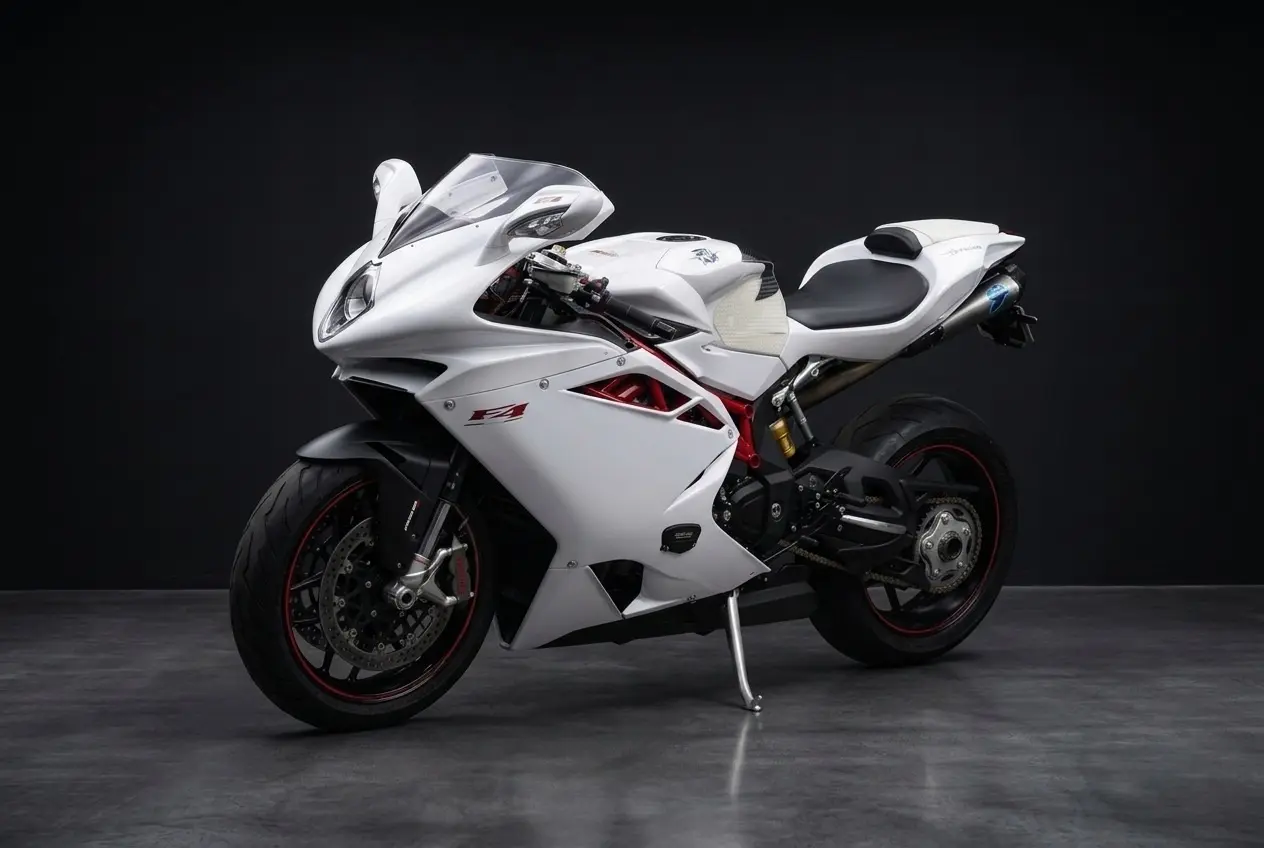
Want the MV Agusta F4 for your date? Pick your dates and book the MV Agusta F4 online, or call us and we will sort it with you.
Book NowCall 0468 011 118The MV Agusta F4 for a cold coastal morning
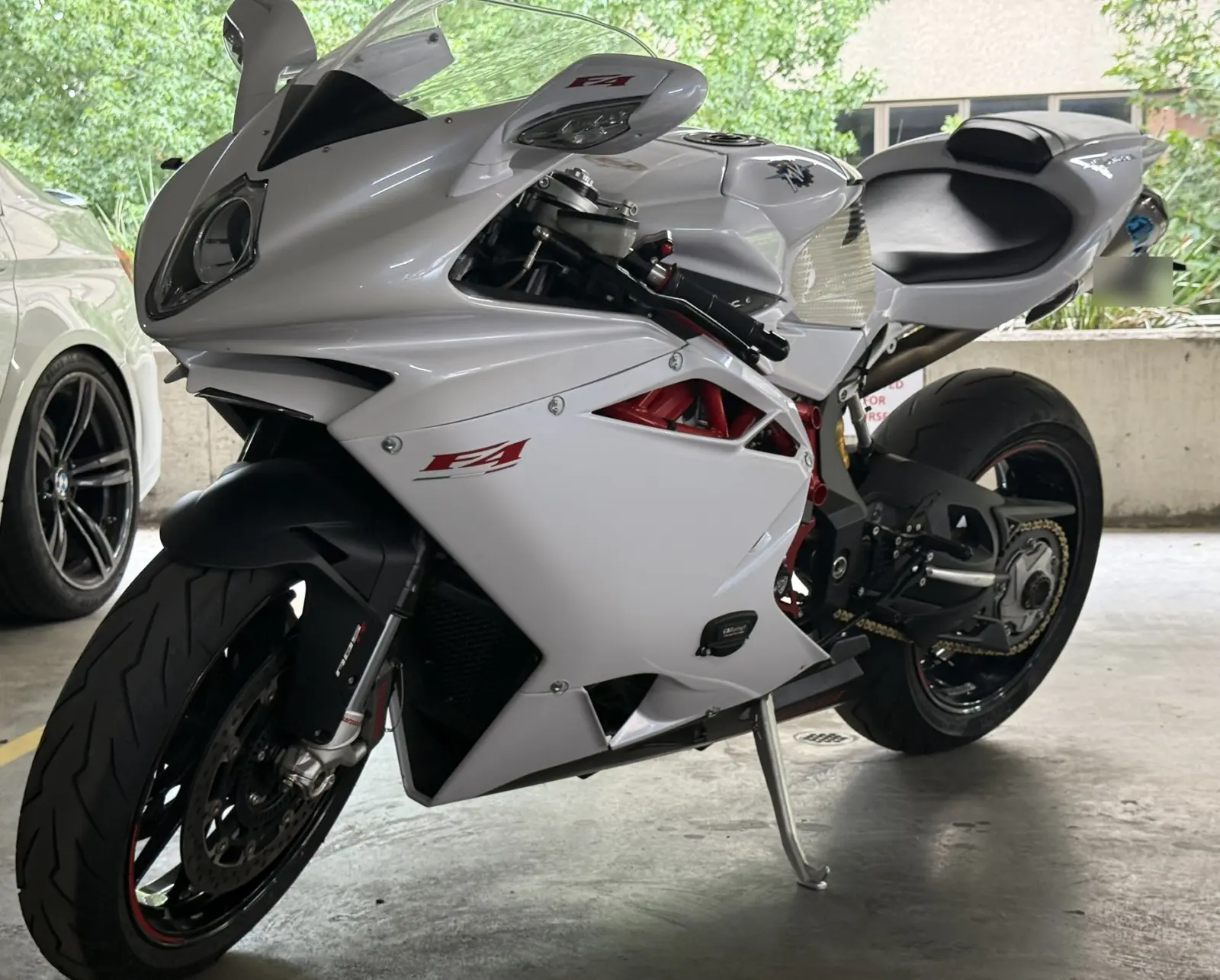
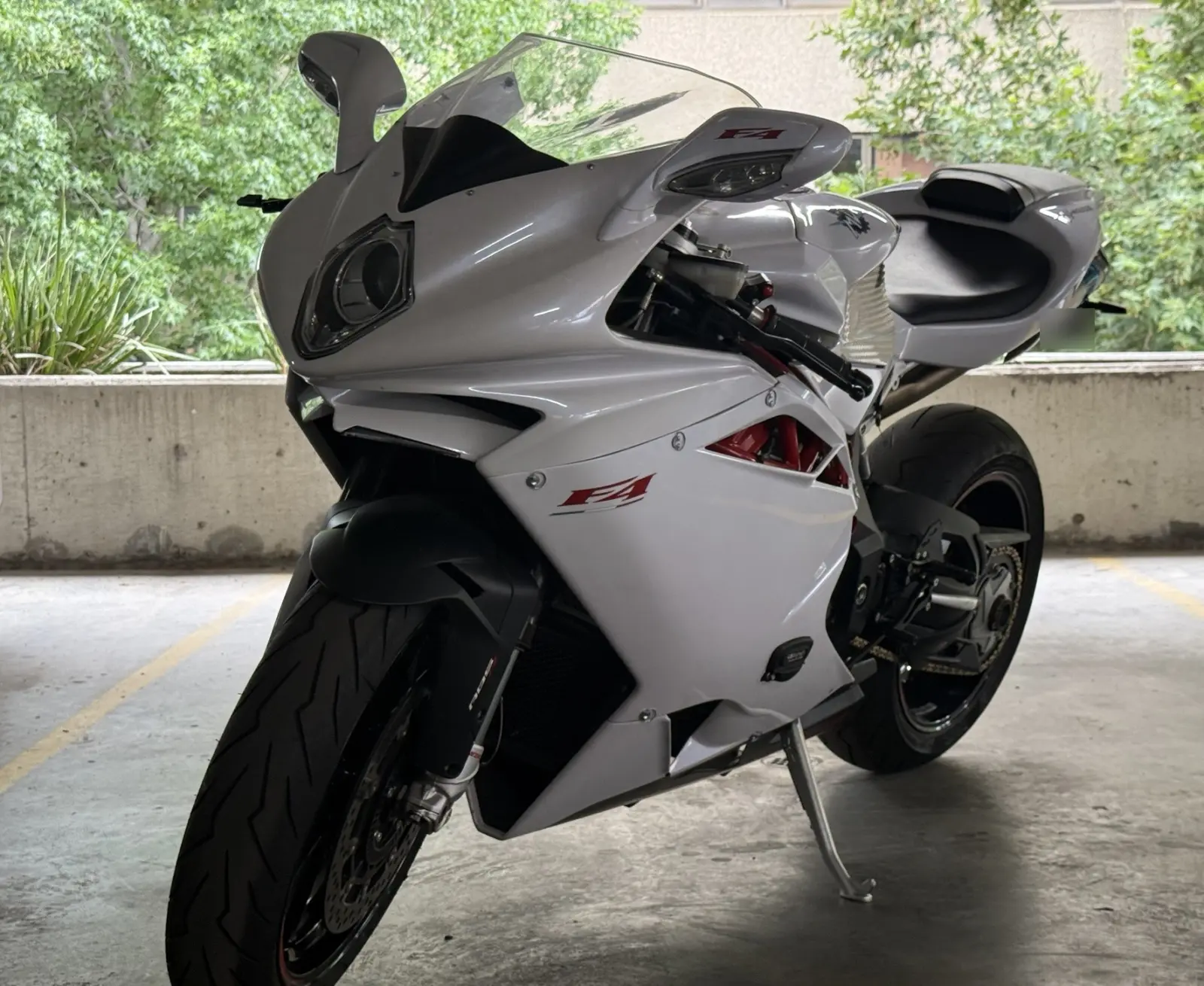
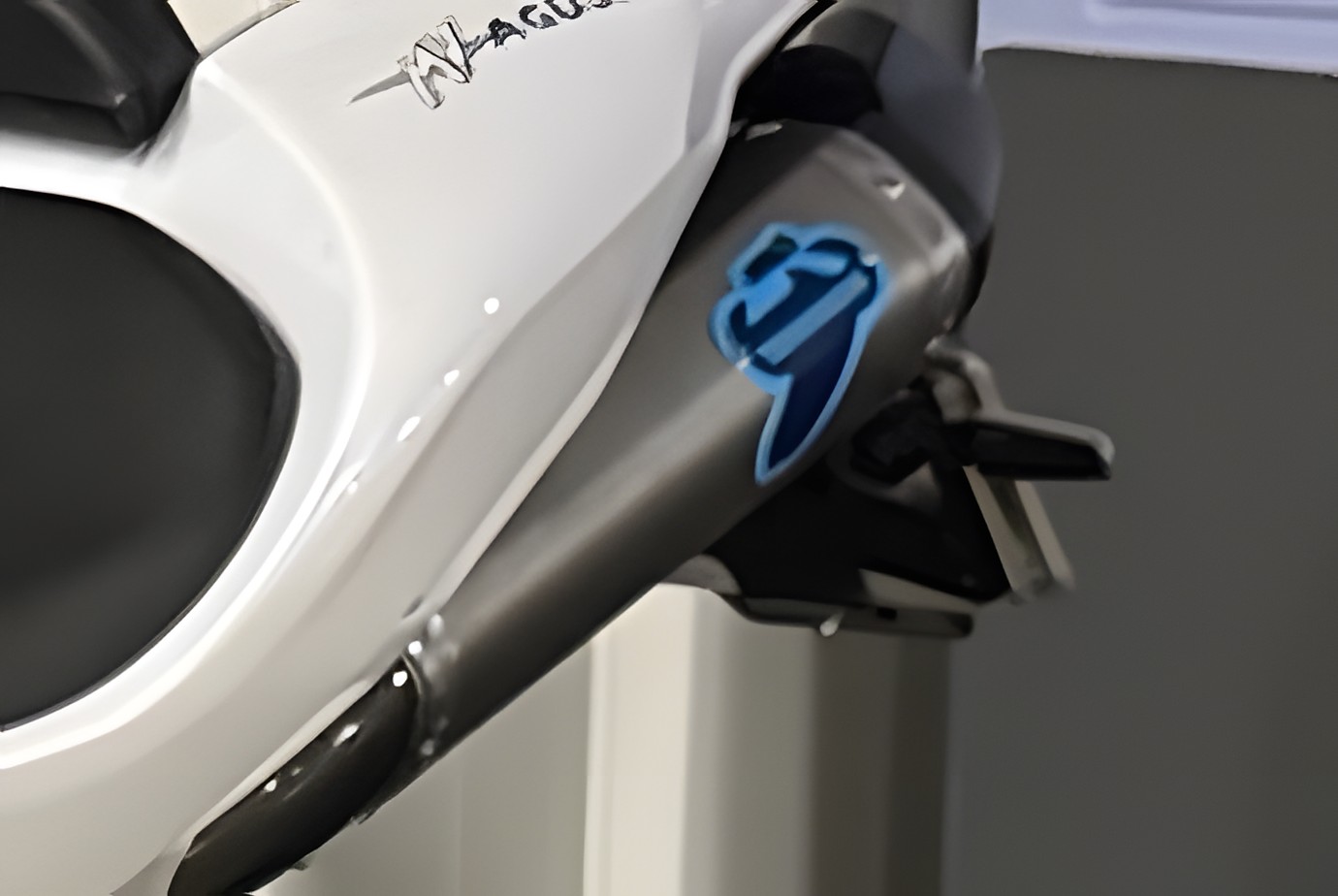
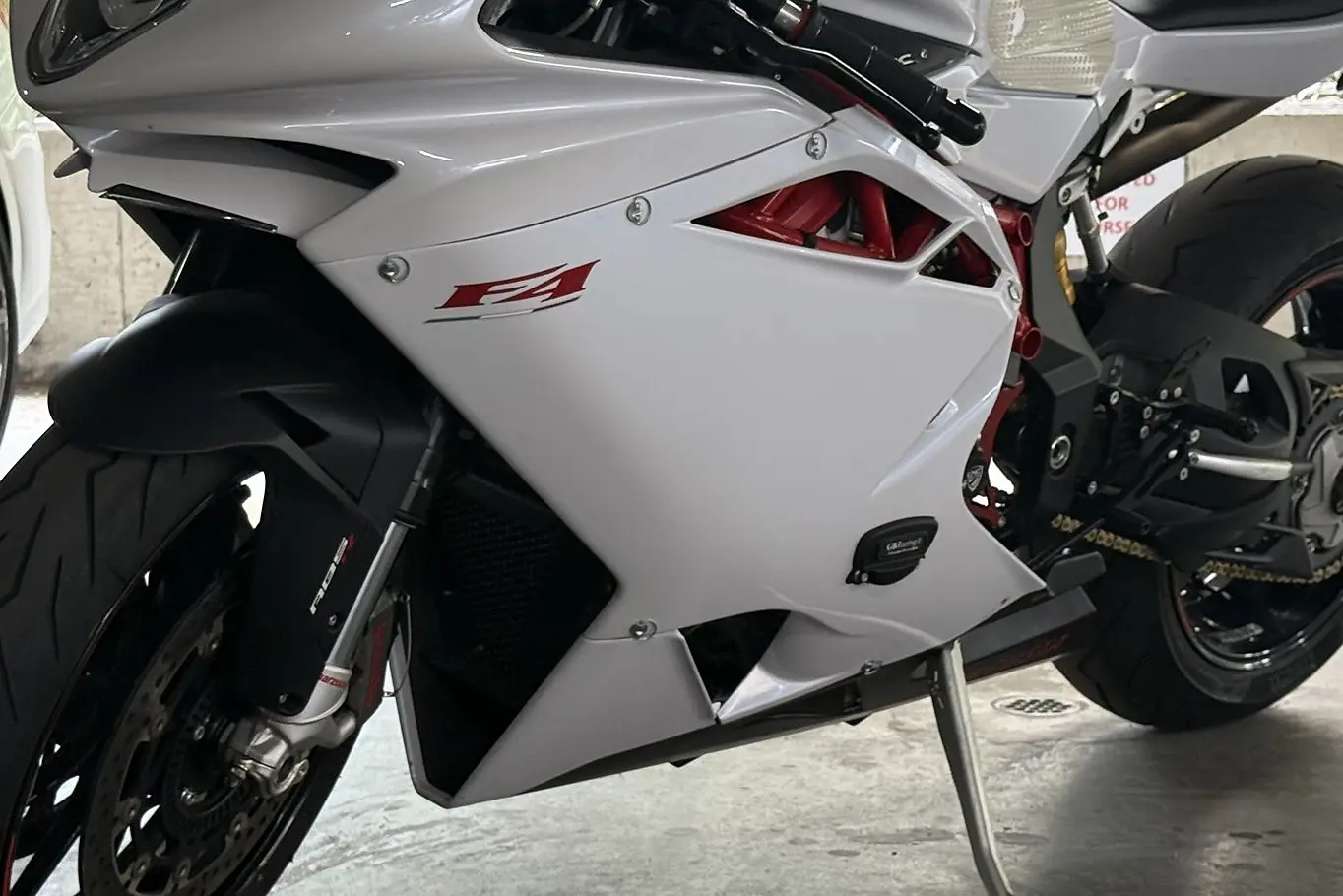
For a cold coastal morning we would choose the MV Agusta F4. Its 998cc inline four has a strong, lively character that feels right on the early harbour roads, and the pearl white paint and red trellis frame look striking against the winter light. The tuned performance exhaust is part of its character, and the F4 is at its best when you ride it with a relaxed, precise hand.
Cold tyres and cold brakes need respect at the start of a winter ride. Give the bike a few gentle kilometres before you open it up, and let the brakes come up to working temperature on the motorway. The F4 rewards a smooth approach to every corner, so brake in a straight line, roll on through the bend and avoid stabbing the throttle on damp surfaces.
Compared with our Yamaha MT-09 SP and Ducati 1199R, the F4 sits in a sweet spot for a scenic day. It is sharp enough to feel exciting on open coast roads, yet calm enough for a rider who wants to enjoy the view rather than rush past it. Its 143 kW output is a reason to keep your attention on the road, not the scenery, especially where the surface is damp.
Best time of day, season and food stops
The best time for a winter morning in Newcastle is the first hour after first light, when the sun is low, the air is clear and the lookouts are quiet. Winter sunrise comes later than in summer, so a departure that is sensible and unhurried still catches the best of the light. Frost and dew take time to clear from shaded roads and the headland, so a relaxed start suits the conditions.
Winter weekends bring more visitors, particularly in the warmer hours, while weekday mornings are calmer and the lookouts are often empty. Expect cyclists, joggers and early surfers at the beaches, and allow extra time on the coastal roads. Some days are windier than others, so check the forecast before you leave and pick a calm morning for the headlands.
Plan fuel before you reach the city, since the coastal roads and the centre have fewer service options than the motorway. Breakfast is best taken in a cafe near the harbour, and a light lunch later in the day works well after the coast run. Keep water with you, and avoid a heavy meal before the return leg, because a full stomach and cold weather together can make you drowsy.
Road character shifts through the morning. Frost and damp can linger on shaded roads until the sun reaches them, the headlands catch a sharp wind and the city warms up quickly. Build a break into the plan and let the morning set the pace rather than the clock.
Cold-weather safety on the coast
Good gear matters most in winter. Wear a fitted helmet with a clean visor, a riding jacket with armour, gloves that keep your fingers warm without restricting the controls, and boots that cover the ankle. A thermal base layer and a windproof outer layer will keep the wind chill away from your core on the headlands.
Cold muscles and cold hands slow your reactions, so warm up gently. Flex your fingers at the lights, roll your shoulders and keep your breathing steady. A cold rider tends to tense up and grip the bars too hard, which makes the bike harder to control on a bend. Relax your grip and let the bike move beneath you.
Wildlife and surfaces need attention at dawn and dusk. Early light can hide animals on the verge, and dew or frost can make painted lines and shaded corners treacherous. Slow down in the shade, avoid braking hard over painted markings and keep your eyes moving across the road ahead. Never ride after drinking alcohol, and stop when you are tired or too cold to concentrate.
Ride within your ability at all times, and treat every unfamiliar bend as slippery until you have checked it. Riding 30 km/h or more over the posted limit ends a hire and forfeits the bond, so keep your pace relaxed and suited to the conditions.
Hire rules and planning your Newcastle morning
Our bikes are self-drive and leave from the Parramatta base, on a three day minimum hire. Only riders holding a full motorcycle licence for at least three years are eligible, and every bike requires a rider aged 25 or over. Overnight, the bike must be kept in a locked garage or secure off-street parking between 9pm and 6am, so plan your return with that in mind.
Planning the morning is simple. Set a start time that keeps you in daylight, check the weather and the wind, plan your fuel and rest stops, and choose a weekday if you can. A clear winter morning on the harbour is a rare reward, and the best way to enjoy it is with a relaxed plan and enough time to stop.
Check road conditions with Transport for NSW before leaving, since roadworks and weather can change the motorway and the coast roads at short notice.
When you are ready, book the MV Agusta F4 for a winter morning on the coast. The lookouts are waiting, the air is clear and the harbour looks its best in the cold light.
Frequently asked questions
How long does the ride to Newcastle take from Parramatta?
The run takes about two hours on the Pacific Motorway, depending on traffic and how often you stop. Winter mornings can be cold and damp, so allow time to warm up and take a break midway. The motorway carries a lot of heavy vehicles, so keep a generous gap and plan each lane change. Leave clear of commuter peaks on the return leg, when traffic near the city can slow down.
What time should I start a winter morning ride?
Winter sunrise comes later than in summer, so a departure a little after dawn still catches the best of the light. Frost and dew need time to clear from shaded roads and the headland, which makes a relaxed start a practical choice. Check the forecast the night before, and allow extra time if a cold front is moving through, because wind and damp can change the ride considerably.
Where is the best view over Newcastle Harbour?
The headland lookouts give the widest view, especially around Fort Scratchley and the harbour breakwall area. Stop only in designated spots or well-sealed areas, and watch for walkers and surf on the rocks. A cold, clear morning gives the sharpest views, with low sun lighting up the water. Arrive early on weekends to find a parking space near the lookout.
Is it safe to ride the coast road on a cold morning?
Yes, with care. Cold tyres and brakes need a few gentle kilometres to warm up, and shaded corners can hold frost and damp for longer than you expect. Brake in a straight line, roll through corners smoothly and watch for wildlife on the verge. Wear layers, keep your grip relaxed and stop to warm up if your hands or concentration begin to fade.
Which bike suits a winter morning on the coast?
For this ride we would choose the MV Agusta F4. Its 998cc inline four gives a lively, precise ride on open coast roads, and the performance exhaust adds to the character. It suits riders who want a sporting bike for a scenic day. The Yamaha MT-09 SP and the Ducati 1199R are also in our range if you want a different style of ride.
What should I wear for a cold harbour morning?
Choose a windproof outer layer, a thermal base layer and gloves that keep your fingers warm without restricting the controls. A fitted helmet with a clean visor matters too, since sea mist can fog the glass. Boots that cover the ankle keep your feet protected from wind and damp, and a spare layer in your luggage helps on the return leg when the temperature drops.
Ready when you are. Pick your dates and book the MV Agusta F4 online, or call us and we will sort it with you.
Book NowCall 0468 011 118