

Book the Yamaha MT-09 SP. Pick your dates and book the Yamaha MT-09 SP online, or call us and we will sort it with you.
Book NowCall 0468 011 118Rural roads in New South Wales often look inviting, with open country, quiet bends and wide views. Yet the edges of many of those roads hold loose gravel, and that gravel can take a motorcycle from upright to sliding in a moment. Our bikes are road bikes, built for sealed surfaces, and we never recommend unsealed or gravel roads for them. This guide explains why gravel edges are so dangerous, how to read them and what to do when the sealed road ends.
Still choosing a bike? Start with our guide to motorcycle hire in Sydney, which sets out the licence, age and pillion rules.
Why gravel edges catch out experienced riders
Gravel is one of the most underestimated hazards on a motorcycle. It sits at the edges of many rural roads, collecting where tyres push it off the sealed surface, and it often looks harmless from a distance. A tyre that rolls onto loose stone loses grip with little warning, and the sensation can be sudden and alarming. Experienced riders are not immune, and many incidents involve riders who were simply unaware of how close the loose material sat to their line.
The risk grows in corners. When a bike leans, the contact patch of the tyre moves towards the edge of the road, and that is exactly where the gravel usually lies. A line that feels safe on a straight can become dangerous in a bend, especially if the rider has to make a correction. Keeping the bike upright and the tyre on clean, sealed surface is the foundation of safe riding in the country.
What our bikes are built for
Our machines are road bikes, designed for sealed roads and the surfaces that riders expect in town and on the highway. They are not built for unsealed tracks, loose surfaces or rough gravel, and we do not recommend taking them onto those roads. Respecting that limit is part of riding responsibly, and it protects you, the bike and the people who share the road with you.
A road bike performs at its best on a well-maintained sealed surface with clear markings and good grip. The tyres are chosen for that purpose, and the suspension and brakes are set up for the forces met on sealed roads. Riding a road bike on loose material asks more than the bike was designed to give, and that mismatch is where crashes begin.

Reading the edge before you reach it
Learn to read the edge of the road from a distance. Look for a change in colour between the dark sealed surface and the lighter gravel beside it, and for scattered stones on the tarmac. Dust clouds rising from the verge, ruts in the shoulder and tyre marks that wander towards the edge can all signal loose material. Each of these clues is worth a slower pace and a wider look.
Pay attention to how the surface changes through a bend. Gravel is often pushed to the outside of corners and collects where the road narrows, so the most dangerous spots are frequently the places you least expect. Keep your eyes moving between the far end of the bend and the edge of the road, and never assume the surface stays clean just because the last section was fine.
- Colour change between sealed surface and verge
- Loose stones scattered across the lane
- Dust rising from the shoulder
- Ruts or wandering tyre marks near the edge
- Gravel gathered on the outside of bends
What happens when a tyre meets loose material
When a tyre meets loose gravel in a corner, it can slide outward without much warning. The front wheel may wash out, and the rear may step sideways, forcing the rider to react instantly. The best response is to keep the throttle steady, avoid grabbing the front brake and keep the bike as upright as you can. Sudden braking or a sharp steering input often makes the slide worse.
Stones can also be flung up by the tyres of passing vehicles, which can strike the bike, your visor or the legs. Protective gear matters here. A helmet with a clear visor, a jacket with proper protection and boots that cover the ankles all reduce the consequences of a stone strike or a fall.

When the sealed road ends, turn back
If the sealed surface gives way to unsealed road, stop and reassess. Do not push on because you have come a long way or because the view ahead looks appealing. The sensible decision is to turn around and find a sealed alternative. Turning back on a motorcycle takes a little time, but it avoids a far more costly mistake on a surface the bike was not designed for.
Before you leave, check the route with Transport for NSW so you know where sealed sections begin and end. Road authorities publish closures and condition updates, and those notices can change quickly after storms or heavy traffic. Plan a sealed alternative in advance, and keep your fuel and timing flexible so a detour does not turn into a rushed ride.
Want the Yamaha MT-09 SP for your date? Pick your dates and book the Yamaha MT-09 SP online, or call us and we will sort it with you.
Book NowCall 0468 011 118Weather, dust and the best time to ride
Weather changes the grip on gravel edges dramatically. Rain can wash loose material across the road and turn dust into slippery mud, while dry, windy weather can blow grit onto the tarmac. Early morning dew can make the edges slick, and shaded corners may hold damp gravel long after the open road has dried. Pay close attention to the weather before and during your ride.
The best time to ride a rural road is usually early in the day, when the air is cool, the traffic is light and the surface has had time to settle. Autumn and spring offer the most comfortable conditions, with milder temperatures and fewer dust storms. Summer heat can dry the verges and loosen material, while winter mornings can bring frost to the shaded edges. Plan a start after 6am, and watch for wildlife at dawn and dusk where the bush meets the road.
Fuel and food matter on a long rural day. Top up before you leave the larger towns, since rural stations can be far apart. A break at a village with a shaded park gives you a place to rest, drink water and check your route on the map before carrying on.

Gear, fatigue and the terms of hire
Gear is your last line of defence against a slide or a stone strike. A helmet that fits well, a jacket with proper abrasion protection, gloves that keep your grip secure and boots that cover the ankles are the essentials. Keep your visor clean, because dust and stones can scratch the lens and reduce your view.
Fatigue reduces your judgement, and a tired rider is more likely to misread the edge of the road. Take regular breaks, drink water and stop when your focus wanders. Never ride after drinking alcohol, and ride within your ability on every road you choose.
Two things to know about hire. A security bond is held for each bike, and the optional damage cover offered on cars is not available on bikes. Bikes are self-drive from Parramatta with a three day minimum, and riders need a full motorcycle licence held for at least 3 years and must be 25 or older on every bike.
Building a day that stays on sealed roads
A good day on a country road starts on the map, not on the bike. Mark the sealed highways and main regional roads you plan to use, then check the sections between them for any stretch that may be unsealed or closed. A route that looks direct on a screen can include a rougher link, so favour roads that carry regular traffic and are maintained to a known standard.
Set your turn-back points before you leave. Choose two or three places along the way where you will confirm the surface and the conditions, and agree with yourself in advance what you will do if the road changes. Having that decision made in calm conditions means you will not have to make it in a hurry on a loose edge.
Keep the day flexible. Weather can close a road, a crash can cause a diversion and a late start can squeeze your timing. A sealed route with a few alternatives is far more satisfying than a single line that you feel pressed to finish. The aim is the ride itself, and that means keeping the bike where it belongs, on clean, sealed surface, from the first kilometre to the last.
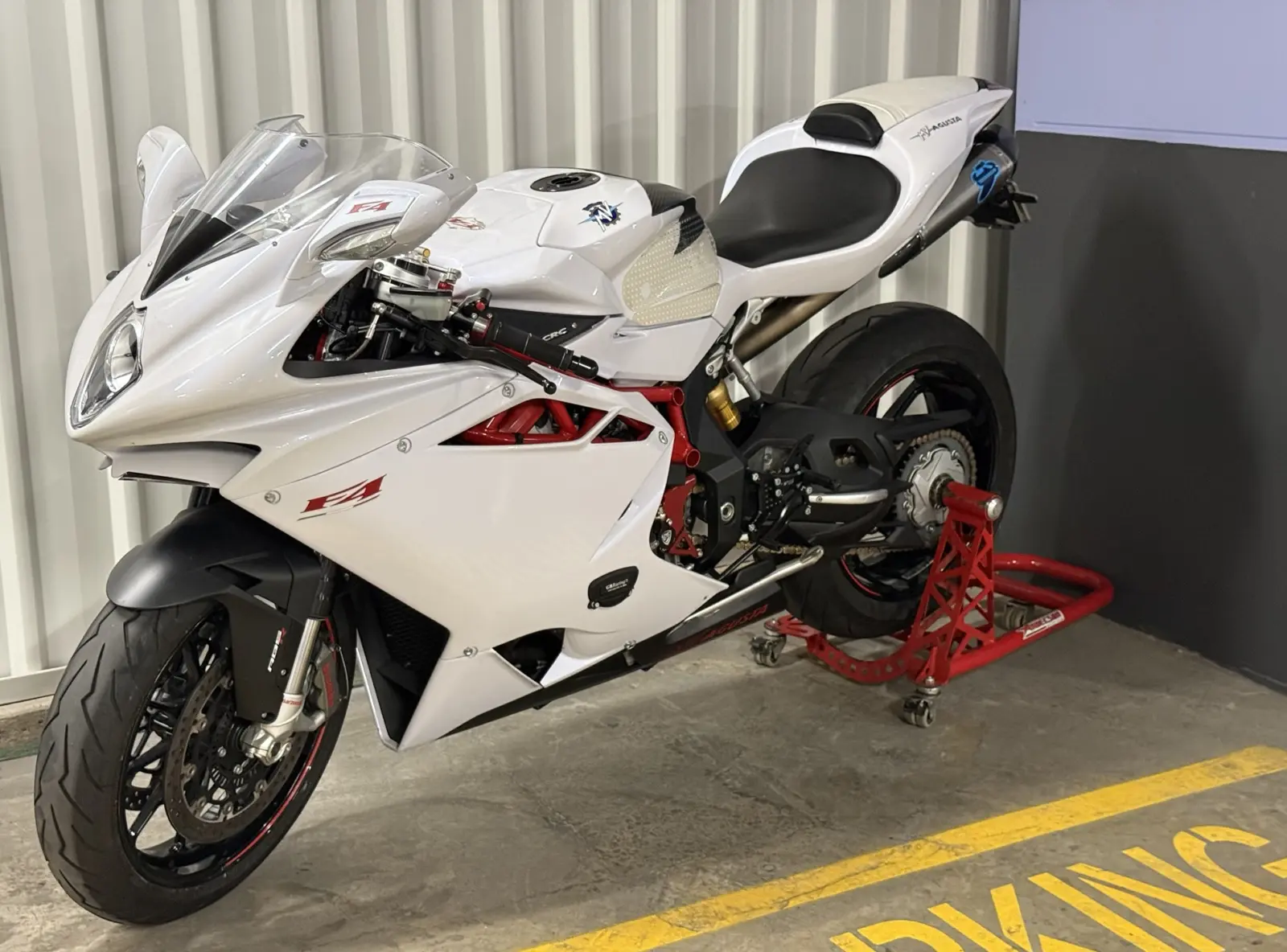
Book the Yamaha MT-09 SP for sealed country roads
The Yamaha MT-09 SP is an inline three performance naked bike with premium adjustable suspension, gold front forks and strong brakes. It is built for the sealed roads of the country, from the hill climbs near Sydney to the long open highways further west. Its naked design gives you a clear view of the road surface ahead, which helps you spot the edge hazards this guide describes.
The best country rides are the ones you plan on sealed roads from the start. Choose routes with clear surfaces, check conditions with the relevant authorities and leave yourself room to turn back if the road changes. A patient, well-planned approach lets you enjoy the open country without putting the bike on surfaces it was never made to handle.
When you are ready, see the full details and check availability on the Yamaha MT-09 SP page. The fleet index lists the rest of our bikes if you want to compare first.
Frequently asked questions
Can I ride one of your bikes on gravel roads?
No. Our bikes are road bikes, built for sealed surfaces, and we do not recommend unsealed or gravel roads for them. If a sealed road turns to gravel, stop, reassess and turn back to a sealed route. Plan your rides on sealed roads from the start, and check conditions with Transport for NSW before you set out.
What should I do if I hit loose gravel in a corner?
Keep the throttle steady, avoid grabbing the front brake and keep the bike as upright as you can. Sudden inputs usually make a slide worse. Look where you want the bike to go and let it settle. Once the bike is stable, ease off gently and continue on sealed surface only.
How can I tell if a rural road edge is loose?
Look for a colour change between the dark seal and lighter gravel, scattered stones across the lane, dust rising from the shoulder and tyre marks drifting towards the edge. Gravel is often pushed to the outside of corners, so check those spots closely. If you are unsure, slow down and keep well clear of the edge.
Is it safe to ride after rain on country roads?
Rain can wash loose material onto the road and make dust into slippery mud. Ride more gently, increase your following distance and avoid leaning hard over edges and painted lines. Shaded corners can stay damp and slippery long after the open road has dried, so keep your speed moderate until the surface looks clean.
What happens if I need to stop on a rural road?
Pull over only in a safe place with firm, level ground, well clear of traffic and loose material. Keep the bike upright, switch off when you are stopped and check your mirrors before rejoining the road. If the bike has a fault, do not attempt repairs on a loose surface. Call for assistance from a safe location.
How do I plan a day that stays entirely on sealed roads?
Begin with a map that shows the main sealed highways and regional roads, then mark the stretches you intend to ride. Ask whether any section is listed as unsealed or subject to closure before you leave. Build in a turn-back point and a sealed alternative for each leg. Share your route with someone you trust, and keep fuel and timing flexible so that a detour never tempts you onto a surface you do not know.
Ready when you are. Pick your dates and book the Yamaha MT-09 SP online, or call us and we will sort it with you.
Book NowCall 0468 011 118