

Book the Ducati 1199R. Pick your dates and book the Ducati 1199R online, or call us and we will sort it with you.
Book NowCall 0468 011 118The first thing you notice on Peats Ridge Road at dawn is the cold. Mist sits low in the gullies, the tarmac is damp under the trees, and the hinterland is still half asleep. For riders starting from Parramatta, it is one of the most rewarding early runs we know: a quiet ride through the ridges before the weekend traffic arrives. This guide covers the route, the light, the wildlife, the stops and the safety habits that make a first-light ride a good one, from the first kilometre to the way home.
Everything to know before you book, from the licence rules to the bond, is on our Sydney motorbike hire page.
Why first light changes the ride
Most riders think of dawn as the commute, but on the Central Coast hinterland it feels like another sport altogether. The air is still, the shadows run long across the road, and the hills have not yet picked up the day's visitors. Sunlight arrives in strips through the eucalypts, so every bend switches between warm colour and cool shade, and your eyes have to adjust constantly. That rhythm pushes you to ride smoothly, which is exactly what a quiet road asks for.
A dawn run needs a clear start time. Rides from our base begin at 6am at the earliest, which keeps the start in daylight rather than the dark. In summer that is already light enough to see the valley floor, while in winter the first hour is greyer and the sun clears the ridgelines later. Either way you ride through the best of the morning rather than chasing it, and the day feels unhurried from the first corner.
Plan to reach the first bends while the mist still lies in the low ground. Once the sun lifts the temperature, the mist burns off quickly and the gullies turn into a shimmer of steam. Riders who arrive late miss the best of the light, so set the alarm with a margin and treat the first half hour as the reward for getting up.
Getting to the ridge from Parramatta
From our base in Parramatta, the run north to the Central Coast hinterland is roughly 90 to 100 kilometres, depending on how you link the back roads. Leave the city before the trucks and the school run build up, and you will reach the first hills while the roads are nearly empty. Top up the tank before you leave the metro area, because the hinterland has few fuel stops and the ones you find are often shut at that hour.
Allow about two hours in light traffic to reach the start of Peats Ridge Road. The approach climbs in long, open sweepers where you can settle the bike and check your line before the tighter sections begin. Use that early stretch to get a feel for the brakes, the throttle and the suspension, especially on a cold morning, because tyres take a few kilometres to come up to temperature and grip builds gradually.
Ride to your ability and keep a margin in hand. If you have not been on a bike for a while, give yourself the first hour to warm up, and do not push the pace because the road is empty. Early starts can tempt riders into quick corners, but the hinterland rewards a steady rhythm far more than speed, and a calm approach keeps you well inside what you can control.
Road character: corners, surfaces and traffic
Peats Ridge Road is a hinterland road with a mix of open bends, tighter turns and stretches where the trees close in overhead. Corners tend to tighten without much warning, so read each one early and set up your line before you lean in. Keep to the sealed surface. The edges can carry loose gravel and leaf litter, particularly after rain and on the shaded stretches where moisture lingers well into the morning.
Traffic is light at dawn. You will see the occasional local ute, a delivery van and a few cyclists, and on weekends you may meet tourists who stop suddenly at lookouts or pull out without checking the road. Give the road space, hold a line that lets you see through the next corner, and be ready for a vehicle drifting wide on a blind bend. Patience at the start of the day saves you from corrections you would otherwise need later.
Our road bikes are built for sealed roads, and that is where they belong. If you see an unsealed or gravel track branching off the main road, leave it alone, however inviting it looks in the early light. A loose surface can take a bike wide in a corner in an instant, and those tracks are not part of the route we suggest. Stick to the bitumen, check the surface before you lean, and enjoy the road for what it is.
Mist in the gullies and the light in the valley
Mist in the gullies is the signature of a hinterland dawn. It forms where cool air settles overnight, and it lingers in the low ground long after the ridgetops have caught the sun. The effect is strongest on still mornings following a cool night, and it gives the road a soft, almost unreal quality that many riders come out early to see.
Riding through mist calls for caution. Visibility can drop to a few car lengths in the thickest patches, and the moisture beads on your visor and clings to the tarmac. Slow down before the misty sections, let your eyes travel to the far side of each corner, and do not ride into a patch you cannot see through. Wait for the light to break through, because the road will still be there in five minutes.
Once the sun reaches the valley floor, the scene changes quickly. Steam lifts from the damp surface, the leaves turn bright green, and the ridgelines stand out in clean layers of blue and grey. This is the moment to pause at a safe, off-road lookout and take it in before the day warms up. Stop well clear of the edge of the carriageway, and keep your helmet on while you look.

Wildlife on the verge at first light
Dawn and dusk are the busiest hours for wildlife on hinterland roads. Kangaroos and wallabies move down from the bush to feed on the grass verges, and they often step onto the road with no warning at all. Treat every verge as a possible crossing point, and cover the brake when you see movement on the shoulder. The animal you spot first is rarely the only one nearby.
Reduce speed through the most heavily wooded stretches and assume that more animals are following the first one you see. Watch for birds that swoop low across the road, and for wombats that emerge near the edge of the bitumen. A rider who stays within their ability has time to react, and that margin matters most when the light is still soft and the shadows are deep.
Visibility is still limited on shaded corners at this hour. Keep your visor clean and free of mist, scan wide rather than fixed on the middle of the lane, and make sure your eyes have fully adjusted before you commit to a faster corner. If an animal crosses in front of you, brake in a straight line where you can, and avoid swerving into the lane of oncoming traffic.
Choosing the right bike for a dawn run
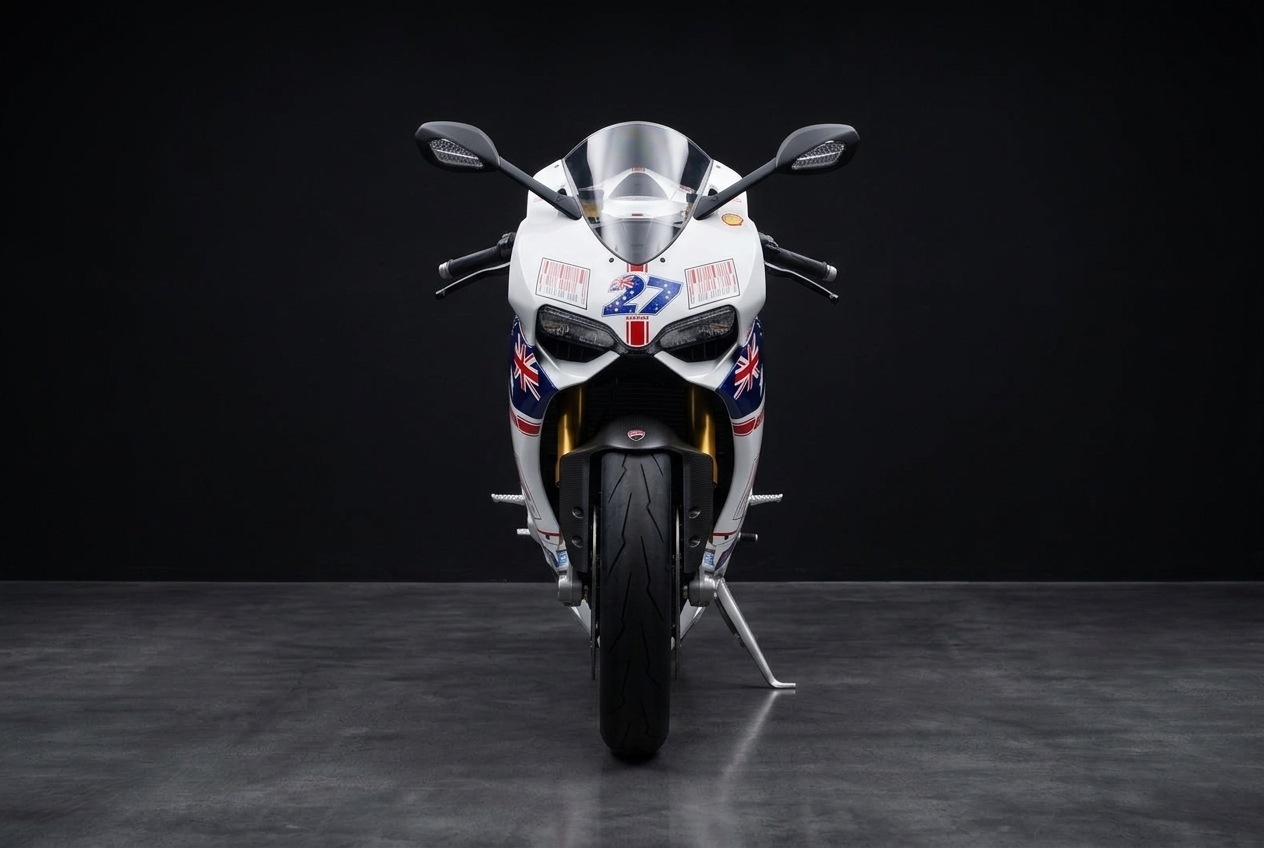
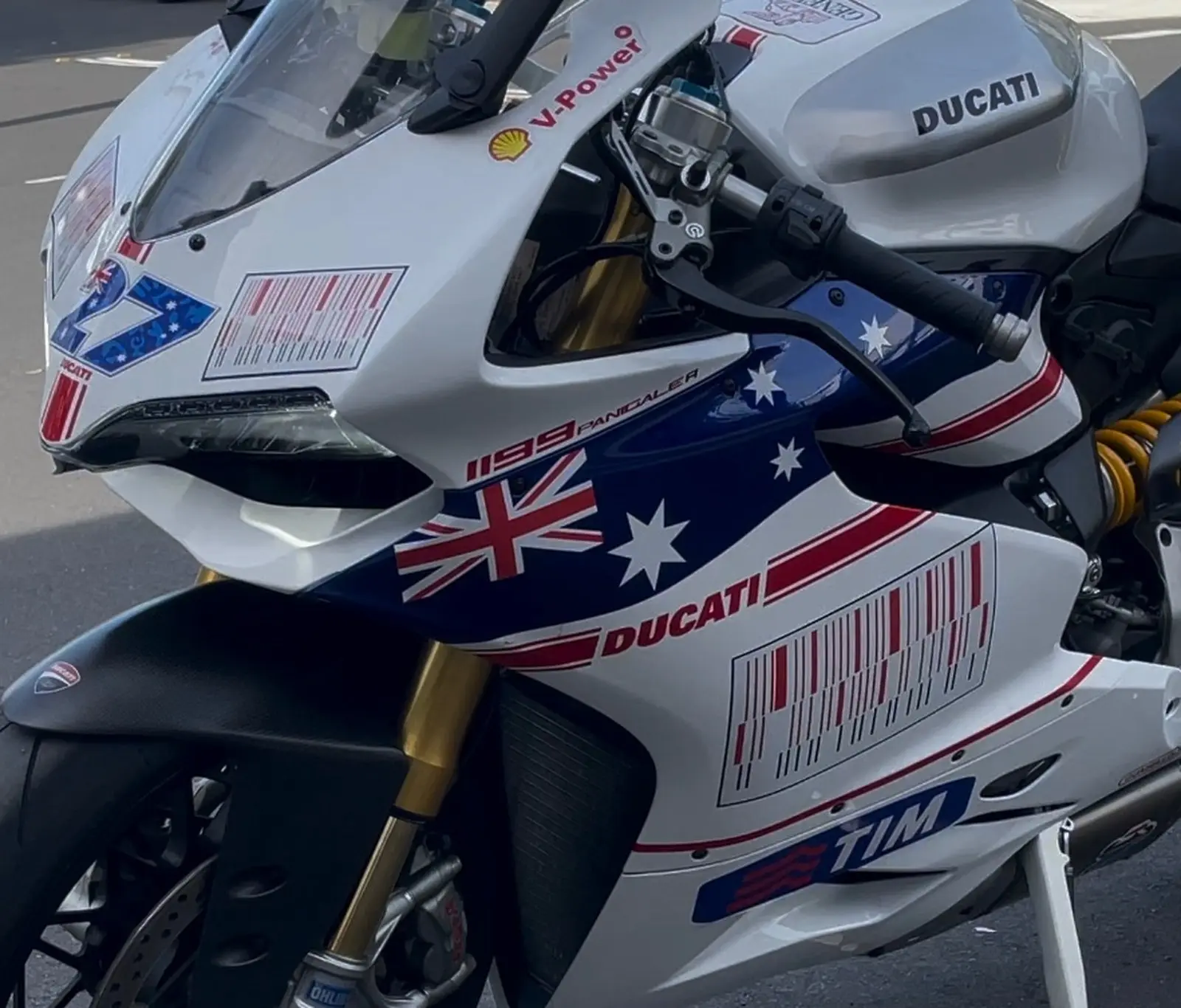
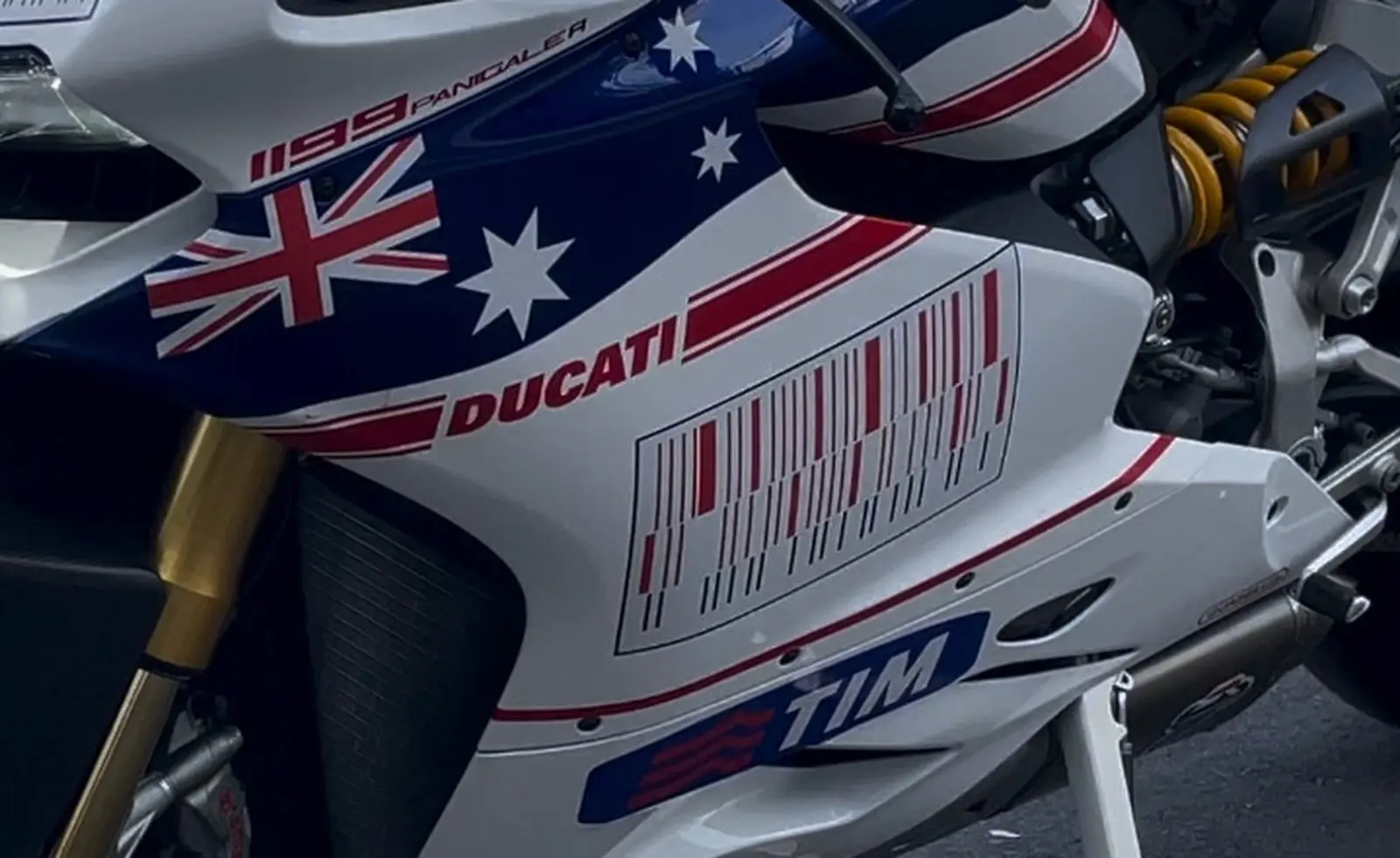
The Ducati 1199R Panigale is the bike we would pick for a dawn run on this road, for a rider with the experience to match it. It is a superbike built around a V-twin producing 143 kW, and that power is best used on the exit of a corner rather than the approach. The Australian flag livery is a tribute to Casey Stoner, the Australian rider who won his first MotoGP World Championship on a Ducati in 2007, and it draws a second look at every stop.
If you want something more forgiving in the cold, consider the Yamaha MT-09 SP. Its inline three gives strong, usable torque low in the rev range, and its premium adjustable suspension and gold front forks feel composed on a damp road. The upright riding position is kinder on the wrists and shoulders during a long, cold ride, and the brakes give you confidence when the surface is not at its best.
The MV Agusta F4 is the third option: a 998cc inline four with a performance exhaust and a pearl white finish over a red trellis frame. It is a striking machine for a dawn ride, and it rewards a rider who enjoys a sharp, high-revving engine. Choose the bike that suits your experience rather than the one that looks fastest in the photos, because the best dawn run is the one you can ride with a clear head.

Want the Ducati 1199R for your date? Pick your dates and book the Ducati 1199R online, or call us and we will sort it with you.
Book NowCall 0468 011 118Best season, best day and the stops that matter
Autumn and spring are the sweet spots for a dawn ride on the hinterland. Temperatures are mild enough to ride comfortably, and the mist is most likely in the cooler months from late autumn into early winter. Summer mornings are warm and bright but short, and first light arrives early, so plan the start to suit the season rather than the calendar.
Midweek mornings are the best choice. Weekends bring tourist traffic, cyclists and small groups heading for the lookouts, and that can turn a quiet corner into a busy one. A Tuesday or Wednesday start means the road belongs mostly to locals and the occasional delivery van, and you can ride your own line without working around other vehicles.
For fuel, top up in the city before the climbs, since petrol stops are few and far apart in the hills. For a warm drink, bring a flask or buy one in a town before you ride, because many places are not open at dawn. Plan one proper break once the sun is up, somewhere safe to park, stretch and check the bike, and avoid stopping on the edge of a blind corner or in a gravel pull-off.
Cold-morning gear and fatigue
Mornings in the hinterland can feel colder than the forecast suggests, especially in the valleys where the cold air settles. Wear a warm base layer under your jacket, insulated gloves that still let you feel the brake and clutch, and a neck warmer or balaclava. Cold hands and a stiff neck are the first things that pull a rider's focus away from the road, and that is when small mistakes start to happen.
Fatigue hits harder when you have started early. Eat a proper breakfast, drink some water before you ride, and take a short break after about an hour in the saddle. Riders who skip breakfast tend to grab the throttle harder in the first corners, which is the opposite of what a calm dawn ride should feel like. A tired rider reads the road slower and reacts later.
Wear a helmet and protective riding gear at all times, and check your visor for mist before you set off. Alcohol and riding never mix, and that includes the ride home after a late breakfast. If you feel drowsy or shaky from the cold, stop somewhere safe, warm up and rest before going on, because pushing through is how a good morning turns into a bad one.
The hire terms that matter for this ride
Our bikes are self-drive from Drive Tribe in Parramatta, and hire runs for three days at minimum. The rider needs a full motorcycle licence held for at least three years and must be 25 or older on every bike, so learner and provisional riders cannot hire. Overnight, the bike must be kept in a locked garage or secure off-street parking between 9pm and 6am, so plan where it will sit before you set out on the dawn run.
Plan the run and book your dawn ride
A dawn ride on Peats Ridge Road works best when the plan is simple. Check the forecast the night before, check road conditions with Transport for NSW before you leave, and set a start time that gives you a relaxed first hour in the saddle. Know where the fuel is, where you will stop for a warm drink and where you will turn for home, and tell someone your rough plan before you go.
Keep the ride within your ability, leave a margin for the corners you have not yet seen, and expect the road to be quieter than you imagine. The reward is simple: the mist lifting out of the gullies, the first sun on the ridgelines and a valley that seems to belong to the riders who got up early. Few other rides in the Sydney area give you that combination of quiet road and early light.
When you are ready, the Ducati 1199R is the bike to consider for a dawn run on this road, provided you have the experience to ride it well. You can see its full details and check availability on the Ducati 1199R page, and our team is glad to help you pick the right bike for the morning you have in mind.
Frequently asked questions
What time should I leave for a dawn ride on Peats Ridge Road?
Leave early enough to reach the first bends while the mist is still lying in the gullies. In summer, first light arrives well before 6am, so the valley is already bright by the time you are riding the approach. In winter the sun rises later and the mist can linger longer, so you have a little more time to plan. A good rule of thumb is to be rolling at 6am or soon after, leaving room for a warm-up and a break.
Is it safe to ride Peats Ridge Road in the mist?
It is safe if you ride within your ability and treat the mist with respect. Slow down before the misty sections, keep your eyes on the far side of each corner and stop riding into any patch you cannot see through. Water on the visor and on the tarmac reduces grip and visibility, so keep your speed low until the road dries. The mist usually clears within an hour of sunrise, so waiting for the light is often the smartest option.
Which bike suits a first-light hinterland ride?
It depends on your experience. The Ducati 1199R suits a rider who is confident on a superbike and wants a sharp, focused machine for the quieter corners. The Yamaha MT-09 SP is more relaxed in the cold, with an upright riding position and strong, usable low-speed pull. The MV Agusta F4 rewards a rider who enjoys a high-revving engine. Pick the bike you can ride calmly, because that is what makes a dawn run enjoyable.
What wildlife should I watch for at dawn?
Kangaroos, wallabies and wombats are the most common animals near the verges at first light, and birds can cross the road low and fast. They move most in the early morning and at dusk, so slow down through the thickly wooded sections and scan the shoulders. If an animal steps out, brake in a straight line where possible and avoid swerving into oncoming traffic. Expect more than one animal, because they often travel in small groups.
Do I need extra warm gear for an autumn or winter dawn?
Yes, cold mornings in the hinterland can be much colder than the forecast suggests, especially in valleys. A warm base layer, insulated gloves that still let you feel the controls and a neck warmer make a big difference. Cold hands and a stiff neck pull your focus away from the road, so dress for the first hour rather than the middle of the day. Take a break to warm up if you start to shiver.
Where should I fuel up and eat before a dawn ride?
Fill the tank in the city before you head into the hills, because petrol stops are few and far apart on the way up. Eat a proper breakfast before you leave, and bring a flask if you want a warm drink on the road. Many places are not yet open at dawn, so plan your stops in advance. Pick a safe spot off the carriageway for a longer break once the sun is up, and avoid stopping on the edge of a blind corner.
Ready when you are. Pick your dates and book the Ducati 1199R online, or call us and we will sort it with you.
Book NowCall 0468 011 118