
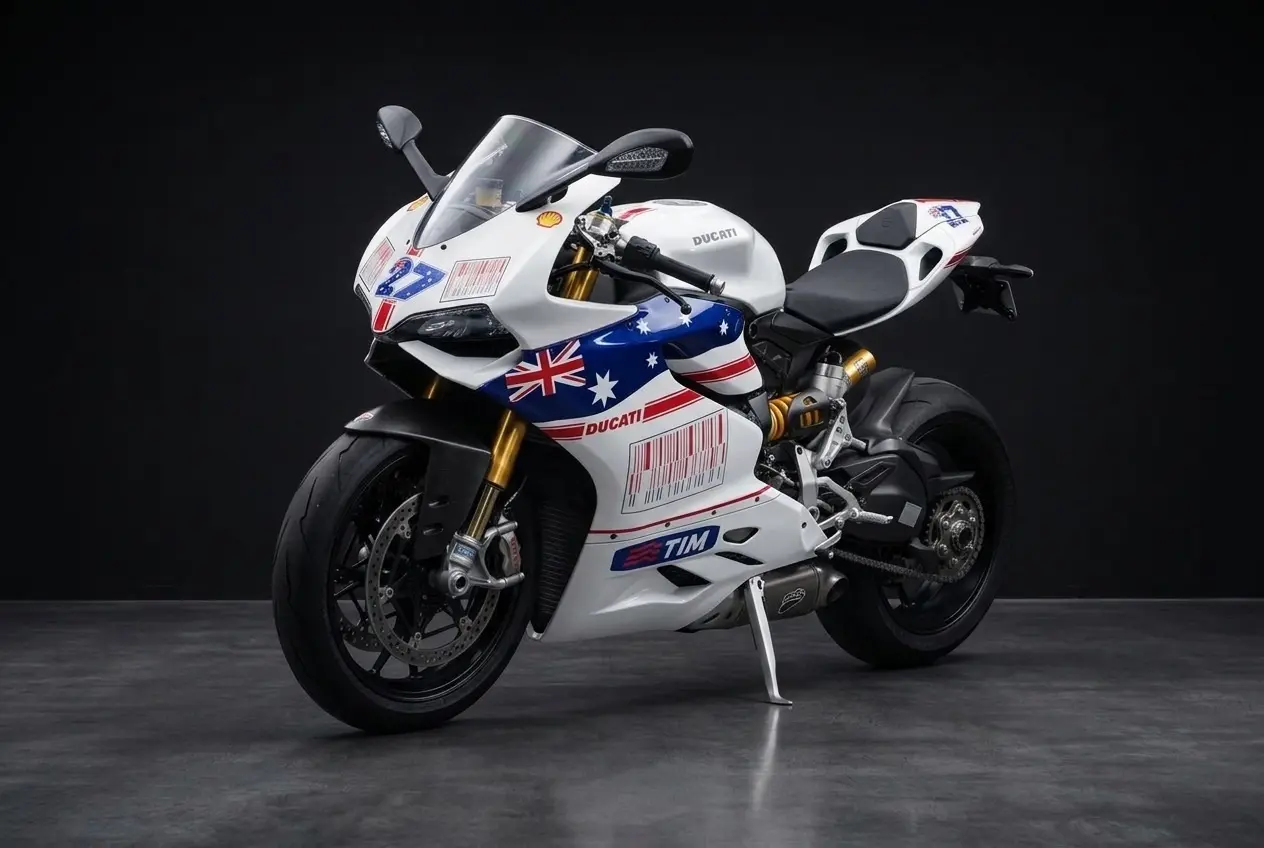
Book the Ducati 1199R. Pick your dates and book the Ducati 1199R online, or call us and we will sort it with you.
Book NowCall 0468 011 118Running low on fuel in the mountains is one of the most avoidable problems a rider can face. Climbs use more fuel, stations are spaced further apart and a closed servo can turn a pleasant afternoon into a long walk. A simple fuel reserve target, set before you leave the city and checked at every stop, removes that worry. This guide explains how to plan a reserve for a mountain day trip, based on the route, the weather and the way you ride.
For the bikes we hire, who can ride them and how a hire runs, see motorbike hire in Sydney.
Why fuel planning matters more in the hills
On flat roads a fuel gauge is easy to ignore, because a service station is rarely far away. In the mountains the picture changes. Climbs and fast running in the cool air can change consumption, and the gap between stations can be far longer than riders expect. A rider who has not thought about fuel can find that the next station is closed or too far to reach comfortably.
The answer is not to guess. It is to set a reserve target before you ride, and to hold yourself to it. Think about the distance to the next station, the time of day and whether the station is likely to be open. A written plan is far more reliable than trusting memory on a winding road.
Fuel planning also protects your focus. A rider who is watching the gauge while trying to read a bend is distracted at the moment attention matters most. A settled plan lets you concentrate on the road.
Working out the distance between stations
Start by mapping the route and marking every service station along the way. Include the stations that are open late, the ones that close early on weekends and any that may have limited opening hours. Measure the gaps between them, and note the longest stretch of the day. That longest stretch sets the minimum reserve you need.
Be generous with your estimate. Hills, headwinds, traffic and detours all increase the distance you actually ride. Add a margin on top of the mapped distance, and treat that margin as part of the plan rather than as a bonus. If a station is shut when you arrive, you should still be able to reach the next one.
Keep the plan on paper or in a note on your phone. Include the station name, the distance to it and the time you expect to arrive. Tick each one off as you pass, and adjust the plan if the riding is slower or quicker than expected.
Setting your personal reserve target
Your reserve target should be a rule you can follow without thinking. Many riders set a simple point on the gauge, such as refuelling as soon as the bike reaches a set level, and then hold to it. The exact level depends on the bike and on the route, so check the gauge behaviour during the ride rather than relying on a number from a forum.
Do not treat the reserve light as your target. A warning light is a signal that you have already spent your margin. Refuel well before you reach it, particularly on long climbs where the fuel is used more quickly and the next station may be a long way off.
Adjust your target for conditions. A cold morning, a strong headwind or a steep ascent can all increase consumption. On days like that, refuel earlier and take the stations as they come, even if the gauge still looks comfortable.
Road character on mountain routes
Mountain roads vary widely. Some sections are open and sweeping, where a steady pace keeps consumption reasonable. Others are tighter and more demanding, with corners that call for frequent gear changes and throttle adjustments. Both kinds of road affect the fuel you use, so plan for the most demanding section of the day rather than the average.
Surfaces matter too. Shaded corners can stay damp and cold, and rider confidence may lead to more cautious, slower riding. That slower pace can be more fuel efficient, but the extra time on the road means a longer day overall. Build the extra time into your plan.
Check road conditions with Transport for NSW before leaving, particularly on high routes where weather can change quickly. A closure or a diversion can add many kilometres, so know the alternative routes and the stations along them.
Weather, temperature and the fuel you burn
Cold air affects the way a rider feels, and that feeling can change how much you ride. Cold muscles tire faster, and tired riders tend to stop more often and wait longer at lookouts. Factor the weather into your timing, and expect the day to take longer on a cold morning or in a stiff wind.
Heat also matters. In summer the climb out of the valley can feel hot and humid, and dehydration can make fatigue arrive sooner. A rider who is tired is more likely to make a mistake and to need an extra stop. Keep water handy and take shaded breaks.
Wet weather adds its own challenges. Rain makes riding slower and more demanding, and you may need to reroute if a road becomes slippery or flooded. Build a margin into your fuel plan for any day that looks unsettled.
Hire rules and the safety margin
Our hire terms set the eligibility bar at a full motorcycle licence held for three years or more, with riders aged 25 or older on each bike. Going 30 km/h or more over the posted limit ends a hire and forfeits the bond, and a rider we judge to be unsafe can have the hire stopped. Helmets (Shark, AGV or Bell) can be hired from us in small, medium or large for $50 per hire, or you can bring your own. We do not supply jackets, gloves, pants or boots, so bring your own riding gear.
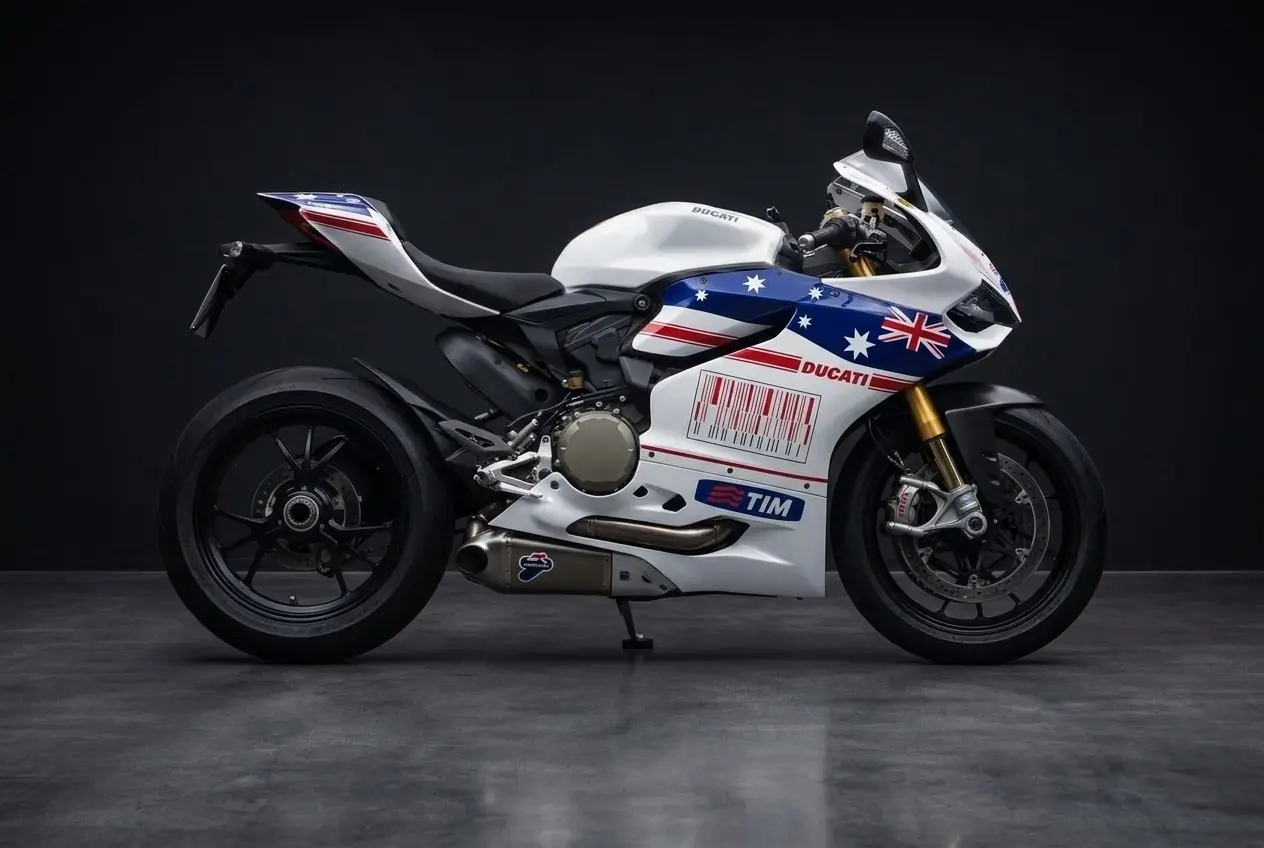
Want the Ducati 1199R for your date? Pick your dates and book the Ducati 1199R online, or call us and we will sort it with you.
Book NowCall 0468 011 118Checking the bike before a mountain day
A fuel plan is only as good as the bike behind it. Before you ride, check the tyres for pressure and wear, look at the chain or drive for tension and cleanliness, and confirm the brakes feel firm at the lever. A quick look at the lights, the indicators and the horn takes a minute and saves a great deal of trouble if you need to signal on a busy descent.
Check the fuel gauge and the tank cap seal before you leave the depot. Note how the gauge behaves over the first few kilometres, so that you know how much to trust it later in the day. Some riders keep a simple log of distance and refuelling for the first few rides, and that record becomes a reliable guide for the next trip.
Keep the luggage light and secure. A load that shifts on a corner changes the handling, and a strap that loosens on a bumpy climb can catch a wheel. Tidy everything before you leave, and check it again at every fuel stop.
Stops, food and a fuel-first habit
Make each fuel stop a proper break. Take off your helmet, drink some water, stretch your back and shoulders and check the bike quickly. A fuel stop is an ideal moment to look at tyres, mirrors and the chain, and to think about the next section of road.
Food matters on a long mountain day. Eat a solid breakfast before you leave, take a lunch stop in a town with fuel and carry a snack for the afternoon. Low blood sugar can make a rider slow to react, and it is an avoidable cause of error on a long climb.
Build a fuel-first habit. Refuel at the first sensible opportunity once you have passed the halfway point of the day, rather than waiting until you are on the last few kilometres. Small, regular stops keep the plan calm and the ride enjoyable.
Season and time of day for a mountain run
Autumn and spring are the most comfortable seasons for a mountain day trip. Temperatures are moderate, the roads are usually dry and the daylight suits a full day. Winter brings frost, fog and early sunsets, so start later in the morning and keep the route shorter. Summer can be hot on the lower slopes and storms can build over the high ground in the afternoon.
The best riding window is often mid-morning to mid-afternoon, once the frost has lifted and before the light begins to fade. Early starts give quieter roads but colder air. Late afternoon riding can be dazzling in low sun, so plan to finish the big climbs before the light changes.
Weekends bring more visitors to the lookouts and the towns, and stations can be busier as well. Mid-week rides are often calmer, and they give you more space to stop at a station without feeling rushed.
Riding the Ducati 1199R on a mountain day
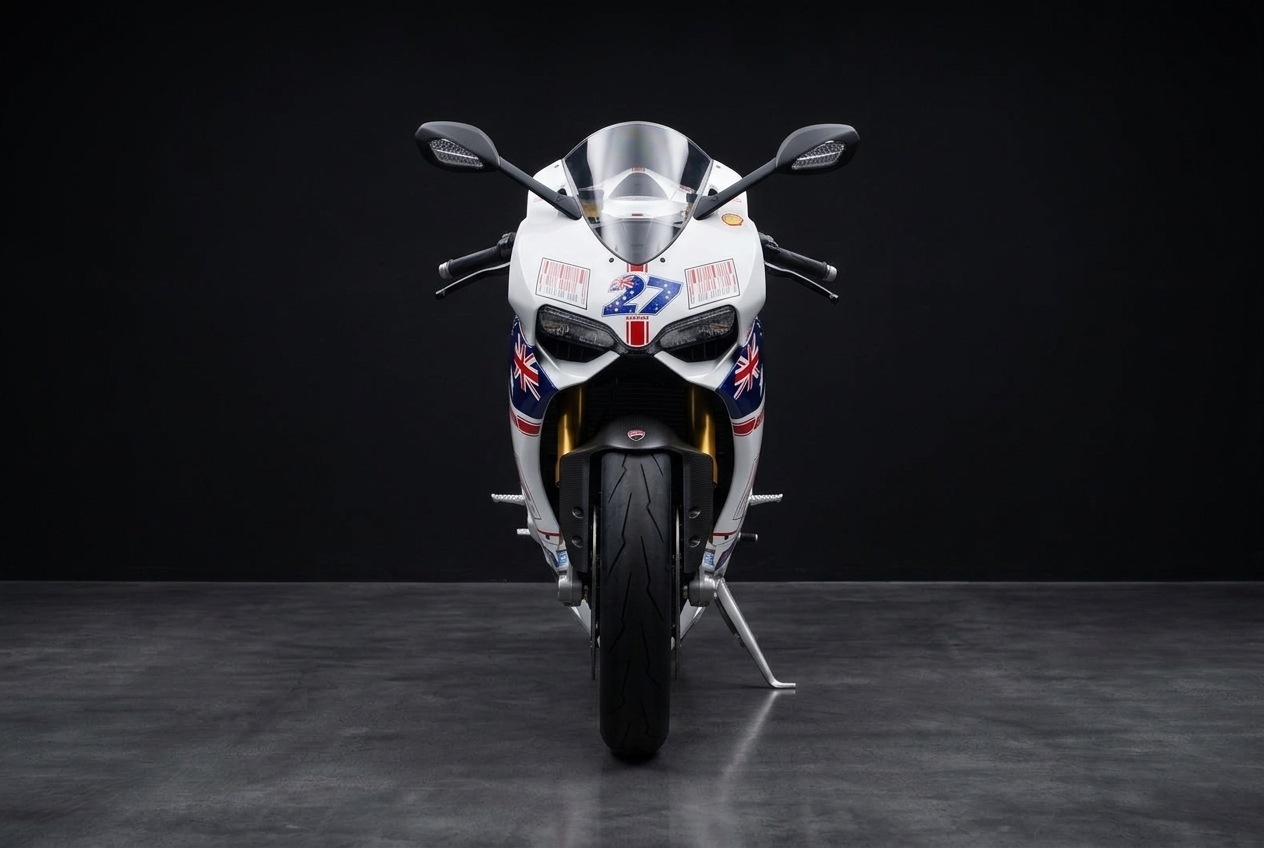
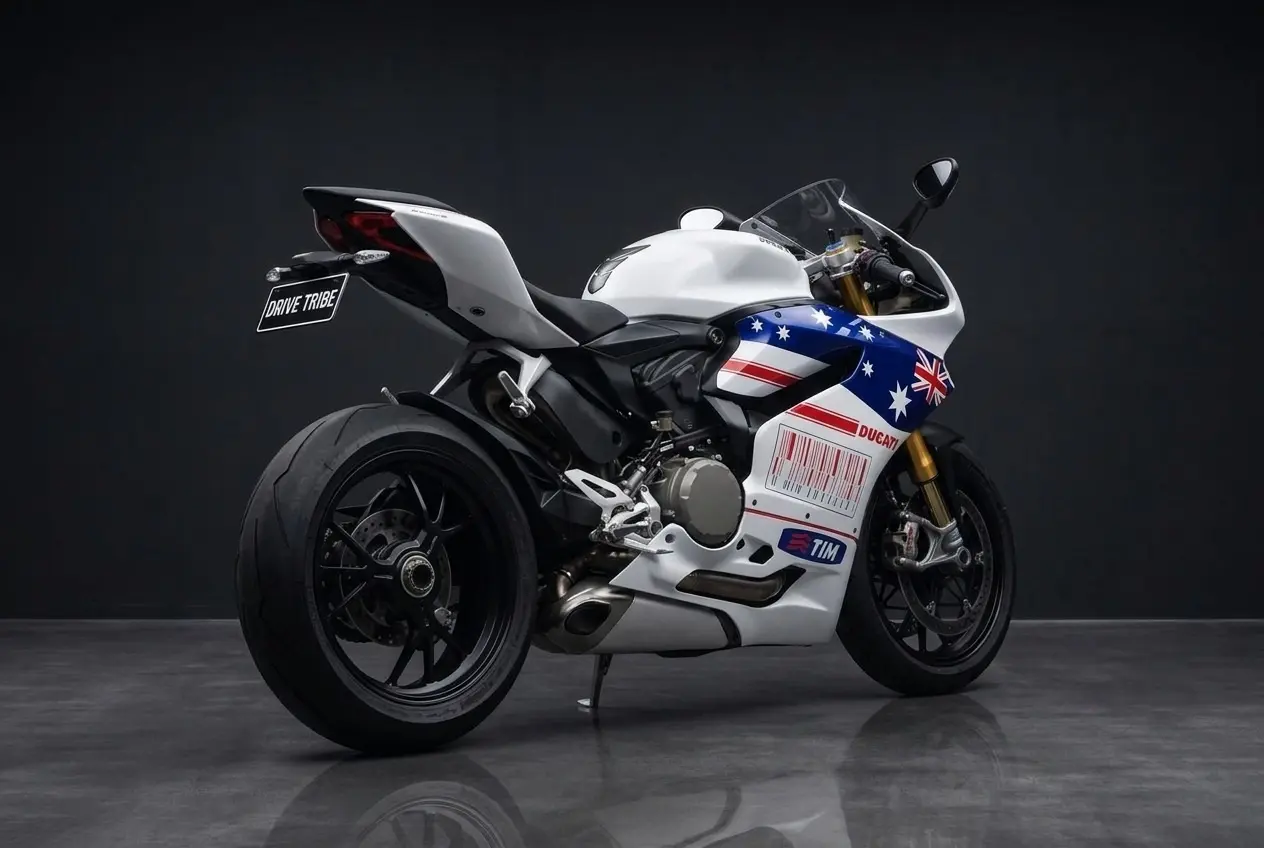
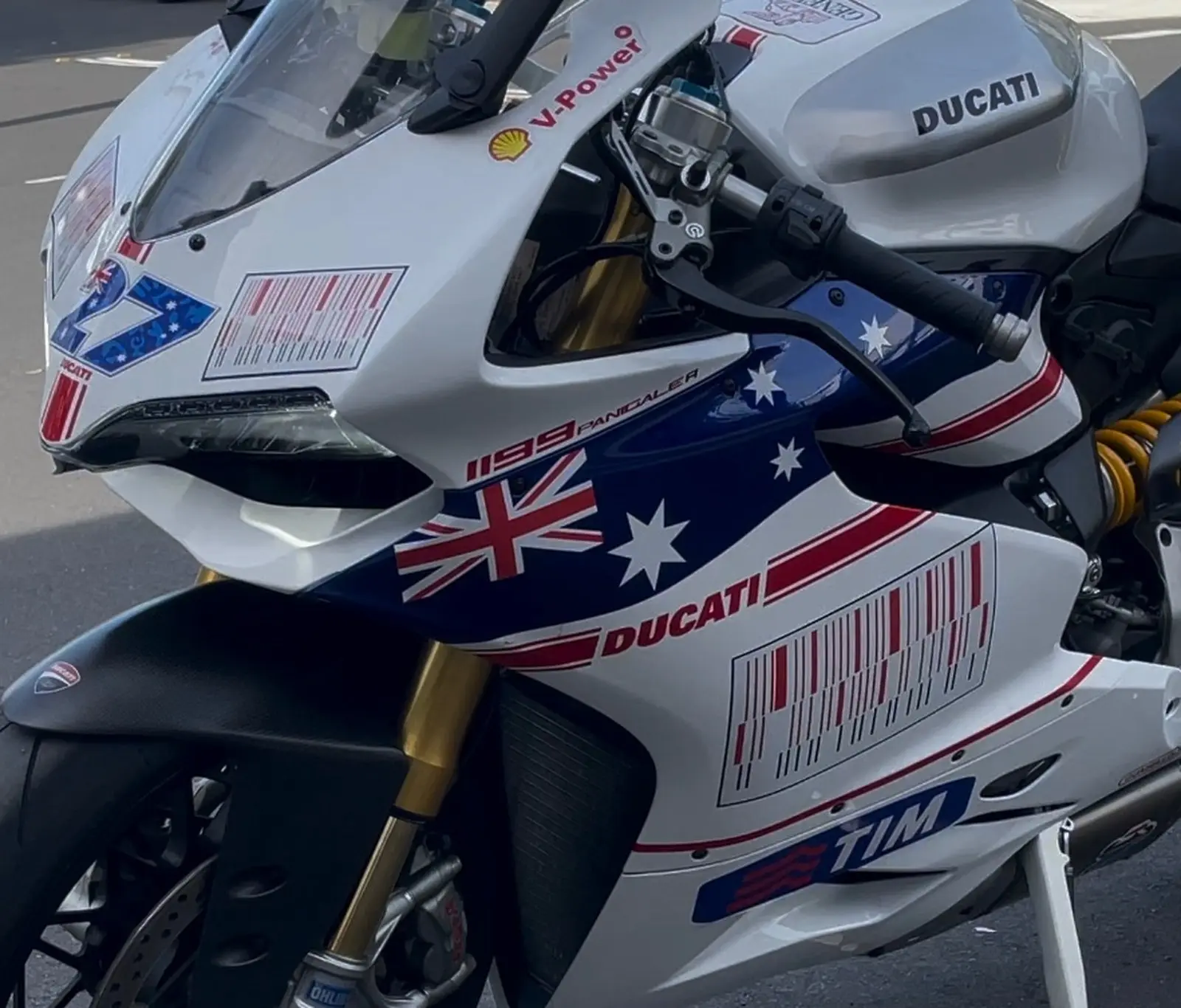
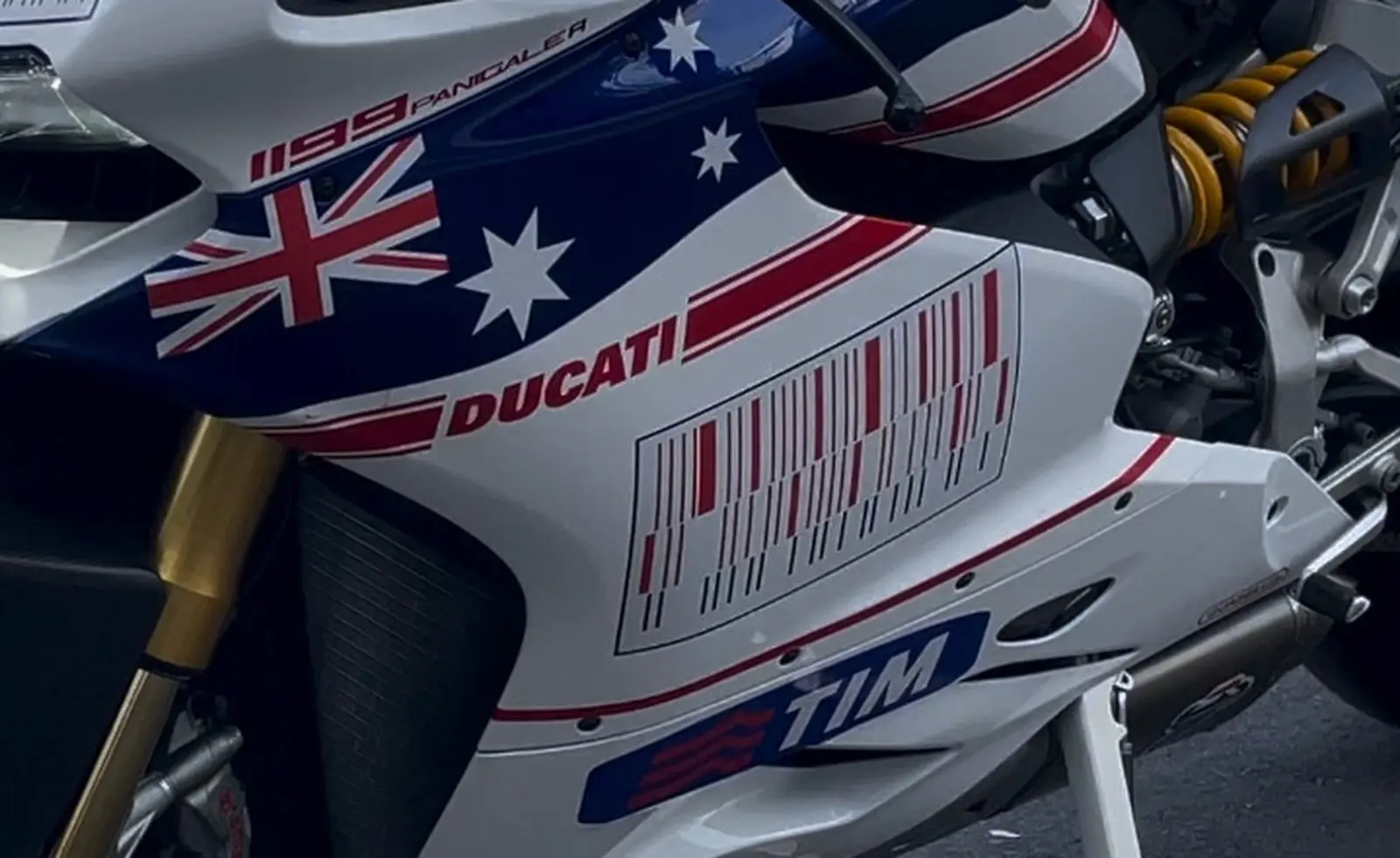
The Ducati 1199R Panigale is a superbike for experienced riders who understand that a long day demands planning. Its V-twin gives a strong, focused feel, and the gold front forks and black forged wheels look striking at every stop. It rewards smooth, deliberate riding rather than hard throttle work, which also helps with fuel economy on the climbs.
A superbike asks for discipline on a mountain run. Choose your gears and your lines carefully, leave generous gaps and do not let open straights tempt you into speed that is hard to control. Refuel with the same care you give the riding, and you will enjoy the bike far more.
Book the Ducati 1199R and plan your next mountain day trip with a fuel reserve you trust. A settled plan lets the bike and the road do the talking.
Frequently asked questions
How much fuel should I keep in reserve on a mountain day trip?
Set the reserve from the longest gap between stations on your route, then add a generous margin for hills, headwinds and detours. Refuel before you reach any warning light, and adjust your target on cold mornings or windy days. A written plan with station names and distances keeps the decision simple on the road.
Why do stations seem so far apart in the mountains?
Mountain and rural towns are spaced according to population and traffic, so the gaps between stations can be long. Some stations close early in the evening or on weekends, which makes the gaps longer still. Map the route in advance, note every station and check opening times before you rely on any of them.
Does riding in cold weather use more fuel?
Cold weather can change how you ride. Cold muscles tire faster, and riders often stop more often or ride more cautiously, which affects the time on the road. Plan extra time and an earlier refuel on cold mornings or in stiff wind, so the day does not stretch beyond your reserve.
What should I do if I reach a station that is closed?
Stay calm and check the map for the next station. This is why a reserve margin matters: if you planned for the gap, you should still reach the next option. Ride steadily, avoid running the tank dry on any climb, and let someone know your plan if you are unsure of the route ahead.
Is it better to refuel early or late on a long ride?
Refuel early once you have passed the halfway point, rather than waiting for a low tank. Early stops give you a comfortable margin, a chance to rest and a chance to check the bike. Late stops are a gamble on the next station being open and within reach.
Can a warning light be trusted as a fuel target?
No. A warning light tells you that your margin has already been spent. Use your own reserve target, set before the ride, and refuel well before you reach the light. Planning for the stops you need, rather than reacting to the light, keeps the day calm and the bike under control.
Ready when you are. Pick your dates and book the Ducati 1199R online, or call us and we will sort it with you.
Book NowCall 0468 011 118