
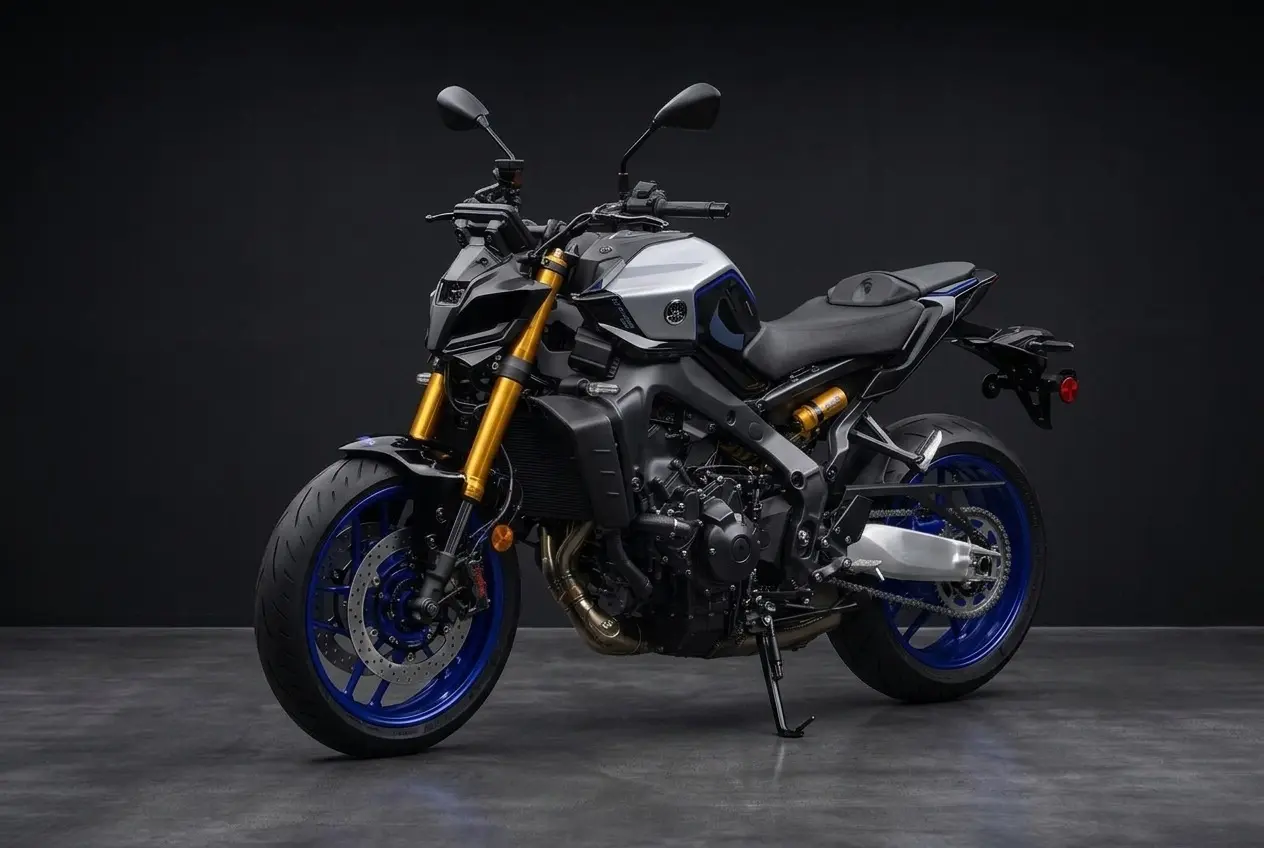
Book the Yamaha MT-09 SP. Pick your dates and book the Yamaha MT-09 SP online, or call us and we will sort it with you.
Book NowCall 0468 011 118Jervis Bay Road gives riders two very different rides in one afternoon. The first part winds through tall eucalypt forest, with tight bends that reward a bike that changes direction without fuss. The second part opens toward the water, where long sweeps and the bright white sand of the bay take over. For this run we would point most riders to the Yamaha MT-09 SP, a naked bike that handles the bush bends and still feels settled on the coast. Here is how the day unfolds.
New to riding with us? Our page on motorbike hire in Sydney covers the bikes, the rider rules and how pick-up works.
Why a naked bike suits this road
Jervis Bay Road rewards a bike you can place accurately through the bends and then ride calmly once the scenery opens out. Many riders expect a long straight run to the water, but the early kilometres are more textured than that. The surface changes, shaded corners stay damp well after the sun has come up, and some lanes narrow without much warning. A naked bike with an upright stance and an engaged character suits that rhythm far better than a machine built for crouched, outright sporting pace.
Think of the ride in two halves. The forest half asks for smooth steering, steady throttle and good line choice on corners you may not see until you are committed. The bay half asks for patience, relaxed sweeps and careful attention to crowds, bikes and pedestrians near the beaches. Both halves are rewarding, and a bike that copes well with both will leave you more relaxed at the end of the day than one that feels nervous in the bush or fidgety on the coast road.
The best rides on this road are planned around how you want to feel at the end of them. If you want to finish with a grin and a little energy left, pick a bike that is responsive without being demanding. If you want a slow, scenic afternoon with frequent stops, pick something comfortable and easy to manoeuvre at walking pace in the car parks. Either way, be honest about your own experience before you choose, and let that guide the decision.
The forest section: placement and pace
The bush section is where good habits matter most. Eucalypt forest keeps the road shaded and cool, so the first bends can be greasy after a cold night, and leaf litter and small twigs gather at the edges of the lane. Look well ahead, pick a clean line through each bend, and keep your speed in check until you can see the exit. Riding within your ability is not a slogan on this stretch. It is what keeps the ride enjoyable from start to finish.
Visibility is the other factor. Trees and dips hide oncoming vehicles and any wildlife that might step out, so keep your lights on, sit where other drivers can see you, and avoid crowding the centre line. Campervans and tour vehicles sometimes take the bends wide. Give them room and stay out of their path rather than trying to squeeze past in a hurry. Patience costs you seconds at most, and it keeps the ride calm.
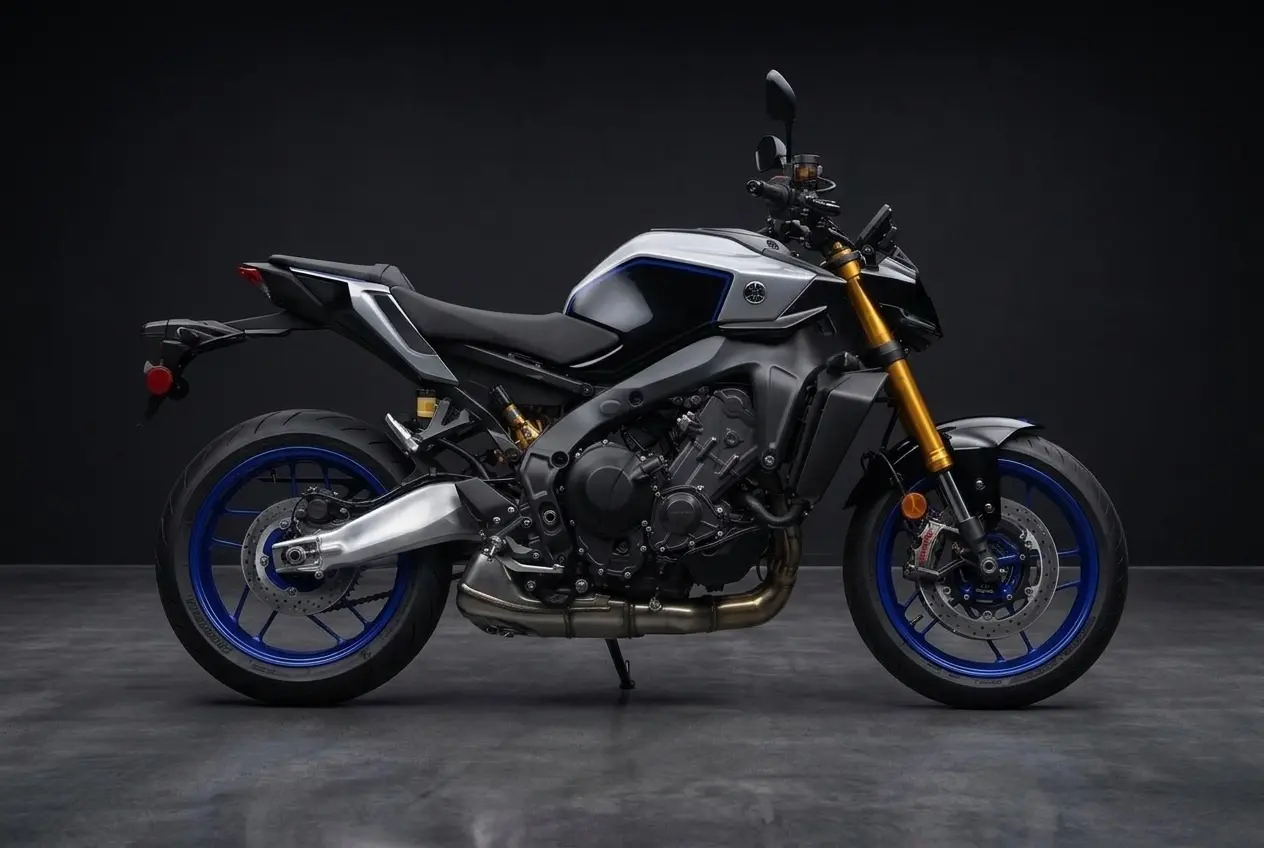
Use the forest section to practise smooth inputs rather than chasing a fast lap. Brake in a straight line before the bend, roll on the throttle as you exit, and keep your head and eyes turned through the corner. The Yamaha MT-09 SP responds well to this kind of riding. Its premium adjustable suspension and strong brakes give clear feedback, so you learn the road without any sudden surprises.
Corners, surfaces and what to watch for
Surfaces change throughout the run. Some sections are freshly resurfaced and grippy, while others show patches, worn wheel tracks and small cracks where the sealed edge has broken up. Painted lines and manhole covers can be slippery when wet, so treat them with respect, particularly in the first corners after rain. Brake gently over patched sections and avoid leaning hard while the surface is changing beneath you.
Gravel is the hazard riders underestimate. Loose stones collect on the outside of corners where other vehicles have been braking and turning, and they can push a front tyre wide with very little warning. If you see gravel, slow down before the bend, not during it. Keep the bike upright through the affected section and ease through it. A calm, planned exit matters more than a fast entry on any corner that looks dusty.
Corner types vary from long, open sweeps to short, sharp bends that tighten after you have committed. Long sweeps suit a steady line and a calm pace, while tighter bends ask for smoother braking before the turn. Most riders find the road becomes easier with each pass once they learn the camber and the rhythm of the bends, so take the first few sections slowly and build confidence before you push.
The coast stretch and the bay views
Once the forest thins out, the road opens toward Jervis Bay and the mood changes. Sweeping curves replace the tight bends, and the water appears through gaps in the trees. Hyams Beach, often cited for having some of the whitest sand in the world, is a short detour from the bay side for a break and a photo, though parking fills quickly on warm weekends and you may need to wait for a space.
The coast section is best ridden at a relaxed pace with attention to the other people sharing it. Cyclists, walkers and cars pulling in and out of beach access points all appear with little warning. Keep a wide margin where the road runs close to the verge, and keep your eyes up rather than fixed on the pavement ahead. The bay is beautiful, but the moment you start staring at it is the moment a hazard can catch you out.
Sunrise and late afternoon are the kindest times on this stretch. The light is softer, the glare off the water is lower, and the car parks have fewer people. Expect kangaroos and wallabies near the edges of the bush at those hours, and keep your speed well inside the posted limit, because the bush comes right up to the verge in places and animals move with little notice.
Why the Yamaha is our pick for this run
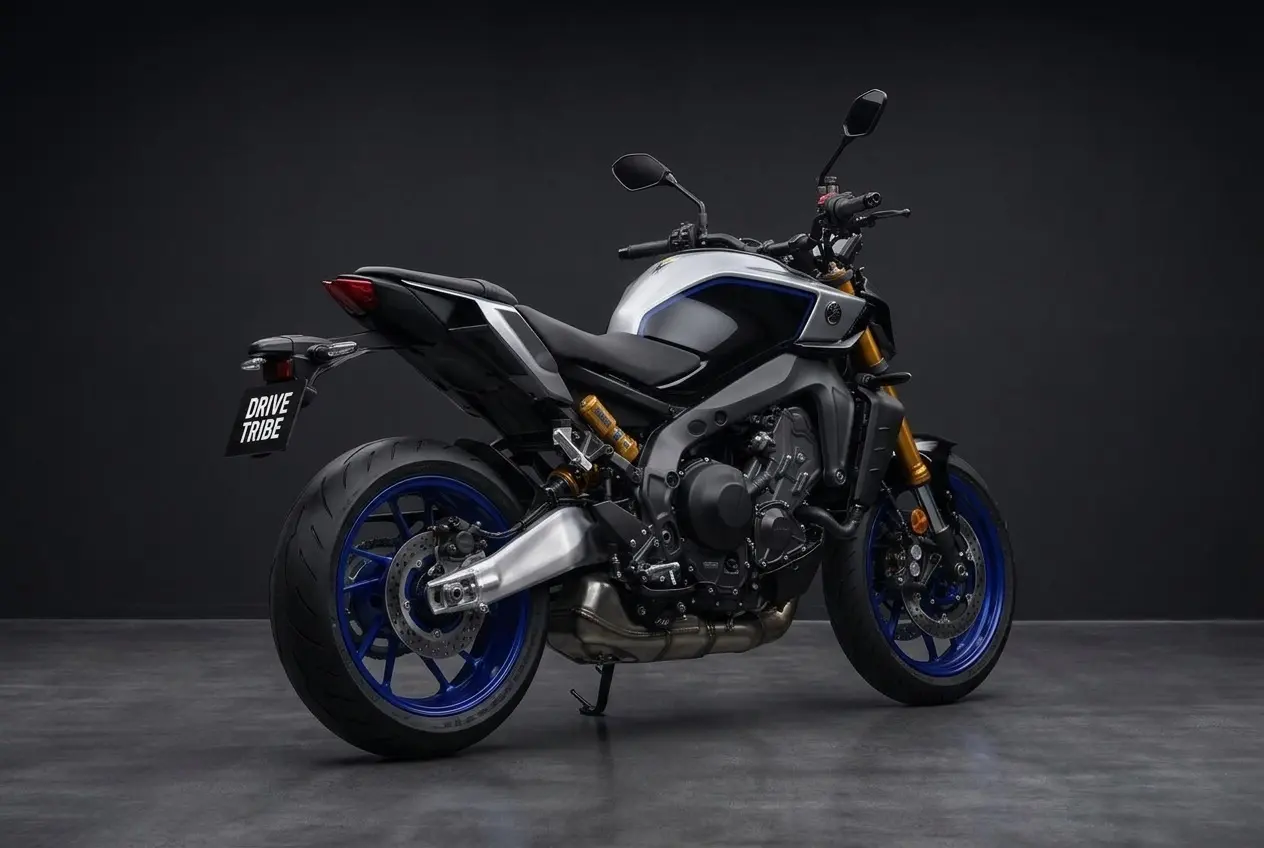
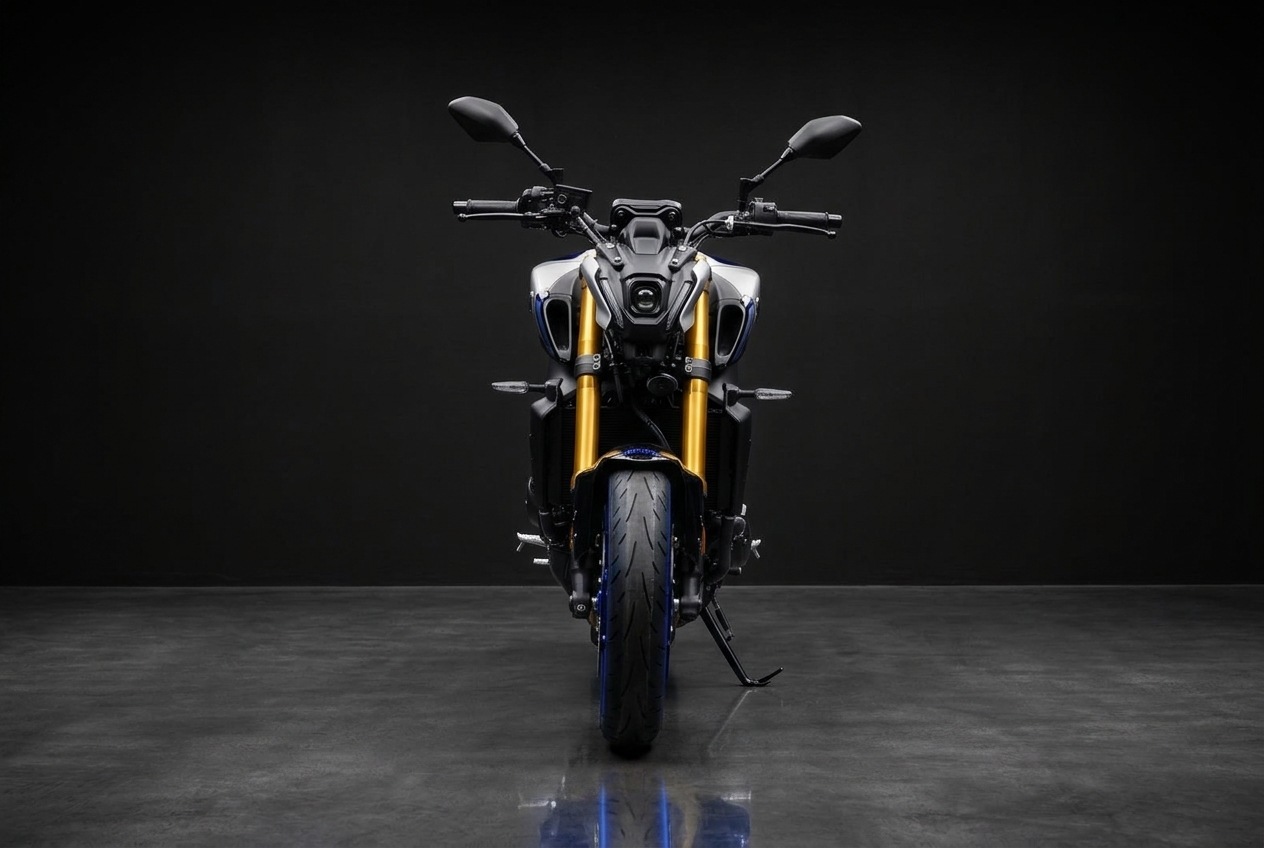
The Yamaha MT-09 SP is the bike we would choose for most riders on this route. It is an inline three performance naked bike, with a smooth, flexible spread of power that suits both the forest bends and the easier coast miles. The premium adjustable suspension lets you set the bike up for your weight and the sections you plan to ride most, and the gold front forks give it a striking look that is hard to miss in the car park.
Its brakes are strong, which matters on a route where a bend can arrive sooner than expected after a long straight. The bike feels settled through mixed surfaces, and it asks for good habits without punishing small mistakes. That balance makes it a relaxed companion for a full day in the saddle, though riders who want frequent breaks should plan them into the route rather than pushing on.
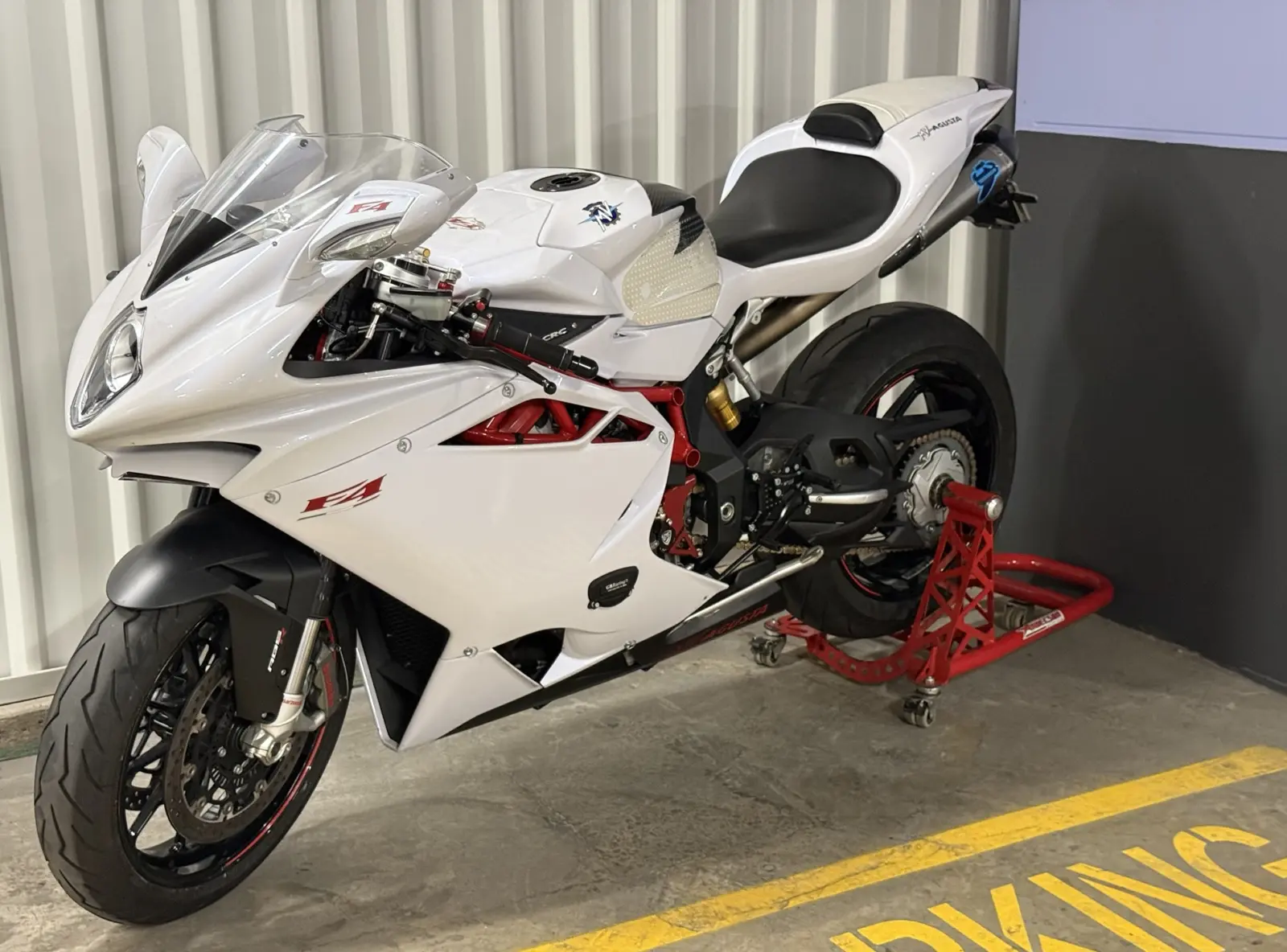
The Ducati 1199R Panigale and MV Agusta F4 are sharper machines for experienced riders who want a more focused performance feel, and the Ducati's Australian flag livery draws attention at every stop. For a mixed route of forest bends and relaxed coast miles, though, we still point most riders to the Yamaha. It is lively without being intimidating, and that is the right balance for a day that mixes scenery with real corners.
Want the Yamaha MT-09 SP for your date? Pick your dates and book the Yamaha MT-09 SP online, or call us and we will sort it with you.
Book NowCall 0468 011 118Fuel, food and rest stops on the way
Plan fuel before you leave the main highway, since services are spaced out and opening hours in the smaller villages can be shorter than you expect. Check your range against the total distance, then add a margin for detours to the beaches and lookouts. A quarter tank is a sensible reserve on a day that includes forest sections and any return trip, and it is far better to refuel early than to hunt for a station late in the afternoon.
Food options cluster in the villages and around the bay. Take a packed lunch if you want to stop at a quiet beach, since the choice of cafes thins out once you leave the main townships. Water matters more than most people think, particularly in summer, because riding in full gear on a warm day draws out more fluid than you expect. Sip regularly rather than waiting until you feel thirsty.
Rest stops are best taken in shade, away from the traffic lane. Pull off where the surface is firm and level, park the bike stable, and check your tyres, mirrors and lights before you set off again. Stretch your legs and shoulders every hour or so to keep concentration sharp through the longer coastal miles, and use those breaks to review where you are on the map before the next turn.
Best time of day and season
Autumn and spring are the sweet spot for this route. Temperatures sit in a comfortable range, the forest is less crowded than in peak summer, and the road is usually drier than in the cooler months. Starting from 6am or later gives you the cool, quiet hours without any rush. Early starts in autumn can still be chilly, so layer up for the first hour and plan to shed a layer once the sun is up.
Weekends bring the most traffic, especially on sunny days when visitors head for the bay. Midweek rides are quieter, and the forest sections feel more like your own road. Summer is hot and busy, with the beaches filling by late morning. Winter is quiet and crisp, but morning fog and damp shade can linger well into the day in the bush, so give those sections extra time and extra care.
Check the weather before you leave, and be prepared to change the plan if rain arrives. Wet leaves and painted lines are slippery, and visibility can drop quickly in showers. Dusk is a time of higher wildlife activity, so if you ride the coast stretch late in the day, slow down, keep your lights on and keep your eyes on the verges. The best days are the ones where you were never in a hurry.
Hire rules and planning your day
Some practical rules shape how you plan this run. Hires start from our base in Parramatta, and the minimum hire is three days, which gives you time to ride the route at a relaxed pace. You need a full motorcycle licence held for at least three years, and you must be aged 25 or over on every bike we rent. A passenger can ride only on the Yamaha MT-09 SP, and that passenger must be aged 16 or over.
Plan the day around these points before you book. Decide which section you want most, sketch the stops, and allow extra time for the beaches, because the best views often tempt a longer break than you intended. Check road conditions with Transport for NSW before you leave, as closures and works can change from one week to the next and the bay roads are busy on weekends.
If your plans involve a passenger or a longer multi-day loop, tell us early so we can match you with the right bike and arrange a relaxed handover in Parramatta. A little planning at the start makes the whole experience smoother, from the first corner in the forest to the last view of the water at the end of the afternoon.
Safety and a ride you can finish
Good gear is the first line of protection. A properly fitted helmet, gloves, a jacket with armour, long pants and sturdy boots are essential. You can hire riding gear for a fee or bring your own. Choose clothing that handles the temperature changes between the forest shade and the bright coast, and keep a visor clean, since insects and dust gather quickly on the forest bends.
Fatigue is the quiet risk on a long day. Concentration drops after the first hour in the saddle, so take breaks before you feel tired, drink water and keep lunch light. Never ride after drinking alcohol, not even a single glass with a meal. Your reactions slow in ways you may not notice until a corner arrives sooner than expected, and that is the moment a small error turns into a big problem.
Wildlife is most active at dawn and dusk, and kangaroos can step out with little warning near the bush. Riding within your ability means choosing a pace that matches your skill and the conditions, even when other riders around you push harder. Turn around if you are unsure, and enjoy the bay another day. When you are ready to plan your own forest and beach run, book the Yamaha MT-09 SP at this page and ride at the pace the road deserves.
Frequently asked questions
Is Jervis Bay Road sealed and suitable for a road bike?
Yes, the route is sealed and suits our road bikes. Surfaces vary, though, with patches, worn sections and occasional loose stones near corners. Slow down before bends rather than during them, and stay alert on the coast stretch, where traffic and crowds can change quickly from one kilometre to the next. Riding to the surface you can see is the safest approach on any part of this run.
How long does a full day on this route take?
Allow a full day if you plan to stop at the beaches and lookouts. Riding time alone is less than most people expect, but the views and photo stops add up quickly. A relaxed pace with two or three breaks works well, and starting after 6am gives you cool, quiet roads before the weekend traffic builds around the bay.
What gear should I wear for the forest and coast sections?
Full protective gear is the sensible choice. A certified helmet, gloves, a riding jacket with armour, long pants and sturdy boots cover you for the cool shade in the bush and the sun on the coast. Pack a light layer for cold mornings, and keep a clean visor, because insects and dust gather quickly on the forest bends and reduce your view.
Are there fuel and food stops along the way?
Yes, but they are spaced out. Fill up before you leave the main highway, and check your range against the total distance plus any detours. Food is easiest to find in the villages and near the bay. Packing a lunch makes it easier to stop at quieter spots, and water is worth carrying on warm days, since you will lose more fluid than you expect in full gear.
Can I ride the coast stretch late in the afternoon?
Yes, with extra care. Late afternoon light is softer and the car parks are quieter, but wildlife becomes more active toward dusk. Slow down near the verges, keep your lights on, and avoid riding when you are tired. Plan your return so you are not rushing the last kilometres in fading light, and leave a margin for any delays on the road.
Which bike suits a relaxed day out with a friend?
The Yamaha MT-09 SP is the choice for riders who want to share the experience. Its inline three engine, premium adjustable suspension and strong brakes make it a capable all-rounder for mixed roads. Plan stops around your companion's comfort, talk through the route before you set out, and agree on a pace that suits both of you.
Ready when you are. Pick your dates and book the Yamaha MT-09 SP online, or call us and we will sort it with you.
Book NowCall 0468 011 118